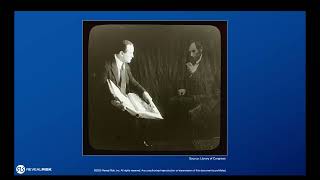
The video traces the history of spirit photography, beginning with Arthur Conan Doyle’s promotion of the Cottingley fairy photographs in the 1920s, and explains how such images were created using double exposure and physical models. It highlights Harry Houdini’s 1920s effort to expose these hoaxes, including his staged photograph of Abraham Lincoln’s ghost, and his published guide on debunking spirit photos. The speaker then connects these historical hoaxes to contemporary AI‑generated image misinformation, citing recent incidents such as a fabricated ghost in Kosovo, a fake Pentagon smoke photo that briefly affected markets, and the broader rise of deepfake scams targeting seniors. A recent Harvard study is referenced, showing that realistic images paired with headlines increase belief in false information, but that critical scrutiny (rating realism, evidence strength, and surprise) reduces susceptibility. The video offers a practical checklist for evaluating images—checking for strong emotions, realism vs. surprise, and independent verification—and recommends that platforms label AI‑generated content while urging individuals to adopt a Houdini‑style skeptical mindset without needing technical expertise. The speaker concludes with a light‑hearted remark about searching for fairies.
Chapters
In 1920, Arthur Conan Doyle, creator of Sherlock Holmes and author of one of my favorite books, The Hound of the Baskervilles, published two photographs in The Strand Magazine purportedly showing two girls interacting with fairies in Cottingley, England. Now, Doyle genuinely believed in these photos' authenticity, and they quickly became a sensation, sparking both belief and skepticism. The Cottingley fairy photos are the most famous example of a trend that proliferated in the early 20th century known as spirit photos. Spirit photos were pictures that appeared to capture ghosts or other supernatural beings, often interacting with people. This was typically accomplished using technical methods such as double exposure and practical methods such as physical models. Now, I know it's so easy to look at these photos and think, how were people fooled by this? And just chalk it up to simple people in a simpler time and pat ourselves on the back for how much smarter we are now. Except just weeks ago, multiple media outlets reported on a supposed ghost photographed walking in the streets of Kosovo, prompting a response and rebuke from the Kosovo Press Council because the photo photo was generated via AI. AI-generated images are nearly unavoidable today, and while many may seem like harmless fun, there are very scary implications. Because if an AI image of a ghost is convincing enough to fool media outlets, what if the subject is more grounded? In 2023, an image appearing to show the Pentagon billowing smoke appeared on social media with text claiming that an explosion had occurred. The post quickly went viral, even causing the market to dip, before the image was debunked as—say it with me—AI-generated. This is an anecdotal example of what a recent Harvard study found: realistic images, along with a headline, make people more susceptible to false information. And it's not just national news. On an individual level, romance and kidnapping scams both of which disproportionately affect seniors, have exploded in prevalence, robbing people of their money and causing immeasurable emotional damage. But what can be done about this? Well, in the 1920s, none other than Harry Houdini wanted to debunk spirit photos. So he bought a camera and began messing around in his basement. A short time later, a picture appeared in the New York papers of Houdini and— well, Abraham Lincoln's ghost having a casual conversation. Houdini then debunked his own photo and wrote a step-by-step guide on how he created the picture. Legendary. It is unclear how many people this exercise convinced in the 1920s, but the Harvard study from last year found some promising results for today, noting that participants who scrutinized images and headlines to rate realism evidence strength and surprisingness prior to assessing headline believability exhibited selectively lower belief in misinformation headlines. Essentially, the key to avoid falling prey to AI is to be skeptical. Be a Houdini, not a Conan Doyle. Breaking this down practically, ask yourself the following questions when assessing an image: Is this eliciting a strong emotion? Think specifically about panic and rage, both strong emotions that can create a great sense of urgency and can counteract our common sense and critical thinking. Next, consider, is this surprising and is this realistic? Consider both because something can feel realistic, like maybe an attack on the Pentagon, for example, but still be surprising. Finally, is there other evidence to support the legitimacy of this photo? It's important that supportive evidence does not include a repost of the same image and headline from multiple people, but some sort of independent verification. And I get that this can be muddy, as AI has fooled established news sources in the past. But the more time passes with these images, the answer is more likely to become clear. So go easy on hitting that share button right away. On a larger scale, the Harvard study recommends that social media platforms institute automated systems to identify and label AI images. Whether platforms will take this advice is unclear, but you can protect yourself by exercising your own skepticism. The same way that you don't need to understand the mechanics of double exposure to understand that Lincoln's ghost did not visit Harry Houdini, You don't need deep technical knowledge to question an AI-generated image or deepfake. Now, if you'll excuse me, I'm gonna go look for fairies in my backyard.