Wind vs. Hail Part 1: What's Different & What's Not When Selling Storm Damaged Roofs
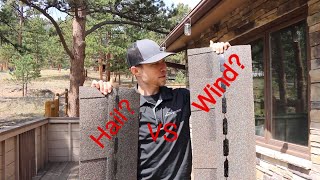
Adam Bensman compares selling strategies for hail and wind damage claims. Both follow the same four stages of the claims process, from homeowner unaware through denial to totaled. He walks through his SLAP canvassing formula and how to use open-ended questions to identify where a homeowner is in the process and adjust your pitch.
Chapters
Hail damage, wind damage, how do you sell each? What's different? I get this question a lot in this video I'm going to be teaching you and guess what, this is going to be a two part series and you're going to learn how to spot that wind damage. And what sparked this video? You guessed it, Hurricane Laura and Isaiah ripping through the country. Because many of you will be working hurricanes and wind damage. And I get this question a lot from folks from Florida, Georgia and South Carolina specifically saying, Adam, I work more wind than hail and you talk about hail quite a bit. So what's different? How do I approach my wind damage claims? And guys, there's a lot at stake because if you don't know the best way to approach these sales and you don't have that diverse skill set, guess what? You will lose money by missing opportunity for the next guy to show up. So if you're new here, my name is Adam the roof strategist and I help salespeople like you and sales teams reach peak performance. Have fun doing it, but most importantly, smash your income goals. So let's jump right into today's video on selling hail versus wind. What's the same, what's different and how can you make the most sales of both? Let's begin. Ultimately, when you are working any sort of storm damage claim, it is identical. Spoiler alert. And I'm going to go into more detail here shortly and give you a whole bunch of resources to reference so you can get down that rabbit hole learning everything you need from this video to propel you into the door knocking approach, to breaking the emotional attachment to money, to assessing, to canvassing, to working your direct mail and everything in between. Wind and hail have the exact same needs for the customer. And we think about it this way, when we are selling, it is about finding the problem for the customer and presenting the right solution. That is it. Find the problem, we present the right solution. So if we look at this as sort of a matrix, here's our matrix of problems which in my language on this channel I've identified as the four stages of the claims process. And in fact I've done a video on that and you can check it out by clicking on one of these cards wherever we decide to put it up top. And I'm going to give you a quick summary right now. Stage one, remember problems and then we're going to present those solutions. These four stages pair very well with the slap canvassing formula that I teach and you can check out that video as well. Just search slap if you just search roof strategist slap, it will be number one up at the top. Alright, so stage one, problem one, homeowner doesn't know they have damage. Small wind or a little bit of some shingles missing, lifted, folded, something like that. Or hail damage that they didn't know existed. This is stage one, they haven't filed a claim. Okay, very different approach where as if the wind tore the roof off as it might be happening in these massive windstorms and hurricanes. All right, Or a massive hailstorm when their vehicle looks like freaking ping pong balls. Dented all over the top looks destroyed. Ping pong balls. I don't know if that's the right way to put it, but you get the idea. Someone that sees that massive damage, they know the roof is damaged. So stage one, problem one, don't even know I have damage yet. Haven't filed the claim. Problem number two, partial payment. This roof that I'm standing in front of faces south. If wind came, there's a northern wind and it ripped up just a few shingles on this side. The insurance company might pay for repair. What if it hails only on this side because it's wind driven? Alright, now we deal with partial payment, partial claim. Homeowners upset. They want to pay for the whole. They want to get the whole thing done. They don't want to patchwork quilt. See the problem here in their mind, why is my insurance company, they're sticking it to me. I got to come up out of pocket. My roof's 15 years old. I can't put half a new roof on, right? The colors won't match, that backside's faded. No, I deserve the whole thing because my neighbor had a whole roof done. You see the problem here? The problem is partial payment for wind or hail. Third stage denial. Okay, insurance company comes, we've got wind damage. And let's say it's the insurance company, which we see a lot of things, guys, we do. But let's say the shingle lifted. No, it just lifted. It'll seal back down once the weather warms up. Whatever it is, the adjuster doesn't want to pay for it. Or better yet, oh, that's not hail damage, that's footfall. That's foot traffic. That's mechanical, whatever it is. All of a sudden the homeowner is upset because my neighbor. I got three neighbors getting a new roof. You're not replacing my roof. You're telling me that wind damage. You're telling me what I see isn't real. So now the Homeowner is what upset. They believe that they need to have the roof covered. Again, problem solution, that's stage three. Or problem number four. Roof's totaled. Homeowner didn't talk to a contractor yet, but insurance came out, wrote them a check. Now they got a check. What do they got to do? Find a contractor. It's a whole different mindset. So you'll see that these problems are all virtually identical whether they're working hail or wind. Now you're going to be thinking to yourself, Adam, come on. If there's wind and there was torrential rain, now you have interior damage. You're right, you're right. That is the difference. There's absolute difference we'll be getting into in the next video. But I want you to think about this. From approaching those sales, it is virtually identical. And again, that's one of the reasons I've added a letter specific to wind was to appeal to folks that are working specific wind claims. So any of the stuff in the battle pack, you swap out the word hail for wind. It's the same your pitch at the door using the slap canvassing formula. Hey, my name is Adam the roof shredders. I'm helping Peggy across the street with her with her hail claim from that big hailstorm that came through. And then, you know, you continue on from there or with the wind claim. I noticed that she had some shingles ripped off from that recent wind. Everything is identical. It is a matter of swapping words. When you boil it down and you realize that the homeowner has the same sequence of problems, whether the roof is damaged by wind or hail, it will help you approach the door in the exact same way. So everything that you have learned here will apply to both, which now gives you the power of being a diversified salesperson with, with a diverse set of skills to work a diverse set of scenarios with whatever might be thrown your way. Because frankly, here in Colorado we've had windstorms and these little pockets, especially near the mountains, the mountains kind of act as this little tunnel vortex to just shoot wind through these neighborhoods that might not really show up on a mass level to get storm chasers coming in from all over the place. You know, the town I live in got 100 mile an hour winds a few Christmases ago. Colorado Springs a few years ago got just destroyed with just this like tunnel vortex of wind that did a ton of damage. We've got a pocket near Fort Collins where again tucked up towards the mountains has had severe wind damage. And I'm talking to Contractors who are working these little isolated areas and they ask me all the time, how do I approach it different? You don't. It's the same thing. Because when you boil it down, the problem the homeowner is having is identical. Think of it like this. If you got a flat tire, what do you do? You need it either repaired, you need your donut put on, or you need a new tire. Okay. If you're on the highway, you don't call up the tow truck, say, I got a nail on my tire. Do you got a solution for nails and tires? No. You have a flat tire. I don't care if the sidewall blew out. I don't care if the thing shredded into pieces or exploded while you were driving or if it was a slow leak or a razor blade. Right. The cause of the problem is insignificant. The main thing that you need to focus on is the problem itself, which is the flat freaking tire. So the, the storm damage claim on the roof is the same way. So yes, there it is. Spoiler alert. They are identical. Now I want to give you some resources because now that you're armed with this knowledge, now that you're hopefully feeling very confident in approaching these sales, you should be using the slap canvassing formula that I teach again. Say hi, break the ice. L let them know why you are there and make it familiar to the neighborhood. Okay. A ask the open ended question. Now, why do I say ask an open ended question? So they have to think about an answer where they're going to tell you their problem. Their answer is going to tell you which phase of the claims process they're in. Stage one, no claim. What are you talking about? I didn't have any storm damage. Great. I'm glad I'm here because chances are you actually might because Peggy's roof, she didn't think she has storm damage. And you know what? I hopped up there. She couldn't believe the pictures I showed her. See that? So asking the open ended question gives you a direct, fast path insight into the problems up here. They don't know they had a claim to file yet. For anyone here who's not working those hurricanes, obviously those people are gonna know. Or better yet, how has the insurance process been for you? That's the open ended question. My insurance company stiffed me. They're only paying for that one slope. Oh, wow. I'm really glad I'm here. Same thing happened to John over there. And I was able to help them get their entire roof covered. Boom. Okay, you see how we use the open Ended question to just fast track to skip the pitch BS to skip the close ended questions. Have you had someone look at your roof yet yesterday? Quit that crap. Doesn't work. Some people say it works and all it is pushy tactics, push, push, push. And they're literally creating their own objections. I do not understand that style of pitching. I don't. Ask the open ended question, let the homeowner invite them to tell you the problem. Oh my insurance company denied me. Or better yet, I don't have a problem. The insurance already covered the roof. I just need to find a roofer. Glad I'm here. We work with homeowners in your exact area to help replace the roof. Would you like to hear how I might be able to help you out? See how that works, See how simple that is and how it applies to both hail and wind. So check out the video on the slap canvassing formula, rewatch it even. Alright. And if you haven't done it, watch my video on the four stages of the claims process and you'll put all this together and you're going to rock and roll. And when you know this now with my coming soon program your complete sales strategy. There's a link in the description to join the waitlist. Get 150 bucks off. By the way, it's coming September 10th and it'll be available after September 10th. If you're watching this, all of this material and concepts apply for all types of storm damage claims. But I want to leave you with one more tip to save your homeowners a ton of money. It's a true story that happened to me. I was working on a claim, rural area, Wisconsin, found hail damage, obliterated siding, cracked everything. But a homeowner calls in, filed a claim for hail damage. So the adjuster comes out, writes all the hail. Well, guess what? Those the far side of the house. Whole side of siding ripped off. Homeowner said hail damage. So the adjuster looked up and didn't see any high winds reported on that hail date. But he did three months later find a hail date. So excuse me. Find a severe wind report on NOAA's database. He wrote two claims. You know what that means? Two separate deductibles. One for the wind, one for the hail. Slimy practice in my opinion, but that's what they did. So do tell your homeowners whether it is wind or whether it is hail, to use open language, that's going to encompass everything so they don't get stiffed. So that's all I've got. For this video. Let's not end our time here together. Continue joining me to watch the video on the slap canvassing formula. That's the one that's the most important for you to watch here. There's a link to that video and I recommend checking out when you're done with that, the four stages of the claims process. And if you're new in sales, click playlist. I got a ton for you, but without further ado, click that link right here. Watch this video on how to use that slap canvassing formula at the door to work, hail and win. And I will see you on my next video to teach you the ins and outs of work and wind damage.









