£2k vs £20,000 per month as a fitness coach

A fitness coach breaks down what separates coaches earning £2k a month from those making £20k. The gap comes down to niche specialization, sales confidence, client results, and having systems that actually track what works.
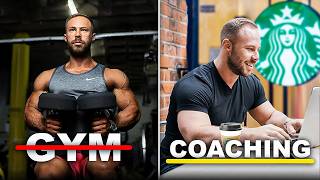
What is the difference between a £2,000 or dollars per month fitness coach versus a coach that's doing over 20,000 per month consistently? So maybe you're watching this video, you're about to get into the fitness industry and you basically want to fast track yourself over here. You want to make sure that you don't make the mistakes that most do and you almost want like the cheat code to just get into this area here. Or maybe you've been in the industry for a while, maybe you've plateaued in income. You're at 2, 3, 4K, you're just feeling a bit stagnant, you're starting to get a bit demotivated. You're seeing the coaches in this camp that are able to travel, are able to move countries, are able to buy new cars or take their partner on date night to cool places and you want to just sort of like, what am I not doing as well as I could be on certain areas here? My goal is that by the end of this video, you know you're taking all five of these green and you know exactly what you need to do going forwards. So let's start with the first one, which is model. So I think it's pretty easy straight from the off to just make the bold claim that if you're a gym floor pt and I usually very rarely speak in absolutes, but I would say it's going to be impossible for you to ever do a 20k month and above, whereas you'll see online coaches do it quite frequently. So as a gym floor pt number one is, you know this already, I'm going to bore you with this one. But you're just, you're literally trading time for money. Every hour of your time is traded for an exchange of value. Therefore, there's only enough hours in the day for you to be able to train clients. If you're doing, let's say you're doing the upper limits, you're doing 5,6k a month. For you to get to 10k a month, you'd have to almost double the hours that you're currently doing. Like, it's just really tough to do. So that's number one. Number two, it's quite volatile. So anytime that your clients want to travel on holiday, anytime that you want to travel on holiday, whether it's Christmas, whether it's summer, you lose out on income. Anytime you're ill, same thing, Client no shows, same thing. Here's the third thing that most people don't think about, which is that when you're A gym floor, pt. Typically you're going to be attracting people to you that are within maybe like a 15 to 20 minute drive. Now if you're not living in a city like Dubai, London, New York, Louisiana, you're just not going to have like an affluent pool of people to tap into. You could be in a small town or village in the UK somewhere that the average wage just isn't that high. So these clients are never going to be able to afford premium PT pricing. The cool thing about online coaching is number one, it's way more time efficient. You can work with more clients. So you do this from your laptop. Each client requires a minimum amount of time or a minimal amount of time, which means that you can work with so many more people. Number two, you can work with them from all over the world. My students for example, we've got students in uk, us, Australia, Singapore, Thailand, all over Europe. It doesn't affect things. So I can target specific areas where I know that there's a pool of people that will have, you know, the funds to be able to invest into me. The third thing is that because online coaching you'll have clients pay you on a consistent like monthly recurring direct debit. It means that whether you go on holiday or, or a client goes on holiday, you still get paid, you don't get penalized, you don't lose income. So that's that. I don't know if you can see my dog, he's now jumping up at me. This is that the first thing is offer. So I would say that most people in the left hand side, very vague with who they are working with and what they can offer, they're not that, that clear on specifically who it is they help, what their pain point is, what the solution is that this exact person needs. And therefore they struggle to position themselves as an authority and an expert to this one demographic. So contrast this to the students for example, that I work with. We've got some of them that focus on getting dads back into the shape that they were in when they were like mid-20s. We've got, we've got people that focus purely on body composition and 12 week transformations. We've got people that focus just on brides to be. We've got a guy that is dominating the Jewish scene, so he's called the Jewish fitness coach. We've got a guy that specializes on habit formation. We've got a lady that coaches people on pcos so you can have like a more specific dialed in niche that will allow you to become an expert, be Sought after and command higher prices over here. I liken this to let's say that and obviously I hope this never happens. Let's say you had kidney issues. Who are you going to trust to correctly diagnose, potentially operate or prescribe the route forwards? Your GP or a renal specialist? Let's say again, touch wood, never happens. You have a brain injury, do you want your GP going in there and looking around and fixing things? Or a neurosurgeon? It's obvious. Right. So I would look at the PT that just trains male, female, parents, non parents, somebody that's 23, 43, somebody is really driven versus just coming for a bit of a chat. The PT that just trains a bit of everybody is going to struggle to position themselves as an expert to command the higher prices and to have clients that are truly bought in and work with them long term versus kind of like clients that just sort of dip in and dip out. So that's that. Next is sales and I would, I would say on the left hand side it's people that are usually just a bit shy and I'm going to just use the word confident on the right side. So to be good at sales you don't need to be some Wolf of Wall street smooth talking objection. Handling sales machine like that's, that's not what you need. But I see that the people in this camp just have no, no real process to their sales flow. They don't really know how to structure a sales consult and they just go into it really shy thinking like it's wrong to exchange, you know, their services and knowledge and expertise and experience for value, which is, you know, cash basically. Whereas the coaches in this side of it, they're not necessarily the smooth talkers, they're not trying to strong on people into signing up with them, but they know that they've got value to offer, they can change somebody's life and they can confidently, you know, position that to the person. They have a process in their mind, they have a flow that they use, you know, throughout the sales consult that allows them to just have like a very casual conversation that just ticks the boxes and just slowly moves this person from, you know, inquiring and perhaps uncertain to just certain that this person is clear on their niche and is going to get them from A to B as quickly as possible. So we need you to have like a sales process that has you confident versus trying to wing each one. Next up would be delivery. So I would say on the left side we've got. What should we call this, let's call this like I'm going to call it competent. So that's competent. And on the right side I'm going to just put like jaw dropping. So what I mean by this is this side of things, when I look at the average, let's say gym floor PT and I was to take their last five clients and I looked at them when they first signed up and then six months later, most of their clients look exactly the same. They haven't actually edged much further close to their goals. And if you are a PT that's been doing this for a while, I would do this thought experiment, I would go through your entire client base and go, which of these have I actually had like a knockout result with where we, you know, they came to me saying they wanted X and I've delivered on it. Very few pts manage it. On the right side. The coaches that get the best results are the ones that deliver on that promise. They obsess over how to deliver at a high level. They obsess. They have clients that stay with them for months and years versus just weeks and months. They have a process in place that knows exactly what this client is going to struggle with at which time and then they have a solution for it. They've thought about this process and they've pulled all friction out of it to just make it as easy and as fast as possible for their clients to get results. I don't see that level of thinking with the coaches that sit on the left hand side of this. And then the last one would be systems. So I would say this is just completely random, whereas this is methodical. So most people in this side of it, if you were to ask them last month, how many offers did you make for somebody to join your coaching program, how many sales consults did you, did you take? How many did you close from that? What is your process for generating leads and to get people into those conversations to be able to make offers? Most of the time they can't answer any of these questions, whereas the coaches on this side of it are just much more methodical. They've got like a proven strategy that they follow week in, week out in order to put themselves in front of their ideal prospects. So that's methodical and it's systemized. Next they're tracking some basic numbers they know at the end of the month if I want to hit X amount of revenue based on what I charge, I need to make, you know, X amount of closes, forecloses, for example. And I know that of every, you know, 10 sales calls that I take based on historical data, seven of them will sign up. Which means that for me to sign up those four clients each month, I need between five and six sales calls booked. How do I do that? So it's methodical. They track. They can diagnose the constraints within their business. They know that if they've got an issue, is it a retention issue, is it a show rate issue, is it a closing issue, is it a lead generation issue? They know what this is because they're methodical and they track. They have systems and processes in place so they can identify where the issues are and move forward. Sort of out of logic versus sort of fear and guessing and so on. So hopefully having gone through this, you'll see that the fastest way to get to 20k per month, in my opinion as a fitness coach is number one, you need to be online. Number two, you need to have a think about what makes you unique. What problems are you really good at solving? Who do you enjoy coaching? And we need to get you dialed in and niched down on this. Next is we need a process in place for sales. It doesn't mean that you need to be somebody that has the gift of the gap. We need to try and convince people that aren't a good fit anyway. You don't need to do any of that. You can do this ethically, but you need a process for it. Last is, when was the last time you did a true deep dive into your coaching business and looked at where can I remove friction, what additional tools or resources or support can I give my clients to get them from here to here as faster than any other coach? And then the last thing would be, you know, what systems do you have in place to generate leads to get onto sales calls? You tracking the amount of sales calls, do you know what number you need to hit each month? If you don't have any of that, you know, we need to correct that. And this is all stuff that I run through my coaches. Pretty much everybody that starts working with me is like, cross, cross, cross, cross, cross. They are all clearly this side of it. You know, the average person that comes to us is, is about 1500-3k per month roughly. And then very quickly we move them through these, you know, we move them from PT to online versus very various tactics that we do next. We work with them on their offer, we dig into their backstory, what, why, what did they struggle with, who they enjoy coaching, what's unique about them, we lean into that. We teach them how to put content out around this. Next we have complete trainings on the sales and DM process, follow up processes and everything. We have example sales call recordings that they can go and watch. We actually audit. We listen to their own sales calls audit, give feedback, then we teach them how to deliver training. I even give my exact routines to them that had me get like life changing results for my clients. So we work them on that. We also work with them on retention strategies. They don't have to keep filling the business with new clients all the time. And then we implement some really simple tracking that they can fill in so that each month we know exactly like, where are we red, where are we green? Where do our efforts need to be focused this month? So this sounds good. And if, if you're stuck at this sort of thing or you're at scratch at the moment and you just want to tick, tick, tick, tick, tick, move over to this right side and start chasing, you know, these larger numbers that you see other coaches doing, then there's a link somewhere below. It's a quick six minute training or so runs through like three key pillars that you're going to need as an online coach. That sounds good. Go check it out and I'll catch you in the next video.