5 Ways To Create With A MEMORABLE Brand Voice
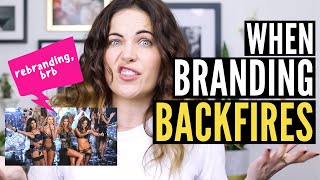
Alex Cattoni breaks down five components of a memorable brand voice: unique selling proposition, mission statement, brand story, personality and phraseology, and values. She uses examples from Glossier, Patagonia, TOMS, and Savage X Fenty to show how each piece prevents confusion and builds trust in crowded markets.
Chapters
Do not make branding an afterthought in your marketing. In this video, I am sharing five absolutely crucial elements of your brand that you must get right before you write. Hey guys, it's Alex. What's up this week? I am talking about a topic that a lot of copywriters and business owners say still, even today as we enter the 2000 and 20s, tend to leave until the very last minute or just skip altogether when it comes to making their marketing master plan. Which is a very, very big mistake. Yes, I am talking about branding. And no, I don't mean the logos and the fonts and the colors and all those obvious things you think of when you hear the word branding. But don't get me wrong, all of those are very important visual components that create your overall brand identity. But what I'm talking about today is your brand messag. Or as we at the Copy Posse like to call it, your brand voice. So listen up guys. No matter how small, every company needs a clear brand voice, especially in today's battlefield of trying to win over the hearts and minds of our ideal audience. Markets are getting more and more saturated and sophisticated audiences are growing more and more aware, and the lack of a clear and consistent brand narrative is no longer tolerated. Your brand voice drives your sales and marketing by articulating your unique positioning, your story, the reason why you exist, and the experience you promise, all to help your customers get excited about investing in your product or service so that they can confidently say, yep, that's my go to source for parenting advice or recipes or yoga mats or copywriting training. Just fill in the blank. Trust me, skipping over the important step of defining your brand voice will often backfire in your face. You may think it's wiser to just jump straight straight into writing that sales copy or to creating that marketing campaign, and you'll just figure out the rest as you go. But guess what? Your customers may not be so keen on buying from you if they can't figure you out immediately, but it's more than a marketing tactic. It's about forming a lasting and trusting bond between you and your audience. Without a clearly defined brand voice, you run the risk of drowning in the crowd, failing to get your point across, not engaging and connecting with your audience, or even worse, you confusing the hell out of them or appearing completely incongruent, which will ruin your chances of ever turning them into a customer. Before working with a client, I always ask them about these five elements that I'm about to share with you, and if they shrug their shoulders and say Alex? Nope, we don't have anything like that. Then I offer to help them create a brand voice guide before my team writes a single piece of copy. Now, this powerful document is then distributed among all of the teams, contractors and partners of the business, from the designers to the traffic team to the support team, all the way up to the CEO. So there is absolutely no confusion around what the brand stands for and how it should be communicating at all levels of the organization. Today more than ever, people engage with your brand to look for a reason to not buy from you. Yes, I said not buy from you. With so many available options out there, people actually want a reason to say, great, I can cross this one off the list because they're incongruent or not my vibe or confusing or unrelatable or only focused on sales. You get the idea. And hey, I know that might sting a bit. But my promise to you is to always keep it real so you can stay relevant. That is what I'm here for. So if you want to get more proven copywriting techniques and formulas so you can uplevel your skills and scale your business with crazy good copy, go ahead and subscribe to my channel below as I release a new video every single week. All right, now let's get into what you came here for, shall we? Whether you're an entrepreneur looking to dial in your own copy or a freelancer writing copy for your clients, there are five very important things you must identify in order to create a memorable brand voice. And these need to be crystallized before you write a single ad, email, website, or even a blog post. Okay, so here we go with brand voice. Element Number one Unique Selling Proposition A Unique Selling Proposition, or usp, is a statement that succinctly embodies what differentiates your brand from your competitors. It needs to promise a benefit or feature that others can't or don't offer. For example, Glossier, one of my favorite makeup brands, often uses the phrase beauty inspired by real life, and that perfectly sums up what their brand is all about. Glossier makes products for people who prefer minimal makeup and fuss free skin care regimens, which is why you see all kinds of fresh real life faces from their global community modeling their products across all their marketing platforms, from their Instagram account to their online store. Okay, Brand Voice Element number Mission Statement A mission statement tells your audience why you exist, what you want to accomplish, and how you plan to get there. And it's one of the strongest messages you can communicate because it sets the intention behind your brand. Mission statements should also convey your purpose in a way that intrigues, inspires and motivates both your customers and the people within your organization. For example, Patagonia, the world famous outdoor clothing company, describes their mission as to build the best product, cause no unnecessary harm, use business to inspire and implement solutions to the environmental crisis. Patagonia addresses what they're trying to achieve, why and how, all in a single step statement. Now, your mission doesn't have to revolve around a cause like Patagonia's. This is just a great case study of how effective brand messaging can drive both engagement and sales. In 2018 alone, Patagonia's revenue crossed the 1 billion dollar mark. Yet they remain authentic to their mission by producing sustainable and eco friendly clothing and contributing a great deal of their profits to environmental causes. That's pretty cool. Alright, here comes number three on my list. Brand story. HubSpot defines brand story as the series of events that spark your company's inception and expresses how that narrative is still driving your mission today. This is where the art of storytelling comes into your brand voice and messaging. So think about it. Most people know the backstory behind their favorite superheroes and villains, and that's because they are compelling and memorable. And just like a superhero's origin story, a strong brand story covers three three turning points. First, the status quo. This is the old norm or the origin of your situation that eventually leads you to number two, the challenge. Basically, some form of problem, conflict or adversity that disrupts the status quo and motivates you to find a solution. And finally, number three, the discovery. This is the epiphany or resolution that led to a personal breakthrough your customers can emotionally relate to. According to research, over 70% of customers are more likely to recommend brands they can emotionally connect with. So let's quickly use Tom's Shoes as an example. In 2006, Blake Mycosky traveled to Argentina and witnessed the hardship that some of the children were facing growing up without shoes. That is the origin of Tom's brand story. Blake was so moved that he felt determined to help these children, so he worked hard to come up with an effective way to do that sustainably. Therein lies the challenge. Ultimately, he founded a for profit business that was completely sustainable and scalable and not reliant on donations. A pair of shoes given for every pair of shoes bought. That is Tom's famous one for one mission. TOMS empowers every customer to create instant, tangible and traceable impact on a child's life. Talk about an emotional and powerful resolution. Okay, the Fourth element for a memorable brand voice is personality. Your brand personality is about the real qualities, expressions and emotions it embodies. Yes, you need to give your brand human characteristics. I mean, robots can have personalities, so it only makes sense that your business and brand has a personality. Am I right? Identifying your brand personality will also play a huge role in determining the tone, feel and flow of your copywriting and messaging. Is your brand conversational and playful, loud and assertive? A young millennial who likes to travel or a genius billionaire playboy philanthropist? Can you name that superhero? Comment below and let me know. Now another part of brand personality is clearly defining the brand's phraseology. These are the common phrases and sayings and words and sign offs or slang that are often used in marketing, content and customer communications without much thought. So you might have noticed that I always sign off my emails with the right phrase pays or that I always start my videos with hey guys. And I've been known to say rad from time to time. So when working with clients to create a brand voice guide, I'll always create a glossary of their most common common phraseology so it can be documented and given to anyone who communicates on behalf of the company. This is a super powerful exercise that I highly recommend you do before you start writing copy. Alright, now another powerful step to clearly defining your brand personality is to get crystal clear on who your ideal customer is. To do this, I recommend you check out my video here where I walk you step by step through my customer avatar exercise. All right guys, now onto the final must have brand voice component and and that is Values. Your values represent what your brand stands for, which is also what you, the person or team behind the business stand for. They are the guiding principles that will shape every single aspect of your business from your message, identity, customer experience, buying journey, policies and so much more. Once you've got a good and clear idea of your unique positioning, mission statement and brand story, it's time to strip that down to define your core values or brand pillars. For example, Rihanna's fierce lingerie line Savage X Fenty celebrates fearlessness, confidence and inclusivity. They make lingerie that helps women of all shapes, sizes and colors bring out their wild and sexy side. Their breath of fresh air brand hit the world by storm in 2019. Seriously, putting Victoria's Secret outdated fashion show to shame. It was really no surprise that Victoria's Secret decided to cancel their show last minute. They are now spending some time to rethink and evolve their marketing and branding. As reported by Harper's Bazaar last year. Let's hope they can stay alive as other brands with much more powerful voices like Savage X Fenty are on the rise. So there you have it, guys. Five of the most important components that every business absolutely needs to stay real, relevant and relatable today. And if you're ready to learn, write and ignite your copywriting business, click the link in the description below to find out more about my exclusive coaching program for copywriters, the Copy Posse Launchpad. Once again, guys, thank you so much for watching and subscribing. Next up, check out my video on how to write a killer homepage. You can watch that right here. And as always, have a fantastic week. Until next time, I'm Alex. Ciao for now. Look at that. Oop. Snow. Would you just look at it snowing.
More from Alex







Best Instagram Marketing Strategy For Small Business 2026 (PROVEN & PROFITABLE)

You know those headlines that make you click even when you swear you won’t? 👀


