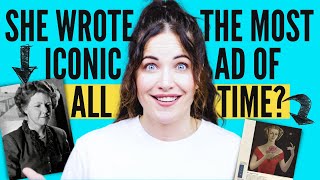
In this YouTube video, Alex Cattoni highlights six pioneering women who transformed the advertising and copywriting industry, emphasizing how they broke gender and racial barriers and created some of the most enduring campaigns and slogans. The video opens with a brief critique of the male‑centric narrative of copywriting history and a call to recognize women’s contributions. It then profiles each icon: 1. Barbara Gardner Proctor – the first Black woman to own an ad agency; fired for refusing to mock civil‑rights movements, she founded Procter & Gardner Advertising, serving major clients like Kraft and Jewel and building a multimillion‑dollar business. 2. Helen Gurley Brown – author of Sex and the Single Girl and editor‑in‑chief of Cosmopolitan; she reshaped the magazine for modern women and wrote bold copy for Max Factor, championing the female sexual revolution. 3. Jean Wade Reinlaub – the sole female board member and VP at BBDO; she pioneered rigorous market research, creating test kitchens and consumer studies that drove successful campaigns for General Mills, Betty Crocker, Chiquita, and others. 4. Frances Geraghty – creator of De Beers’ legendary slogan “A Diamond is Forever,” which redefined engagement rings and turned diamonds into a cultural symbol of love, generating a $13 billion industry. 5. Dorothy L. Sayers – English crime writer who entered advertising, coining “It pays to advertise” and crafting memorable ads for Coleman's Mustard and Guinness, breaking the norm that women only wrote for feminine products. 6. Mary Wells Lawrence – founder of Wells Rich Greene, the first female CEO of a NYSE‑listed company; her agency produced iconic slogans such as “I love New York,” “Plop, plop, fizz, fizz,” and Ford’s “Quality is job one.” She was the youngest inductee into the Copywriters Hall of Fame. The video concludes by urging viewers to explore part 1, which features additional trailblazing women, and reinforces the message that women have long been central to copywriting’s evolution. Throughout, Alex maintains an enthusiastic, conversational tone, interspersed with calls to subscribe and engage with her channel.
Chapters
Yes, when it comes to icons in the copywriting world, there are certain names that we all recognize. David Ogilvy, Leo Burnett, Gary Halpert, and Eugene Schwartz, just to name a few. And while their contributions to the world of marketing, advertising and copywriting cannot be denied, I think it's high time we shed some light on the iconic women who helped redefine and shape the entire industry with some of the most recognizable ads, slogans and campaigns of all time. Welcome to part two of Iconic Women that Shaped Copy Copywriting history. Hey, posse, what's up? It's Alex. And welcome back to part two of this video series where we are highlighting some of the most iconic and legendary women that shaped copywriting and marketing history as we know it. If you haven't already, make sure to check out part one, which you can do after you watch this video, because some of my absolute favorite women are featured in part one and. And I will link to that at the end. But first, if you're new to the crew, welcome. My channel is here to help you understand the world of marketing, copywriting and freelancing so you can create a business you love, find the freedom you deserve, and live life on your terms. So if you're into that, go ahead and subscribe below. And don't forget to hit that bell to be notified when my next video goes live. Now we are gonna start off part two with one of my favorite female copywriters ever, Barbara Proctor. Barbara Gardner Proctor was the first black woman to own an advertising agency. But before she decided to venture out on her, she worked for two different Chicago advertising agencies. The year was 1969, and the agency she wrote for was preparing to work on a new ad campaign that would parody the social justice marches that were happening during the time. All so they could sell some hair care products. Yeah. So being a black woman and probably the only black woman in the entire agency, Barbara was assigned to the campaign. And for obvious reasons, she was just not cool with minimizing and mocking the social justice movement in order to sell hair products. So she spoke up and she was fired. The very next year. She started her own advertising agency, Procter and Gardner Advertising, which she later built into a multimillion dollar company. Some of her most notable clients included Kraft and Jewel Food Stores. And she also worked with a large number of clients who specialized in marketing to the black community. The New York Times can be quoted saying Barbara Gardner Proctor was a legendary pioneer in advertising, entering the business during the 1960s Mad Men era, when black people were generally not hired in Advertising firms. So to say she was a brave badass that we can all look up to is a massive understatement. She was a fearless woman who wasn't afraid to speak up in a room full of probably all white men. And she was fired as a result. But then she went on to start her own agency and show them how it's done to the tune of $12 million, which by the way, is $32 million in today's money. Alright, number two on the list is Helen Gurley Brown. She's probably best known for her best selling 1962 book, Sex and the Single Girl. But Helen Gurley Brown was also a copywriter and editor in chief of Cosmopolitan magazine. Hello. She's like a real life Carrie Bradshaw. And it was her role and influence in the company that helped transform Cosmo from a literary magazine filled with high toned and uppity content into the modern, everyday woman magazine that it is today. Helen was an outspoken advocate for women's sexual freedom and she was a big believer that women can and should have it all. Love, sex, sex and money. Yes. In terms of her copy, well, she didn't hold anything back there either. She wrote copy for Max Factor Makeup, including this spicy ad. It says, it's nice to be an angel most of the time, but tonight, let your eyes reveal the daredevil side of you. Let them go deep, dark and devilish. Yes, that is even provocative for today. So we have her to thank in part for what's often referred to as the female sexual revolution. And I am here for it. All right, number three on the list is Jean Wade Reinlaub. Jean was one of the first American women to become a major advertising executive, rising to become the only female member of the board of directors and vice president of BBDO Advertising agency. So what's so amazing about this powerhouse of a woman is that she laid the foundation and really set the precedent for one of the most valuable and important aspects of marketing today. Conducting thorough market research. One of the reasons her campaigns were so successful was because she went above and beyond to understand her product's consumers and their needs. For example, for one of her clients, General Mills, she collected cookbooks, culinary pamphlets, recipes, and even started a test kitchen where she interviewed thousands of women to gauge their concerns and better understand their desires and needs in the kitchen. For another one of her clients, Betty Crocker Cake Mix, her advertising and copywriting skills helped them become the leader in the cake mix market. After lagging behind Pillsbury and Duncan Hines for years, she led successful advertising Campaigns for some of the most influential marketing companies in America, including Campbell's Suit Company, Carter's Clothing, General Mills, Oneida Ltd. SIL, Betty Crocker Cake Mix and Chiquita Bananas. Alright, next on the list is Frances Garrity. Frances Garrity is responsible for one of the most widely recognized ad campaigns ever. De Beers. A Diamond is Forever. Yes, created in 1947. What I love so much about Frances work is that she didn't just create an iconic campaign that is still still being used today, but she completely revolutionized the entire diamond industry. So prior to this slogan, diamond engagement rings weren't really a thing. They were not something that was normal or common to rece an engagement. Crazy, right? In 1940, only 10% of first time brides actually received diamond engagement rings. With most women thinking of diamonds as a waste of money. They wanted their men to buy them a washing machine, a new car, or anything but an engagement ring? I find that hard to believe, but that's what it says in this article. So the absolute genius behind this campaign is that this marked the pivotal moment in history when diamonds became the symbol of true indestructible love. That moment when the public really began to believe that the most romantic purchase a man could make for his lover was a diamond ring. Although they were even genius enough to tell the man exactly how much he should spend on his ring. Right? With this line, how else could 2 months salary last forever? A Diamond is Forever De Beers. And that is advice that is still commonly followed today. And albeit that ad is completely sexist and a little bit outdated, it is safe to say that their marketing worked. Today, more than 80% of women receive engagement rings and the industry is a whopping 13 billion dollar business worldwide. In 1999, Advertising Age named Frances Geraghty's work the slogan of the century. Whoa. That is a title I am gunning for next. So next on the list is Dorothy L. Sayers. Dorothy L. Sayers was an English crime writer and poet, but she began her career in, yep, advertising. Credited with coining the slogan it pays to advertise. She helped create some of the most recognizable ads in the 20s and 30s, including the mustard Club for Coleman's Mustard and even more notable, the Guinness Zoo advertisements like this one. And to be honest, I don't really get it, but apparently it worked like crazy back in the day. Regardless, I think it's pretty badass that she wrote for a beer brand, considering almost all women who worked in advertising during the time were strictly assigned to write for women's products, you know, like face cream, soaps and other household products. So the fact that she wrote this ad copy for Guinness and apparently it's still being used today, is definitely iconic. Alright. And last on this list is Mary Wells Lawrence. So saving my absolute favorite female icon for last, Mary Wells Lawrence. She was the founding president of a major advertising agency which later sold for $160 million in 1990, making her the first female CEO of a company listed on the New York Stock Exchange. After being denied a promotion that was promised to her at an advertising agency she worked for, Lawrence left the company and founded her own agency, Wells Rich Green, on April 5, 1960. Her agency grew faster in the first five years than any other agency in all of advertising history. And by 1969, just three years after starting Wells Rich Green, she was the highest paid executive in advertising. And in 1969, she became the youngest person ever inducted into the Copywriters hall of Fame. As the New York observer put it, her agency, Wells Rich Green, created ads that etched indelible phrases into the public imaginations. And it true, her agency is responsible for some of the most catchy slogans of our time like Flick your B, I love New York, Elka Seltzer's Plop Plop Fizz fizz. Oh, what a relief it is. Ford's quality is job one and trust the Midas touch. Yes, those are all just a few examples of her work. And when asked what it takes to be successful during an interview she had with the New York Times back in the 80s, she said, you can't just be you. You have to double yourself. You have to read books on subjects you know nothing about. You have to travel to places you've never thought of traveling. You have to meet every kind of person and endlessly stretch what you know. There were and are so many talented women in the advertising business and the real wonder is why they aren't all running worldwide agencies of their own. I'm looking into that. What an absolute icon. Okay, posse, that wraps up our two part series of the iconic women who shaped copywriting history. I hope you enjoyed this first flashback through time and love learning more about these absolute powerhouse women. If you haven't already, please make sure you check out part one where you will learn all about a teenager in the twenties who made more money with her copywriting skills than most freelancers make today. A woman whose revolutionary approach to copywriting completely changed the industry from only talking about boring facts and features to utilizing the psychology behind why people buy a woman who broke through tons of race and gender norms while simultaneously creating some of the most recognizable brand slogans of all time. Plus so many more iconic women that you need to know about. So head on over to part one. I will link to that next. And until next time, I'm Alex. Ciao for now. Alright guys, if you enjoyed that video, make sure to check out the next one from me right here. And you can click right here to get a free gift when it comes to icons in the copywriting world, there are certain names that those of us who are copywriters will recognize. Names like David Ogilvy, Leo Burnett, Gary Halpert, Eugene Schwartz, Robert Cialdini, and Joseph Sugarman are just a few of the names that we honor and celebrate as the legendary forefathers of copywriting. And I am not saying that their recognition isn't well deserved. These men are geniuses and their contributions to the world of marketing and advertising have been profound. I myself have learned a ton from them. But what most people don't realize is that women have been absolutely crushing it in the world of marketing, advertising and copywriting for just as long as men, if not longer. Gasp. I know. So in this video, we're going to shed some much needed light on the iconic women who shaped copywriting history while also majorly challenging sexist norms, a patriarchal society, and systemic oppression. Keep watching.