If You Want To Start A Sober Living Home, Watch This Video
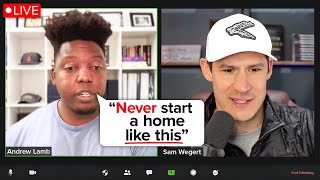
Interview with Andrew Lamb about starting and operating sober living homes as a niche of co‑living. Lamb describes his transition from real estate to launching multiple homes quickly (three homes in six months), the conversion and furnishing process (prefer 4-bed/2-bath or larger, two occupants per bedroom), intake/screening and safety systems (license/membership-style agreements, indoor cameras), regulatory landscape (no license required in most states; NJ, UT, AZ require licenses), referral/placement channels (probation, treatment centers, county partners), and economics (substantially higher cash flow vs traditional rentals; examples of $6–9k+/month per converted property, some homes higher with Medicaid contracts).
Chapters
So you're here because you want to get rich and you want to make an impact. Well, there's multiple ways to do that, obviously. I believe co living is a huge, beautiful way to do this. And I brought in Andrew Lamb today to talk about sober living because this is also another way that has insanely high, you know, returns insanely high cash flow, but you're also putting your head to bed every night knowing I made a difference, I impacted someone's life today, I maybe took someone off the street today that, you know. And he'll tell you some stories. Andrew in this episode will tell you some stories about how just amazing it is to make this impact and how good that feels while also making a ton of cash. So this is what I think of like you got co living, then you got the niche of co living called sober living. So this is niched way down. Andrew pulls back the curtain. How does he make money from this? How did he get three and six months with it doesn't sound like a lot, but there's a lot that goes into a sober living home. How he launched that, how he does, how he does that, and how he's absolutely crushing that. Excited for you to check out this episode. I, it spurred a lot of really good thoughts for me even around co living and excited for you to dive in. Ladies and gentlemen, we got Andrew Lamb on here, the sober living guy. You know, I heard you called the sober living king on a little episode I was watching of you before this show and we've kind of tried to brand me as the co living king and I was like, ah, there's another guy. This is it. So I resonated. I thought that was cool. But we're going to talk everything. Sober living, we're going to talk how it's really a niche of co living and how it can make you become wealthy, become financially free and get rich. So, Andrew, welcome to the show, brother.
Thanks for having me, man. I'm happy to connect and share everything I've learned over this, this journey in sober living.
Yeah, I mean, I think it's gonna be really interesting for our listeners because we've talked, we talk a lot about co living on the show, but this is something we've actually never had presented on the show before, sober living, which you think we would because it's a, it's a co living niche and it's a way to maximize revenue out of a single family home. And so, man, I want to just dive into your story you just told me right before we get on Here you said you launched three homes in the first six months of this business. You sound crazy and insane like a lot of other good people. I know us. What did you. What brought you to the point in your life where you decided to launch three sober living homes in six months? And what did you learn from that, brother?
Great question. So I was. Was a real estate agent, Keller Williams brokerage owner. You know, was. Was deep into real estate sales up until 2020 and Covid happened. And I decided during shelter in place, when I didn't know if my 14 deals in escrow would close because real estate wasn't considered essential, I decided I needed to really take more control over my life and, you know, not. Not collect a small percentage by helping people transfer real estate, but actually own real estate myself and have some income that's not dependent on whether or not I show up to work, but also whether or not the government decides, you know, this escrow can go through or the buyer or seller decide things are too weird and risky and scary, we're going to back out. So I just wanted more control. I'm married with five kids and really wanted to make sure they were taken care of no matter what. So I decided during that shelter and place time, and it kind of was cliche. People were like, if you come out of this time without having learned a new skill, you've like wasted an opportunity. But I took it to heart. I was like, legit. Like, I'm. I'm scared I'm not going to make the six figures in commission I have right now pending. I need to figure something out. And so I did dive into a mentorship and learned investing. And by the end of that year, I'd completed multiple flips, made good money, but rates dropped, right? They were below 3% by the end of that year. And I was like, why am I selling these properties? And so you know what? Kind of like you said, I just jump headfirst into stuff. So I jumped into investing and wholesaling and flipping and I jumped into, like, how do I hold onto this? But I wanted it to help more people than just a traditional rental. I had a rental. First time I bought in 2017, my family moved into. We outgrew it. So moved to another home a year later, kept that one as a rental. It was making 600amonth in cash flow. But I didn't feel like I was. I was helping anybody. Not. Not truly. And I was raised by a single mom. Always wanted to make a place for, like, single moms and to help people in need. And I just figured, man, if I. If there's a way I can house more people, I'll probably get paid in proportion to like, the people I help, the amount of people I help, and the value I provide. So I'll probably figure out how to make more money just by housing more people. And so I actually went to my. My local shelter and was like, hey, I have a home that's like mid flip. I could put it on the market, make really good money. I want to keep it. Do you have any need for a single family home? And the director, I got lucky. The director of that shelter also was the director of the continuum of care. She knew everything about, like, getting people from homelessness to housing and all that stuff. She was like, come to one of our meetings. This is what we need. And you can make $850 per person and you can have like two people per room. And I was just running the numbers real quick on that phone call, like, holy crap, I'm not gonna make. You know, at the time it was market rent was 2, $800 for this four bed, two bath I had. I was hoping. And I was like, I can make like six grand easy. Like really more than double. Yeah, exactly. And so literally that year I started five. And. But in six months, since I already had one, one mid flip, one in contract, that was a short sale I negotiated, and then I ended up buying another one that summer. So I started three in six months without any background in sober living, without any history of recovery myself. And so I, you know, I dove headfirst in. I learned a lot of hard lessons really fast, and the rest is history.
Dude, give us a. Give us a. Give us a window into the A through Z of like you buy a home. What are all the things that have to happen for it to be an up running full cash flowing? You know, sober living home. Keep wanting to say co living home, but sober living home. And. And it sounds like you. So give us like your. You were drinking out of a fire hose for that period of time in your life. Awesome. Great. We love action takers. I was just on a phone call with a student right before this, and they were like, we're in analysis paralysis. I was like, stop. Just. Just go, you know, dude, just do it. You'll learn even if you mess up. So I, I love that you're just like that big action taker dude. And I hope people take that away from you even listening to this of like, you know, look where you are now, how far you've come you're coaching people how to do this, you're supporting people how to do this. You've got your, you're launching homes in all over the United States. And it's really cool to see that just that started from some action, that started from some risk, that started from some mistakes, you know, and I that just have this belief that I want people to take away from you. And that is like all good things start with some mistakes.
I think all lessons come from some feedback loop of either winning or learning. I don't think you can lose as long as you take action and you have some perseverance. And so for me, a lot of wins happened. Like, I was able to find a great private lender. I was able to buy a lot of these properties without any money out of pocket because I have a great local lender who just would lend from his IRA and would cover 100% of the purchase and the renovation cost. And I was buying good deals. Most of them were actually on market. I was buying good deals from the mls and my background in real estate helped a little bit. But honestly it was just I was looking every single day and I would find something every month or so that made sense. But yeah, man, I dove in and I think the big thing I learned was you got to diversify your income streams for sure.
What do you mean by that?
Well, so I think there's a difference between what I run, which I kind of consider modern sober living, and what the traditional path of sober living is. These homes have existed for decades, right? But no one's talked about it. They've all kind of kept everything to themselves. And the traditional philosophy has been have one of the residents be a manager, have a free bed in a private room, and they'll take care of everything. But I think a lot of sober living operators fail to scale because that's killing your profit. Especially if you have just like a three bed, two bath home, there's no way you can actually get enough profit. And if you're only collecting from people paying out of pocket, honestly, you're probably not collecting half of the time and you're chasing them down and you're just trying to figure out how do I even just stay afloat, let alone how do I scale. So I learned from a lot of the people around me because I started asking questions and visiting other homes and asked for help and I was like, man, I don't want to do it that way. And so my business acumen, running a real estate team, running brokerage, really helped Me, like, make a plan for profitable expansion. And so I think that's where a lot of people just kind of get it wrong. They want to get into this. They don't have the right model, they don't set it up right from the beginning. And so they're just kind of doomed at the start. So what I teach is how to really grow quickly and fill up with the 90 days and then scale a portfolio.
Oxford House is really the only place I know that's kind of doing this, at least at some level of scale. I feel like they're in a lot of places. Is that the model they run or they run a different model than that.
So, yeah, that's the model they run. It's very. There's kind of four levels of homes like this. The first would be kind of pure lead with no management, no structure or anything like that. So they're kind of level one homes and that's exactly what they do. They're not really trying to make a lot of profit, they're just trying to like fill up beds. But you end up with a lot of people who aren't committed and, you know, not so great outcome. So I like the organization as a whole. It's just not the model we. We run ourselves. Understand?
Yeah. What would be those other levels? So you've got peer, Peer led.
Yeah. Level two would be a managed home. So that's going to be, you know, you actually have a house manager. You have rules, you have structure, you have curfew. And so it's honestly a pretty. This is where I think co living and sober living are almost exactly the same. Like you're just giving people really clear expectations so that they're just good roommates to each other. The level one home doesn't have that at all. The level two home, it's very clear. Here's the rules, here's how you interact with each other, here's how you interact with like management or ownership. If you want to maintain your stay here, here's what you need to do. And where it differs is we actually furnish each bedroom so we make sure that they have a bed, sheets, all that stuff, but they're just individual twin beds, nothing crazy. And we will have two, two per room, maybe three. In the master bedroom, it's a bigger room and they can share that private bathroom. But other than that, it's almost exactly the same as co living.
That's cool. So, yeah, peer led. Managed. A managed home.
Yeah. Level three would be kind of a supervised staffed home with services. So like case management, additional support, not treatment. Like, we're not licensed or certified or anything. We don't need to be in most states. There's three states that require a license, but level three is really just more, more support, you know, activities and stuff like that. Level 4 would be like an actual residential rehab, clinical services, all that stuff. We don't do that.
Yeah, got it. So you'd fall. Would you fall under then managed home? Is that kind of. Or do you provide?
We started off, we started as managed home, like level two today because I have 11 homes. We're, we're level three. We have staff, we have case management, we do a little bit extra to support helping them find jobs, that kind of thing. But yeah, we're two or three is kind of where we, we make our, our living.
So let's take it back, man. I want to take it back to the basics. I really want to pull, pull back the curtain for listeners a little bit on this, on this strategy. So, okay, so you've launched three homes, six homes in a year, or what do you say? Five homes? Yeah, three homes. Congrats. That's awesome. And these are. And I think it's important because people might be thinking, well, that's not that many. Like, I could do five rentals in a year. But these are sober living homes. And I want to pull back the curtain. I kind of like, that's different than just launching like a single family rental that you throw on the market and a family moves in. There are a lot of nuances to this, and I think that's what listeners probably don't understand. And frankly, maybe I don't even understand. So I want you to pull back the curtain on like, all right, you buy a home, you get a home. What are you looking for in a home? And then what do you kind of. What is that? A through Z process to get it up and going and pull back the curtain a little bit for us and some of those nuances so people can understand that, like, actually doing three and six months is a freaking lift.
Yeah, yeah, it's a. So I guess it's easier said than done if you have some real estate experience. You know, you own real estate, it's easy to convert an existing property. But I've, I've even had students come in with zero properties and within 90 days they've bought or leased one and they've done this model. So it's doable either way. But what you're looking for is something that I consider to be four bed, two bath or bigger. I think that's the best model. Because honestly, if you're looking to convert bedrooms.
I don't mean to interrupt, but do you convert extra dining room? Are you, are you putting up a wall on a closet kind of thing? Is that part of. Because that's a lot of what we do. Does that happen in your.
Yeah, so. So I like to maintain the, the saleability of the home. So I'm not just going to like put walls in the middle of, of spaces, but like my second home had a pool in the back, so that's totally fine. If there's a pool, it's not an issue. And it was a short sale, so we had them redo the pool because it was a safety, safety and health issue. So the bank redid the pool. We took a dining area that was open off of the kitchen and just put it in double doors and created a bedroom out of that. Because we still had a living room and a family room. There were still common areas, but no one was going to use that dining room. Not really. I mean they all work different schedules, are not home at the same time. And so I learned pretty quickly we just didn't need a common area for, for just eating. People would just eat at like a kitchen island or a small table. And so that we took that three bed, two bath to a four bed. And I'm so happy we did because from the very beginning we were making about 8 or 9,000amonth in cash flow.
Wow.
Each house. So the more bedrooms you have, kind of better, right? It's all profit because your costs are fixed.
That's right.
And the more people you can have in that house, the better. I don't like to use bunk beds or like treat people like cattle. There's a lot of really bad silver living homes that do that. We've always maintained like high quality homes. Renovated and then just two per room, three in the master only.
Got it. Okay. Yeah. So you get this home up and running. You've got to go ahead then. And you're. You are doing some sort of a conversion. I mean it's maybe it's a closet or wall. It sounds like there's some, there's some little bit in there that you're converting this to. You're making it look beaut.
Beautiful.
Are you furnishing everything then as well? Yeah.
So we'll furnish. I have a full spreadsheet now. Just because a good friend of mine is Matt Eatchison owned hotels. He's like, you need very clear FF&E fixtures, furniture and equipment. And so we just like dialed that in and said, for every home, this is what we're going to do. This is the type of flooring, this is the paint, this is like everything that we do. And so, yeah, we do the same thing, LVP floors, just because they're durable, scratch resistant, all that stuff. And then we'll get like used furniture, couches, dining table, because the markup on furniture is insane. And this isn't like setting up an Airbnb. It's not 20 or 40 grand in, in decor and stuff. It's like I can literally furnish for 4,000 or less everything that we need.
Wow. So you're buying on Amazon probably a decent amount or used, you said.
Exactly.
Yeah.
Yep.
That's good. So they're doing that. You're getting it all set up and then, okay, so now you've got a home. It's got the number of bedrooms in it. You're putting two people to a room, three in the master. You're putting all the furniture, putting all the beds in. Now you've got this home. Utilities are in your name. I'm assuming you're paying similar to the llc. Yeah, yeah. You're paying for everything. This is. They. They pay one price and everything's included. Kind of feel. Right, Yep. I'm just trying to wrap my head around it. So then you bring in and then like, what's next? I know you. I know one of the things you do in your course and that you support people with is helping them, guide them through that. You know, I've heard you mention on your social. The registration process or the licensing process. It tell us a little bit about, like, what has to be done. Do you have to have a registration? Do people ever. Did neighbors ever call and complain and like you have to have some sort of a license that allows you to do this. Tell us a little bit about those legalities.
Here's what's really cool. In most states, you do not need a license.
Really? I didn't know that. I actually thought you did.
Okay. Nope. And so all we're doing is housing. Right. We're not doing any kind of clinical services. And so it's truly just like co living. And so we are in only three states. So New Jersey, Utah and Arizona have sober living licenses that are required. They honestly don't take long to get three or four weeks. But they do exist. And so that's the only thing to really worry about outside of that. Honestly, most states, it's the Wild West. There's no regulations, no rules. And what's cool about these homes is everybody who's in recovery is considered. It's considered a chronic disease. And so it's called substance use disorder. That means they are protected by the Americans with Disabilities act, by the Fair Housing Act. And then different states like California, where I am, we have our own state version of that with even more protected classes. So no one can even come in and say, hey, you need this special permit or this thing. In fact, there's lawsuits that just as of last year, certain cities and municipalities had to pay fines to the DOJ and huge settlements like Newport beach paid out $5 million to a sober living operator. We're just trying to make it hard for them to open up. And so there's lots of protections for you to be able to do this without a lot of barriers and hoops to jump through.
That's pretty cool. You know, one of the things that we deal with in the CO space a decent amount is these regulations around unlimited unrelated residents in a home. And so are you saying that you got. And there's. We have legal strategies around that. We have this strategy we use called a membership agreement where someone's really buying a subscription service and they get access to the home and, you know, I'm leasing it to another corporation, so it's only one person. This is pretty. Some pretty technical legal strategies that we use to, you know, operate in still in good faith that we have a legal way to operate above that quote, unquote unrelated limit restriction, which don't get me on a tangent, I think that whole thing is kind of BS anyway and doing away with it. And I think it's, at some level it's unconstitutional because you're giving, you're giving specific rights to people who are quote, unquote related, which, like, what's the true definition of that for people who are not related?
It's like, yeah, no, so, so 100%. That's the truth. A lot of times when these municipalities are taken to court, they are proven to be violating the Fair Housing act by putting those rules in place. Honestly, a lot of them were in place because minority families were larger and they wanted to. And many would, would house together. Many immigrants would house together and share space. And, you know, they just wanted to keep them out of certain areas. And so there's holdovers. I remember even when I bought my first house in the CC and rs, the covenants, conditions and restrictions, it still says like, African Americans cannot own real estate in that neighborhood. But there's amendments and other things that were added. So the original language is still there. It wasn't stricken. There's just additional laws that came after. And so unfortunately there's a lot of these ordinances that still exist saying, you know, no more than X number of unrelated people. All of that is BS and so we don't worry about it. And honestly we have the legal documentation to say like if a city or county ever comes to you and says like, hey, what are you doing? We just send this over. I've had a student have that happen. He said it's an end. And they said, oh, thank you, sorry to bother you.
Right, right. Go any further, that's great. And you're just, you're basically proving to them like, hey, we're a sober living house, just get off our back kind of thing.
Exactly. And honestly, as long as you're just doing two per room, like even single room occupancy in high density areas, two in a room is allowed because they're thinking of like couples or single parents, which we also allow single parents in our homes. And so to say to treat us any differently than a traditional rental like that is discrimination.
Yeah, man, I'm glad you're on the same page with me on that. I'll just to kind of double down on this because it is a hot topic right now. It's, you know, there is, there's a county in Atlanta that. Here's how their zoning reads. It reads five unrelated, unlimited number of related and a limited number of domestic servants. I think you and I were chatting about that one. It's just like, it's so, it's, it's outdated. Like you're saying these, these rules and these restrictions. We're not meant to regulate like the modern day what we're creating co living. So we're living and we're doing it in a professional way. That's manage.
Right.
It's just completely different. So I think that's a really powerful point there as well. So you get this thing up, you don't have to have a license. You rock and roll. You've got this home now. How in the world do you go about filling a home? If you don't mind me asking, what's the biggest one you have? Like what's the or. Or that one of your students has like how many people?
I have a six bed, four bath. I do have students that have some interesting properties in like LA where there's lots of high density rules. So we're, we're starting to work on filling up like 35 bed, 35 bathroom properties. Yeah.
Wow. So, so for you it would be. But like six beds is 12 residents or 12, I don't know what you, what you get.
Yeah, yeah. So 12 or 13 could fit easily in there. We usually operate around 90 occupancy and we just keep expanding because honestly our homes fill up and I don't want to tell people no, like they need this type of housing. It honestly saves lives. And so. But yeah, the way we, the way we fill up, I always think people do this wrong because I've had a lot of people come to me saying, hey, I started a group home, I started a sober living home. I'm stuck, it's been empty. I've had one out of ten beds full, you know, out of the last three months. I'm burning money, can you help? And it's because they operated on this like if I build it, they will come mentality. That never works. Right, right. So I always think of just like a normal business, like I'm an hour and a half away from Stanford University where all this, you know, Silicon Valley, building out an MVP minimum viable product. How do you test something before you, like mass produce it? And so I always go to the market first. I start with market research. I call local organizations the same way I started. Right. I got introduced warm handoffs to these organizations that could fill up my homes. And so I teach people to do the same thing. I didn't just start a home and say, this is a great idea. Let's see, I'm going to put an ad on Craigslist, see who shows up. It was, no, no, no. I'm talking with our probation department, I'm mental health department. I'm talking with, you know, all these different areas and departments that have grant money to work with the people that we would house, they're already working with them day in, day out, literally doing case management, making sure they're good and have everything they need. And people walk into their office saying, hey, I'm homeless, I need housing. I've been in my car for two weeks, I've been couch surfing and I just got kicked out. And so it becomes an emergency placement situation. But they already know them, they've had a relationship, they know they're a good person, they know they have a job, all that stuff. They just need housing. So I call or email. We actually have a staff member whose job it is to just scrub the Internet and find the CEO, coo, executive director of all these organizations. And we send an email that says, hey, this is who we are, this is what we do, this is our experience and background. Here's a picture of our, our homes fully renovated, all that stuff. Here's what's included and let us know how we can work with you. Literally, sometimes, same day we get phone calls from those case managers saying, I have somebody right now, can I place them in your home? Wow. A lot of times I'll send that before the home's ready because we want to start with a waiting list. I want to fill up within 90 days. And in many cases we do. Like I literally get phone calls right.
Away and just, I mean again it's my curiosity is like, do they have to be in an alcoholic situation coming out of that to be. Or if someone just needs housing, would you also place them or no? Do you draw a line there?
Like that is a great question. So honestly, sober living is a niche of co living. But I would say the only real difference, aside from having rules and expectations and stuff, is that people are agreeing to be drug and alcohol free. So you can literally have any home, be a sober living home and house people of various backgrounds, some of which have never had a drug or alcohol problem and they are simply choosing to abstain while they live in the home. So that's why we were able to fill up so fast. We have all these different backgrounds of people. Yes, we have done reentry through our probation department and like Department of Corrections. Yes, we've done people exiting residential treatment programs, but we've also housed people who are just literally we've recently we've had two 70 year old ladies just kicked out by family because they don't have the resources to care for them. These ladies were sleeping in their car in a Walmart parking lot. Sweetest ladies ever. Of course that's going to wreak havoc on their bodies. They end up talking to our county like resource navigators who find out that we exist, they refer them to us. Now we're getting paid. This is something new for us, getting paid through Medicaid to house these ladies because they ended up with all the issues of sleeping in the car, ended up in the hospital trying to figure some things out, getting referred to a physical therapist. And that enables us, because they're homeless and below an income threshold to be able to charge Medicaid for them to be in our homes. And so no drug and alcohol issues, but they are choosing to abstain and we're able to house them.
So we're able to just help assign something that says they're choosing to abstain or are you just monitoring like, like, what's the name?
So, so similar to you with the membership agreement, we have what's called a license agreement, basically that gives them a conditional license to a bed, unlike a lease, which is an exclusive right to a similar membership. Yeah, exactly. We give them, you know, conditional use of shared space. And so it's not a lease. Which also means even in California, in four years of doing this, I've never had to evict anybody because if they violate rules or they do choose to use and not go to detox, which is a place where they can get, you know, all that stuff out of their system, we would actually hold their bed and let them come back in that case if they made that choice. But yeah, it's made things really simple so that they're agreeing not to use drugs. We will drug test or at least threaten a drug test. We know the signs now. Early on I did not know the signs. And now we have a very thorough intake process and questions we ask. Because my first three homes, I was just trying to, you know, I bought with private money, 10%. I'm trying to fill it right away. We had, you know, some, some not so great people come in. On my YouTube, I talk about, I had a guy with an assault rifle, he tried to sneak it in. I had, you know, lots of other, other things that I, that I did.
A guy with an assault rifle tried to come in.
Yeah, literally tried to sneak it in. But this is what's cool, because it's not a traditional lease situation. We can have cameras on the inside.
That's right.
We have indoor cameras on the kitchen, in the living room, the family room, on every entrance and exit. Almost running it like a compound, partially because we allow for single parents too. And I want to make sure the kids are protected and so we can see and hear everything that's going on. And this guy literally tried to sneak in like an AR15. And so I sent it, I sent the video off to his probation officer. They, they kind of made a plan, came and found him, found the gun, got him out of there. I didn't have to deal with it at all. That's another reason why I like working with organizations and like these third party supports, I call them, because if I had to like confront this guy on my own, I don't know that I would have or would have enjoyed that. But when they have a case manager, when they have someone else to go to and be like, hey, there's an issue here. They can solve it. I don't have to get involved.
So if I want to be a sober living home, I mean, just to recap this, tell me if I'm right, basically, like I don't necessarily need a license unless I'm in certain states.
Correct.
So what technically makes me a sober living home is that they have agreed, everybody in that house has agreed to abstain from just drugs or is it drugs and alcohol?
Drugs and alcohol, Any mind altering substance, including marijuana, which is legal in California, but we still can't allow it. And so our drug test will also test for thc. If they're positive, that's a problem. And you.
It's a mandatory drug test for a certain period of time or no.
Yeah, so I used to buy a ton of drug tests and we would test them ourselves. A lot of our people are in programs and so we're able to just get a release of information from their program, get their drug test results without having to pay for a whole bunch of tests ourselves anymore. So there's a lot of like, just little tricks we've learned to be able to be more profitable, but also make sure that the right people are moving in. Like I have not had an issue like those first guys with guns and you know, relapses and craziness. Six or seven months in, I made sure that we had systems in place so that we never had those issues again. And now those are the systems that I teach people. And now hundreds of students have started homes across the country. Never had those same issues that I had.
Right. That's awesome, man. How hard is it to get people, you know, and I get this is, it's kind of a funny question for me to ask you because I get this question all the time asked of me, like, how hard is it to get people to like get together in a room to, to share a common space, you know, because we do single room occupancy right now. But you know what's interesting about that is how hard is it to get people to share a room? I'm asking the same, a similar version of that question.
But yeah, it's not hard at all. Honestly, in, in our situation, we're dealing with a lot of folks. I mean there's, there's two spectrums, right? You can have the, the organization's going to pay because this person is like lower income, doesn't have the means to go out and get their own place or because of their background, might have a felony, might have something, you know, where they just can't can't get approved for an apartment. And so honestly, if they had other options, they would take them. A lot of our people don't have other options. They're couch surfing and sleeping in cars for a reason. They're not chronically homeless. They're not on a cardboard box or a park bench. But they're just what we call marginally unhoused. Like the roof over their head is different every night or every week. And so you could go that way or you can go the luxury sober living route and get like executives or celebrities and children of executives who are. Maybe they do get a private space, but they're paying double the rate or triple the rate for that privacy, for that comfort, you add additional amenities, yoga, meditation, whatever. I've always gone the route of the highest demand. And those government partners who are receiving grant funds just funneling that to us for housing because then I don't have to have a license, I don't have to be a non profit. I just simply raise my hand and say, no, let me sign a contract with you. You send us money either by check at the beginning of the month or by direct deposit at the end of the month for how long that person was there and we're good to go. So it's, it's really not hard because like they had no other option before, so they're happy to share.
Yeah. So this is, this is a roof over their head that's clean, that's quiet, that's safe, that's got a nice common space and it's freaking furnished. And you're there providing utilities and all of that. So it's. So it's a win, man. And that's maybe a great way to kind of put a bow in this conversation is I'd love for you to, I'd love for you to talk about just the impact. You know, it's not really something we talked about too much. We kind of dove into this and some of the numbers. I'd love for you to kind of end with two things. Maybe let's talk about the impact and the income. So tell us, maybe what do you. What is an average home? Anything you want to say about the numbers? I don't know if you want to say net or gross or how much it normally does above what it would rent for as a single family. Like, just give us some context for. Okay, why, you know, to go this route and potentially deal with these different things and then talk to us about what you're excited about when it comes to the impact of this And I'd love for you to end with that and then of course want people to be able to find you. And we'll get into that in a second. But because I know that's a passion of yours. You know, when I watch your social, you're like usually kick off with number one reason. Like, I'm changing lives over here. Like, that's pretty badass. That's pretty cool. So tell us about those two. Tell us about those two things.
Yeah, so let's start with the income, because I do believe that there's both purpose and profit. Like it wouldn't make sense to do this sustainably if you weren't going to like actually make money if it was costing you money. And so I think the cool thing is literally I have more than 10x the cash flow on every single one of my properties. That rental property that was making 600amonth ended up within 90 days of converting it to a sober living home. Once those original tenants moved out, started making 6,000amonth and today prints 8,9000amonth just on traditional sober living. Once we added in the Medicaid stuff, which is, you know, you have to actually have been doing the work to even get those types of contracts. But once we added that in, that tripled, just about tripled what we're getting per bed. And so now there are some homes that are making 28, 30,000amonth in cash flow. And so, and I think that's what's cool about where the, our government is headed. Like there's a lot of talk about universal income, but I think more than anything, as a cost saving measure, Medicaid is allowing different states to do these things that, where that can pay for housing as a preventative measure. Because if somebody's homeless and addicted to drugs, the money they spend on the like emergency situations, OD's, you know, having people in the emergency room for days on end. Legally they can't actually discharge them to an unsafe space like the streets. They have to have a home like us to discharge to. So we're, we're set up to do that now. But yeah, there's some cool things you can do there. But just starting off with like the traditional sober living, you can literally make 5000, 6000, 7000, 8000amonth with a single family home, which is pretty cool. Now on the. And then, you know, I grew pretty fast. I was able to basically retire from selling real estate after 2021. We built in equity, of course, appreciation was crazy that year. And so that that year made Me, a millionaire. But I also started to truly see people's lives changed. For example, we had somebody come in. Single mom, two kids, had a job, just needed a place to lay her head and recover. Couldn't get approved for any other apartments, anything like that. Stayed with us for about 18 months. Ended up moving on to her own place, her own apartment. And later I get a call because she's now working at the local shelter where this all started, helping people who are, like, aging out of foster care move into a youth home. And she's like, I loved living in your home. Is it okay if I refer people to you? Because you completely, like, changed our lives, and I didn't have my kids on the street. It was a nice, clean, beautiful location. And, like, we love what you do. And I think that's just the biggest testimonial of somebody who's now giving back, helping other people who are in a similar situation. But also, she lived in her home. She experienced what it was like and chose to then refer people to us. So she enjoyed the experience there. But, man, we get hugs every day. We get people who are like, if I was on the streets, literally, I would be dead. Thank you for saving my life. And so we get to make really good money, but also wake up in the morning feeling like we're really making an impact in our community.
Dude, that's great. We call that around here. We call that the heart paycheck.
I love that.
It's got a solid heart paycheck, too. Dude, that's good. That's really good.
Inside of our in. In our logo for my. My coaching community, there's a heart of gold inside of a house, because I truly believe that, you know, it's called sober living riches. The riches are less of the profit. That's the cherry on top. It's more of the purpose behind it and the people you get to help. And I truly believe you have to have a heart of gold to do this work. And so that's totally part of, like, our message and what we preach. You got to care about people to do this type of housing.
Yeah, no kidding. Well, brother, this has been great. I really appreciate your transparency. I really appreciate you pulling back the curtain on kind of your. Some of your mistakes, some of the things that you'. Well, how you've been so successful in this, I think it's. This is an amazing episode. I mean, and I'll say this, and then I want to give you an opportunity for people to kind of follow you and get to know you more. But I'll say this, I do think some of my takeaways from this are I could have a sober living home just by getting all my members. You know, if I ever have a big run in with code enforcement, I'm gonna go to my members, be like, sign this document, do this. Yeah, but, but I say that somewhat playfully, but, but also, hey, as a scrappy play, could be helpful. And then also just, but also, you know, this idea of, yeah, I mean this idea of this government backed rent, I'm using the word rent, but I don't know what you call the dues or whatever you call for them to live in the home. Let's call it rent. You know, there are so many organizations, I'm even thinking about my community and what we do with co living, which is different than what you do. But, but it's, but it's, in some ways it's like we are still serving a population that needs a lot of help in a lot of ways and needs a lot of support. And they do have access to government resources. They may not even know that who we're dealing with may not even know that. And so I think there's a huge takeaway from me in this. I'm just like, I want my organization to lean more into all the opportunities that the government can, can support and pay because it's better for them, it's helpful for them, it helps us. You know, we're not having to like evict someone when they're not paying, which is kind of our traditional process right now. Right. Someone doesn't pay, we have to go through the traditional eviction process. Now we have membership agreements so we can kick them out too immediately. But if they, but if they squat, that's where we have to go through the evict process.
Right?
A traditional process which is, which sucks. Or we have private security come and move them out. That just creates a lot of tension.
Law enforcement understands what we do and they like it. And I have a student in North Carolina and she literally called a local department. It was like Raleigh, Durham area and they have a department just for this. They came, they stood by just to make sure and allowed that person to just be walked out. Now they usually don't fight back. Honestly, most people like, like even if they chose to squat, I can get them removed for trespassing because our agreement's very clear. This is not a lease. And like twice I've had that happen. But there's, there's a cool amount of protections in there and law enforcement Will help most of the time.
Yeah, yeah, yeah, yeah. That's awesome. Yeah, there's a lot of help. You know I really like this idea of multiple people per room too. I don't know if that is a direct tie in. I do know in the co living space specifically there definitely is a movement towards multiple people per room. A little bit more of a stronger movement there just because. Yeah, what if a mom has a 15 year old kid, a 16 year old kid, you know or, or you know in the co living space. Not, I don't know how that would translate to the sober living space but like I was a kid or two people want to share or they want to split the cost of the room or whatever like and so there is a movement more towards that. I think this is a really powerful way to. You've kind of validated that look that works and you're doing that at some level of scale across, across the United States. So I think it's powerful. Man. So many lessons, takeaways for me, takeaways for the, the co living community. I think as well if someone is listening to this and they're like look, this makes sense, like I want to make a difference in this way. Cash flow sounds amazing. How do I, how do they get in touch with you? How do they follow you? And I know you run a community, you support people, you coach people on how to do this. Talk to us about all that.
Yeah, yeah. I mean just to learn about it, you can go to sober livingriches.com I'm also on YouTube and on Instagram just as Andrew Lamb. Just look that up. Andrew Lamb. So reliving you'll find all my stuff. But we do have a coaching program for those who are like I want to do this, teach me how, give me all the documents, show me step by step. And man we have hundreds of people who have gone through that now and with really amazing wins every single day that are, that are getting posted in our private community with a weekly coaching call and all that stuff. So once they figure out like is this the path they want to go down? For sure they can head to that website, soberlivingriches.com and watch a little bit, learn a little bit and then schedule a call with my team to talk through what that would look like to join the community.
We'll link all those to the show notes here on this episode. So guys just go there, grab that as well. Follow Andrew, check him out on YouTube. I've enjoyed watching his stuff. He puts a lot of content. He's real. He's authentic. He pulls back the curtain. So, Andrew, thanks for being on the show. My man. Thank you for this time. I appreciate. I know you had a crazy day. Kids were up all night last night and you're still here, brother. We're rocking an episode together. This was fun. I really appreciate you. Great to get to know you.
Likewise. Thanks for having me on and look forward to seeing your journey progress as well. And hopefully, hopefully you can start a sober living home too.
Let's go, dude. Let's go. I might have just started a bunch of them. You might have just inspired me. Going back to all my members, like sign this document. We're not having any drugs or alcohol anymore. But that's awesome man. Appreciate it. Well, ladies and gentlemen, there you go. Share this episode with someone. You want to get into sober living or get into co living so you can find out more about it. And as always, please like this, subscribe. If you're watching this on YouTube or just whatever platform you're watching on, would.
You do me a favor?
Go give us a five star review that helps us get the word out to more people. If you like it, give us a five star review. If you don't, you know what to do, give us a five star review. Anyway, we'll see you on the next episode.










