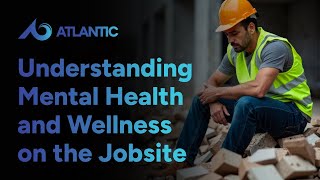
This YouTube presentation introduces mental health as emotional, psychological, and social well‑being and links it directly to safety and performance on construction sites. The speaker emphasizes that a culture of toughness in construction suppresses discussion of mental-health struggles, urges proactive support and open conversations, and frames mental-wellness programs as safety and performance interventions. The chunk closes by promising a deeper look at specific challenges and myth-busting.
Chapters
Mental health is basically talking about your emotional, psychological and social well being. It affects how you handle stress, relate to others and make decisions. Think of it like if you're physically exhausted or in pain, your focus slips, you're more likely to make a mistake. And on a construction site, a small mistake can have huge consequences. The same goes for your mental health. If you're distracted by stress, anxiety or personal problems, you're not fully present on the job. That's not just a risk to you, it's a risk to everyone on the crew. Now, in our line of work, we pride ourselves on being tough and resilient. We work through injuries, bad weather and grueling days. This culture of physical endurance is essential, but it can also make it incredibly difficult to talk about mental health struggles. There's a fear of being seen as weak or incapable of handling the pressure. This silence is a major problem. Surveys show that the vast majority of construction workers have experienced mental health issues. So even if we're not talking about it, we admit it on paper. I say we start admitting some things and get it all out in the open so that we can get the support that we need instead of keeping it all bottled up inside. But look, promoting a workplace that values mental health isn't just about feelings. It's about performance and safety. When we create an environment where it's okay to not be okay, we build stronger, more connected teams. Now, a key here is to be proactive. We don't wait for our fall protection equipment to fail before we inspect it. At least you better not. So why wait for a crisis before we address our mental well being? By supporting each other early on, we can reduce stress, build resilience, and create a job site where everyone feels safe, supported and focused. Alright, now that we've covered the basics, let's go ahead and get into the specific challenges that we face in construction and bust some of the myths that hold us back.