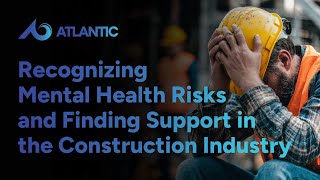
This content was created by Anthony LaFazia. This content was uploaded by Anthony LaFazia. This is a YouTube video titled "Recognizing Mental Health Risks and Finding Support in the Construction Industry" created on December 8, 2025. It discusses the mental health challenges faced by workers in the construction industry, including stress, anxiety, burnout, and the use of prescription drugs for pain management. The video emphasizes the importance of addressing these issues openly and creating a supportive work environment.
Chapters
If you've noticed that you or your co workers are dealing with stress, anxiety or burnout, you're not imagining things. The construction industry's got a unique set of pressures that can take a toll on anyone. The work's physically demanding, which can lead to chronic pain and injuries. To keep working, provide for ourselves and our families, many of us turn to drugs. I'm talking legal ones, mostly the kind your doc prescribes, like opioids. This is for pain management. Huge problem is this can lead to dependency and other mental health issues like depression and anxiety. Now there's no shame in taking prescription meds, but those pills come with a whole lot of responsibilities and some potential downsides. So you need to keep your doctor and, heck, even your pharmacist up to date on how you're doing. And if you have a question or want to explore other options to control your pain, ask them. Most medical professionals are keenly aware that opioids aren't a long term solution. But you've got to advocate for yourself. Now listen, I know you don't want to think about this right now while you're employed by someone who cares enough about your safety to invest in you by paying for access to training like this one. But our work is often project based, which means a lack of job stability. The constant cycle of finding the next gig, adjusting to new teams and dealing with seasonal laws creates enormous financial and emotional strain. Add to that long hours, tight deadlines and unrealistic expectations, and you have a perfect storm for burnout. These pressures don't just stay at the job site. They follow us home like contaminated clothing, affecting our families and personal lives. This brings us to the biggest pitfall, the stigma of the thing. The fear of being judged or losing your job prevents a bunch of us from speaking up. This creates a culture of silence where people suffer alone. We've got to break this down openly. Talking about mental health and educating ourselves and our crews can create a job site where everyone feels comfortable asking for help. It's about recognizing that mental health is health, period. That might not mean so much when you use tape for band aids, but it's time to take this seriously. So how do we start tackling these issues then? Well, first we have to acknowledge them. We need to identify the specific stressors on our job sites, whether it's an excessive workload, poor work life balance, or a lack of support. And I'm not talking underwear. Some issues, like severe depression or anxiety, require professional help. But by proactively addressing the workplace factors, we can control we build a foundation of support. This might mean improving access to resources through the company or union, if you got one, ensuring our health benefits cover mental health services, and training supervisors to recognize the warning signs of someone in distress. By confronting these challenges head on, we can create a workplace that doesn't just lay paving and frame out buildings, but also builds up its people.