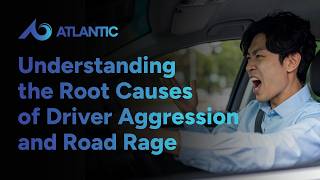
In this educational segment, Anthony LaFazia outlines the multifaceted psychological and situational drivers behind aggressive driving, emphasizing that no single cause explains the behavior. He identifies five primary contributors: (1) traffic delays and congestion, which generate frustration and a sense of powerlessness; (2) schedule pressure and the feeling of being late, prompting risk‑taking to save time; (3) the anonymity and perceived power of being inside a vehicle, which lowers social restraints; (4) a cultural environment that tolerates or even celebrates aggressive maneuvers; and (5) personal traits such as low frustration tolerance, habitual rule‑breaking, and a disregard for others. He references the Federal Motor Carrier Safety Administration (FMCSA) to support the link between stress, congestion, and risky driving. After detailing these causes and typical aggressive behaviors (tailgating, rapid lane changes, failure to signal, etc.), LaFazia signals a transition to practical strategies for safely responding to aggressive drivers, though the specific tactics are not enumerated in this excerpt.
Chapters
Anthony LaFazia. So to improve your driving and keep yourself safe from others, it's really helpful to consider why people drive aggressively. So there isn't really a single definitive explanation per se, but studies have identified a number of contributing factors. One of the most often cited triggers is traffic delays. Totally understandable, especially the long ones that can test even the most patient drivers. People often feel frustrated and really powerless, which can lead them to follow other cars too closely, change lanes frequently, or just get angry at anyone who's in their way. Some lose patience just waiting for traffic lights to to change or for a parking space to open up. According to the Federal Motor Carrier Safety Administration, the FMCSA, factors like schedule pressure, congestion, and stress increase risk-taking behind the wheel. Running late's another common reason, whether the driver is actually late or they just feel harried by being overtaxed. Speeding and cutting corners are aggressive methods to shave off time and get to a destination more quickly. Anonymity is really another possible cause. Being in a car insulates people from others, giving them the freedom to behave in ways that just wouldn't be acceptable in everyday life. People are more likely to break the rules and be pretty inconsiderate. After all, you can be rude in your car, but not when you're out and among others. Plus, There's actually also a sense of power behind the wheel that can make people feel they can do anything. We also live in a culture that kind of tolerates aggressive behavior. Some people see this type of behavior as a positive, especially when getting an edge over other drivers. Others, well, they laugh when they're hearing about someone who makes great time or pressures slow drivers to get moving or get out of the way. Then there are, of course, the personal factors. People who are just easily frustrated or angered, they are more prone to aggression, which makes complete sense, as are those with a lower regard for laws or other people. You know who I'm talking about. Some of the worst offenders drive this way out of pure habit. Think about the leadfoots or the tailgaters that you know, or those who drive all over the place without ever using a turn signal. Okay, now that we've exposed the culprits and we've examined their individual M.O.s, let's look at the best ways that you can respond to them.