Safety Gear and Chemical Defense: Using PPE with Hypochlorite Disinfectants
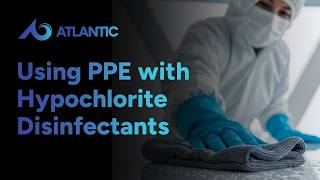
In this instructional video, the presenter outlines comprehensive personal protective equipment (PPE) requirements for safely handling hypochlorite solutions. The guidance emphasizes that PPE selection must consider solution concentration, task duration, and the potential for splashing or vapor generation. Respiratory protection is discussed first: dilute solutions with adequate ventilation generally do not require respirators, but any presence of chlorine odor, concentrated solutions, or oxygen‑deficient atmospheres mandates the use of air‑purifying respirators with acid‑gas cartridges (yellow, up to 10 ppm) or supplied‑air/self‑contained breathing apparatus for higher risks. The speaker stresses OSHA compliance (29 CFR 1910.134), including medical evaluations, fit testing, annual re‑testing, and seal checks, noting that facial hair compromises the seal. Eye protection is presented as non‑negotiable: chemical splash goggles (indirectly vented) are the minimum, with face shields added for high‑splash tasks, and contact lenses are prohibited. For skin protection, glove material and thickness are matched to concentration: nitrile for <10 % solutions, neoprene or PVC for higher concentrations, with a minimum 15 mm thickness for prolonged contact. Immediate glove replacement after exposure and hand washing are required. Clothing protection ranges from splash aprons for dilute work to full chemical suits (PVC, neoprene, or specialized fabrics) for concentrates, spills, or overhead hazards; cotton and absorbent fabrics are forbidden. Foot protection calls for chemical‑resistant boots or covers to prevent burns from puddles. Finally, the presenter outlines PPE inspection and maintenance: pre‑use checks for tears, holes, degradation, and discoloration; glove leak tests by inflation; thorough rinsing with water after each use; storage away from chemicals and sunlight; and documentation of inspections and replacements. The overarching message is that PPE only protects when it is correctly selected, properly worn, consistently used, and regularly inspected.
Chapters
More from Anthony



The Personal Devices and Apps That Are Strictly Off Limits for Federal Contractors





