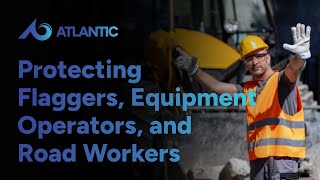
This video provides practical safety guidance for work zones, focusing on protecting flaggers, equipment operators, and workers on foot. It emphasizes training/certification, use of designated signals, awareness of blind spots and routes, appropriate PPE (Class 1/2/3 vests, hard hats), placement and replacement of traffic control devices, use of protective structures, and specific precautions when moving devices or working from vehicles. The next section will address more specific hazards.
Chapters
It should go without saying that the first item on our list of ways to keep workers safe is to make sure they know the rules and the roadmap they'll be working with. Flaggers should be trained or certified and should use designated signaling methods for their project. Workers on foot and equipment operators should know the routes construction vehicles will use. Equipment operators and signal people should know what hand signals to use to communicate. Operators and workers on foot should know the visibility limits and the blind spots for each vehicle. Flaggers are among the least safe in work zones because they're typically the first workers motorists encounter. They're at risk when traffic is moving fast, motorists are angry or temporary traffic control inadequate. If you're a flagger, wear a hard hat, long sleeves, pants and clothing suitable for the weather in addition to the high visibility. Personal protective equipment provided. Stand on the shoulder, in clear view and never in the open traffic lane and have an emergency escape route in mind. Stay focused and make sure your hand signals align with traffic signals. Avoid aggressive drivers by being respectful. If you're an equipment operator, you're required to take the same safety measures as for any construction site, such as inspecting equipment, knowing how to use it responsibly and safely, and securing it when not in use. You should also know the work zone, your position in it, and the overall work plan, including your designated routes and areas. Keep your eyes open for rollover hazards, and if you must move any cones or barricades, make sure you replace them as soon as possible. If you're working on foot, you must be alert at all times to avoid being rolled or backed over by moving vehicles and equipment. Check your surroundings, listen for warnings, keep your distance from traffic and stay behind barriers as much as possible. Make sure to use the PPE provided, including headgear and high visibility clothing labeled Class 1, 2 or 3. If there's a danger of falling logs, limbs or equipment parts, the work zone should include protective structures. Follow the same safety practices as for any construction site, such as communicating with operators, staying out of blind spots, and keeping clear of moving equipment as well as tools and materials to avoid injury. Stay clear of lifting areas and use safe methods for rigging and setting steel plates, barriers and manhole covers. And if you ever need to place or move a temporary TCD traffic control device, you must wear a Class 3 vest to ensure you can be easily seen. You should only complete this task during light traffic flow. Stay in contact with the driver and if you can work from the platform of the vehicle, make sure to use any safety devices provided such as seat belts, fall restraints and guardrails, and use a shadow vehicle to warn motorists. Treat this as a moving work zone by employing warning devices such as arrow panels, message boards, flashing vehicle lights, and truck trailer mounted attenuators. Now that you've gathered the knowledge you need to keep workers safe, it's time to grab your new tools and level up. You'll be entering a new realm where we explore some more specific hazards you might encounter.