AI is NOT Human - Why We Project Agency Onto Tech #shorts #podcast #AI #governance
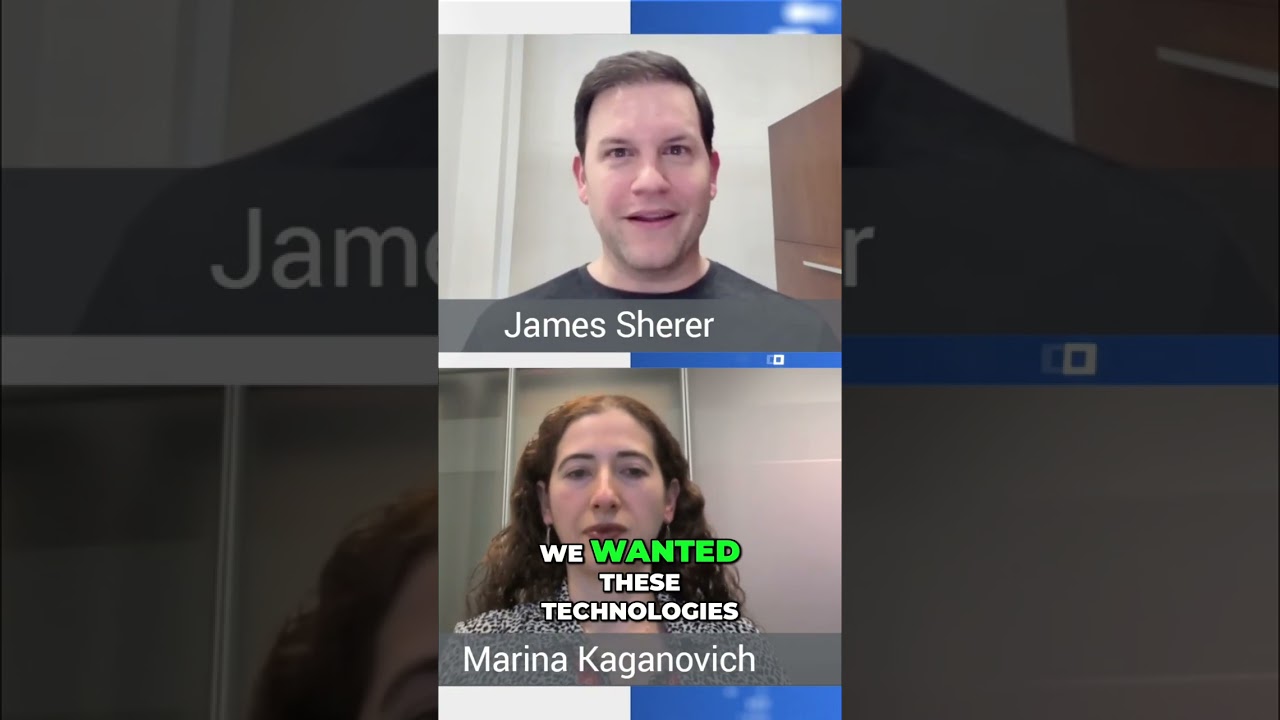
We treat AI like it thinks, but it's just probability. Skeuomorphism makes designers give tech human traits on purpose, so we interact with it like it reasons. Understanding how AI actually works matters as much as the social context around it.
Chapters
More from Anton

EP286 Building an AI-pilled, solo vibe-coded, Clickhouse-based SIEM with Dan Lussier

EP284 Closest Alligator to the Canoe: How Transforming SOC Became P0 for Lloyds Bank

EP282: Debating Coupled or Decoupled SIEM with Alex Hurtado and Christopher Witter

Native vs Third Party Cloud Security Which is REALLY Better #shorts #podcast #CloudSecurity
The Future of Multi Cloud Is Working WITH Each Provider? #shorts #podcast #CloudSecurity

AI Accelerates, Humans Ensure Enforcement Accuracy! #shorts #podcast #cybersecurity #CloudSecurity
Unlock Agentic #SOC Success - Start Right for Sustainable Wins! #shorts #podcast #cybersecurity #AI

AI's Code Revolution - Secure Production & Faster Response! #shorts #podcast #cybersecurity #AI #SOC