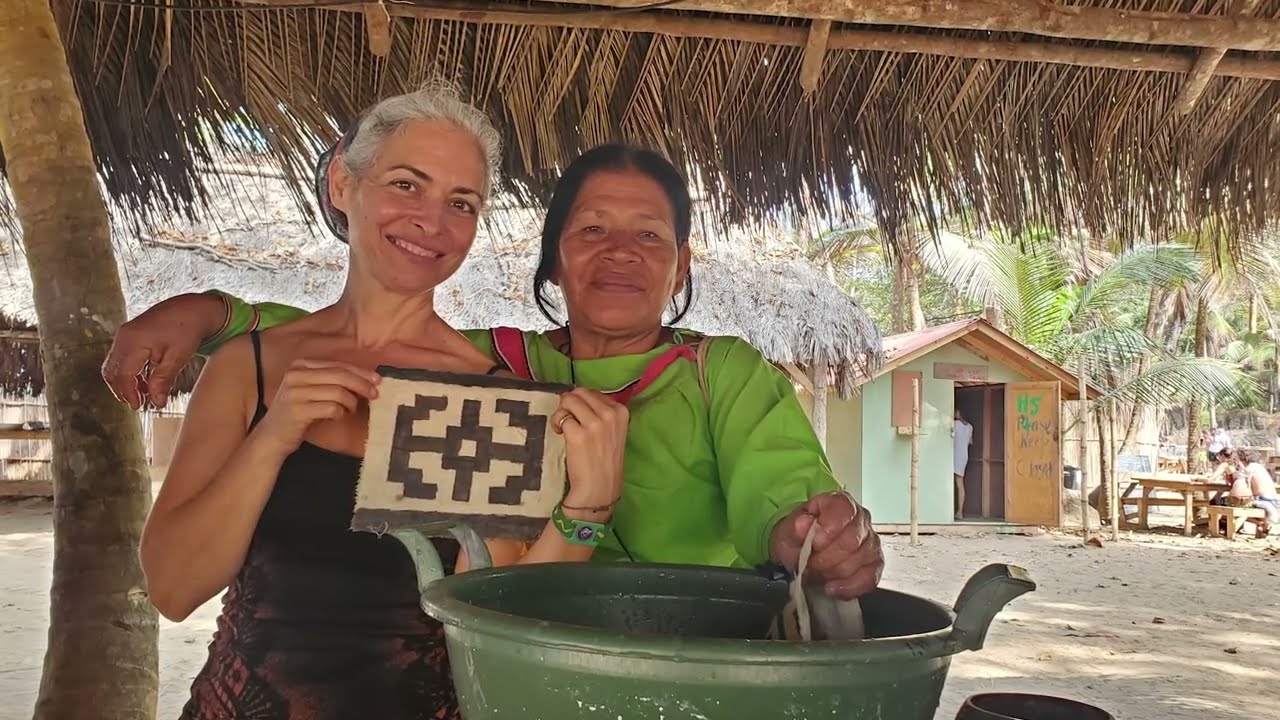
Volunteers collect plastic from beaches, grind it into granules, then use an injection molder to turn it into doorknobs, piranha clips, and plates. The same process creates decorative art through the Plastic Paradiso initiative, showing how beach waste becomes useful items.
Chapters
So you go on the beach and you collect all of the plastic that you can find.
Yeah.
And then you grind it up in this grinder over here and you get these little pieces.
Yep.
Then you take those pieces and you put it into— what is this machine?
It's called an injection molder.
Injection molder, and it actually melts it in this tube, and then you push it through the bottom and you put a mold down there.
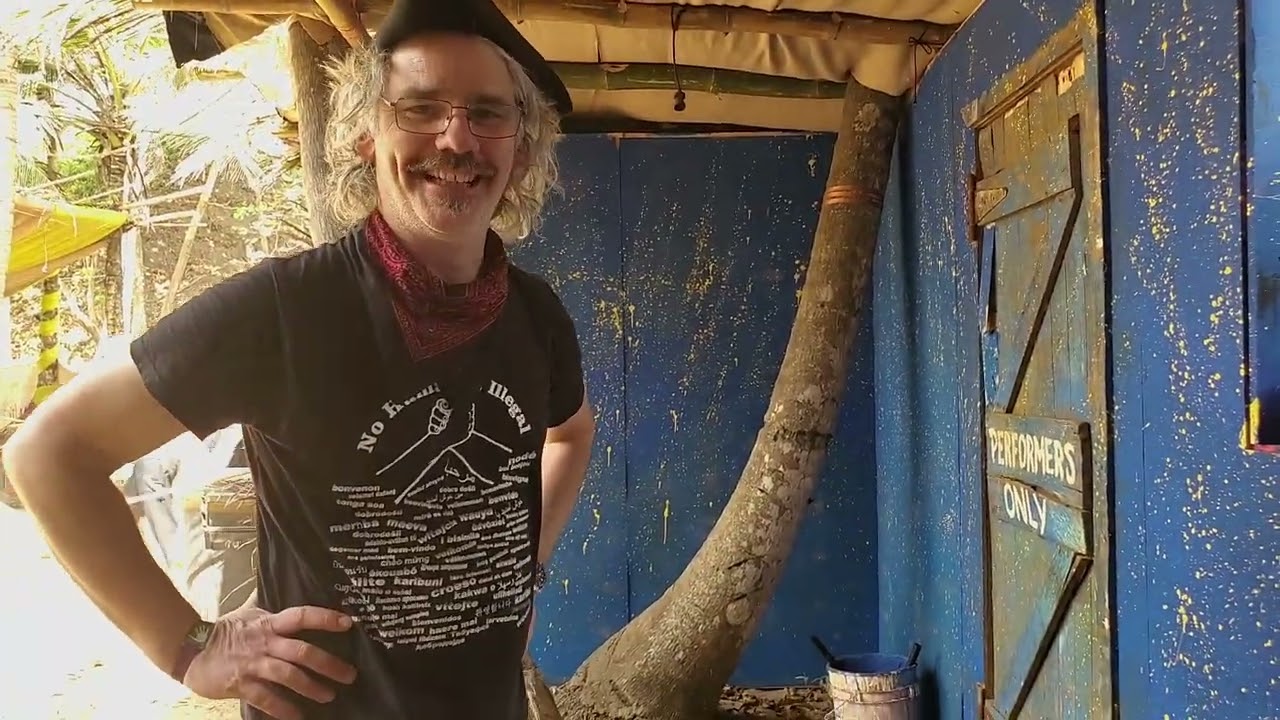
The mold on the bottom, yeah. So one like this, this is for making doorknobs.
Doorknobs?
Yeah, these.
Ah, so that's recycled plastic doorknobs. Yeah. Oh, all of our doorknobs should be recycled plastic.
And we're gonna, we're gonna put these on the toilets, uh, here.
These are clothespins.
Yeah, clothespins. They're called piranha clips because they look like piranhas.
And then that's how you make a plate, but the plates are difficult.
Yeah.
Paul, thank you so much for showing me, uh, how all the garbage is getting turned into beautiful items. Precious plastic. Precious plastic. Yes, precious plastic. And besides melting the plastic to make knobs and pins, it's also used to create beautiful works of art. as part of the Plastic Paradiso project.
I tippy-toed along the crashing logs to the very end of the beach to collect my prize. But what the fuck is it?