
Solve any SAT problem using studyshare.app #sat #techtok #digitalsat #highschool #desmos

A walkthrough of a digital SAT physics problem where an object starts at 12 m/s. The presenter uses Desmos to find when two lines are parallel, determining the constant is 5, and shows how studyshare.app helps you solve problems like this.
Chapters
More from Austin

I won $1,000 from Reklaimyou.com @reklaimyours #reklaimyou #fyp #survey #earnmoneyonline

If you want a 1600 on your SAT tryIN Study Share! #sat #satprep #1600 #studysharejay #sat #act

Go to Studyshare.app to boost your SAT score #sat #collegepreparation #test #digitalsat

Visit Studyshare.app for the March SAT crash course🔥 #sat #highschool #digitalsat #marchsat

Visit Studyshare.app to boost your SAT score‼️ #sat #digitalsat #collegeentranceexam #highschool
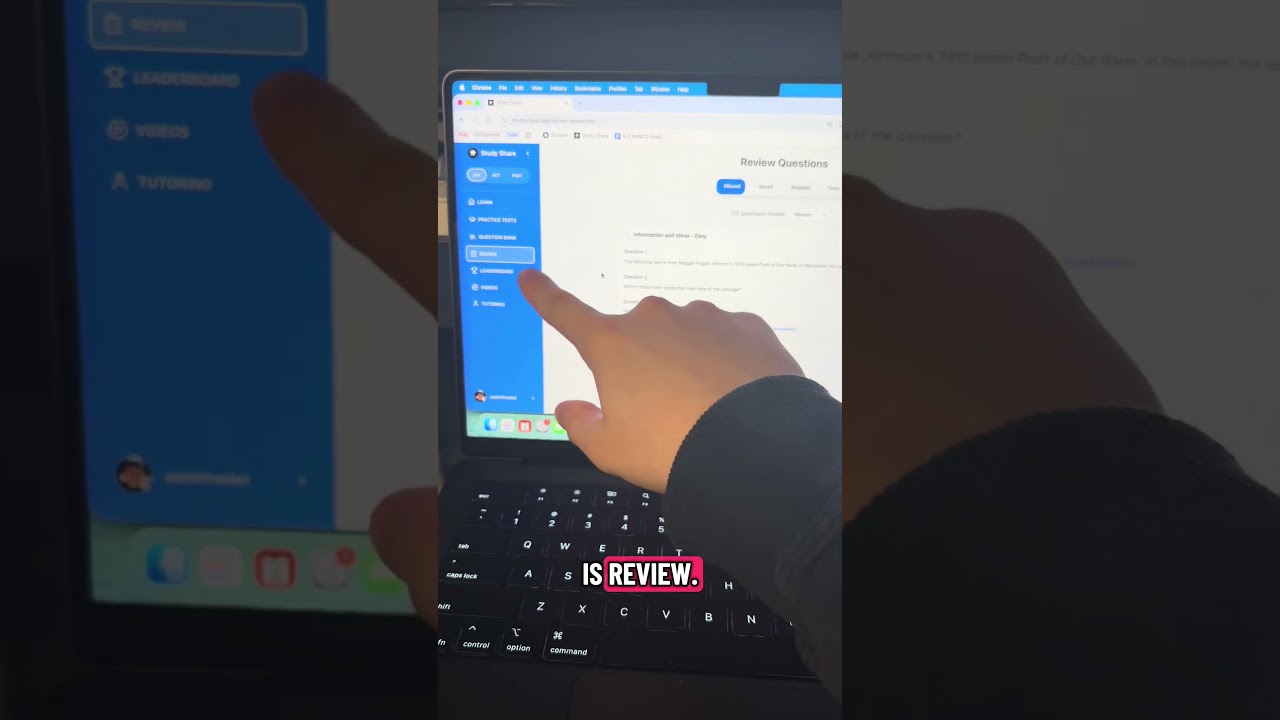
Go to Studyshare.app before it’s too late… #sat #test #studytok #student #highschool #testprep #_act



This is why your SAT score is not improving… visit studyshare.app to master the SAT #DigitalSAT