In this interview, a clinician (Speaker A) introduces a condition he terms Extraction Retraction Regret Syndrome (ERS), describing it as a set of aesthetic, functional, and emotional symptoms caused by orthodontic retraction after tooth extractions. He presents the case of Tamara, an engineer with computer‑science degrees, who had two upper bicuspid teeth extracted and the spaces closed by retraction. The retraction trapped her lower jaw, leading to chronic muscle pain, migraines, and, after a car accident, a bedridden state lasting months. The clinician reopened the extraction spaces and moved her upper front teeth forward, restoring tongue space and airway. Tamara reports rapid relief, regaining mobility, and a dramatic improvement in quality of life. The clinician emphasizes that such outcomes are common when the jaw is freed, and he advocates for the orthodontic profession to abandon routine retraction, viewing ERS resolution as a broader mission.
Chapters
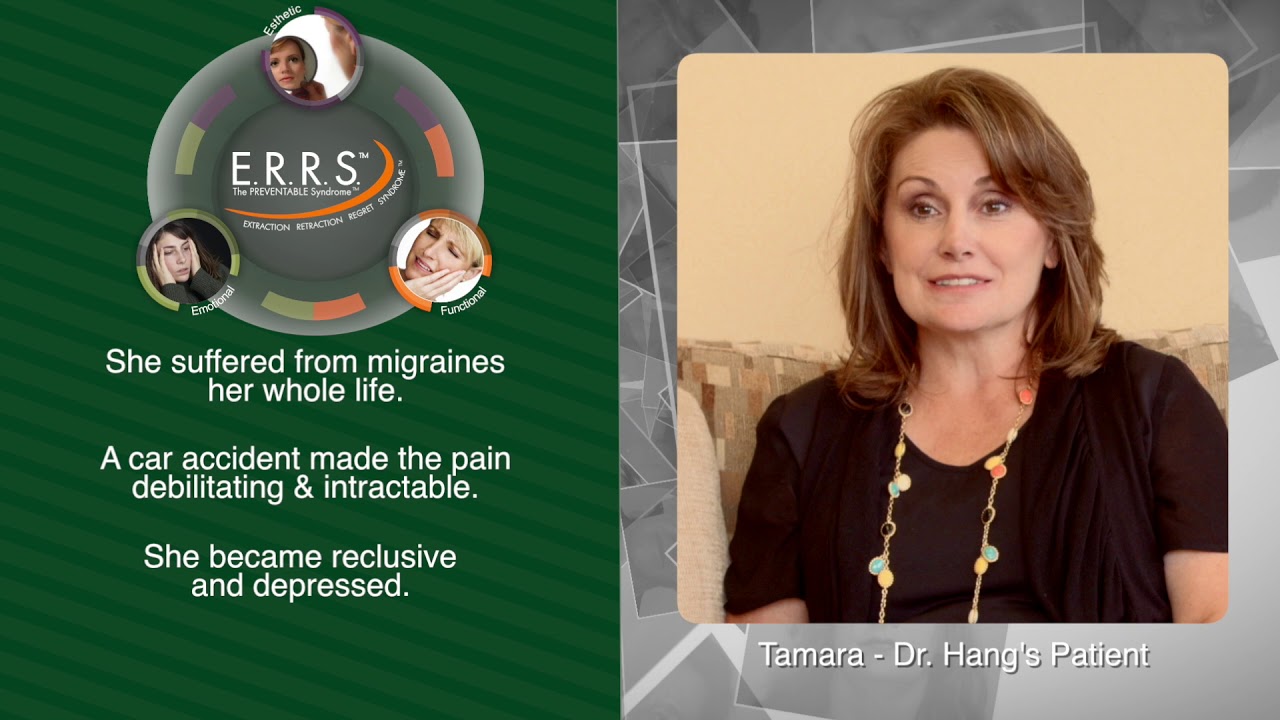
After reopening extraction spaces for nearly 30 years, I identified a syndrome which I call Extraction Retraction Regret Syndrome. I define it as a constellation of aesthetic, functional, and emotional signs and symptoms brought on by orthodontic retraction, all of which is preventable because frankly, retraction is a choice. It's preventable.
My degrees are in computer science. I've done a lot of engineering, so going out to me, it was just Simple logic that, you know, we took 2 teeth out here, so when this comes back, this is gonna pull your jaw back. And, you know, no wonder these muscles are tight all the time.
Tamara is actually a classic case of extraction-retraction regret syndrome. She had 2 upper bicuspid teeth removed. She had the spaces closed by retraction, which essentially trapped the lower jaw. This wreaks havoc on the masseter and anterior temporalis muscles and Predictably, almost all the muscles of her face and neck were on fire when we examined her. She had the symptom pattern begin immediately after her treatment was completed, and she lived for years with the symptom pattern thinking that it was, you know, what she had to do. The straw that broke the camel's back for her was really her car accident and put her over the edge, and she became bedridden. And at that point, she had to seek treatment because her quality of life was so poor.
You know, I've always had migraines a little bit. So, you know, a few times a year I get a good one and lots of pain pills. But I was in a car accident 2 years ago, Mother's Day, and that just sent me for a loop. I had about 7 months where I just, I didn't get out of bed. I took every pain pill I had in the house that I'd collected over years. When you're in pain constantly, you almost, you almost become a recluse. It's too much effort to talk to anybody. It's too much effort to get out of bed. You know, I thought it was gonna be horrible, and to be honest, when he first— the first appliance, and you're gonna screw it down every 2 days, and I thought, yeah, right. 'Cause let's be real, if I'm out to dinner with clients or I'm, you know, social functions, I'm not gonna wear that. I'll tell you what, you get into that much pain, Nothing, nothing is as bad as what you're going through. So it, it really wasn't bad. The appliance and the moving the teeth out, it was so much easier than I thought it would be.
In Tamara's case, we got resolution of symptoms rather quickly. We never promise anybody resolution of any symptom pattern, but when we move the upper front teeth forward and free the lower jaw up, I usually expect the patient to walk in with a smile on their face and give me a nice hug, thanking me for either eliminating or dramatically reducing their symptom pattern, it's always a good idea to give patients back their tongue space and airway, and we see nice resolution of symptoms when we do that.
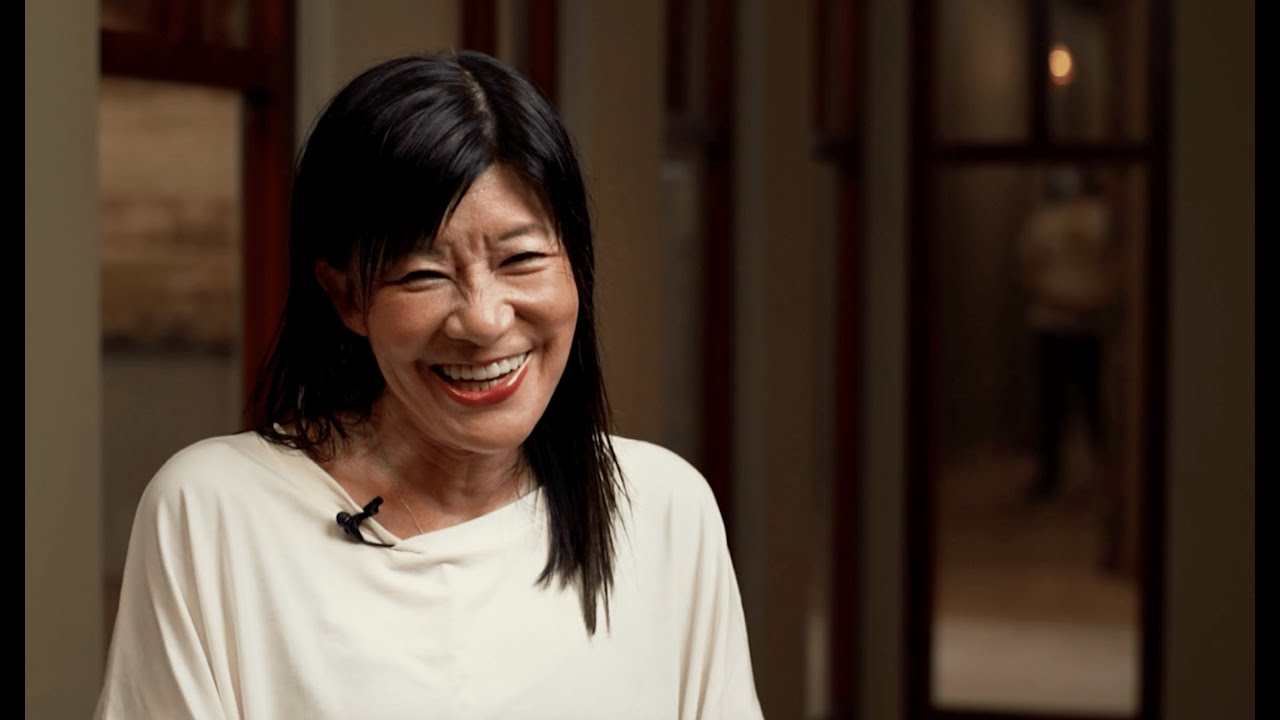
Your life, it's not worth— well, I guess all of my minutes were in bed, so what were— what was a day or so here? And the financial aspects, you know what, if you can't live, What good is it? So it's the money, the time, it's nothing to get your life back.
It's very gratifying for me to be able to help somebody like Tamara eliminate their symptoms. But the real victory here will come when I don't get emails from people all over the world, and I don't have to have people travel from other countries to see me for me to resolve their symptom pattern and reverse their ERS. It'll be a great day when the orthodontic profession stops retracting completely. I know I'll have accomplished my mission.