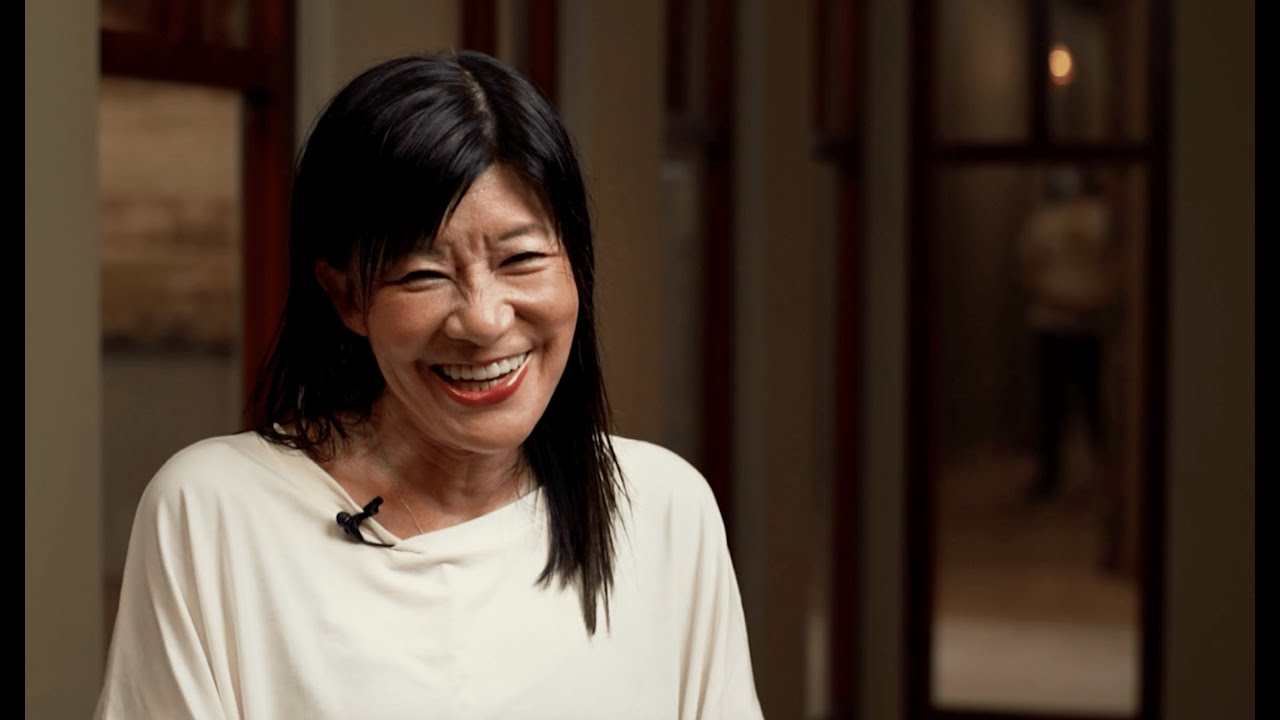
In this first‑person testimonial, a teenager recounts years of debilitating headaches and related physical limitations that affected school attendance, athletic ability, social interactions, and self‑confidence. The speaker describes how chronic pain made them feel selfish, grouchy, and isolated, leading to missed opportunities such as a choir solo and difficulty forming friendships. They reflect on the emotional toll, including anxiety about future appearance and career prospects if the pain persisted. The narrative shifts to gratitude for their parents’ six‑month battle with insurance companies to secure approval for orthognathic surgery performed by Dr. Hang. Post‑surgery, the teen describes newfound physical stamina—running longer distances, completing marathons—and the profound sense of relief and empowerment that accompanies the ability to pursue activities previously impossible. The testimonial concludes with a hopeful outlook, emphasizing how overcoming the pain reshaped their identity and future aspirations.
Chapters
I mean, when you're in pain, first of all, you can think about it as yourself because you're the one in pain. So that can make you selfish and grouchy and maybe, um, All of the focus is on you, so you're not able to, you know, maybe help the people you want to help because you just, you're not physically able to. It'd be horrible. I mean, you wouldn't have— it'd be hard to find, you know, someone you want to spend the rest of your life with. It'd be hard to find best friends because, I mean, what friend wants another friend that's grouchy all the time? You know, who wants to be around someone that all they talk about is how much pain they're in or how their head hurts? You know, no one wants to be around someone like that all the time. And it changes your personality. Actually, I was pretty confident when I was 13, but I had problems physically with like headaches and stuff. I didn't— I was always sick. But my outward appearance, I didn't really see that big of a problem. I always just thought it was just a normal way to be. You know, kids miss school. I just missed a little bit more school. I would always— we were— it was a routine. My parents were used to going to pick up my homework, and I would always do my homework at home, and I'd miss at least probably One day a week, which is pretty significant when you're talking about a full year of school. It was really hard because I didn't really know why I was in pain because I'd had headaches for such a long time that it wasn't even really like it was a headache. It was just more like I just didn't feel good. Yeah, I would be tired and I'd be really out of breath. You know, when a 13-year-old runs, they're usually able to run for a significant amount of time. especially if they're active. But I would run and I'd feel like I could keep going, but I couldn't catch my breath. You know, I'm not in shape. What's wrong with me? Like, all my friends can do this. Why can't I run this far? It must be because I'm not in shape. I need to try harder. I remember that there was a school performance and I had a solo in It was like a choir thing, and I wasn't able to go because I was sick again. And so, you know, for a 13-year-old, that's like life or death. I get a solo and I can't do it. So for a 13-year-old, I guess that would be imprisonment because you can't go where you want to go. I'm thinking that it was a big deal just because now I, you know, I think I've had strep throat once since I've had my my surgery, so it's not normal. And I'm just thinking that I'm really glad that my parents found out about Dr. Hang and the procedure because no, nobody should go through feeling like they're inadequate. When I have time to just run, I could probably run for 5, 6 miles. You always want to stop at 1, but you always think, I can go another half a mile, and think, oh, it would be that cool if I ran 2. So you just take it one step at a time and think, oh, I feel so good. Let's— or I feel like I'm dying, but it feels so good to run just a little bit more. That would be incredible. It would be enormous. Wow. Just because it was something that I wouldn't have been able to do. So it's not only— I've been to finishing a marathon and seeing the looks on people's faces as I pass, and it's just such a relief also because you've been training for how many, you know, 3 or 4 months constantly. And when you finally reach that point, that breaking point, then it's such a relief when it's over and the triumph that you feel when you've completed it. Well, I've never been— I've never been a runner, and so being able to do that would fulfill, like, a big— being able to do that would fulfill Doubts that I'd had about myself, that I couldn't, wasn't able to do it. Being courageous for me was before the surgery, after I'd been told and realized that I had all these physical constraints that were pushing me back from what I could be. It was just looking back and thinking that, well, yes, I did have all these physical constraints, but I was still happy with who I am. And I look back at my childhood, and it was painful, but I wouldn't change a thing because it made me who I am today. I mean, I've asked them, like, how do you get when you have a headache? I mean, you don't want to do anything. You don't want to talk to anybody. You usually just want to sit in your room or try to dull it out by watching TV or a movie or listening to music. And in 10 years, I mean, you're not still going to want— in 10 years, with the increasing amount of pain, then are you going to want to just sit on the TV or try to numb the pain? You're going to want to be going out and to have a career and to have friends, and you want to be able to go out with friends. And so this pain that you're feeling now will just keep increasing as you progress in life. And your personality and your feelings will come out in the pain. And so you don't want people, when they look at you, to think that, oh, that girl's in pain, she's not happy with how she is. And 20 years, I mean, your face is going to completely change. Do you want your chin to drop? Do you want to continue having headaches? I mean, these aren't fun things, so you really have to look to the future. Say, if I progress, if I keep progressing without changing anything, how will it look? And will I be happy with how that looks? Because you don't only have to think about how you look now, but how are you going to look in 20 years when— You know, you, you know, a 13-year-old, you might be dating or, you know, having job interviews, and you want to look your best and to be at your best potential. And so how is— if you progress along these lines now with no change, are you going to be satisfied? My mom spent 6 months of her life on the phone with insurance companies trying to get my surgery approved so that they would pay for it. And at that time, I was 13, I didn't really understand what that was about. But now that I'm older and I can look back on it, that was a huge deal, and that must have been very trying. And, you know, for not knowing— for knowing enough about the surgery but not, you know, it hadn't been around for that long. I mean, it didn't have that many examples, and we were seeing a doctor that was We'd never met before. It had, you know, it was a lot for her to do for me. And I'm really grateful for that. And both of my parents just worked so hard to try to get me to where I am today, which I couldn't have done without the surgery, so.