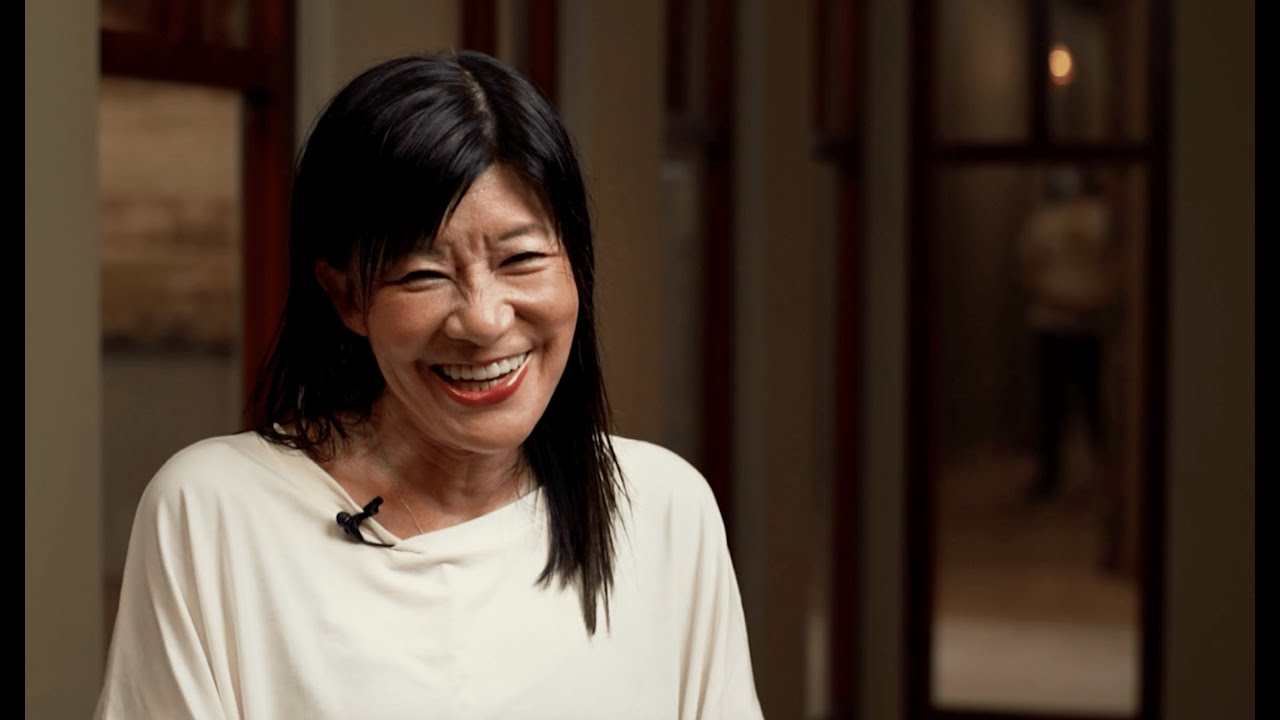
In this first‑person testimonial, the patient recounts a lifelong struggle with facial growth abnormalities, chronic breathing difficulties, and repeated orthodontic interventions that never resolved her issues. After three separate orthodontic courses and ongoing TMJ pain, she consulted Dr. Bill Hang, who referred her to Dr. Wolford at Baylor for a comprehensive evaluation. The evaluation revealed severe TMJ joint degeneration and obstructive sleep apnea. She elected to undergo an extensive 9.5‑hour surgery that included bilateral TMJ joint replacements (akin to hip replacements) and extensive maxillofacial work to correct the bite and reverse prior orthodontic alterations. Three months post‑op, she remains on a pureed diet, experiences fatigue, but reports marked improvements: better airway patency, reduced sinus infections, elimination of chronic headaches, and enhanced sleep quality. She praises Dr. Hang’s technical expertise, the supportive care team, and the diligent follow‑up. The patient urges early assessment for younger individuals, highlights the value of preventive orthodontic appliances, and encourages others to seek a free consult to avoid years of ineffective treatment.
Chapters
You know, Debbie, Dr. Hang's wife, at the consult, sort of after Bill went to go see another patient, asked me, she said, how do you do it? How do I do what? And I said, do what? And she says, well, how do you live like you're living? I said, well, Debbie, I don't think I knew any different. I think I've always had this problem. And I went back and looked at photos when I was a little girl. And probably about in grade school, at some point, you can see my face begins to not mature quite— From here up, everything looks about the same. But from here down, everything just does not mature and go along. So you can see some significant differences. And it was in junior high that I noticed that I needed the braces. So I've been in treatment 3 times. I used to be a runner, but I would never run long distances because I just couldn't breathe the kind of rhythmic breathing, and I wouldn't get enough air. And Dr. Hang's a runner, so we've talked about this. I sprinted. Because I could practically hold my breath and run as fast as everybody else. And so, and I swam backstroke instead of some other stroke. So when we go back, and none of my cousins would, would sleep with me because I would thrash. It's almost like you were a constant in, you know, in some sort of war zone and somebody was going to keep you awake forever. You know how they talk about, well, we're going to do these interrogation tactics, that's how you feel all the time. You're foggy, you're not as sharp. You know, you know, you know yourself, but either you have the knowledge or you have— you should have the energy. I mean, you can look at your own tree, your own hereditary— your heredity, and tell that I should be out running and jogging and doing it. I can barely go to work. And all my work is head work, you know, since I'm a CEO. I'm not out pushing and working hard work. I used to envy people that, you know, would wake up and have some energy. I'd wake up as tired, even more tired than when I went to sleep, probably because of all the moving and writhing and trying. And there's a way that Dr. Hang could also tell that I needed the surgery. By the way, I would hold my head, and that's what would cause some of the neck pain, is you would hold your head to open your airway. There's certain of us that have it that you— even the patients, we begin to look at people, you know, and you can kind of tell when you notice that other people probably have some problems. He says, no, I want you to see Dr. Wolford at Baylor University. And I'm thinking, you're kidding. I said, there's nobody else? Well, I think there's one other person in the country that, since you've already had treatment, there may be— your case may be a little complicated or different, you know, when they get in there. And that's in New Hampshire. I thought, well, Texas is, you know— I said, but no, really, what do you suggest? And he said, I suggest you see Dr. Wolford and explained the treatment to me. And I went back before starting the braces, had to really figure out whether or not we were going to go the surgery route because the braces, for me, wasn't going to cure or help everything that was wrong. So we went back and met Dr. Wolford and his team, and then he showed me the results of people like myself. Whether they're younger or older, male or female, and convinced us that a lot of the issues that I had that I really didn't even know were part of— I have TMJ joint problems. And so we signed up and decided to get going on it. And so then we started with the braces, and then I had surgery 3 months ago. Yeah, so I have brand new joints on both sides, bilateral TM joint replacements, or like hip joint replacement. And then with that, there was a huge amount of upper and lower jaw— I don't know the technical word for it, but work that they had to do to get the bite, and probably to undo some of what had been done in the earlier treatment. Sleep apnea, I had it so bad that I would get up and go to drive 5 minutes to work and feel like I was going to fall asleep just in that short drive. So that's going to be a tremendous boost once I'm over the recovery of the surgery. My particular surgery was 9.5 hours. So I'm told it'll take me a while to get through that recovery period, and I still am on a pureed diet. I'm not chewing, so my diet doesn't help with the stamina. But my hope is once I'm able to eat and kind of get back to what is more like a normal life, that I will not have the associated pain. I have not had a headache like I usually would have. Since I've been back. So that's 3 months. I can breathe better. I used to have sinus, chronic sinus infections. I've already noticed that I'm not— can't predict I won't get one, but that my airway is better, both through my mouth and through my nose. And so I hope my quality of life Is just going to be better. Bill's aggressive and very capable, you know, brilliant. And then the technicians are— watch over you. You know, when I came back, I think I had too high of expectations for myself. I didn't understand what fatigue was the way they were describing it. And so a couple— and Bill was following me every week to make sure that I didn't get infection or something slip or something, you know, go wrong. And he's much more the technical. He's looking at my mouth and he's all proud of the way it looks. And they can tell I've got that sort of like, is this the way it's going to be and how long is this going to last? And so a couple of times they spent a little bit of time walking me out And even as vain as talking about, how's your skin feeling? How's your face feel? I said, it feels like a leather alligator. That's the anesthesia. And when you were under, they scrubbed your face and they did this, and you were under these bright lights, and you're going to feel like that. So don't think like something's wrong if you get a patch here or a patch there that's really different than when before you left. And then I've been losing weight, which they can tell more than I can, really. And so we do a lot of comparison, but they keep reminding me, you know, make sure you get enough protein, take liquid vitamins. So they're a team. I had a colleague whose daughter, I think, after getting more aware, Being one of those patients that kind of looks and sees people, I actually advised her to have her daughter checked because they were talking about how she sleeps and some of her headaches, and she's only, I think, an 8th grader. And that's when you really could tell with me that things had not matured the way they needed to or that there was something wrong in retrospect. And so I said, a consult's free. All you have to do is just go find out. But if you don't know, you don't want to be— have her at 25 have to go through it. It's so much easier. Dr. Hang, when he gets young patients, he can do a lot of the preventative and some of the jaw movement with some of his appliances, which he used one or two of them on me. But he can do it without surgery. So I would tell them to get the consult, that there's nothing like being empowered with good information, and I wouldn't want anybody to have to go through multiple treatments like I've been through.