Post-Publication Presence: How to Stay Visible Without Burning Out
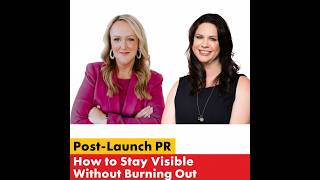
In this YouTube Live session hosted by Julie Broad, author and social media strategist Karlyn Ankrum (founder of OSnap Social) discusses how nonfiction authors can maintain a visible, effective social media presence after publishing without burning out. The conversation covers OSnap Social’s PSA framework (Pulse Check, Strategy, Advancement), the importance of deeply knowing one’s audience, consistent yet sustainable content creation, and moving beyond follower counts to metrics like non‑follower reach and platform‑specific views. Karlyn shares case studies (e.g., a sexuality professor who grew from 1,900 to 65,000 Instagram followers) and explains how to repurpose book material into carousel posts, reels, TikToks, and short‑form videos. She introduces the Expert Excellence Engine (EEE), a six‑month post‑publication program that uses AI to define ideal client profiles, build a prompt library, and generate scalable content. Practical advice on content cadence (minimum three posts per week), leveraging trends, measuring engagement, and avoiding burnout is provided. The session also includes live audience Q&A, giveaways, and discussions of AI tools (ChatGPT, NotebookLM, Author Launch Kit) and a weekly “one‑page, one‑line” content method to turn book excerpts into bite‑size posts. The host wraps up with reminders about the Nonfiction Author Lab community and prize distribution.
Chapters
Hello, everybody. Happy St. Patrick's Day. Hope everybody is doing great today. Super excited because we've got a fun guest with us. You can see we have Karlyn with us. I want to make sure I pronounce your last name right. Ankrom?
Ankrom, like anchor and rum, but I'm not a pirate.
Ankrum Rum. I love that. Okay, that's really helpful to know. So everybody, welcome to our YouTube Live today. We are very excited to have our special guest, Karlyn Ankrum, and we are going to be chatting all things social media when it comes to your book, how to stay visible, how to use your book as source material, and how to do all of this without burning out, which which frankly, I think a lot of authors really struggle with. So, yes, everybody that is in the chat, go ahead and drop where you were writing in from. I know we've had some people already. I see some of our YouTube besties. I see Bruce Wade of Oz, Kevin Hall. Hello, hello. I see Bill. I haven't had time to go through all of this, but please drop where you're coming from. And if you're doing anything fun for St. Patty's Day, besides partying here with us, you know. Um, I do have my green on today, and I did make sure that my children had green on. And my poor 4-year-old was like, what do you mean I get pinched if I don't have green on today? I was like, I don't remember why that's a tradition, but it's a thing. He was very worried. So, um, hopefully he had a good day. But, um, yeah, drop in the chat, uh, where you're writing in from, anything fun you're doing for today, um, toasting the Irish. My wife's Irish. Yay! I know we got some Irish right here. I don't know, Carlin, are you Irish at all?
I don't actually know. No, I haven't done one of those DNA things. I probably should, but I haven't. I think I'm just English, which is kind of boring.
I'm— yeah, I'm like English and Welsh, but I do have— I think it's like 16% Irish. Um, which is weird because my brother, who is, you know, my full blood brother, has no Irish, but he's all Norwegian. So I don't, I don't know why that works the way that it does, but it does. But anyway, what we have known is that you don't have to be Irish to celebrate St. Patrick's Day. So it's an all-inclusive holiday. Um, kind of like Cinco de Mayo. Um, in any case, um, let's dive into some of the things that we're going to be chatting about today. So Karlyn was one of our amazing speakers at Author Empire Workshop on March 5th and 6th, and she really shared her expertise on how to use social media in a constructive way, how to tackle it so it's not this ever-looming chore that you have to do. And so for a little bit of intro, I'm going to dive in. So Karlyn is the founder of OSnap Social. Oh Snap Social, and the creator of the Expert Excellence Engine, which is a strategic program for authors, specifically nonfiction authors. And her program helps authors turn their books from, you know, kind of expensive business cards into consistent, engaging content that's going to attract that right audience, build your authority, and then really make the book work for your business. So thank you so much for joining us this afternoon, Karlyn.
I'm excited to be here and nerd out.
Like, let's do this. Yes, we're going to nerd out a little bit here. So, you know, tell me a little bit. You run OSnap Social and tell us a little bit about what OSnap Social does.
Yes. So OSnap Social is my full-service social media agency. We've been around for the past 10 years, 8 of which I've been in it full-time for myself. We run the gamut of clients in this full-service agency. We walk everyone through our framework PSA, which is pulse check, strategy, and advancement. And with that, we pop the hood to see like what's already working, what's not working. That's kind of the audit piece. The pulse check just sounds less scary being that it's tax time audits, like, so we're just gonna call it a pulse check. And then we move into strategy. And this is where I see a lot of authors falter is like, what's the why behind the book, right? Which is what you help them cover. But then what's the why for what does success look like on social for them, right?
Yeah.
So thinking about the why, why we're writing it, but what's the bridge that like links into the business ecosystem and how does social media help amplify that piece of the puzzle? So we get really clear on that in the strategy phase. And that phase was really birthed out of working with organizations very early on in my business.
Mm-hmm.
We were just not aligned in terms of execution and what success looked like. They thought it was 10,000 followers. And I was like, that doesn't matter because if no one's visiting your website, who even cares?
Right? Yeah, exactly.
And then the advancement piece is doing the doing, rolling up our sleeves, helping you get really comfortable on camera, filming those short-form videos. And just mapping that strategy, executing it, and then measuring the analytics on the other side. And I think from an analytics perspective, that's also something that everyone's just like, as people that are word nerds, you're like, numbers, I'm allergic.
I don't want that. Right?
Yeah. That's the part that really is telling where you can understand the patterns and what's working and what's not working. To get you to that next step, always keeping your eye on the prize and understanding the why and the goals at hand. So awesome.
And so that's all things that you do within OSnap Social when working with authors.
Yes.
Ooh.
Okay.
Awesome. Well, we're gonna dive into each of these pieces, but to kick off, we like to start with a prize here. We like to reward, um, engagement and comments. And so we've already got some great ones in here. So Angela Jones, could you kindly—
hello, Angela.
Could you kindly choose a comment to award a prize? Actually, first, why don't you tell us what our prizes are today? Because I forgot that.
Yeah. And I'm going to pull up the giveaway tool, which will randomly select so we can assure you it's a non-biased choice. But what our prizes are is we have our Oh So Soft journal, we have our hashtag No Boring Books mug, we have copies of Self-Publish and Succeed. Oh, you got the old school one, that's like the vintage one, Sarah.
Yeah, we have the OG.
Yeah, like they don't— I don't think, I don't think they make that tan color anymore.
Or— all right guys, I'm false advertising over here.
Yeah, it looks similar, it's just black now with like, um, red trim. Um, we've also got copies of Self- Promote and Succeed, Self-Publish and Succeed.
I do have those.
Yes. Yeah, she has those to show off. Sarah also has like a bunch of other books behind her, which I'm sure she wouldn't mind getting rid of if she—
I have my permanent collection.
Yeah, she's got a whole big collection. And Bill, I just saw your message a few minutes ago, so I'm going to put that book aside for you because I know you're here watching.
Yeah.
So I've got a pretty good variety. Of different things. If you are outside of the US, I will send you a digital prize just because the cost for us as well as the cost for a lot of people in different countries, it charges you to receive the package, right? That's just no fun for anyone. So if you're outside the US, we will send you a digital prize. But let me go ahead and get our giveaway tool pulled up. I thought I had, um, done that, but I had pulled up the wrong link. So let me get that one sharing for everyone, and I will share screen. I'm not visibly wearing green today. I have green nail polish on my feet.
I think it counts.
That counts.
Yeah, I think it counts too. So, um, let's see. Okay, here is our giveaway tool. If you haven't yet put a comment in, this is your last few moments to do so, and it will count. So I will not win a prize. I've commented a couple times, I will not be winning a prize, as much as I would love to, except all the things already. Bruce Wayne, one of our lovely people who is here every week, you're so diligent, love it. Let me know if there's something new that you would like if you don't already have it, or if you want me to give away the prize to another person, I can gladly do that. You know, either way is fine. Um, I don't think You're commenting in there. So, okay, we'll do another prize later. I'm going to take this down and hopefully by then there will be a lot more.
Yeah, absolutely. And we have some great prizes. So Carlin has actually offered a copy of her book to give away, which you can see up there in the corner. And so we will do that one, How to Build Empowered Partners. I can't read the whole thing from here.
I know it's long. Yeah. How to Build Empowered Partners to Skyrocket Your Visibility and Income. So this is like a joint book that I did with a bunch of cool people around building your network and how to leverage your network and cross-promoting your book or your webinar or whatever thing you have coming up. That's what my chapter's on is cross-promotion.
Love it. Okay, great. So we've got that to give away. Oh, Angela, you're muted.
I was going to say, if people want that prize, just let me know in email and I will make sure to connect you with Karlyn so that we can get you that prize.
Awesome. And so, and I also think, you know, we've got some people in here. I would love to give away copies of Self-Promote and Succeed or Self-Publish and Succeed to someone who doesn't have one, you know, to people who haven't had one yet. So Angela, you and I'll coordinate that offline. But first, let's dive into social media. So Karlyn, tell me a little bit about some of the authors that you work with most often. Like, what are the, you know, what are the things that you see there?
I think they come to me in two, pun intended, bookends of where they are. So, yeah, alliteration and book puns is going to be a thing. So on the front end, so I'll give you an example. One of my author clients early on, her name is Nicole Nichols. She actually just wrote this book, You Could Be Having Better Sex. She's actually a human sexuality professor at the University of Washington. And she came to me because she was like, my goal is to get traditionally published. I was like, that's amazing. She's like, and no literary agent will take me seriously because I have no following, I have no community, I have no following. So they come to me at that infancy point where they like know where they want to go, they have that path, they're willing to do the work to get there, they just don't have the structure or the strategy for it to feel not only attainable, but sustainable in doing all the other things that she was doing. So we worked one-on-one with her. We built a strategy for her and we kept it simple. I said, how do you, like, what type of content do you like to consume? What do you feel comfortable showing up consistently doing? And she's like, well, I'm a writer at heart. I said, great. I said, could we repurpose your Psychology Today articles into carousel posts, which on Instagram are like slidey like slidey posts where it's just text-based. And she was like, I can do that all day. I was like, awesome. And then she's like, I'm also not shy in terms of showing up on video. I just don't know the type of video to show up doing. And back when we started working together in 2023, like the Reels were kind of really launching even further than they had been previous years, thanks to the pandemic being kind of trapping us all inside and craving human connection. And she was like, I'm doing all these trends. I just can't keep up with that. I know that it's working. It's giving me the viral splash and the viral moment, but I'm really an educator, Karlyn. How can I show up and teach? And so we got creative of how short should they be? What's kind of the video formula that felt most aligned with her? And I think what you hear me saying consistently is, It has to fit with how you are as a human because otherwise the burnout is going to be super quick.
Yeah.
And so after getting her all set, long story short, she grew her following, she grew her brand, she repurposed her Instagram Reels, which is where she felt comfortable showing up consistently, repurposed them into TikToks, had like 80,000 people follow there. I think she's at 65,000 now on Instagram. And she launched her book at the beginning of February. And during her book tour, she was on the Mel Robbins podcast recently and was on Tamron Hall. So she's crushing it all because she kept consistent content and created the content in alignment with how she likes to show up.
Yeah. I mean, and it is interesting because you said you started working with her in 2023.
Yeah.
And her book just came out in February, like a month ago. So this is like 3 years worth of growth.
And I think that's really important to highlight. Thank you for highlighting that. Is, you know, and before that she was getting tons of nos, right? And the one agent's like, I love your book proposal and this is a missing piece. So she's like, okay, I'm gonna go solve the piece. And she got it and she resubmitted her book proposal, got picked up by Simon Schuster, and, you know, took her 2 years to write her book.
Yeah.
You know, and now she's, you know, crushing it and she's still going and keeping that momentum going, which I think is also The important part of it.
Yeah.
The other place where I meet the authors were like, I did a great book launch and now I'm tired.
Yeah. I mean, and it is interesting. I think that over the time piece is the one that a lot of people get frustrated with.
Yes.
Right. Because they know where they want to go and they want to get there now.
Yes. Right.
Absolutely. And so it can seem like With social media in particular, it can seem like, oh my gosh, if I don't have 10,000 followers by tomorrow, I'm wasting my time. There's such a disparaging amount between zero interaction and then thousands and thousands of followers, right? So what, what is that? I don't know, that ceiling? Like, how do you break through that? How do you go from shouting into the void to actually landing and building? I think that's a big question, so I think you can unpack it in bits.
Yeah, I mean, I think the biggest thing is number one, intimately knowing who the heck you're talking to, right? Like, she was talking to two different types of people— her students, which she knows she had attraction on social because that's where they are. So she did have a little bit of a— not an unfair advantage, an advantage, right? But she was also speaking to millennials who had this stigma around human sexuality in general. So she's like, how can I squash the stigma, educate, you know, make people feel more comfortable talking about these topics? That was also top of mind. But the biggest piece is she was consistent.
And what's that? What's the move? We're gonna—
yeah, applause. So that's the biggest thing that people, uh, don't get right is like, I've been posting every day, Karlyn, for the past 3 months and nothing's happening. And my thought is, well, do you know what is happening? Like, what, what measurements can you see? What patterns can you dissect? Because this— that's what's interesting about social is there's so many little nuances that you can measure. And if you're looking at the wrong thing Mm-hmm. Then you're, you're thinking it's not working, right? So I think it's getting clear, not only what does success look like, but like, what are we actually measuring on social to garner success? If you're starting at like zero, I think she started with like 1,900 followers when I met her.
Mm-hmm.
And she was like, I'm not posting consistently. So I already know, like, I stink at that part, but what other things could I be doing? And we met consistently for months and months and months. And we broke down the numbers, we got curious. I think that's also something like people are get distracted by this person or that person or me or whoever, and I think that can be confusing. There's a lot of noise happening and there's gurus out there that will say post— I can't believe I'm saying this— post 30 reels in 30 days. Like that was a real thing that someone was telling people to do.
Oh yeah, no, I've seen those challenges, like your 30, you know, posts consistently. I mean, yeah, I've seen that. Is that not the right way to go about it? Tell me, tell me.
That's the fastest way to burn out because especially if you're not used to creating content at that scale, you're like, I'm never going to post a single video again because it feels like I was, to your point, shouting into a void.
Yeah.
I say get curious, try all the different types of content that are out there. And see what resonates most, most with your audience. I have a client right now. We post 3 different types of content, but we got there because we got curious and posted all different types and then started to track the numbers.
Okay. So I have, I have so many questions that are like, that are, that are digging through my mind, but a couple of different ones, but I want to stay really closely, really real quick because we're talking about it on the metrics and the measurements. Yeah, because I think the one that everyone is always going to sort of measure is, okay, how much growth, how much, how many followers? Um, they're also, I mean, ideally, hopefully they're going to look at also, you know, impressions and, and all of that. But what are some of the other metrics and what can they teach you, especially if you're starting out and you're trying to build a brand around your book? What are some of the other metrics you might want to be taking a look at?
So let me address the follower piece real quick and then we'll—
Okay. Yeah.
I've been saying for eons, not eons, but like the past 8 years is follower, the number of followers doesn't matter unless they're on your email list or paying you in your bank account. They just don't. Like we are building brands and this is coming from me as a social media person. We're building brands on rented land. If tomorrow, like, if Zuckerberg was like, you know what, I'm gonna go be a UFC fighter and I'm gonna sail off in my yacht and like I'm packing it in— one, the chaos that would happen I don't want to be around for, but two, all of that work that you've done just gets flushed. Now something is interesting on social media right now, and this is not me speaking, this is Gary Vaynerchuk, if you know who. I think you guys No, I mean, you definitely know who he is.
I actually used to book him years ago.
Oh, amazing. Years ago.
Right? Yeah.
And so his big thing right now is this whole concept of social media kind of getting into this interest media space.
Okay.
What I mean by that is the algorithms that used to just show us who we followed is not showing us that now. It's showing things that are interest, of interest to who we are and what we're doing and what we're searching for. Ever since, example, this is a perfect example. Ever since book launchers, I've been obsessed with my LinkedIn news.
Yeah.
All these amazing book humans. I'm like, thank goodness. This is what I've been dreaming of. You know, like, and Instagram, same thing. Like, it's like recipes, really smart people launching books, and speakers. Great. That's what I want to be seeing. I don't follow half of the people.
Yeah.
And I also think because of this new shift and change of behavior, people aren't hitting follow. They're consuming, they're maybe engaging, and they're swiping through. So things that you need to be measuring is how much— like, if we're talking, let's isolate a platform for a second, Instagram. We need to be looking at the number of views, which is all like lumped together, whether you're doing a static post, which is just like a photo post, or like a quote card post, a reel, or a carousel. It's kind of putting all of the views in one bucket.
Okay. Not, it's not dividing it up by, okay, this is how much your, your video got compared to your carousel. It's kind of all together.
Yeah. It used to divide reels from everything else and now it's just being like, let's make it easier.
I'm like, eh, okay. Is it? Does it matter?
Yeah. But again, like we have the only consistent thing in social is change. And so we have to be willing to like adapt.
With it.
And the biggest thing that I've been measuring for my clients lately is how many non-followers are seeing their content.
Oh, that's a good one. Right? Because that's new people encountering your content that wouldn't have otherwise.
Exactly.
Oh, I like that.
Yeah.
And so you're able to see that in the analytics. You're able to see, ooh.
Especially on Instagram. Now Facebook, I think you can see that as well. LinkedIn is a little bit of a fickle beast, but it's— I think overall people have been freaking out since 2025 that like engagement's down everywhere. It's because the algorithms are operating differently than they have.
Yeah.
You know?
Yeah, I totally— you know, it's so interesting about that because going back to like what the interest media— I mean, everybody sees this, right? Like even just today I downloaded the American Marketing Association's latest like AI trends report.
Right.
What was the next thing I saw? It was just every marketing company that's out there that wants me to buy their product. You know, those were all ads.
Yes.
That's one thing on Instagram. But what I noticed specifically is— so I'm pretty prevalent on Threads. I love Threads. Like Threads is like the, the, the friendly cousin to Twitter who, you know, but Twitter. Yeah, it's like old school Twitter. But what I notice on Threads specifically is that its algorithm is turned up. You talk on a topic and suddenly that's all you see. It can almost be very misleading because, you know, at one time you dive in, it's like you see a little bit of this, a little bit of that, then you start posting, you start engaging. I mean, my algorithm for a while was all heated rivalry, and then it's moved over to, you know, you know, whatever is happening, you know, politically. And then, then it's, it's— but it's all based on what I commented about. Out. So when I commented about Wuthering Heights, next thing you know, I got Jacob Elordi everywhere, you know. So yeah, I'm not, I'm not complaining, you know, but it is basically— I feel like Threads has that interest media algorithm turned up to 11, you know.
And you can even see it like on Threads where it has like the little trending like topic, you know, of like the person that you're, you're like, oh, I'm getting this served because this is of interest to me. And not necessarily because I follow this person. And, you know, I think that's why also on my LinkedIn, because of my— I'm loving the way my feed is feeling, I'm going in there and I'm commenting on everybody. I'm like, you did the thing, congratulations!
Like, you go, book girl!
You know, like, because I want— like, I'm like, it's like a little whisper. Like, every time you comment, it's like a little whisper to the algorithm, like, I like this.
Yes. And on Threads specifically, they're very pointed about that. In fact, it even tells you if you want to change what you see, type dear algo, and then you can tell it what you want it to see, what you want to see. You can write dear algo, less of this, and it will actually— your algorithm will actually adapt based on that, which I haven't seen that on other platforms.
No, I wish we could do that.
Yeah, it's really interesting the way that Meta has done that. But anyway, yes, Threads, one of my favorite places. I spend way too much. I spend more time there than probably anywhere else. I love that. Let's move it back to moving it back to books. Only if you want a lot of pop culture content.
Love it. That's like my side passion besides dancing.
I mean, I have my buckets, right? I do my business development on LinkedIn. I do a little bit of mix of personal and professional on Instagram. Threads is my off-the-wall, like, I'm not branded here, I'm just going crazy about pop culture stuff there.
The unhinged version of ourselves. That's it.
That's it. Yeah, for sure. Okay, so I want to turn it back to— because I have one very big sort of idea that I get all the time for authors. I'm going to ask you this question and then we're going to dive in because we've got some good comments already coming in, some good questions popping in. But I had— so I have conversations with virtually every single one of our authors, and all of them know in the back of their mind, I know I need to be on social. If you say I'll do it, I'll do it, but I'm just not a social media person. I just don't like to be on social media. I'm very private, but if you tell me I have to, I have to. What do you tell someone who is building their book, trying to launch their book, building their business, but does not want to use social media. It's not natural for them. What do you tell those people? Well, first of all, you're not gonna break my heart. I know the value of it.
I told people, like, and I was saying this at Author's Empire, like, I'm not in the business of convincing you to do social media. I'm only here to tell you about the things that can happen when you do it in a way that feels in alignment, feels intentional and strategic to whatever the goal it is that you're chasing. That's it. And that example I just shared about one of my author clients, I've got a dozen of those same examples of creating something that feels in alignment so it doesn't feel like a chore, which I think you said at the top of the episode here. And this is a tagline on my website, and I'll say it here, and it feels kind of like direct and harsh, but like, if you're not online, you don't exist, right? Like, people don't know that you are who you are. People don't know what a big deal you are. People don't know that you have a book if you don't talk about having a book. And I always tell people, like, isn't it fascinating that in today's world, we for free can put our book up online and tell people all about it. We can document the entire process.
Yeah.
Sweat droplet, every tear drop, all of it. We can share all of that. And do you have to? No. If you're like, I'm a private person, you still got to let people in because there's a big factor in today's world that if you don't trust somebody, you're not going to do business and you're definitely not going to buy their book.
Right.
So it just gives people a little bit of an insight. And back in the day, we used to have to put an ad in the Yellow Pages and pray someone turned to our page.
Right. Pray, pray that your name didn't start with Z because you'd be at the end of that list.
Right. No one would ever find you. And so now because of interest media, we just talked about, because all of these platforms are optimized for search, which is more Sarah's wheelhouse than mine. You know, it's, it's a really cool ecosystem that we get to be a part of for free.
Yes.
You know, and if I can— and people always get upset when they're like, well, only 30 people liked this, Karlyn. I'm like, okay, that's an entire classroom of people that like raised their hand and was like, this is epic, I want to know more. And that doesn't include the other like 100 people that viewed it, saw it, scrolled past it, who will tell you in a networking meeting 2 weeks from now that they saw your post on LinkedIn, right? How amazing it was. And then you're like thinking in your head, oh my gosh, they saw my post. And then the next thought is, why didn't you like it?
Why didn't you say something? Yeah.
You know? So yeah, really thinking around, around that. But yeah, it's a free tool. You don't need to be there forever. You don't need to do all of them. Pick where your audience is and pick the one that you feel like you can be consistent with and go.
Yeah, absolutely. I mean, I used to be able to tell authors, even 18 months ago, I could tell authors who told me that they didn't enjoy social media, they didn't want to be there. Okay, well then you're going to have to find a real-world way to reach your audience. And it's not going to just be going to a bookstore and asking them to stock your book. Like, you're going to have to come up with some other marketing plan. And for some types of books that works.
Yep, right?
For some types of books, you could go to your farmer's market and talk to people. You can talk at your local business office. But now— and I talked about this at Author Empire Workshop— now that AI has basically put an entire stop on website traffic and has now really turned up how people discover solutions to their problems, if you're not teaching AI how to recommend you, you're not getting recommended, period.
You're smart.
Yeah, yeah. So, so that old— I, I can't really say, well, you don't have it, you know, it's like you don't really have an option anymore.
Yeah.
Um, okay, so I want to get to a couple of these questions and we'll do one more prize. Um, hey Angela, I think for the prize, for our next prize, can we do one of those hashtags?
Yeah, sure.
What do you want to do?
Well, we You know, I'm feeling St. Patty's Day, so why don't we make the hashtag— I'll put it in the chat— hashtag St. Patty's Day. Okay, I just put it in the chat, hashtag St. Patty's Day, if you want to be entered to win the next prize. While everyone is putting that hashtag in, let's go ahead and get to some of these questions.
Um, and I'll pop back off screen, just call me back up whenever you want to do the prize.
Okay, absolutely. So this first question comes in from Shapiro Innovation Challenges. I don't do Insta, just LinkedIn, Facebook, and can do YouTube. How often? Every day. What type of content's best? Balance of video, text, and graphics, especially for LinkedIn. So what is your general— do you have a rule of thumb for determining frequency and type?
Yeah, I tend to maybe be a little bit easier on my, on my authors and my audiences is I typically recommend minimum of 3 times a week, which is not that overwhelming. No, I think it's— and 3, it's like, oh, I can do that. That seems— there's 7, that's less than half if we're considering a week is 7 days, you know? Right. So, and if you're posting Monday, Wednesday, Friday, then maybe the next week you do Tuesday, Thursday, Saturday, because there are weekend people And the way that the algorithms calibrate these days, I don't know about you, but when you log into LinkedIn, you're like, oh, this is amazing. Someone just launched their book and you look and timestamped. It was like 2 days ago and you're like, right.
Yeah. I hate how Instagram has removed the timestamps. Now you have to actually look for it, which drives me crazy. Yeah. Yeah.
Yeah. It's again, it's serving it up based on engagement, based on what you're into, all of that. And I, but I do enjoy that, especially places like LinkedIn, like the shelf life is a little bit longer. YouTube, the shelf life is like infinite, right? Like it's, you know, it really operates within the search engine piece of the pie. What type of content's best? Video has and will forever in my brain be the ruler of all content types. And it's been like that for at least a decade. Just it takes on different forms. Yeah. So short form right now is working really well. For some people, live Q&As in the morning has been working well. For some people on Instagram, I see that all the time. I see it less now, but one person every single day consistently, like clockwork, and it's working for her. So I do think it's a balance in the beginning. Try them all, measure what's working and what's not working. But then you have to understand, like declare, like what is working? Like what's that baseline of a metric for you of like, Is it I'm getting way more non-follower views on the videos? Or maybe my, you know, carousel post on Instagram is really crushing it with my followers who don't see my other content as much.
Yeah.
So, you know, sometimes I take it by a post-by-post basis, which I think is more like nitty-gritty than most people care to be, but it's my job to be kind of nitty-gritty. It needs a little bit of like, okay, doing this piece of content, what's the purpose of it? Even if we're doing a trend, right? What's the purpose of this trend?
Um, and when you talk about trends, you mean kind of like, like the one right now is like Mom, Dad, What Were You Like in the '90s? It was like hopping on something that people are already seeing it relevant.
Like, one of my clients is a parenting coach and author around that. She's got 3 books, I think. Um, and it's Mom, What Were You Like in the '90s? And it was like all these old photos of her becoming like a mom, like all the different stages, but that was also the catalyst that started her business, right? So it became not just like a, you know, here's random pictures of me in the '90s. It became like a more of a get-to-know-you-about-me style post while jumping on a trend. That's clever.
I mean, that's really clever. Yeah. Okay. All right, thank you for your question. And the second one is also from Shapiro. So my book is out in soft launch now, ebook only, but not publicizing it, and formal launch on April 21st. How much should I promote between now and April 21st? And the interesting thing about this question is we're almost talking about two different things, right? We've been talking about just consistent social media, but this is when you're promoting something. So what's the, you know, what is, is there a good cadence for that when you were promoting something? Is there a different approach?
I think for me, and I said this at my talk, it's like you're gonna feel like a broken record, but your audience, it might be the first time they've ever heard you talk about your book, period. Right. And so I think you want to be strategic in that you don't want to be like, buy my book, buy my book, buy my book, download a copy, download a copy. There's like ways to do it that feel more like storytelling and the engagement pieces there from a social perspective. And the longer the runway, the better. People always like, April 21st is like really soon.
Yeah.
Like you need to be talking about it now. Like right now.
Yeah. Like right now.
Like, right, right.
Like go, go post right now. Go post right now.
Go tell people about how—
Screenshot us.
Yeah.
And then talk about this.
Wait, wait.
I don't have my Ring Cam on. I've just got natural light coming in. Okay. It'd be like, they made me do it.
I'm happy to to take the blame.
Listen. Yeah.
The longer they're on. And what's your take on this? I think, you know, you're the promotion master, Sarah.
I mean, I usually like to work with my authors on how to balance seeding in the book into their overall business. So, you know, you want to stay away from that idea that you have to be like, buy my book, buy my book, buy my book, right? Because your book is just one piece of what you're building. So usually when I'm building out social media and email content calendars for clients, it's a mix. Of why they're doing what they're doing, the thought leadership, but then taking the book and using pieces of it. Oh, I've got a visitor. Hi, guys. This is my son. Okay, go ahead and sit down.
Sorry, guys.
So, so I like to do a mix of the thought leader pieces, the, the talking about how the book fits into your bigger picture, and then looking at you know, your long-term CTAs, because sometimes it might be, you know, join my email list. It might be coming back to your, your, your website for resources and things like that. So it's a little bit of balancing those and making sure you're still getting the message across, right? That's, that's kind of my approach to it.
And he said in the chat, I've been talking about it nonstop, but I've not been including the Amazon link, just awareness via content rather than book promotion. Okay. Also, shout out to Stacy. Stacy said my book launches next week and I've been posting about it daily since December.
Okay. Wow.
Overachiever. And I love to see it.
Listen, I know I'd love to hear what—
oh, Stacy.
Hi, Stacy. We know Stacy. She's part of our Nonfiction Author Lab community and has done great work with all of her websites. That's fantastic. Good for you, Stacy. Um, okay, so I'm going to jump to Bruce's comment here. I use YouTube, lots of content there, Facebook with a page for my website, Instagram, X, all pointing to my website and book. My website gets no business, my book has zero followers or signups. Oh, so I think the question there is kind of, what do I do? What, what, what, how do I, how do I start to get the ball rolling?
Without seeing your content in action, this is my blanketed statement, because I probably have a lot to unpack if I were to look at your content. But the thing is, visibility is there to build trust. So if every single post is like, go to my website, go to my book, go to my— not saying that it is, but really thinking of ways to engage your audience, asking them questions like we're doing in this live. Right? Like leaving them with that cliffhanger, so to speak, that call to action and getting them other than, you know, go to my website. I also think people are shopping around and they're looking at social. So I would challenge yourself to look at the other metrics to see like, as almost like key performance indicators or KPIs of like, am I tracking? Right? Or is it just falling on deaf ears?
Right. How many, how many times is it being shown? Like who's seeing it?
Yeah.
Right.
Is it, you know, if you're posting all this content, is it optimized for people to see it? Especially for YouTube. YouTube is the search piece.
Right.
Does there need to be maybe some optimization there so more people find it and view it?
That's a good point. Yeah.
Yeah.
Those are some backend, like housekeeping pieces that sometimes can get skipped over.
Yeah.
Yeah. And you know, Bruce, without seeing your, your content, it's hard to, to figure out exactly the challenge. But I would also say that some of the things that I've seen that help shift the tide is looking at your own engagement. How much are you commenting on others? How much are you bringing in different content? Are there opportunities for you to put yourself out there more instead of just looking for things to come in? How much are you putting out? And I love that what Karlyn just said also about That cliffhangers and the audience engagement, like, are you putting out things that people can respond to? Are you asking questions? Are you starting discussions over just, you know, bringing people back? So again, hard to answer without all of the pieces to it. But thank you so much for your question. What I want to do is bring Angela back up to the stage to find our giveaway winner for the St. Paddy's day hashtag.
Absolutely. Let me just pull our giveaway tool back up, and I need to actually type in the hashtag, uh, St. Patty's.
And it's—
I'm glad that you put it in the chat, Sarah, because I spell Patty P-A-D-D-Y, not with the T. Am I wrong?
Is it, is it with D? Is it right? I think there's an argument for both.
Yeah, I'm in Team D.
Team D or Team T. Double D or double T.
Yeah, somebody Google this drama that we're bringing back, but with the D's or the T's. I mean, yeah, somebody Google it real quick and let me know. I'm sure there's an argument for both.
I think if you come up with results for Team D, I'll give you a prize.
Yeah, all right guys, let's see who this prize winner is for St.
Patty's Day.
Let's see.
Patty is common.
Thank you. It can't be me.
Oh no, it's Shapiro! Yeah, good job, good job!
Is this the special prize, or like, is this Carlin's book, or is this Yes, let's do Carlin's book.
Absolutely.
All right, well, Mr. Shapiro, all those questions have worked in your favor.
Yeah, absolutely. So please send a note to team@booklaunchers.com with your mailing address and we'll get that to Carlin and she will send that out to you.
Yay!
I know we have other questions. I'm going to get to those in a little bit. I want to dive into Expert Excellence Engine, that EEE, which I still stumble over. I apologize.
Me too.
I want to dive into it because I haven't heard of a cohort kind of structured like this. So you can give us a little preview of what it is and why you set it up, frankly.
Yeah. I have been working with authors in my done-for-you agency for years and something that I had noticed, and I've been working on the pre and during their launch, and then after their launch, they're like, okay, I'm done. And I'm like, wait, wait, wait, no, no, no, no, there's more. And so I noticed it there. And then I also noticed it, I was working as a consultant inside Forbes Books for a while, and I also noticed it there. And I was like, huh, interesting. You know, the people would come back around like, my book is launched, like now what do I do? And I was searching everywhere and I wasn't finding anything that specialized in this like, post-publication presence and how can we create our book and repurpose it, the knowledge nuggets on the pages and put it out there. It's so exciting. And I found that this void and this gap was something that was needed. And I was like, hmm, how do we create a program around it that empowers the author to leverage the ideas that they already have between their ears, but also on the pages of their book and create a sound structure and system to get them from point A of I just launched a book, now what do I do? Or I just launched a book 3 years ago and I know that it needs to be working more for me because that was the intent all along. And now I've recovered from the launch week.
Yeah.
And I'm ready for what's next. And so that's really where this stemmed from. And it's a 6-month program. The first 3 months are dedicated to propping up that foundation. Yes, we're leveraging AI to get really clear on who that ideal client profile is.
Mm-hmm.
Because that's not just like a fancy marketing exercise, like many people think. That's like the catalyst of creating content. Like if you don't know who that person is, all of your content's gonna feel really flat and it's not gonna do what you want it to do. And then the second half is really getting our prompt library for yourself and the content that you wanna create, like propped up, ready to go. So you're just, scaling your content so you can be more consistent, so it does feel in alignment with who you're trying to serve and the goals that you have. Because the point is, for as we're developing AI system for yourself, it starts to sound not— it doesn't replace your voice, but it gets you closer to that, like, that place where you can just, like, thumbprint it and, like, get it going. That's been the biggest game changer is People are like, oh, the slog of creating content. I don't wanna, I don't wanna. And now they're like, wait, you're saying I have all the ideas that I need? I'm like, yeah, we just need to package it in a way that feels relevant to your audience so they actually wanna take action over time. And they're like, okay. So that's—
so you spend quite a bit of time sort of helping them refine the AI tools.
Yes.
To, to output the right kind of things. And this is a great topic cuz I wanna put this in the chat. What are some AI tools that people are already using for their social media, whether it's ChatGPT, Author Launch Kit, Canva? Like, what AI tools are you already using? And what do you hope that they do, that they could do that they don't?
Yeah, we're using ChatGPT, and we're using in the first 3 months to, like, get the researchy stuff done, and then we're using NotebookLM as like a closed container to get some of the content rocking. Because people are like, I'm not uploading nothing to nothing. I don't want you to, but how can we like in this more closed environment? I think it feels a little bit, um, less like I'm sharing my entire—
well, it's a scary proposition. It really is. I mean, there's a lot of— there are a lot of bad actors out out there, but there's also ways that you can protect yourself and there's tools that you can use. I mean, things like Author Launch Kit, like, we're a closed system. That info is not going anywhere. It's not going to, um, you know, it's not being used to train any other models or anything like that. And so as long as you have protections in place, you know, you're not just like randomly uploading it into free versions. By the way, if it's free, it's not free. If it's free, it means that they are taking your information. So, you know, if you've got the right protections in place, I think it's smart to go. But you mentioned NotebookLM, and our team does this great thing every week where we share AI tools, and we just had a great session today on NotebookLM. And like, my dreaded arch rival is slides. I hate making slides. Like, I cannot stand it. I'm not— I'm not a designer. I know what I want. I don't know how to articulate how to get there. But, you know, he was showing us just these, like, super simple, like, here's your slides.
I'm like, oh, can you imagine taking a chapter of your book and having it be a presentation in 2 seconds?
Oh my gosh, I know, right? Like, it's kind of insane. I'm so excited now to dive into NotebookLM and and start just messing around with it because I have lots of things that we can use it for. But we've got people so far chatting. Okay, so people using Author Launch Kit. Thank you, Kevin. ChatGPT, looking at Riverside. I've used Riverside for podcasts. It is cool that the way that they create those clips after. NotebookLM, ChatGPT, Perplexity. Okay, so we've got— oh, Lee Carlson, thank you for weighing in on the Patty versus Patty. He proved me wrong, but eventually I trust him.
He's coming in for the win.
Yeah, I trust him. I trust him. The graphics it creates are amazing. Doing slide a day with some text associated with it. Love it. Okay, so, you know, it sounds like people are already familiar with some of these tools. So, so getting into the content pieces, like how they can break their book down, like what is something that you would advise any of the authors here on how to get started. I mean, you have this book, it's a goldmine of content. You know that.
Yeah.
But you wrote your book, you know how long it is. How do you start to narrow down what the content pieces are or start to make those decisions?
I'm going to share my screen because this is a segue into the one page, one line, one post kind of.
Okay.
Thing that I shared. Uh, let's see if I can do it. There it is.
Let me know if you need help. I— okay, there we go.
Can you see? Can everyone see?
I can see it. There it is.
Okay. Okay. So weekly content method to stick with so you don't burn out. One page. You're taking one page of your book or your presentation or your YouTube transcript, whatever piece of collateral you already have. That one page, you're looking for expert insight, tension, transformation, some shocking data point. Like it takes 23 touches for anyone to take any action on any of your content in these days. I think back in the early, I'm like in the late 1900s. No, in like the early 2010s, I think it was like 7. Now it's like up to 23. Right. Yeah.
So many touchpoints.
Yeah. A teaching moment, a client example, and then find one line that like grabs your attention. That can serve as like your hook for your piece of content. And then you turn it into one post and you're turning it into kind of like a three-part. I mean, in, we all write books, right? So beginning, middle, and an end, a scene, a lesson, and the next step is how I like to think about it. And this looks like you set the scene, One of my examples that I shared is back in 2017, everyone was doing the ads to a webinar, to a course, kind of funnel. And I did it. No, I ran my live webinar 5 times. No one came ever except for the last one. And the last one is where one person came and it was from a network. It was from my network of people. And that was the lesson is ads fill the list, But that doesn't fill the trust, right? So as you're, that was like the lesson I learned. The next step was like, if you wanna know more about how you can cross-promote, blah, blah, blah, blah, blah, blah, blah, right? One line turned it, one page turned one line into a one post. And so I think again, leaning into what you've already created and ways of repurposing and leveraging AI when it's trained the right way.
Yeah. Gives you that, Yeah, that clarity on how to take a piece. So like, you know, you can take a concept within a chapter. Yeah, turn that into a story, include it as a case study, you know, use that as, okay, and now do this next. So there's lots of ways to dive into that. Um, okay guys, this is your final shot to put any questions for Karlyn into the chat. I want to get to our last questions and do our last prize and get us all out of here before the evening wraps. And, um, okay, so I'm gonna dive over. All right, going back to our questions. This one again is from Shapiro. Related question: can you post too much content from your book? My book is only 19,000 words, 21 chapters. I can release a chapter as a post, but am I giving away too much?
Yes.
Yeah, I would never like copy paste a chat. Like, no, no, no, no, no, no. But what's one line in there that could be a standalone graphic that you can kind of share the behind the scenes of that, right? Or if there were any like stories or anecdotes that were on, I call like the editing room, the editing room floor, like that didn't make it in the book but are still relevant to your book and can serve as like a, you know, like a gateway to it, then great. I would, I would not release a chapter as a post.
No, I don't even necessarily recommend that as a lead magnet unless it's a very specific type of book. Um, it's not the lead magnet that you think it is. It's just not, you know. Uh, some people think that that's going to be really valuable, but the thing is, is that depending on the type of book, um, you know, I, I think you can get away with it for like something like memoir But if it's a business book or a how-to or some kind of prescriptive nonfiction, you still have to build trust before they even care about that chapter.
That part.
Yeah. So, you know, they don't necessarily need a chapter of something that they had no idea who you are. So, but I do think it works for things like, you know, maybe essays, you know, more creative nonfiction when it comes to memoir, that kind of thing. But I will only say that the times in which it's okay to sort of post a chapter or an excerpt from your book are going to be when you're in conjunction with somebody else and they're posting it. So for example, you're looking at, you know, if a media outlet and a blog, some other group is going to like release an excerpt of your content, then you're leveraging another audience and it becomes valuable.
That's smart.
Yeah, so those are the times when I would kind of, you know, do that, but it can vary. Okay, thank you for that. Next from Ellen, is there a way you can tell how many of your books your publisher— oh, sorry, we'll go to this next one. Is there a way to tell how many books the publisher has sold? So I'm not sure, this isn't necessarily connected to how social media works, But I think if you're asking if you have a book with a publisher, generally you're going to get what's called, you know, royalty statements. You're going to get statements twice a year depending on the publisher that identify how many units have sold in what formats and what your earnings are on that. The traditional publishers are going to do it twice a year. They do it, it's like June and— or wait, hold on, no, it's March and September. And it's usually for the royalty times of January through, January through June, they report in September. July through December, they report in March. Vanity publishers, indie publishers, and smaller ones are going to give you those amounts. They might have different royalty schedules, but that's when you find out how many copies you sell. If you've self-published, and sorry, this is off topic, but if you self-publish, you can check these numbers on your own through your Ingram Spark dashboard, your KDP dashboard, you know, wherever you are publishing through self-publishing-wise, you can, you can get those numbers yourself. Um, just be aware that they're not always 100% in real time. Um, you know, KDP, for example, is notorious for, you know, different reporting times that you're getting a snapshot of time as opposed to like an actual statement. So, you know, it's one of those washed pot things. Don't check your, your sales every day.
Yeah.
Ellen, I hope that was helpful. Okay. So diving into, Jason asks, what's the ideal length for Reels?
Depends on if it's a talking head Reel, you can go up to 3 minutes. I don't recommend that. I think around a minute, minute and a half is plenty. If you're doing a trend or if you have something, what we call B-roll or word wall Reels, I'm not going to try to say that 7 times fast. Where it's just like B-roll, like you're panning the outside of your backyard and then over top is like a word wall of text. That's usually 5 to 7 seconds. The reason that strategy is really effective is because it forces people to watch it over and over again to read the text. A little bit of a strategy there, but the more views it has, the more relevant it is in the algorithm, the more it gets shared, et cetera.
And the more people click on the caption to look to see what's in the caption. That's noted as well. Yeah, yeah.
So I think it depends. If it's a talking head, I'm never gonna listen to someone for 3 minutes unless it's a topic that I'm like genuinely like jazzed about. Uh, if you have more to say on a specific topic— I just recorded, um, a series for my Instagram coming soon, um, around like the 10 things nobody tells authors after they've published their book, and it's literally 10 1-minute 30-second videos that I'm literally gonna post every Monday for the next 10 weeks.
Nice.
There you go. Like short, simple, actionable mindset shifts. All of that are included. And series right now are what's working really well on an Instagram.
Yeah.
So it keeps people coming back. If people engage with the first one, they're going to be served the second one.
Yeah. I'm going to get through these kind of fast because we're coming up the top of the hour. From Stacy on that content method, are you call to action back to the book always?
Most of the time, if it's from my book, then yeah. Or it's to something else that's related. You know, join me over here on this workshop. Yeah, it can swap for sure.
Yeah. I mean, I think your call to action has to go back to the content that is in the post. If you're pulling from your book, CTA back to your book. If you are doing a thought leadership piece, maybe it's back to your website. If it's— now you do have to be careful that you don't want to CTA different things all the time, right? You don't want to do like 3 posts a day and have 3 different CTAs. It confuses people. But you can solve that with something very simple in your bio, like a Linktree that has those options. And again, don't go crazy on the CTAs there either. Try and make it as easy as possible.
Yep.
Um, and ooh, sharing existing graphic tips. Stacy, I don't know what you mean by that. Do you want to just jump in if you want to put some, some background into the, um, chat real quick? I can circle back to this one. And then going to Kevin, I have 50 pairings in my book Grace and Love. I could do one pairing a week for 50 weeks. Would you recommend that pairing and yin-yang approach? His is about relationships. Oh, so, you know, he has different, um, Kevin, if you feel free to drop in the chat, but if I remember correctly, your book covers, um, relationships pairings. You know, would you recommend doing like a pairing a week?
I'm, I'm a big fan of sharing like the nuggets in your book. I'm not a big fan of sharing what's in your book. Does that make sense? I don't— it's how can we repurpose what's there, or the, the situation, the anecdote, the metaphor, whatever, and, and expand it out to get people engaged enough to want to buy the book that has more of that in there. Not to say that you can't verbatim share one or two. I just wouldn't share everything.
Okay. 50 years of marriage, outtakes, family humor, etc.
Yeah, like, so share like some of the stories of the humor in there, you know, some of the ones like what you don't— like, I— you could say this is a big part of the humor part of, you know, of this chapter, and then you say what you don't know from the book is this.
Yeah, yeah, yeah. Get a little bit of—
oh, I'm following Kevin. I'm getting like the sneak peek behind the scenes a little bit more.
Love it.
Now I really wanna read the rest of the book 'cause this was juicy.
Love it. Yeah. Going back real quick to Stacy's, she said you spoke on sharing graphics a few minutes ago. When sharing graphics that are in the book, frameworks, types of things, are there any tips for posting that kind of content?
Ooh, I, I think you could share a little bit of that. I mean, especially if it's around a framework, you probably already have that published somewhere anyway.
Yeah.
So, you know, breaking it down, talking about it in a different way. Yeah. I think that, and, and also visuals for visual people, it draws them in and you're not sharing the, you're sharing the what, you're not sharing the how it works kind of vibe.
Mm-hmm.
Mm-hmm. So I think keeping that top of mind.
I mean, I think that's something that we, um, definitely like, for example, I'll use framework images and graphics when we're designing A+ content, right? Because it's gonna give a little bit of, of the what, a little sneak peek, but yeah, not necessarily the whole thing.
Yes.
So I love that. All right, let's do one last prize. Um, Angela, would you love to come back? Thank you.
Um, yeah, perfect. And we've had a lot more people commenting, so this is great.
Awesome. Um, what's our— should we do one more hashtag? What What's your recommendation? What's something we haven't done?
I would say since we've had a lot of people who've commented throughout, let's just take all the comments and choose from them.
Awesome. Yeah, let's do it.
I'm gonna share my—
oh, Antoine, welcome!
Nice to see you.
Thanks for joining. Cool.
Okay guys, last prize drum roll.
That's a terrible drum roll.
Don't—
that was great. I think we should do that always.
And Lee, don't forget to, uh, write into Angela what— oh, Lee gets two prizes! Whoa! Yeah, I wasn't kidding.
If you want an extra prize, I will give you extra prize swag from my closet. Free the space.
So Lee, you're gonna get two prizes because, uh, you proved me wrong on the St. Patty versus St. Patty's. So no, it's fine. I'm, I'm glad. I'm always glad to be corrected and learn something new. So welcome. Well, Carlin, thank you so much for spending this hour with us and sharing your, your wisdom, your insight, your approach to social media. Where can people find you, reach out, drop those social links, drop your, um, website?
Yeah, I'm trying to join the chat and it was yelling at me that I—
oh, let me see. Okay, so I've got website, Osnap Social. And then if you want to give your social links or just tell me what they are and I can—
Yeah, it's just LinkedIn/in/karlyn-ankrum.
Okay. LinkedIn.
Yeah. It wasn't— I was like trying to join. It was like, you can't. I was like, that's rude.
So weird.
Oh, I know. Yeah. It does that for it because it's a guest link. So, yeah. Okay. I've got your LinkedIn here.
Yeah. So connect with me there. And if you want to— yep. That's it. And if you want to see behind the scenes or that series I was talking about, hold me accountable. Hey, yeah, hey, I'm over on Instagram too, just with my, my name. You'll be able to find me in a hot pink blazer. Uh, I—
and that's under Osnap, right?
Osnap Social Karlyn is the handle.
That's right. All right, I'm bringing it up so I can drop it in the chat and then follow along with the things that they don't tell you when you publish a book series that she's starting. Um, is that it?
Yeah, that's it.
All right, well Thank you everybody for being here. I hope you got something great out of it. I hope you came away a little inspired on what you can do in your own social media next. Send a note to Karlyn, say hi. Check out OSnap Social and her Expert Excellence Engine program for authors.
Yeah.
All right. And if you are not yet, we do invite you to join our Nonfiction Author Lab on the School platform. That's a great way to also stay connected with the Book Launchers team. You can put your questions, your comments, your challenges, join our weekly trainings. I've got one tomorrow. Today, on Thursday, on Thursday, topic TBD, but I will be there Thursday talking about marketing. So I hope I see you all there.
Everybody, what? Oh yes, email me at team@booklaunchers.
If you won a prize, reach out to Angie. Angela@teambooklaunchers.com to claim your prize. If you won Karlyn's book, um, or any of our other swag prizes, please write in and we will get those out to you. All right, everybody, have a great evening. Thanks for joining.
Bye.
More from Julie








Should You Skip Amazon When You Publish Your Book? #digitalmarketing #amazonauthor

