BRANDON ARVANAGHI / MEOW: NEVER RAISING FROM VCS AGAIN!!!
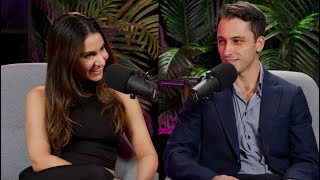
In a candid interview, Brandon Arvanaghi, co‑founder and CEO of Meow, a business‑banking fintech, explains how the company evolved from a crypto‑focused startup to a low‑margin, customer‑centric banking platform that mimics the Costco model of high volume, low margin services. After raising roughly $30 million, Meow became profitable in August 2024 and publicly announced it would never raise venture capital again, a move that went viral and sparked interest from other founders. Arvanaghi critiques the incentives of institutional VCs, describing the “VC treadmill” and the 18‑month runway narrative as a psy‑op designed to extract fees, and argues that VCs’ primary motivation is to showcase hot trends to limited partners. He discusses founder psychology, the allure of prestige, and the importance of staying humble and lean, emphasizing that a small, automated team can deliver more value to customers and avoid corporate politics. Hiring at Meow focuses on grit and willingness to learn rather than pedigree, and the company deliberately chose a playful, high‑ceiling brand name, fighting to acquire the Meow.com domain. Arvanaghi shares advice for founders: avoid raising unless necessary, keep the “ball in your court,” and prioritize profitability over growth hype. He also reflects on his immigrant background, early life, and personal motivations, including health, family, and a love for serving customers. The conversation touches on broader themes such as AI‑driven automation, the future of work, and the potential for micro‑entrepreneurship in a lean‑first economy.
Chapters
Well, so there's this huge debate in the tech community, founder community specifically, of like bootstrapping versus venture backing. And then there's this secret third option, which is very difficult to pull off, which is like the one and done round where you kind of raise a little bit and then you quickly become profitable and say, okay, I don't need to raise anymore. But it seems like you pulled that off with Meow.
I think so. Yeah.
Yeah. Well, congrats.
Thank you. Appreciate that.
Yeah.
Yeah, I'd recommend it to anyone. I mean, if you can get away with not even raising, that's the dream situation. As a fintech, it's a little bit harder. I mean, fintechs not raising is kind of unheard of.
Yeah.
You know, banks don't want to work with companies that are even seed at this point. They don't feel confident partnering with doing, you know, doing the due diligence for months for a company that's only raised $2 million because are they going to be around in some time? So we raised close to $30 million at Meow. We got profitable back in, I think September, August we announced it. And yeah, our plan immediately, we just announced we're never raising again. We told that publicly on LinkedIn, Twitter. I posted that, you know, I posted like a lead-up tweet to that. I was like, oh, we hit a milestone today, it makes me emotional. And then 3 hours later I posted the profitable thing and it resonated so strongly, which was so surprising. I thought it would get like a few likes, you know, a few congrats, but It went viral. People started like copying the template. It, I think it like hit some kind of chord because there's a lot of companies that don't know, don't see options for themselves. They don't know what's next. Do they do a round? Do they shut down? Do they try to get acquired? Um, but yeah, there's this longing for kind of, you know, rethinking what, what the right trajectory is. Getting on the, maybe getting on the VC treadmill forever and having them you know, have a hand around your throat's not the move is what people are realizing. Yeah.
Yeah. Nice. Um, well, talk to me about how you ended up doing Meow in the first place. Like, how did you guys, um, well, I guess what does Meow do? Maybe for the silly people who haven't, who might not know.
So we're a business banking fintech. Um, so we partner with banks, we partner with financial institutions, and our entire thing is like, what if someone could build a company similar to the Costco of financial services? So Costco is famously a margin, a volume business, not a margin business. So they don't make a ton of money on any one product they sell, but they sell a lot of that. I hadn't really seen someone do that in financial services. So business checking accounts, credit cards, that kind of thing. It always seems to be like the Gucci store equivalence of being able to buy them, right? Or get a business checking account. So Bryce and I, he's from the Midwest, I'm from Virginia. We put our heads together, we were like, well, what if we can radically do a different kind of company? So we launched Meowt. We're a low margin business. And if you get a checking account from us through our partner banks, we're not a bank, it pays a higher interest rate than national average. If you get a credit card from another financial institution partner, it pays up to 2% cash back. So we want to push the limits of the savings we can pass back. And we do that by basically building the company totally asymmetrically to everyone else that we see. Instead of hiring 1,000 people and raising at billion, then $10 billion and $12 billion valuations, what if we keep ourselves under 20, get profitable, and then tell VCs to go pound sand, basically? That allows us to basically keep pushing the limits of the savings we pass back to customers. And that's, that's been the, the MO and it's, it's been working, thankfully.
Hell yeah, dude. Congrats.
Appreciate it. Yeah.
That's so huge that you get to focus more on your customers because you're not as focused on investors and pumping out numbers that I think in Silicon Valley sometimes we do too much for the headline of like, oh, we raised this much for whatever. And like, that's supposed to be the cool thing, but it doesn't actually mean anything.
It's such a trap.
Yeah.
I mean, I see the companies that do that and they're kind of trapped unless the founder takes out, you know, big secondaries along the way to their $10 billion valuation.
Yeah.
And hopefully they give it to the team too. What's your plan? Like, how do you— best case, in my opinion, you have to jack up prices on your customers. You have to turn cash back to points. You have to do everything that's anti-customer. To keep VCs happy instead of your customers, basically, which I'm not a big fan of.
Yeah. Do you think there's actually a— it's like customers against VCs from a founder's perspective in terms of who you serve?
In some ways, yeah. Because VCs want to see month-to-month growth. They want to see things quarter-to-quarter. But Jeff Bezos famously says he's not competing against anyone because he makes bets that pay off on 6, 7, 8-year timelines. When you're on that timeline, you're not really competing with anyone who's thinking quarter to quarter. That's why there's this big push from investors to do the monthly kind of investor updates, et cetera. They want to hold you accountable to growth at any cost, which is so that they can deploy more money into your company at a higher valuation, and they can go to their LPs and say, look, I'm so successful. Look at this markup we just got. I want to raise a new fund now. Give me more money. So it's this terrible cycle where the VC's interests are not quite aligned with the customer's interests, and there's a Venn diagram, but the center of that Venn diagram is very small. It's smaller than anyone cares to admit. So if you put the customers first, you'll find yourself maybe not invading Russia in the winter. Maybe you're not spending all that money. Maybe you're, you know, passing back more savings to them instead of trying to figure out sneaky ways to monetize off them.
Yeah. Was there a moment as a founder when you realized like, Oh, maybe VCs don't have my best interest at heart.
I think we went into it a little bit naive. Yeah, we, we didn't understand the game that well when we first started raising. Yeah. And then we quickly started to understand. We've seen every side of VCs when we were at a sexy deal and we started, we started as a crypto company. Okay. So there was some element of being sexy. Yeah, there was some element of being ignored because we didn't have any social proof or clout or anything like that. And then during the Series A, we went from being a hot deal, so seeing everyone want to get in, to a period where it seemed like we wouldn't get a term sheet at all. So we were not a hot deal, and the same VCs who were begging to get in were negging us. And then we became a hot deal again. Oh my God. Reputable term sheets, and they came back knocking on our door. I think I've seen pretty much every side of VCs at this point. And my takeaway is the best ones are the ones who were previously founders, The ones who sign quickly, the ones who leave you alone, uh, the ones who let you cook basically. And they'll organically send an intro every now and then, or if you ask them for help, they'll come to you, but they don't try to grab the wheel. Um, so it's better to have the ball in your court as much as possible as a founder.
Yeah. And then it sounds like most VCs are not like that.
No, they're not. Yeah.
Wait, what are most VCs doing? No, they're not.
I mean, it's very easy to be close to companies and think that you have started a company.
Right.
You know, it's like I, you play like Flight Simulator and think you're a pilot or you play Madden and you think you're an NFL head coach or something. It's not the case. Yeah. They're, it's just night and day. It's just the academics of it versus the in-practice of it. And that can lead them to do very anti-founder things, very anti-customer things. And a lot of times they don't know any better. You know, their incentives are just, again, there's a Venn diagram is what I've come to realize. And it's not purely like against the customer or the founder, but it's the intersection is smaller than anyone cares to admit.
Yeah.
And that's the challenge.
Yeah. What, okay, if we think about an institutional VC, what are their motivations? Like how is, you talked about the game and how you didn't know the game you were playing on when you started. Tell me about the game.
Yeah, so I'll give you an example. You ever notice how a VC's website tends to always have the hot thing on it?
Oh yeah.
So in 2021, you go to the institutional VC's website, you'll see crypto everywhere, right? Now fast forward to until like, say, a month ago, that same VC's website would say AI on it.
Yep.
And the reason for that is because their website is an advertisement to their LPs.
Yeah.
They're telling their LPs, invest in us, we're the hot new thing VC. So VCs then want to deploy their money in that hot new thing because that's what gets their LPs excited. The LPs are hearing all the hype about AI, for example, right? So they want to participate in the new wave of technology. They want to invest in VCs who claim they're the AI VC. So that's why they want to find founders who themselves brand themselves as AI so they can deploy the money, go back to those VCs and say, look, you can deploy in us. The VC then deploys in that founder. The VC then tells the LP, look at all these AI deals we did, give us a new fund. It's all about getting a new fund for the VCs. The reason for that is because they get 2% management fees typically from those funds and some upside in it. So that's kind of the game and it's all about markups. It's all about what the latest narrative is. It's not about what's potentially best for the business in many cases, but that's one of the major games. The other major game is you'll see the dynamics. You'll see VCs behave very differently towards your company if you have a tier 1 VC leading your round. It's the same dynamic. They want to go to their LPs and say, look at all these hot deals we got in. They're hot deals because there's tier 1 VC got into it. Now, if you don't have a tier 1 in your round and you go to pitch this VC, they'll act kind of interested, but they won't say yes or no. They'll kind of keep you on the line a little bit. Just in case that sexy VC comes in and leads you around. Then they can say, yep, I want to co-invest. I've been a believer from the beginning. So it's all, in my opinion, for these institutional VCs, what they can sell to their LPs, the story they can tell to their LPs.
Brandon, thank you so much for talking about this stuff in public, because I feel like this is stuff that a lot of founders have thought about and talked about and maybe talk about behind closed doors. And like, we don't talk about this openly because nobody wants to shoot themselves in the foot, right? Or put themselves in a position where no VC would want to invest in them. Like, and yeah, but oftentimes, I mean, what's best for the founder and the customer is just not what's best for the investor.
You'd be surprised. I mean, when we did our announcement, the number one question I got about being profitable, the first line we did was, Meow is profitable. And the second line was, and we're never raising from VCs again. And it went super viral. And the biggest question I got was, how do your VCs take this? And you'd be surprised because a lot of people would think that they'd be upset or they'd be like, yeah, you know, the VCs wouldn't be excited about this. They were fired up. And the secondary activity, VCs started talking to each other on the cap table, for example, to try to buy more of the equity. So and then net new VCs, when they would come knock on our door, I'd say, look, I'm not raising from you. If you want to try to get in, you better talk to our cap table, try to buy it from them. So They want strength. They want winners above all.
Yeah.
But their mental model of winning and what they know how to kind of sell to the LPs is the invest markup, invest markup, invest markup game, which is unsustainable.
Yeah.
It doesn't work in the long run, in my opinion.
Yeah.
And those companies end up zombie companies one way or the other. If you have 1,000 people there, you're not going to have 1,000 savages.
Of course not.
And then there's going to be a leaner team that comes and eats your lunch. Yeah. So I don't think the treadmill creates generational outcomes. Of course, the vast majority of cases.
Yeah. Yeah. The other thing with the treadmill is, you know, once you raise, then you kind of spend that money on something. Most often people spend it on hiring a bunch of people that they then have to spend time managing. And so it's just wasted energy.
Yep.
Yeah.
And that, that person you hire, they tend to hire people beneath them.
Yeah.
To promote themselves internally.
You, you basically have corporate politics at this point. Congrats.
Exactly. And we've run into that even like at 15 people. Like we, we might hire someone and find out they were kind of political like 5 months into it. And that's with me interacting with these people, the CEO of the company interacting with these people every single day.
Yeah.
So imagine like if I'm, if there's even one layer of interaction between me and that person, how many people, how many of those people exist just creating local power structures, which have nothing to do with the customer.
Yeah.
So that's why you want to stay as lean as possible. I love the way Naval says it. He says a startup is a search.
Yeah.
It's a search for repeatable business model. So you want to stay as lean as possible until you get to that. Now, people have been telling us to spend the money every phase of our company. They said, you'll never have this moment again where you're hitting this growth with this product. Now is the time to push the chips on the table. They said that in year 0, year 1, year 2, year 3. They were wrong every single time. It's always been the best case to be lean and to preserve kind of the optionality of having a giant war chest available. And that's served us well.
What are they asking you to spend that money on? Do they have suggestions?
They just directionally say spend the money. Oh, it could— I mean, directionally hire, build a sales team is like the closest thing I get to a concrete— these are VCs, you know, they give high-level advice. but yeah, that doesn't, doesn't solve things. It just creates, creates overhead, creates problems, creates coordination issues. Doesn't, doesn't, doesn't help the customer.
Yeah. Um, so there's this term that I, I created on the internet that was like my viral moment. I was like half asleep when I tweeted this, but it's basically prestige junkie, which is just people who like do what other people think is cool and like turn that into their entire life, their own, their entire career, social life, whatever. Feels like VC almost, um, rewards that. You almost have to be a prestige junkie in order to be a good VC. Would you say that's true?
To be a good VC? Yeah, I, that's just such a draining concept to me that I suspect that's, I don't like playing those circles, but I suspect there's a lot of that kind of like posturing, et cetera, that you'd expect. Yeah. And that's why I have a healthy, keep a healthy distance from the majority of these people.
Yeah. Well, and talk to me about, you mentioned that You also sometimes hired people who might have been prestige junkie-ish into your company where maybe they were more into like the corporate politics stuff.
Not so much. I mean, we very rarely missed on that front. It might be like once ever or twice, but we do seek out the opposite.
Okay.
You know, the kids who are like looking for a chance, the people who don't come from like the greatest, sexiest backgrounds. Yeah. They just want to grind. They want to prove themselves. They have a chip on their shoulder.
Yeah.
Those are the best employees we've ever had. We've never had a problem. Every bad hire we've made was someone who looked good on paper in hindsight. Every excellent hire we had was someone who said, look, I'm willing to work. The green flags are like, I want to hit the ground running before I even start. What can I do to prepare myself? And they didn't even have the experience in what we're talking about here, like sales. They'd never done sales, for example, but they wanted to learn. So I love those people. I want to give those people a chance. I mean, that Yeah, that was, that was us to some extent when we were starting the company. We didn't have any, and no one knew us, you know, we didn't have any like profile or anything like that. And it just, it took the 2021 environment where money was flying everywhere for no-names like us to get a chance to raise money, for example. Now it's a lot easier for, for just about anyone. Um, but those are really the people you want at the company, like the, the people who just wanna grind.
Yeah. But the kind that, that you mentioned that might be into like A little bit of like the political thing. How do you, how do you tell that somebody is like that early on? Or do you feel like you missed any red flags?
This was mostly like in year one. But I think it, there was overlap between that person or those like two people and it wasn't a huge deal or anything. It was just like they weren't a performer as well, but they probably came from the bigger companies too.
Okay.
Where they can kind of get away with not working. It's very easy to do the appearance of work at big companies. You can't really hide. At small companies. So that's another lesson we've learned is, you know, it's way better to hire from startups, you know. And if you go to our office, our office is a dump. I mean, compared to like the, the flashy offices that I see. And it self-selects. We have candidates come in, and if they don't like the vibe of like being in close quarters, like if someone burps, I'm going to smell it. It's like that small. And it self-selects for the right people, the people who want to build. Like you look at Jeff Bezos, pictures of him using a door as his desk back in Amazon was even I think they were already using—
Yeah, with the Amazon.com.
Yeah, exactly. Yeah.
I've seen that photo.
Yeah. So it really is kind of a self-selection thing. If you— I put out something, I was like, you know, having a flashy office to attract the best talent to your startup is like having a Lamborghini to attract the best spouse.
Yeah.
That's not the best spouse. It's not the best talent either. It's the easy come, easy go, wants to be super comfortable. That's not what a startup is.
Yeah.
And I think we're starting to see the reality of that.
Yeah, yeah. This reminds me of how Elon, when he bought Twitter, now X, he just like fired 80% of the company and the product still works. I personally think it's better. Yeah, and I just feel like he proved that like most of tech talent doesn't do that much.
Yeah, a lot of people were tweeting like that servers are going to shut down, as though like—
I mean, there's glitches. Yeah, there's—
yeah, but But yeah, it's 20, what is it? Like 10% of the people do 90% of the work or something like that. So that's, that's the radical thesis we have at Meow. It's like, what if you actually stay that lean forever? And now people are calling that founder mode. And there's like a big meme about that.
Like there's a huge meme about founder mode.
People are thought leading about founder mode. Like it's just like clockwork. You put out this founder mode thing comes out and then every single company Regardless of size, talks about how they embody founder mode. Of course.
Hey, I do founder mode too. I bring coffee for everyone.
That was good. Yeah.
That's, that's, that's founder mode, right?
But it was a good, I mean, it was a good—
No job is too small.
That was great. Thank you for this.
Of course.
But yeah, that's, I mean, what if you just do that, actually do that for longer?
Yeah.
How much of a savage company could you build if you actually were on the ground? Like 15 people, you weren't spending your bullets. You just had a giant war chest for maybe 6 years, 7 years. It's insane what you can do. Yeah.
And you have fewer people. They each have more, way more equity.
Yeah.
So way more ownership.
Yeah.
Obviously way more of a connection. It's still a small team.
And it forces automation. It forces good practices when you're low margin.
Yeah.
And you don't— so I still do customer support along with my CTO, Gokhan.
Of course.
And when we feel the customer's pain, things are going to get done. Things are going to get fixed permanently. You know, if I, if we outsource to a team of like 50 support staff, and we don't feel the pain and those customer support agents feel marginal pain, but that's their full-time job, the product's still going to be buggy, right? So you stay super lean, it forces you to automate, forces you to learn how to win on low margins, just really good discipline. And that compounds year over year.
Nice. Sick. Talk to me about how you guys went from like crypto to Meow, or what was that? I think they call it negative 1 to 0 phase.
Is that what they call it?
Yeah, basically like before when you're just a person who wants to start a company and definitely doesn't have product market fit, like how did you guys go about finding?
Yeah, we always wanted to build a B2B suite. We're B2B founders at heart. Um, and at the time interest rates were zero. Our background was crypto. So crypto was what we knew how to like kind of get an initial customer base for. Raise money for. And then basically through a series of pivots and macro news and interest rates rising, we saw that it was not viable. Like after 3 weeks of, 3 weeks after our $22 million Series A closed, it was about $22 million. We basically pivoted the entire thing and we told the investors who just wired us money, like we're pivoting this thing. So it was just a series of decisions we made that came from following the customer. If the customer cared about like specifically us being a crypto company, we'd be a crypto company right now. They didn't care about that. They cared about value. They cared about a dashboard to make it easy to buy T-bills through a broker-dealer partner. So we just follow the customer and we still do. Now we know exactly who we are. I wouldn't have said we know exactly who we are until maybe last year, like late last year, even though we were growing. We're business banking fintech. That's exactly who we are. Even after the crypto stuff, we became a treasury management company. I would've told you we were a treasury management company a year and a half ago. We were growing fast. It was idle cash management, an easy way for businesses to buy T-bills through a dashboard, through a broker-dealer partner. And even then there was a micro pivot to, well, we had 90% of people's assets. Those businesses wanted to do everything in one place. And so we partnered with our first bank partner and we became a business banking fintech. And that's like totally our focus now is the business banking fintech side, like the operational capability. So. Took a long time, but we know exactly who we are and that's why we've had a really good year.
I love that. Was there a moment where you were like, oh shit, we hit PMF? Did you have that where you have like, there's that really exciting moment in the startup's journey, right? Where you have like too much customer support, like you can't sleep because you just have so much demand.
Yeah.
Yeah.
Silicon Valley Bank failing was that moment.
That sounds great. Yeah, that was last year. I mean, for you.
Yeah, good for you. I wouldn't, I mean, I was, That was crazy. I wouldn't say that's like the start. Yeah, that was, um, it was a crazy moment that really put us on the map because I think there were LinkedIn posts that were like, someone put out like, this is the, this is the craziest timeline. Like SVB is potentially in jeopardy and people are talking about a fintech called Meow. Uh, so that was a time when, yeah, we went viral a little bit and that was a big moment for us. But since then, I wouldn't say it was all at once. There were a few moments that came after compounding, the business banking fintech side that we saw big jolts. One of them was when we secured meow.com. We saw an instant rise in credibility there with more PMF. One of them was when we crossed a billion in assets on the platform. That was another big one.
Yeah. Hell yeah.
And yeah, it's just, it's just been pretty steady since then. It feels like we're getting pulled every day, which is, which is a blessing.
Yeah. Amazing. Um, how did you decide on the name Meow? That seems, you, you seem so serious.
Yeah. And then like, yeah, I mean, I like it.
It's, I love it.
Yeah.
Yeah.
Bryce and I just kind of liked it.
Yeah.
Um, it was a high ceiling name.
Yeah.
You know, it could be anything at the time, you know, 3 years ago people were telling us to name it like BitTreasury or BitYield or something. And we just knew, yeah.
Never listen to people being the lesson here.
We wanted something that could be a household name that was happy and like the compounding brand advantage in the long run.
Yeah.
I mean, you think about like Apple versus like Microsoft or International Business Machine and the compounding brand advantage they have now. Yeah. I just, I want 30 million businesses meowing, you know, that's a blast.
Do it, meow.
Yeah, exactly right. Yeah, exactly.
I love it.
So yeah, we covered— we got meow.com, @meow on X, Meow on YouTube. That was like connect— collecting the Infinity Stones. Yeah, exactly. That was hard. I would not wish that on an entrepreneur to try to acquire the brand assets of, of a popular name, let alone one where you're competing with like cat people and like, you know, cultural—
like, um, what were people using Meow for in the past?
Uh, it was mostly vacant. There was not like a company that tried to claim it.
Okay.
It was a, you know, which was surprising, but the person, the people who owned those assets, they knew what they had largely. So that was—
So did you have to pay up?
That was a large, it was a lengthy negotiation process.
Yeah. Yeah.
That was always in the back of my head. We were meow.co. I got XYZ, I got app, I got everything. Cause I, I wanted like all the digital real estate near me. Cause I didn't want a noisy neighbor basically. But the.com was weighing on me so much. I was like the only outstanding question to the company is like, you're not going to be Meow.co forever, a generational company.
So I can picture you like up at 3 AM just like, Meow.com.
Exactly. I was yelling. But yeah, thankfully, very lengthy negotiation process. But we, yeah, we got it.
Yeah.
And VCs naturally were telling me to change the name in the beginning and now it's polarized. It's so funny because we'll, One VC will say, oh, I love it. It's genius. I know exactly what you're doing. And they'll say, you have to change this. And they text us every day. But that's what you want out of a name. You want a polarizing name that grips attention. That's— it's a scarce asset is attention in this new economy.
Right, right, right, right.
That's how I feel.
Obviously you don't have to share, but I'm super curious.
I can't even.
You can't? You can't?
I get that question all the time. I'm not allowed to, unfortunately. Okay.
Yeah.
Sad. It works in my favor.
So yeah, good. There's this big announcement recently, right? On like someone I won't take the name, but there's like a really popular domain that someone dropped like $18 million on.
I saw that. Yeah, I think it's worth it, honestly.
Honestly, it's a good domain. Yeah, like I would take it.
That's a good domain. Yeah, domains are like you have it or you don't. It's like the— right, they're incredible. I'm a nerd for these things. I love them so much.
Yeah, yeah, nice. Um, well, I'm curious, when you said that you went viral when you announced that you're not raising anymore and you had a bunch of people reach out, like, do you feel like, and maybe you've heard from like a bunch of founders who were secretly hoping to get off the VC treadmill?
Oh my God. Dozens of founders reached out. I had coffee with dozens.
Yeah.
Um, they came from a place of pain. They're like, how do you do this? Like what? Um, because I know they all kind of, they're in a position now, they have too much headcount. They have boards that are very like, you know, breathing down their neck. They have this awkward position of, do we raise another round or like, what's, what's the thing? So they wanted to know the steps we did to execute on this. Now for us, it was a little bit cleaner than most people try. Like, it's difficult to be on the treadmill late stage and then switch to this. You'd have to do a lot. You have to get everyone aligned. We decided not really to step on the treadmill. Like, we had one foot on, one foot off, which made it easier for us. But, uh, there are dozens and dozens of founders that are thinking this way now. And Frank Rotman, one of our investors at QED, he says he thinks the new flex is going to be 2 and done. So like you talked about, 1 and done, 2 and done. Yeah. Um, which I think makes sense. It's not going to be like who raised a billion dollars and is on the COVID of this.
Yeah. Boring.
Yeah. I'm bored.
I'm bored.
I'm bored too.
Yeah. I'm literally so bored. Um, nice. Well, okay. If I imagine a world in which like every company gets rid of their like bloated headcount. And operates the way I think business should be run, which is only people who truly add value are there, you know, I think most people would like start to scream and cry because they'd be out of a job. So what does that really look like? I mean, I know AI is going to change the way we work forever anyway. Do you have any thoughts on that?
It's a tough situation. I mean, I think about what Elon said the other day. I mean, you can give very lengthy severance to folks who don't belong at the company. But ultimately, you have an obligation to your customer, you have an obligation to your shareholders to do the right thing. And if you can, if there's someone who really is just taking up resources, who even maliciously so, you should have no problem getting rid of them. But yeah, if there are good people who are just not pulling their weight, then—
That's also, I mean, it is what it is.
Yeah, it's tough. But I mean, I think that's why severance is a lever. Less costly to give a very, very generous severance package, which works in the person's favor as well, than to, you know, have something drag on for years and years. It's a tough situation, but I think it could work out for everyone.
Yeah. Well, no, I'm also just thinking, what would that world look like in terms of would we maybe have more businesses or like if you could advise— obviously this is the best thing to do for business. I mean, I'm on the same page there, but I'm just trying to picture a world in which we do that or every business decides to do that, then what would we advise all these people? I would just say maybe like more entrepreneurship, like more micro-entrepreneurship might be the better way.
But yeah. Yes, I had an economics professor who's really passionate about this. Like when, when self-driving cars would come around, what would happen to trucking and things like that where like so many male drivers participate. So his thought was if we tax some of the marginal gains gotten from basically putting all these people out of work and put that towards vocational training for those people to get a different job, Everyone wins. You know, those people get a long time paid, you know, severance. They get training for the new job and there's money to support it. And everyone else is benefiting in the world from having, in theory, driverless cars, which bring the cost of transportation down. So that's one example. It's a basic example, but that's the economic, you know, the economic argument for efficiency is that, you know, there's utility for everyone. And the people who are affected can you can take some of the marginal, some of the utility it's gained and basically use that to subsidize the people who are affected poorly. Yeah.
But if you're like, let's say a Series D founder and you're already, so you're neither, you already have too big of a headcount and raised a bunch of money, but you maybe aren't like public yet. Like what would be, I guess you could just like, downsize?
Yeah, I, your cap table's probably so messy. There's probably a lot more variables than you're dealing with than I am. Uh, we're a Series A company, so I, I don't have the answers exactly, but I know that they want to do something about it. They reached out about it. So I talked to a couple people who had just such complex situations.
Yeah.
It's difficult for me to even like opine on it. Um, but yeah, it's, it's tricky. It's not gonna be one size fits all, but they're all trying to.
Yeah. What were, if, I mean, it doesn't have to be one size fits all, but like what were some of the things you found yourself consistently saying to these founders who reached out?
Um, it's interesting because a lot of these founders are thinking, well, do I just give up on this entirely and just start something else? Which is, I don't actually think that's the best idea because there's a lot of like stored labor that went into the company. It's not the sunk cost fallacy. It's actually like there's a lot of compounding you did to get to here. And if you were starting from scratch, uh, you wouldn't have the advantages you do right now to, to take advantage of the opportunity. So I would actually power through and figure out, because the investors don't want to see you shut down. The customers don't want to see you shut down. There is actually a path. There is a deal space almost always. So my advice is just to stick with it, but figure out how to restructure it because no one wants to see the alternative.
Nice. And then if someone was starting from scratch, what would you advise them?
Don't raise.
Just don't raise, like period?
If you're in a vertical where you can avoid raising, I would say don't raise. And if you're in a vertical that requires to raise, which certainly fintech is in my opinion, then raise as much as you can and have a path to profitability. And then have the ball in your court. I'm the biggest believer in the world of if you stay in the game, you win the game. I'm the biggest believer. And so if you have the ball in your court, you can't lose the game. So just stay alive and you'll win.
Having the ball in your court means just having some runway and—
Yeah.
Like a little—
What is this psyop of like, get to 18 months of runway?
Yeah.
That's the biggest freaking psyop because VCs just want to put you on the treadmill coming back to them so they have perfect optionality. It's like, okay, get to 18 months so then I can decide. Whether I'm gonna bestow upon you the ability to continue your business at a markup in my, you know, in my wisdom. It's just nonsense. And that's just a way for VCs to get their markups quicker to then raise a new fund from their LPs to then clip 2% more management fees. So if you don't subscribe to that nonsense, then you have the ball in your court. You can get profitable. You never have to play their games. You can focus on the customer, and you can build a generational outcome, which could take a little longer, but 80% of zero is zero, right? And you can have a generational company that makes everyone extremely happy, just not on the nonsense fake timelines that a lot of these companies have been kind of gearing towards with this 18-month thing.
Yeah. Well, it's interesting you talk about raising so that people take you seriously as a fintech. But also your company is called Meow. I'm curious, like when you go to do all these like serious negotiations and like serious, like, I don't know, like I did, you know, I worked in fintech for a while. You have all serious like compliance and like, of course, yeah, all those like suits and like just very serious stuff. Yeah. Have you ever, does anyone ever just look at you and be like, what?
Not anymore. We didn't raise so people take us seriously as a fintech, more so, so they knew So basically any vertical we wanted to go into fintech required a big balance sheet.
Okay.
Required staffing up on compliance people, for example, required, you know, if we wanted to do things off balance sheet, that would require a big balance sheet. If we wanted to partner with banks, they needed to see a lot of money. It wasn't so much like juxtaposing that with any name or something like that. But certainly Meow is an S-curve name. It's a name that at the beginning, you have a little bit more atmosphere to get through. And then it really compounds. And it's the kind of name you hear once and you don't forget it. People forget my name all the time at a coffee shop. They'll be like, oh, I forget your name, but how's Meow doing? I'm more than happy to hear that.
Right, right, right.
So now we've had a touchpoint at least with most banks and most, you know, broker dealers. So thankfully people know us, but they like that. I mean, they like that in the back of their head they're thinking like, we want to partner with a tech company. You know, it says tech, doesn't say International Business Machine or Microsoft.
Yeah, yeah, absolutely. No, I love that. It's also like more, a little bit more new age, you know, Gen Z is a lot more playful.
Exactly.
Right. So you're like still a serious fintech company, but you're not like uptight.
Exactly.
Yeah. Yeah.
We have done very little to, we have like a few meow puns here and there on like X and like we post cats and stuff like that. Mm-hmm. But we've done very little to actually, um, make the brand cohesive. Mm-hmm. So far we just kind of set up the foundation for it with the assets of the YouTube handle, the, yeah. Handle. So, uh, there's a lot we can do. It's just our focus is entirely on product right now and getting the critical mass of customers. But I think that could be really exciting for next year.
Yeah. Actually, just yesterday when I told Matt that you were coming, because for security I had to give you a full name and he was like, oh yeah, I've heard that name. Yeah.
Yeah.
Does he remember me? I was like, um, cool. So I don't know if you're comfortable talking about some of the competition in the space and some of the benefits of being a smaller team versus a larger team that you've experienced?
[Speaker:JAKE] At a high level, I'll describe. I mean, we do try to focus on the customer more than the competitors. At a high level, I have seen most companies in this space tend to build the same way, just be on the VC treadmill. And then another company will come up and they'll do the same exact pattern. You know, and I don't understand what you're doing. And especially what I, let me just take it to the farther extreme is like, if I see like a seed or a Series A company coming around in 2020 or 2021 or 2023 even, and then they try to do the same exact playbook as the companies that came out in 2017, 2016, it's like, what are you doing? Like, you're not going to be nearly as efficient as them. You're not going to have, you're not going to have the capital raises then. So in my opinion, you want to be on the poles. You want to either be the one with the biggest navy, the one that's spending the absolute most. I don't like the strategy at all, by the way, but If you have to choose, this is a viable option, I guess. The one that's spending by far the most, or you want to be the absolute other end of this, which I think is the one that wins globally. And that is the leanest, the most automated, the most savings. That's our goal at Meow. Everything else in the middle is this awkward kind of teenage phase with pimples and stuff like that, in my opinion. It's just not going to work out for anyone. And I also think it's not going to work out on this end, but at least there's an argument to being on the end. So. Most people, I think, tend to be in this realm over here that I'm describing where they raise a bunch, they clip high margins on every customer that comes in. Yeah. And then we want to be the one that maybe we're not doing billboards, you know, we're not doing billboards, we're not doing paid ads, and we pass the savings onto the customers and then we just rely on word of mouth to get the word out there. And then when customers see that they could be potentially getting a higher yield, then it kind of solves everything. So that's, that's kind of our asymmetric strategy. It's, I think it's like the most underrated strategy in building a company.
I love that.
Yeah.
Yeah. Talk to me about founder psychology, because I feel like a lot of the, the reason people are on this end maybe, or like the big raises and the big, you know, being on the COVID of this and that, like a lot of it just comes down to personal psychology and potentially ego, right? Um, because it's nice, nice to get a ton of attention and stuff.
What do you think? Have you been around that?
Yeah, I think so. I mean, I think also when you get started as a founder, you're a little naive. So you kind of just do the thing that everyone sort of tells you is the right way. I also did like a venture-backed thing for a while, and then I stepped off the treadmill.
Right.
If I was to do something again, I'm not saying I wouldn't raise VC again. I just would know what I'm getting into this time. Whereas I think honestly, the first time I was really naive. Yeah.
What kind of stood out as like a— was it the raising was exciting for everyone around you basically?
And I think I just, I was really naive. I didn't really know the game as well. So I'm actually really glad that I went through that and I just learned a ton about, yeah, at the end of the day you just need to build something that people really want.
Yeah. I mean, it's dopamine hits. There's a lot to it. I mean, if you tell someone there's a lot of people just chasing that dopamine hit of saying, I raised X. And the other thing is, I'm sure you remember this too, you would meet someone and they'd say, oh, how many people are you? And you'd say, we're 10 people. And then you'd see them again like 6 months later and say, oh, we're 30 people. And they'd say, oh my God, congrats, you're growing so well. Yeah, that is just such an ego trip for a lot of founders. It's the number of people you employ. And that's something we never have experience. We never sought it out. But yeah, I think there's this world, there's this ecosystem of status games which we want nothing to do with. We never were part of it, thankfully. You know, we didn't start the company like as a lot of people do in the same kind of ways. We started in an apartment in Miami during COVID We just started coding and hoping, praying something would work out. So I suspect there's a giant cocktail party ego dopamine hit dynamic to a lot of bad decisions. And it's perpetuated by VCs. It's encouraged, in fact, because the bigger you are, the more they can deploy, the more they can get a new fund from the LPs, etc.
Yeah. Do you feel like having a low ego was a huge benefit to you in the founder game?
Yeah, I don't want to say I have a low ego because that's a high ego thing to say, right?
I think in terms of like not chasing that immediate validation of, yeah.
I think if you can humble yourself, you can chew glass. The more glass you chew, the better you'll be.
Yeah.
And there's a lot of ways to— it's like, have you seen The Departed? Okay. Yeah. There's a scene where someone says, do you want to be a cop or do you want to appear to be a cop? And it's like the people—
What's the difference?
Yeah. So the people who appear— want to appear to be a cop are the people with the badges and they like the cars and the movies and the— power. But then being a cop, the idea is the guy would be undercover and he'd be risking his life and he would get none of the glory. So it's kind of the same with a founder. Do you want to appear to be a founder? There's a lot of ways to appear to be a founder. You can strive to get on the cool lists. You can raise a bunch and get your PR out there. You can do announcements about announcements about announcements. Um, and I see a lot of that. You can look really good on Instagram.
Yeah.
Um, and then you can actually be a founder, which is like, well, what are you doing Saturday night? You know, are you, are you doing customer support? Are you not hiring? Cause you think you can carve out the time yourself to do that role. Uh, there's a lot of chewing glass that you can do as a founder to make your company a lot better and you'll get none of the glory for it. Uh, there's a chance you'll get it in 10 years. There's none of it today. None of it tomorrow.
Yeah. I love that. Um, what motivates you? Do you just love your customer? Do you, Yeah.
Yeah.
Like what motivates you to, to spend Saturday night doing customer support?
Well, that's the entire team. I, I'm thankful. Like I, I've dreamt my entire life of being in the position I am with this team that loves each other. That's all committed to this.
Yeah.
My co-founder and I just, we've always been ideating on business ideas. Yeah. In college we went to Vanderbilt together. We would just be on the whiteboard senior year.
Yeah.
And we were LARPing, right? We were just like pretending like we're playing house cuz it was such a foreign concept, like actually starting a company together and my God, when, when COVID came around and he quit his job at Facebook to just move in with me and just do this together from scratch, like, uh, it was, it was a dream come true to actually get customers using it. And then, and then just following kind of the Bezos philosophy of just like obsessing over the customers, it becomes intoxicating. Just like living for your customers, like getting their feedback and becoming close with them. And, um, it's, it's really the biggest joy in our lives is like being able to build something and, and having customers reacts to it, respond to it. So it's very motivating.
I love that. Yeah, that's a very addictive feeling.
Yeah.
Yeah, it feels good. Nice. Awesome. Well, something I love to talk about on the show is just how, like, international New York is.
Yeah.
There's like people from all over the world, first gen, second gen or whatever. I'm curious about your background that way. Like, where did you grow up? Where did your parents grow up?
Yeah, so I'm from Northern Virginia. My parents immigrated from Iran during the Iranian Revolution in the '70s. Um, I think they were about like 13, 14. Um, so they met each other in the DC area, grew up in Virginia, went to college in Nashville, and then, um, spent time in New York as a security engineer. I worked at Gemini as a security engineer. Then COVID comes around. That's when I, I went to Miami. A lot of founders kind of were in Miami at that point. Yeah. And yeah, the, the Iranian culture is, is, you know, big. I have one grandmother left, Aziz. She's fantastic. And she, she blesses me with like Asfahan. Oh, yeah. So she keeps us safe, which is nice.
I love it. She's the reason we're here right now.
Yeah, she's, she's honestly, I have her working overtime, like, I have her working to chew off the demons.
I love it.
But yeah, like, yeah, so that's, that's been a great part of our upbringing. And there's a good community of Persian people in the D.C. area. Yeah, a lot of them are entrepreneurs actually. So that's, that's pretty cool.
Nice. Yeah.
And your background?
Oh, I was born in Connecticut, actually, weirdly, but I grew up in Pakistan. My parents moved back when I was a year old and then I grew up there. They still live there, so that's home. But I'm a lucky bitch because I always had a U.S. passport. I'm a lucky bitch because I always had a US passport and because I didn't grow up here, I never took it for granted. I feel like a lot of people who grow up here, like, they don't realize how amazing it is to be able to, like, start a business in America or, like, travel, like, the access you get when you have that American blue passport. And I never took it for granted because where I grew up, I was the only person who had it.
Yeah, yeah, yeah. I can't pretend to be like an immigrant myself or anything, but like my dad, like hearing the stories of my dad, like you know, driving an ice cream truck and like scrubbing girls at Roy Rogers and then community college and then becoming a doctor. Like at least hearing it at least had that profound impact to understand how lucky we are here. Um, but yeah, exciting times. What's Bitcoin at right now? 86. 86.
86.
Actually.
Okay.
Exciting times.
Amazing. Um, well, What are we laughing about?
86 is great, yeah.
86 is great.
Bitcoin check-in.
Yeah, this is a Bitcoin check-in. Do we think Bitcoin will hit $100K by the end of the year?
It's a loaded question, yeah. I don't want to jinx this right now. I think so. You think so?
Okay.
Yeah, I can't do a price prediction, but I want to stay out of it. Yeah, I can't do a price prediction, but I personally am a big fan. Much on a personal level. Are you as well?
Yeah, I'm a Bitcoin babe, as they say. I just made that up. Colin, what about you? Bitcoin, yes or no? 100? At this rate, for sure.
Yeah.
So we have 3 yeses and 1 can't say.
I mean, eventually, I think it will.
Nice. Talk to me about 12-year-old Brandon Arvanaghi. What was a day in his life?
I have to think about this actually. 12-year-old Brandon. Yeah, it was a really awkward time for everyone, right?
Oh, it's not fun. Pimples and stuff. For me at least.
I had pimples too. Yeah.
Yeah.
Pimples. I was like mediocre at sports, like dreaming about, you know, what colleges I'd go to. Like I was thinking about starting a business back then. But yeah, hindsight, I was doing it all wrong back then. I wish I could talk to that kid, talk some sense into him, as they say. Um, yeah, just entering high school. I went to high school in Northern Virginia, played football, which I wouldn't do again. I had two concussions that were diagnosed, probably more. And this is like a small school, like it's not like an elite program or anything like that. So, um, yeah, pimples stood out to me.
Nice. Um, well, if you could talk to 12-year-old Brandon Arvanaghi, what would you tell him? Maybe advice you would give or something you'd learn from him?
Yeah, I would tell him that fundraising does not equal success.
You would tell 12-year-old Brandon that?
I would get him on the train early. I would have him tweeting about that.
You'd have him tweeting about that?
What else? If we're being practical here, what I'd tell him is I would tell him to start taking health seriously now, like longevity stuff. Sleep, like everything like that, olive oil, working out, things that compound, right? I would get, it was X around, I think X was around like in, I was 14. Um, so I'd say start posting, start building an audience.
You would've been an, uh, X influencer starting from there.
Well, you compound. I mean, of course you were doing this podcast 10 years ago. Like it's incredible. Like it's the best, second best time is now though, right? 12-year-old Brandon would get an earful from me though. He, So much, so much to learn.
Yeah. What else? I'm curious.
It's all very practical stuff. I mean, Bitcoin, which I can't—
12-year-old Brandon buy Bitcoin.
Yeah, of course. Yeah. What would you, I mean, this is, it's not crazy, right?
No, no, exactly.
Yeah, exactly. Yeah. Yeah. Like I, it's like Interstellar, you know, the bookshelf. Like I would just do Morse code, like BTC, like the 12-year-old Brandon, like, uh, See if he could figure it out.
Nice. Amazing. Well, we have a closing ritual, which is we have this magic crystal ball. You can hold it. Well, you can hold it and make a wish and anything you ask for comes true.
I don't say the wish. I don't say the wish, right?
You don't have to. You can if you want to, but yeah. Okay. Amazing. And then you don't want to share it?
I always wish for health anytime I get the chance. Family health. If you're healthy, you can do anything.
If you're healthy, you can do anything. Thank you so much.
At the end, I thought about Bitcoin also. Oh yeah.
What's the Bitcoin wish?
Good things. Good things for all of us.
Good things for all of us. Healthy network. Amazing. Well, thank you so much for coming.
This was super fun. Yeah, it was a lot of fun.