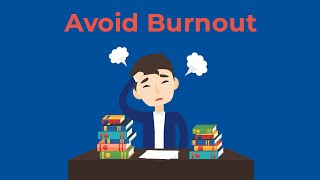
Brian Tracy outlines four ways to prevent burnout: identify root causes, delegate and ask for help, set realistic expectations and communicate with managers, and make lifestyle changes like exercise and mindfulness. Common triggers include chaotic workspaces, high stress, poor communication, and work-life imbalance.
Questions this video answers
February 11, 2021
76% of employees
63% more likely to take a sick day
23% more likely to visit the emergency room
2.6 times more likely to look for a new job
Chapters
How to Avoid Burnout at Work all successful people are big dreamers. They imagine what their future could be, ideal in every respect, and then they work every day toward their distant vision, that goal or purpose. Brian Tracy at one point or another, we've all felt burned out. Burnout has a negative effect on just about everything in your life, including your performance, attitude and motivation. If you don't understand the cause of your burnout and make a change, you can face major risks. Burnout at work is a real problem and during quarantine we're all more at risk of feeling its effects. Take action to learn about what drives burnout and how you can reverse yours. Now, before we dive into how to avoid burnout, first let's understand why it happens in the first place. Overdoing it at work can happen for a few different reasons. When you understand why you're starting to run out of drive, it's easier to reverse the effect and get back to feeling and performing your best. Now here are some of the causes of burnout. You might feel rundown or unmotivated if your workspace is chaotic or dysfunctional, it can be exhausting to function in a fast paced, high stress environment day after day, especially if you're not able to control your schedule or other aspects of your work. And if you struggle to communicate well with your coworkers or boss, things can get even worse. Work life imbalance is potentially a huge factor for feeling overwhelmed at work. Too much work and not enough pay can lead to a loss of energy, productivity and a sense of high stress. Lack of social support also plays a role and working in a helping profession such as nursing, social work or education, or having difficulty with boundaries can all contribute to burnout as well as there are both short and long term impacts of burnout. If you're experiencing burnout, you might not feel interested in your work or any other work related activities. You can't muster up any enthusiasm for projects that you once got excited for, and you're having trouble focusing at work with your performance suffering as a result. This can cause you to feel tired, drained and low energy. You might even experience physical symptoms such as stomach aches or headaches. These are all signs that you're reaching the end of your rope. The longer you allow yourself to feel exhausted from work, the worse things will get. One survey showed that 76% of employees have experienced some form of burnout. Those employees are 63% more likely to take a sick day, 23% more likely to visit the emergency room, and 2.6 times more likely to look for a new job. If you're feeling burned out, don't just sit back and wait for things to get better. Take action to address it now. If you don't, you could potentially derail your career growth for many years, but you can avoid burnout by following these simple steps. Number one Define the root causes. If you're feeling worn down and want to fix the issue once and for all, you need to figure out the root cause. Is this feeling caused by a chaotic workplace, work, life and balance both neither. It's impossible to effectively reverse course unless you find and address the root cause, so this should always be your first step. 2 Learn how to Ask for Help Stop biting off more than you can chew by learning how to delegate. You won't feel as much pressure to get everything done. If you have trouble asking for help, start small, finding a trusted coworker or friend to take some of the work off your plate. This is a smart method of making your to do list more manageable and help keep you on track in the long run. Third, set realistic expectations for your workload. Start by learning good time management skills to reduce burden at work. Make a log of how you spend your time at work so you can see exactly where your hours are going. A few five minute Facebook breaks can really add up. This will help you figure out how much you can realistically accomplish each day and any schedule changes you need to make to get the work done. Setting realistic deadlines is also helpful when you have a new project to work on. Estimate a due date by thinking about similar projects you've completed in the past and how long they took. You'll also want to factor in time for any other projects you're working on simultaneously. By setting realistic deadlines, you won't have to push yourself so hard trying to finish the work on time. Finally, learn how to communicate with your boss when their expectations and or your workload are too unrealistic. Approach your boss as soon as possible and respectfully lay out your concerns. Suggest an alternate option like I'm not sure I can give this project the time it deserves. If you need it by Friday, maybe Brad can help you get it done. Chances are your boss will appreciate your honesty and your commitment to getting the work done well. Learning how to set realistic expectations and deadlines will help you feel less stressed and more productive in the long term. And finally, number four Be proactive and make a change. You can't outrun burnout, so things won't get better unless you make a change. Be proactive making ongoing lifestyle changes to support your physical and mental health. These might include working out, doing mindfulness exercises or anything else that's important to you throughout the work week. Investing in yourself can help you stay focused and boost your confidence. Brian's Goals Quick Start Masterclass shows you how to set and achieve any goal. Learning how to effectively set goals will help you succeed in the workplace and beyond. Register for the Masterclass today. Now. The question today is how can you be proactive and avoid burnout? Leave a comment below and Brian will be sure to follow up with you. Thanks for watching. And remember, as Brian always says, if you want to change your future, take action. And take action now.
If you enjoyed this video and you feel it was valuable, subscribe to my channel like this video and share this video with your friends. Don't forget to click the button on the screen for a free gift. Thanks again for watching.