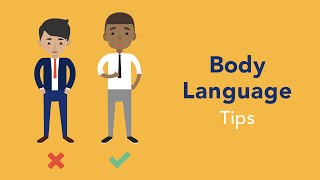
Brian Tracy covers five body language moves that work on stage: open posture, smiling, eye contact across the room, varied movement and gestures, and cutting out fidgeting. Nonverbal signals convince your audience you know what you're talking about.
Chapters
Hello, I'm Brian Tracy and today I want to share five tips to enhance your stage presence Using body language at your next speech Smile to connect with your audience and keep the atmosphere positive. Once your audience sees you smile, they're very likely to smile back. When you're giving a speech, your body language can be just as important as your words. For instance, your body language can either show that you're confident or convey to the audience that you're nervous and unsure of yourself. Your body language can also help you emphasize the points of your speech and keep your audience interested in what you're saying. And most importantly, good body language during a speech helps you connect with your audience. The way you stand, eye contact, hand gestures, and more can draw your audience in and allow them to feel as if they're having a conversation with you. Instead of listening to a presentation, you're speaking with them, not at them. So today I want to give you five body language tips that will help you to become a better public speaker. My first step is to open your body. Maintain an open stance so that you appear to be friendly and inviting rather than closed off and unapproachable. When people get nervous in front of an audience, they often instinctively close their arms in front of them as a sort of protection. They might fold their arms across their chest or clasp their hands together. This means that you appear nervous and closed off from your audience, but great speakers open up their bodies to invite their audience in. An open stance shows confidence and that you are approachable. It shows that there's no barrier between you and your audience. In the same regard, open your hands when you're speaking. Show your palms to your audience rather than the back of your hands. Having your palms open says that you're relaxed and invites your audience to join you. On the other hand, showing your audience the back of your hands is more guarded or even confrontational. Stand tall and have good posture as well. With your arms and shoulders relaxed and your head held high. Slouching can signal to the audience that you lack confidence or interest in them or what you're sharing. Good posture, on the other hand, signals confidence and energy that will ignite your audience. Keep your toes pointed toward the audience as well to show that you're engaged with them as individuals. My second body language tip is to smile. Show emotion. Beginning your speech with a smile will draw your audience in and encourage them to receive your message with interest. Smile throughout your presentation as well as at appropriate moments to connect with your audience and keep the atmosphere positive. Smiles are contagious and once your audience sees you smile, they're very likely to smile back. This not only creates a positive experience for them, but it can also calm your nerves and help you to deliver an outstanding speech. Show other emotions as you discuss your topics. Let your facial expression illustrate the feelings related to your words as you guide your audience through your speech. This shows your audience that you relate to what you're speaking about, and instead of delivering a dry speech, you captivate your audience and lend validity to your message. The third tip I want to share with you is to make eye contact with your audience members as you speak. Look around the room and lock eyes with different individuals in different parts of the room. Make your eye contact natural and casual, like you're having a conversation. Eye contact allows you to connect with individuals in your audience so that they feel that they're part of the conversation and become more engaged in what you're sharing with them. Remember to connect with the whole room and not just make eye contact with people in the front. Look to the back of the room as well as side to side. This purposeful eye contact creates a receptive space that invites people to stay captivated by what you have to say. My fourth body language tip is for you to move around. Use your stage to walk around and connect with your audience. Move naturally and confidently instead of stiffly or predictably. Being in motion will keep your audience intrigued and interested in what's coming next. Help your audience members transition from one talking point to the next by moving from point A to B each time you change topics. This will give momentum and organization to your speech and engage your audience so that they feel a part of the experience. Along with moving around the stage, move your body when you're standing in place as well. Vary your gestures to emphasize your points throughout your speech. For instance, use a mix of broad movements and graceful ones. Signal with your hands and arms, or just nod your head. Hand gestures give your words more meaning. Capture your audience. A head nod adds affirmation to what you're saying. A head tilt can convey empathy, and a shrug of the shoulders can express wonder or humbleness. For example. My fifth and final tip for using body language in your next speech is to avoid distractions. For one, try not to fidget with your hands, tapping with your fingers, playing with your rings, hugging on your shirt sleeves, or jingling keys in your pocket will distract your audience away from what you're talking about. Fidgeting and internal distractions also come off as a lack of confidence or nervousness, and you want to stay away from conveying these to your audience. Keep your hands off of your face as well as scratching your nose or tugging at your ears or rubbing your chin, pushing your hair back. All of these are distractions that may cause your audience to tune out. Another type of distraction to avoid is those that come from the audience, such as someone whispering, texting on their phone, fiddling with their papers, or getting up to go to the bathroom. Audience distractions aren't in your control, but do your best not to focus on them so that your speech remains fluid and captivating. Now I'd love to hear from you. So my question today is, which of the five body language tips will you focus on perfecting for your next speech? Leave a comment below and I'll be sure to follow up with you. If you enjoyed this video and feel it was valuable in teaching you about body language for speech, subscribe to my channel like this video and share this video with your friends. Don't forget to click the button on the screen for a free gift. Thanks again for watching.