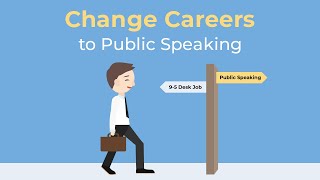
Brian Tracy outlines four steps to become a public speaker: build on your existing strengths, create a detailed action plan with a budget, produce speaking content across platforms to build a portfolio, then transition gradually to full-time work. Start with targeted outreach to sales departments and schools.
Chapters
Feeling Stuck how to Change Careers and Become a Public speaker when you speak about something you passionately care about, you'll be more comfortable and feel more confident in your element. Brian Tracy, you spend the majority of your adult life working and sometimes you might feel yourself feeling stuck at a crossroads, feeling unsatisfied and unfulfilled with your work. Maybe you feel yourself spinning your wheels but not getting anywhere. It might feel like the work you are doing is not meaningful to you or that you're not making the impact you should be making on those around you. If you have a feeling or know that you are destined to do so much more, it could be time to transition into the world of public speaking. Whether you have a powerful need to share your message to a bigger audience, you can positively impact others lives or find the idea of becoming a public speaker an exciting and fun career path. Here are four helpful strategies to help you transition into a new career as a successful public speaker. Strategy number one is to identify your strengths and build from them. When you're looking to change careers, and especially when you're looking to become a professional public speaker, start by identifying your strengths and your passions. What areas do you have special expertise in? What is your work or educational background? Do you have any unique experiences or obstacles you've overcome? By putting the focus on what you're good at and what you love to do, you'll showcase your domain, authority and position yourself as an expert. You'll be able to use your current knowledge, skills and experience as a foundation to build from and be able to passionately share your message with confidence. As a public speaker. Your message will inspire your audience and give them the insight to solve their problems and live with more meaning. Strategy number two is to create an action plan and budget. When changing careers, it's always important to keep in mind that things do not always take off as quickly as you would like. There will be bumps in the road and obstacles to overcome when doing something new, especially if you have not done something like public speaking before and you are learning and polishing new skills because of this. And to make sure you are headed in the right direction, be sure to start your move into the public speaking world with a clear action plan and a defined budget. Changing careers can be overwhelming, but having an action plan will allow you to take your big goal of becoming a public speaker and break it down into smaller action steps. Each of these smaller steps will be easier to complete, which will move you closer to your goal of becoming a professional public speaker. And by having a budget, you'll be able to keep your finances in order while you make the career change to public speaking. Having a defined budget will also let you know exactly what you have available to invest and as you transition to your new career as a public speaker, while making sure you have the finances available to keep the other parts of your life running smoothly. Following these two steps will help you to lay a solid foundation to become the best public speaker you can be and help you share your message with even more people. Strategy number three is to simply start speaking. The next step to set you up with a solid foundation as a public speaker is to start putting out content for your audience to consume. Start posting on social media sites, YouTube, a podcast, and speaking at live venues if possible. This will help you build your audience and brand as you practice spreading your message. Once you've built up a portfolio of public speaking content, it's time to start using it to reach out to greater venues, organizations and businesses to book talks and speeches. Consider getting in touch with places or businesses where the people with benefit from your speaking expertise are found. For example, if you have a strong sales background and your message can inspire salespeople to improve their ability to sell, contact companies with sales departments and promote your speaking services to them. Or, if you have overcome seemingly insurmountable obstacles or challenges in your life, you could promote your public speaking services to various organizations such as schools to inspire or motivate the audience to overcome their own challenges and improve their lives. Strategy number four is to make the transition to full time public speaking. Finally, once you've spent enough time honing your speaking skills, refining your message and its delivery, and getting lots of practice as a public speaker, you can look at transitioning to a rewarding, fulfilling career as a full time public speaker. There's a lot to learn and this can be a long process, so give yourself time and have the patience to do it right. Do not jump the gun and rush in. By following the steps and strategies discussed, you can set yourself up for success and follow a clear path to getting yourself unstuck while switching careers to become a successful public speaker. Spreading your inspiring and motivating message to an audience eager to hear what you have to say now. The question today is what message do you need to share with the world through your public speaking? Leave a comment below and Brian will be sure to follow up with you. Thanks for watching. And remember, as Brian always says, if you want to change your future, take action and take action now.