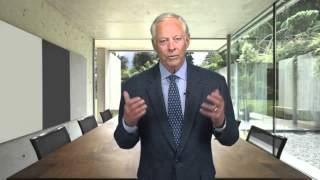
Transcript of a short motivational talk by Brian Tracy contrasting optimistic and pessimistic mindsets. Tracy outlines three core differences in how optimists vs. pessimists interpret setbacks (temporary vs. permanent; specific vs. pervasive; external vs. personal), describes traits of a mature/mentally-fit person, and closes with practical advice to adopt optimistic thinking and emotional detachment.
Chapters
I want to talk to you now about the big difference between optimists and pessimists in life between happy, excited, fulfilled people and negative, tiring, depressed people. Now, everyone wants to be physically healthy, but it's important to want to be mentally healthy as well. The true measure of mental fitness is how optimistic you are about yourself and your life. Now, in order to become truly optimistic, you must learn how to control your thinking in very specific ways so that you feel terrific about yourself and your situation most of the time. No matter what happens, There are three basic differences in the reactions of optimists and pessimists. The first difference is that the optimist sees a setback as temporary, while the pessimist sees it as as permanent. The optimist sees an unfortunate event, such as an order that falls through or a sales call that fails, as a temporary event, something that is limited in time and that has no real impact on the future. The pessimist, on the other hand, sees negative events as permanent, as part of life and destiny. The optimist makes a mistake and brushes it off. The pessimist makes a mistake and considers that he or she is not rejecting good enough, he or she is not competent, he or she is not likable, popular or successful, and becomes depressed, becomes possessed by self pity, sees themselves as a victim and feels like quitting. The second difference between the optimist and the pessimist is that the optimist sees difficulties as specific, while the pessimist sees them as pervasive. This is really important. This means that when things go wrong for the optimist, he looks at the event as an isolated incident, largely disconnected from other things that are going on in his life, he deals with it and gets busy and puts it behind him. For example, if something you were counting on failed to materialize and you interpret it to yourself as being an unfortunate event, but something that happens in the course of life and business, you know, stuff happens, you would be reacting like an optimist. That the pessimist, on the other hand, is different. The pessimist sees disappointments as being pervasive. Ah, whoa me. To him, setbacks are indications of a problem or shortcomings that pervades every area of his or her life. They have this what's the use? Attitude. The third difference between optimist and pessimist is that optimists see events as external, while pessimists interpret events as personal. When things go wrong, the optimist will tend to see the setback as resulting from external factors over which one has little control. For example, if the optimist is cut off in traffic, instead of getting angry or upset, he will simply downgrade the importance of the event by saying something like, oh, well, I guess that person's just having a bad day, or maybe he or she is in a hurry to get to work, or something like that. The pessimist, on the other hand, has a tendency to take everything personally. If the pessimist is cut off in traffic, he or she will react as though the other driver has gotten up that morning and driven through traffic and deliberately acted to cut him off to make him upset and angry. The hallmark of the fully mature, fully functioning, self actualizing personality is the ability to be objective and unemotional. When caught up in the inevitable storms of daily life, the superior person has the ability to continue talking to himself in a positive and optimistic way, keeping his mind calm and clear and completely under control. The mature personality is more relaxed and aware and capable of interpreting events more realistically and less emotionally than is the immature personality. As a result, the mature person exerts a far greater sense of control and influence over his environment and is far less likely to be angry or upset or distracted, as the Buddhists say. The mature person practices detachment and though they're concerned about things, they don't get excited, they just stay calm. Starting today, resolve to think like an optimist. No matter what happens, look for the good in every situation. Look for a lesson that you can learn when you have a failure or setback. You may not be able to control events, but you can control the way you react to them. And in doing that, you control your whole life.