Regenerate Your Business Podcast - Cultivating Management Cultures
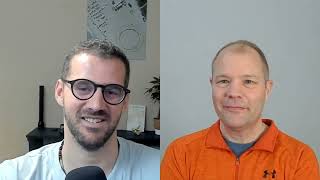
In this episode of the Regenerate Your Business podcast, host Ernesto Mandowski interviews executive coach Brian Walch, founder of Shift Focus Coaching and Consulting. The conversation traces Brian’s 25‑year consulting career, his transition to executive coaching, and his passion for developing middle managers. Brian explains when middle management becomes critical (around 100–200 employees) and describes his assessment approach, which includes simple culture‑diagnostic questions about onboarding, performance management, and termination. He introduces a coaching framework that categorizes development into three stages—Practice, Perform, Pioneer—and four domains—Skills, Results, Relationships, Systems—illustrating how managers progress and how results shift from activity‑based to outcome‑based metrics. The discussion also covers the role of reflection, the balance between group and individual coaching, and practical ways listeners can engage with Shift Focus via the website and a weekly “Simple Sundays” newsletter. The episode closes with Brian’s personal definition of “regenerate” as creating something new and better from existing material.
Chapters
Hello, everyone. My name is Ernesto Mandowski, and I am your host of the Regenerate youe Business podcast. Today we have an exciting episode with Brian Walsh. Before we dive in, I'm going to share a little bit about Brian's story. So Brian is an executive coach, writer and speaker with over 25 years of experience in various leadership roles. As the owner of Shift Focus Coaching and Consulting, he specializes in helping organizations develop their managers and create effective culture. With a background in hr, it, finance and operations, Brian has worked with clients across different industries, leading projects that transform business and improve systems. He's dedicated to empowering managers to lead themselves, their teams, and their organizations through the development of tools and programs. Brian, welcome.
Thanks, Ernesto. Excited to be here.
Oh, yeah, fellow systems guy, fellow organizational structure guy. This is going to be. This is going to be a great conversation. So how. How did you get started? Or how did you, you know, how did you land to where you are today?
Yeah, it's kind of a variety of circumstances led me to this. I'd always kind of wanted to do my own business, but our Oregon, our consulting firm, was going through kind of a transition, and rather than take a different senior role, I decided I would go venture on my own and try something on my own. And so I left about a year, almost two years ago, and ventured on my own.
And with that consulting firm, were you working in similar, know, management cultures and training?
Yeah, we grew. I had been with them for 25 years, so we grew from 25 people to over 200 people. At our height, we had seven offices. And being with them, I filled just about every role. I led HR for about four years. I ran recruiting for probably almost 20 years. I ran offices, I ran projects, did technical work. So I'd filled almost every role and had a lot of experience with both employee development within our firm and then also when I would do projects, working with managers and people in other organizations and kind of seeing how their cultures worked.
And so you've. You've had many roles. You've worn all the hats or many of the hats. Which one, which one's the best? Which one's the most important one? Which one's the favorite?
It was really surprising, you know, coming from. I mean, I started out as a software developer and I had kind of developed my career that way. You know, moved into kind of technical project management and was doing recruiting to help out the company. And we got to a size where we needed really focused strategic HR leadership. And I kind of went into that role being like, well, I'M willing to do this. And it surprised me how much I really gravitated toward working with people and helping employees develop and how much I really enjoyed that. And, and that kind of awakened something. So even though I only stayed in that really dedicated HR role for four years, I never really stopped the kind of employee development kind of thing facet, you know, and exploring that. So that was the most, the most rewarding. And really what kind of ultimately, kind of reflecting on that ultimately led to this career path.
And so, okay, you've spoke about developing people. Dive, dive into that a bit more. Because people in hr, that's, that's a broad, it's a broad topic.
Yeah. And in consulting, it happens. You know, consulting is like a great environment for, for developing people, but you have to be, you have to be conscious of it. And what I mean is we were doing a variety of projects. And so, you know, you go and you work on this project and projects can be varied in size. It gives a lot of opportunity for people to fill different roles on different projects. So, so even though you're a programmer, you might move into project management on a small project or technical lead, you know, working under a more experienced kind of technical project manager. And so the, the idea of developing people was really helping to find those opportunities where you could work on a project and do something that stretched you, but also find something that was personally rewarding. And so like, it just, it's a very dynamic environment. And so that's when I think about developing people, I'm like, that's what I really got excited about. Kind of matching up people's passions and interests with the opportunities and the roles and then delivering project success for our clients.
It sounds like, you know, you said finding these projects that, you know, stretch people a little bit, is that like getting them outside of their comfort zone?
Yeah, it can be. I mean, you know, a lot of us, like, as I look at my career and several of my peers as we progress through this, there were times where we stepped into roles where we weren't really excited about. And even hr, I would say, was kind of that role for me. And once we got into it, we realized we were learning certain things that were really valuable. For example, I remember one of my co workers, he got put into very much kind of a maintenance role and working on databases and big systems. And it was kind of one of those non glamorous roles. And he spent probably a year there working on it. And afterwards he reflected back and he was like, wow, I never understood how some of My design choices manifest themselves in the operational and the maintenance of this thing, that it really made him a much better designer. Just like, you know, the HR experience, I didn't really realize how much helping people, you know, how rewarding it was for me and also how much it powered the business. I mean, it was really. You don't get that perspective until you get into a role.
To a certain level, it sounds like, it sounds like, you know, and almost like people who are listening. A typical entrepreneur, you know, we're, we're wearing so many hats and most of the time I would say we're doing things we don't want to do, but doing those things. Sometimes on the other end of that challenge or obstacle or thing we don't want, there's like this magnificent learning that happens.
Yeah. And almost like you get, you gotta, I mean, some degree. That's why reflection is so important because you go through these things and especially when you don't like it, you're kind of like, I'm glad that's done with. And. But if you, if you take a few minutes, you'll also realize like, you grew through it. Just make it through. You grew. And so there's kind of two sides of that. It's like do the uncomfortable things and reflect a little bit.
Yeah. So is that something that you now are teaching and through, through your work, teaching people about that reflection element?
Yeah, it comes. Definitely comes up in coaching a lot. Coaching. Those conversations are a little bit of like planning for the future. And then also people, because they've thought about, you know, a situation they're going in or how they're going to show up in a situation, they also. There's kind of a natural time when we come back together to, to reflect. It also happens when, you know, a lot of times you're coaching people through sign kind of some big decisions and you have to ask, like, what, what in your past can you use to help you make this decision or have you experienced success? And there's some time to kind of think back and often people will find something that was surprising, like, oh, yeah, I did this and now I think I can do that.
How do you, you know, I talked to several different people around decision making contexts and as you're coaching people, do you kind of approach it from like a, like a mental state? Like, you know, logical decision making? Is it a physical reaction? Is it an emotional thing? Like how, how do you help people navigate different, like decision making criteria as they're, as they're evaluating?
That's. That's a, I guess probably a somewhat personal, personalized experience or question. And that's as I've gotten into coaching. So I, you know, I, I, when I left, I was not a coach. And since I left my employer, I've gone through a certified executive coaching program. And part of that is learning to help people process things the way and give them the room and the space and the questions to process things the way they need to. And so for some people, I think it is kind of an emotional, you know, decision making process. For others it, it's, it's more, they get it bring in some outside perspectives and for others it's very much a tactical, like what are all the options I need to consider? So I guess to not answer your question, it's, that's what I love about coaching is it's like it's all those depending on where the person's at, how they think about the decision and how they want to, what they're ready or what they want to approach that decision making process.
Sure, sure. It's, it's, I mean, meeting people where they're at and understanding how, how they process and just, yeah, and then just letting them be, letting them.
Right, right. Giving them the space to do that. Yep.
So, okay, so two years ago you left your consulting gig that you've been for 25 years. You went through an executive coaching program, certification. And, and what, what, what are you up to now? You have, you have shift focus as a company. And what is the focus of shift focus?
Kind of like you said in my bio, I am really passionate and want to help managers and really like, you know, a lot of people are managers, but really that middle manager is the one I have the most empathy and you know, really want to see them succeed. I think they have the biggest opportunity both to experience high level of job satisfaction and enjoyment and impart that on others and drive business results. So that's, that's what my business is about is, is focusing on helping support managers help their organizations develop them and, and build that culture that really becomes kind of like a, a pipeline for continued growth in the business.
How, at what point do, at what point does middle management as a concept become important in, in the organizational development timeline? You know, you have, I, I personally, I work with companies. Some are at 100,000, some are at 3 million, some are 8 million. Do you think there's like a right number? Because, you know, some, some of these CEOs that are listening, you know, you know, it's the CEO and maybe their partner or COO and then they have these, the entry level people. But I believe like there is a point where management needs to come into play. What do you think is the right time for that to happen?
Yeah, I don't have like a fixed number, but what I've seen in the organizations that I've worked with is, you know, at say 100 people, you're, you're starting to build kind of a middle management and you know, it doesn't need to be really formal and it kind of works fine and you got pretty intimate relationships. At 200, if you're not actively developing 200 employees, if you're not actively developing a middle management layer, I think you start running into the, the limiting your ability to continue growth because you, you know, at that point you need to start thinking about how do we develop leaders that can move into more senior roles. You have, you starting to have some transition. So 200, 300, that. And I'm thinking like professional. It might depend be different if your number of employees. You got a lot of like line workers. Sure, sure. But, but that's kind of what I've seen. And, and then when companies get to a certain size and I don't know what that is, you know, thousand, they're definitely getting more formal programs and things like that. So that's, that's generally been my experience with what I've seen in the market.
And so when you come in to these organizations, like how does it, how does it work? How do you, how do you step into a company, see what's happening? Do you us like, what does your assessment look like? How do you, how do you make a quick or not a quick decision on what's happening, what needs to happen to really elevate that management culture?
Yeah, a lot of times because of being an executive coach, a lot of times I'm coming in as a one on one and you know, somebody wants some coaching. We're going to work on a one on one basis and then grow, you know, kind of grow my practice within that group as I get to know them. We, I do offer a group coaching program. And so with that what we do is we'll come in, I'll come in and do kind of an organizational review, get a kind of, get a lay of the land, say, you know, here's kind of how things structure and lay out a plan for a group coaching program. And then like we were kind of talking about, I've got kind of a, I guess you call collapsible offer, but you know, like group Coaching, individual coaching that's more intensive, and then a continuous improvement plan. Like, I'm going, yeah. So then that's kind of like moving from a group to the leader to the organization
and these, the coaching.
So how.
So let's unpack management culture a little bit. What does that mean to you?
You know, if you think about culture, I mean, the base way I think about culture is like, what do people do? How do people act? What are their behaviors and you know, what are their beliefs? What are the practices? So management cultures, really, how do you do that at the management level? And you know, you often see in companies one or two good managers, one or two really bad managers. And so management culture is like across all your managers and your management philosophy and style, how are you behaving? What are your practices and kind of what's common across the whole group?
I got it. And so are there like five or seven or different, you know, nine different attributes that you're measuring this culture against? How, you know, maybe the people that are listening right now are thinking like, oh, I have no idea what my culture is. What are some questions they can ask themselves or, you know, topics they could think about, reflect on when it comes to like figuring out if they even have a culture?
Yeah, well, I guess I would argue they do have a, have a culture.
Sure. Yeah, we all have a culture. Conscious or unconscious, we're doing something.
Yeah. And, and so that's really like that. It's almost that self assessment is, is a great place to start. Get, get the managers and say, okay, what is our culture? What is our, our mission, our vision, our values, and do a little bit of like, you know, kind of like a strategic planning process. How do we, you know, what are the things we do that are, that are common and, and then how do we want to intentionally build that going forward? So there are, you know, there are culture assessments. I haven't, I haven't like, embrace those or kind of like, you know, use those directively. So I, I tend to go more with kind of a facilitated approach as opposed to, you know, I guess an assessment led approach in terms of culture.
And okay, so more of a facilitated approach. How so you, you mentioned, you know, there are, there is a culture whether they, it's conscious or not. What are three questions that a listener can ask themselves right now to assess if it's, if their culture is good or bad?
Oh, Ernesto, that's a good, that's a good, tough question. I would, what I would do is do some interviews and so I would ask I mean some of the questions I would ask is how do you onboard a new employee? How do you manage performance of an existing employee? How do you terminate an employee? And I think answering those three questions, having all of your managers ask those three questions would give you a really good idea of how consistent or how diverse that culture is. If you've got really good alignment across those three, then you've probably got a kind of a well understood culture. If you've got, you know, one manager says, I don't, I don't know, we just throw them in. The other one's like, oh, I got this very specific process. Then you might have kind of, I guess you call it a weak culture.
Yeah. And how, what happens when you identify that someone you know totally is just ah, just kind of do it like how do you, how do you approach that person? Because you know, whether. Now we're talking about culture, but might as well talk about scoping a project or running a sales call. Process is a process like how do you recommend people approach their teammates, team members that are totally, I won't even say out of compliance, but just totally not putting intentionality behind their work? How do you kind of bring that up? How would you recommend someone bring that up?
Yeah, I actually have developed a framework for this that is really focused on how to help people progress within their role. So the first thing is identifying like what are, what stage are they at? There's three stages. You know, the practice stage where you're learning, your reform stage where it's like you're getting good at your role, you know what you're doing, you can handle things, things that come up. And then the pioneer stage, which is like, I'm ready to do something special, I'm ready to make my mark. And so, okay, you know, if somebody's at the practice stage, then how you're gonna, you know, coach them and work with them is different than if they're, if they're at the perform stage. And part of the, part of the problem is like sometimes we think oh, they should be at the perform stage and they're really still at the practice stage. And, and then you gotta decide like, can they get there? You know, can I help them get there or is this not a good fit and do we need to find a different place for them or do they need to start looking for other opportunities? But that would be the first thing is like identify the stage and then think about what are the. We've got four domains that they can develop on skills, results, relationships and systems. Think about what do they need to progress in their role and what can they do to, to do that.
Skills, results, relationships and systems. So that's kind of like tools to build capacity in that specific role or responsibility.
Well, it's like, so the way it works is, is you know, you've got the practice stage and you've got four domains. Those four domains you would identify for that role. What are the elements for each of those DOM that person needs? So, so just as an example, like if some, if a manager's at the practice stage for relationships, they need to have a relationship with their boss and relationship with their employees. They need to have, you know, they need to know the HR system, they need to know time management and communication skills when they go to the perform stage. To be at the perform stage, they probably need project management skills, delegation skills, they probably need relationships with maybe the executive team with a client. So there's different, different. You know, they may need to know more about the accounting system to be, they may need to have better idea of what, like what are the organizational KPIs that they influence with their results. So it's like defining those elements for that particular role in that stage and then giving the employee a chance to say, what do you want to work on? What goals, what's a goal for each of those domains? And these elements, what's a goal you can work on to progress?
And then I'm curious now, like results, is results more like leading actions or lagging results? Like is it, is it results of taking an action or is it more like results like an outcome?
Well, could you give me an example of like those two?
Like if you're like if you're a sales development rep and you're in the practice stage and so we, you said there's, there's systems, there's relationships, there's results and there's skills. So you know, you need the skills of like conducting a discovery call. You need to understand how it works. There's the relationships of maybe having a relationship with your sales manager. There's the system of like understanding the CRM and then there's results. So is results more about hey, you need to make 100 phone calls or is it, hey, you need to close 10 deals? Because I think a lot of people listening, they set goals for themselves, but they're set, they're setting outcome based goals which are really tough to set. And so I'm curious, like when you're teaching people in your SSRR framework, how do you think of results?
I would you Know, for each role, it might be different, but in your example, I would say a new sales rep coming in. It would be the activity, like.
Right.
You can't figure. You got to figure out how to make calls, get calls. But then when you get into perform, like, right. So, like, that's the other thing that if somebody's not performing and they want to, like, they're like, hey, I want to go do this, you know, open up a new market. And that'd be like a pioneer thing. Right. Well, if you're not getting 10 deals close, then, then, then we got to work on that. Like, then you need to go back to the, like, you know, how are you coaching them through the sales process? You know, how are you closing? Are you, you know, are you looking for other opportunities? Whatever, you know, the sales coaching they need. So your, your results may be, you know, may change from activity based to outcome based.
Yeah.
As they progress. And it's not, you know, it's a, It's a, it's a, it's a continuum. It's not like, yeah, you've passed the threshold. It's like, you know, if you do a bunch of calls, you eventually should be closing things. And if you're not, then that's a discussion we need to have.
Yeah, I like, I like that distinction, Brian. So this has been awesome. I've really been enjoying talking through culture with you. How can people connect with you? What is the best way for people to reach out if they want to, you know, talk culture or talk coaching or anything we covered today?
Yeah, best way is just go to my website, shiftfocus.com, s h I f t f o c u s shiftfocus.com and from there you can, if you want to book a call, you can book a call or I also have a weekly email. I call it Simple Sundays. It comes out every Sunday with tips, and some of the things I've presented here even are included there. So that comes out every Sunday and you can register for that at the bottom of the page. So that's the best way. Shiftfocus.com Cool.
All right, we'll have that in the, in the show notes. And my last question for you is, what does regenerate mean to you?
That's cool. I actually love the word regenerate. To me, it's like taking existing material, whether it's been destroyed or even sometimes it can be intact, but creating something similar but. But new and something better. So that's what regenerate means to me.
I love that answer. Thank you Brian. And thank you so much for spending some time today sharing your wisdom for those listening. Thank you for hanging out for today. We hope you took some knowledge nuggets from Brian and we'll catch you on the next episode of the Regenerate youe Business podcast.
More from Brian

Episode 116: Guest Brian Walch - The 3 Stages of Career Growth: What Engineers Need and Managers ...









