BECOME a Childcare Director and Launch Your Dream Career!
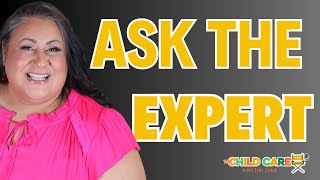
This content was created by Building Blocks. This content was uploaded by Building Blocks. This is a YouTube video titled "BECOME a Childcare Director and Launch Your Dream Career!" created on April 4, 2023. It features Erica Sakoshio providing advice and tips for aspiring childcare directors, covering topics such as resume preparation, portfolio creation, necessary skills, and interview strategies.
Foreign.
Hey, guys, Erica Sakoshio here with the child care director's chair. And I'd like to be the first to say congratulations. You are ready to go out and apply for that job as a child care director. Today I'm going to give you the top tips on what you should do to prepare so you can really land the job and knock their socks off. So, as somebody who's been a child care director or owner for the last 23 years, I have been through a billion interviews with many people who are prepared and many people who are not. So today we're going to get right into it. The first thing is you apply on Indeed or you apply through their website. That's great. Still come in with the resume. Even if it's the same information, a resume just shows that extra level of professionalism and the extra level of that ukia you really want the job. The other thing is make sure it's a really great resume and it highlights all of the skills that are necessary to be a childcare director and that your contact information and all the information on there is updated. I can't tell you how many resumes I've gotten that weren't updated or they didn't have the right email or they moved from another state and they had the their old address instead of their new address. So make sure all of that is on point. So freshen it up. I know that sounds like weird advice, but I can't tell you how many people show up and don't have a resume. Number two, put together a portfolio. A portfolio of your work in the classroom. And maybe you work outside of the classroom. You have to really understand what employers are looking for. And they're not just looking for bodies. They're looking for people who have skills, drive passion around something. Maybe you're the captain of a bowling team. I know that sounds really weird, but maybe you're the one that puts everything together and you hold events and you, you have skill sets outside of the classroom is my point. So make sure when you're putting together your portfolio, it shows what you can do in a classroom. If you've already been a director in the past, I would make sure that you put as much information in your portfolio about the skills or opportunities you had at your last position. The next thing is make sure if you have certifications, you bring them cpr. If you have a Ryles or an ERS or an ITER training, anything that you have had in your state that helps certify you as a person who can actually do the job. Obviously transcripts are always great to have as part of your portfolio. Like lots of people graduate from college, there's lots of different course studies. But by having your actual transcripts, it gives the employer an opportunity to see what courses you have taken that may have prepared you for the job. Not all courses of study are the same. The other thing I would say is if you have all of your training in the early childhood field or.
Youth field, maybe get some additional training in the business aspect of, of running a center because that is going to be a great deal of what you're doing in the day to day. Also, the way that you dress. Now guys, this should go without saying, but I can't tell you how many people have showed up with flip flops and yoga pants to an interview. Not a good look, you don't have to wear a button up suit. But we have something that is reflective of the way that you would typically dress as a director on the day to day. So they have a good idea of your style and your vibe. The last thing we should go without saying as well is never talk bad about your previous employers. If they ask why you left a position and maybe it was something that you felt the program and you just weren't a good fit anymore. It's better to say things like I decided to pursue other, other opportunities I wanted to grow. But never badmouth any program that you worked at previously. That is a red flag and it really turns a lot of employers off. So there's that little piece of advice. So those are some of the things that you should have or should or should not do. The next part is do your research about the program. Look at reviews, look at reviews that families are saying, look at reviews that communities are saying about the program. And then also check out reviews on Indeed and Glassdoor. Those can give you an idea on what the vibe is on the staff culture directly from employees, either past or current. Look at their website. So their website will tell you so much about their brand. I hate it when people come and apply at my program and I ask them what do you know about my school? And they say nothing, I don't know. I saw it on Indeed. That's a horrible answer. Do your research. Do you even want to work there? You want to make sure you understand what that program is about, what, what their philosophy is and does that fit with what where you're at because you're not going to be very successful and not be there very long if it isn't a good match. So you Want to make sure that that interview goes both ways. You're asking them questions and they're asking you questions. And you both should be as prepared as possible for that interview. And then also have a list of questions that you want to ask. The worst thing is when an interview does, you know, all of the listening and the person who's interviewing you does all of the talking and you don't talk back. So have a list of questions because it shows that you're going to be engaged, it shows that you have interest, it shows you take initiative. There's a lot of things that it shows about you with. Regardless of the answers and regardless of the questions, it shows that you're prepared and you're diligent. You pay attention to detail, you know what you're doing. So that would be my advice on preparing yourself. The last part is you want to showcase your skills outside of the classroom. So just because you're a great teacher, and I'm sure you are, doesn't mean that you would be a great director. And at the end of the day, I know that most directors have an office and have a desk and you know, socially it feels like it's a jump up in the career lattice. But to me, I feel like directors really are there to serve the staff, the children and the families. It's almost. It's almost the other way is. The way that I look at it is it's more of a selfless position. It's not a position of power. It's a position of influence, but not a position of power. It really should be used to support others and be a great leader. But outside of that, what skills do you need? You should have a good understanding of marketing, problem solving, understanding your regulations. If you have not looked at a recent copy of your regulations, you want to do that before you apply for a director position. Are you good at public relations? Like, what type of events have you held or what committees have you been on? What opportunities have you been able to have where you were in front of a lot of people? Because again, a director, if you are nervous about public speaking, a director might be a challenging position for you. If you have to be in front of an entire school of families and teachers and give, you know, opening speeches at graduations or.
You know, just open houses, there's so many opportunities where you would be expected to be public speaking. So if you're not good at that or that makes you nervous, that would be a skill set that I would definitely recommend a director or those applying for a director position. Have leadership skills? Do you have leadership skills? Think about when you were in the classroom. How did you get along with the co teacher in your room and the other teachers? There are different personalities and you have to be very skilled at working with many different personalities. So if you're not skilled in that area, get skilled before you apply to be a director in a childcare program because you will be working with many, many different personalities. Understanding terms like fte like what is that? You need to know what it means. You also have to understand the business side quality rating systems, understanding the value of one customer and if you lose one customer, what is the bottom line for your program when that happens and understanding daycare math. So those are some of the things that you would want to showcase when you go apply for that job. Here are the areas that I have exper experience in. Here are the areas I'm going to get training on. Here are the areas I think I could be better at and how could you as my employer support that in my role as your new childcare director? So hopefully if that was helpful for you, please hit the subscribe button. For more content like this. You can also put your question in the comments below. For the Ask the Expert segment, we'll come on and we will answer them for you. If you want more information on business side of child care, visit our website at www.stellabusiness concepts.com. also we have a sister channel, Practical Biz Podcast. If you love podcasts you can hop on to that and hear all about the different business aspects of running a business. So thank you for tuning in. This has been Ask the Expert at the Child Care Director Share have a good day.
More from Building











Tackling Tuesday, a Day in the Life of a Childcare Director (Laugh a little and remember the joy)