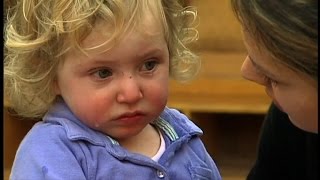
This Building Blocks YouTube video (uploaded Aug 3, 2021) explains children’s personal rights in California licensed child care. It lists specific rights and prohibitions (e.g., no spanking or physical harm; no withholding of food; access to bathroom and uninterrupted sleep; protection from mental abuse; restrictions on restraints and leaving children alone in cars; cannot deny prescribed medication or medical care) and instructs providers to ensure all staff, volunteers, and family members understand and protect these rights. The video also advises how to handle parent requests that conflict with these rights and points to licensing program analysts and community child care resource agencies for training and questions.
Chapters
Bye.
Bye, Daddy.
We'll see Daddy later.
Bye. Bye.
That makes you sad.
The list.
Can I give you a hug, sweet sweetie?
He's a lot of fun. And we'll see Russ later when he comes to get Amber.
Would you like to do some more bubbles with us?
Yeah. In California, children have personal rights all their own. When they are in licensed childcare, child care providers must know, understand and protect these personal rights.
Your commitment to children's personal rights is an important part of promoting the emotional and physical well being of the children in your care.
All adults working in child care, whether staff members or volunteers, must protect these rights according to state laws and regulations.
Violating children's personal rights in any way is an immediate health and safety risk and requires immediate corrective action. In addition, a civil penalty may be assessed.
What are children's personal rights in child care? Please be sure to review the full list of personal rights on the Community care licensing website. They include Children have the right not to be spanked, slapped or physically hurt for any reason whatsoever. Children's sleep should not be interrupted and they should not be kept from the use of the bathroom. Food cannot be withheld from children in order to discipline them. Children have the right to be free of mental abuse, such as coercion, intimidation, humiliation, ridicule or threats. These are not allowed. Children can't be locked in a room or building. However, facilities may keep exterior doors and windows locked as long as they remain in compliance with local fire codes. For a large family, home or center, children cannot be placed or restrained in any device if it's not being used for its original purpose. For example, high chairs are for use only during mealtime. Car seats are used only for transportation. Children can never be left alone in a car, including when they've fallen asleep in the vehicle. And you can never deny children prescribed medication or if the situation arises, first aid or medical care. These personal rights must be upheld by everyone working, volunteering, or having any contact with the children in a licensed child care facility. As the licensee, you are responsible for ensuring that all adults understand and protect these personal rights.
What if a parent or family member requests actions that conflict with children's rights?
Parents or family members may request that you treat their children in a way that is inconsistent with personal rights guaranteed to children in child care. Perhaps a parent wants you to wash their child's mouth out with soap or withhold food if the child uses inappropriate language. You need to remind parents of the personal rights form they received when they enrolled their child in care.
If needed, you can also review your facility's discipline and guidance policy. Most importantly, work with families to address their concerns while upholding each child's personal rights.
How can I learn more about protecting children's rights in child care? The licensing program analyst assigned to your facility can address questions you have about protecting children's rights. In addition, the child care resource and referral agency in your community may offer training on personal rights. This training can be made available to all adults working or volunteering in your facility.
Here are key points about children's personal rights to keep in mind. As a child care provider, you are responsible for the emotional and physical well being of the children in your care. Any violation of a child's personal rights is considered an immediate health and safety risk and can lead to further corrective action. In carrying out this responsibility, you need to ensure that all adults in your facility, including family members and volunteers, understand and protect the personal rights of children. It.