The AI Revolution Call: Why is everyone talking about Claude?
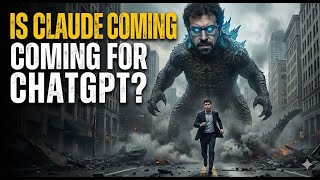
In this hour‑long panel hosted by Bryce Smith of 10,000 Days Capital, resident AI expert John Dio and guest Craig Delon discuss the current AI landscape, focusing on Anthropic’s Claude and Claude Code. They compare Claude’s coding prowess to other models (ChatGPT, Grok, Gemini), explain the distinction between green‑field (building from scratch) and brown‑field (modifying massive existing codebases) coding, and describe Claude Code as an autonomous agent loop that can manage end‑to‑end software development. The conversation expands to the broader impact of AI on software valuations, the emergence of new GUI‑style AI interfaces, persistent memory, and the shift from chat‑only interactions to visual, canvas‑based tools. They then explore robotics, especially humanoid platforms like Tesla Optimus and Boston‑Dynamics Atlas, discussing vision‑language‑action models, the economics of robot leasing and app stores, and the timeline for physical AI. Historical parallels are drawn to early personal‑computer revolutions, the evolution of UI from command‑line to graphical, and the long‑tail nature of app creation enabled by platforms like Replit. The panel also touches on the massive scale of AI compute (gigawatt‑scale data centers), the debate over an AI bubble versus sustainable growth, and the role of data‑warehousing platforms such as Snowflake in supporting AI agents. Throughout, the participants balance enthusiasm for rapid innovation with caution about market dynamics and the societal impact of AI‑driven automation.
Chapters
Okay, did that show, or I think it just got the end of it. Yeah, you did that. Yeah, you did it before he did it. So go ahead, run the— this is our opening.
Show one more time for—
all right, this is a work in progress, but here we go.
All right, Craig, nice job.
That was made on 3 prompts in Google Veo. So, you know, we'll keep working working on it, you know, make it better over time.
Excellent.
That was great. Um, this is the AI Revolution call, as you just saw. Um, that's Craig Delon, um, and I'm Bryce Smith. We work at 10,000 Days Capital, and then we have John Dio, as always, who is our resident AI expert and is an industry veteran and works presently in AI. So if you have questions, uh, we will direct all of them to John. And I'm Bryce. My real name's not B Money. That's, uh, what the kids on the street call me when I rap and stuff.
I don't know.
No, um, well, cool. Well, as always, there's lots of news, um, to talk about on this call. We talk about AI, robotics, and space. Sometimes, um, we hit on investing themes, but we also talk about technology and societal impact and all those kinds of things. So where should we— where should we begin? There is lots of news. I was just reading some earlier. But John, anything on your mind? Anywhere you want to start?
I'm keeping count of the— I think there are now 3 ChatGPT moments.
Okay.
One of them's ChatGPT. Okay.
That's interesting.
One of them is, as far as I could tell, one of them is Uh, the Nano Banana graphics ability, which is so good with words now that it can just do a lot of real, you know, business stuff. And so, and which already has had something like, I think, a billion images, uh, created even though it's been out for like one month or something. And then the other, uh, of the three would be Claude Code, which is, um, just going nuts. And, um, like Everybody is talking about it, everybody's using it, and it's having these kind of spin-off things like, uh, Cowork, uh, and so forth. But those three things are— each one is a, is a phenomenon, uh, of its own.
So, so why— let's talk about Claude. Agree with all of that, John. Um, let's talk about Claude because it is having a moment. Um, I'll just throw in a couple pieces of news. I know xAI was using Claude code to help improve Groq, which is also a competing AI service. And Anthropic found out about it and they cut, they cut the xAI guys off. They said it was a violation of their terms to build another, you know, to use their service to build another model. So and then Elon tweeted something like, you know, the next version of Groq will be really good, but it's probably not going to be as good as Claude at coding. So what, what has Anthropic figured out? What, what, why have they, why are they winning? Will they keep winning?
Yeah, I don't know. I mean, I know it's, uh, it's what they aimed at, you know, so they, like others aimed at different things, you know, different models or, uh, have different thing they, they try to be best at. And, and, and when Anthropic decided that's what they were going to be best at, they decided there were other things that they weren't going to be best at or aiming at even. So they're like, this is what we want to do. And the reason to aim at code is because it kind of underlies everything. You go get best at it, then you can be best at the thing that can be used to make the other things more, you know, make, make, make it automatically.
Right. That sort of flywheel.
Yeah.
Before I forget, too, I should mention our fearless leader Cody Willard, who is the founder of 10,000 Days, is not here. He is fearlessly traveling the world. Meeting with investors and the like. He's in Abu Dhabi presently. So anyways, but he'll be— he should be back probably 2 weeks from now, you know, not next week, but the week after. But back to this discussion, John, one of the things I keep thinking though is like we were promised, or, you know, this idea was with OpenAI was like chat, you know, AGI, generalized intelligence. And yet, as we've gone further along, the intelligence has sort of become more specialized. Like ChatGPT is good at conversations with people, being a friend, a lot of people use it that way, being a health advisor. Anthropic is good at coding, obviously. Grok, I think, is pretty good at physics and things like that. Gemini, good at images. So what, what, how? It just isn't it a little surprising that we have like domain specialties within general intelligence engines.
I'm not sure that it's so odd. And I think that, you know, OpenAI is great at coding. It's just not as great as Claude. I mean, so like, can it do all these different things? It's, you know, really, you could look at OpenAI and it really can do all these different things. In fact, it could do more different things than Claude. Um, somebody was talking about how they, um, basically took different paths, you know, where like, um, Anthropic went after, we're going to try to be safe and provably correct, and, um, you know, you can count on what happens and so forth. And OpenAI went for, we're going to hit the market with as many innovations as we come up with. And so they had video and graphics creation and many different things that Claude just doesn't do. That was their thing, was to get out there fast and get it in people's hands and see which ones work and stick to that. Different philosophy.
For the people that don't really understand coding on that level, What exactly, I mean, is there a good analogy you can use to kind of describe what Claude does that the other ones can't that really separates them from the pack in that regard?
I'd say that it does well with large existing code bases where they're all doing this vibe code thing and Gemini for Google does it as well, where you could say like, here, type in a paragraph about what you want your application to do, or you want to have a website that, you know, you're going to describe it and then boom, it exists. And that's what they call greenfield, meaning it's like it's starting from scratch. There's nothing there that it has to worry about. It just goes and makes this thing. So they all can go do that. But what's called— I get— I think it's called brownfield is the other way, but where you have an existing, like, here's hundreds of thousands of lines of code people wrote and it's messy and it's there and you want to be able to make changes in that that will actually work and not break everything. That's the kind of sophistication you get.
Thank you. That's such an awesome description of it because that totally makes sense. Like if you're building something from scratch, you have plans, all new materials, you know, that's fairly easy compared to like coming to a huge mess and doing a whole reconstruction. Of something that people can envision that.
That's just talking about Claude, but now talk about Claude Code. Claude Code is like a generic agent loop that is able to be used for code development and for lots of other things. What that means is you can give it stuff to do, And it will go and do those. And it can go on repeat. It can hand one thing off to something else. You can give it new skills along the way that it knows when to bring them to bear. And so the more you use it, the more sophisticated it gets as a setup. And people are using it. My team is using it. As a development tool that brings us to where you don't even code anymore. But it's not that you're doing this vibe coding thing, you're actually doing sophisticated AI engineering, but you're doing it at a higher level where you're describing in what you want to have happen with your code. But you got to really understand architecture. You really got to understand what the things are that you're making and the tests that you're going to put it through. But now the whole process, the whole software development process can be managed and automated by Claude Code and it changes the game. In fact, Anthropic built Claude Code using Claude Code.
Wow.
It was 100% automated. It was 100% created by the AI.
I do think, John, it seems like there has been a paradigm shift with software. And, um, I, I've sort of been on the fence that, like, you know, a lot of the legacy software companies, uh, are pivoting, will pivot. They're not all necessarily screwed by AI, for lack of a better word. And, and I think that is probably true for some software names. But, um, in terms of investing in software, it doesn't seem— it seems like the market has decided that it will no longer ascribe the valuation to SaaS companies that it formerly did because of this new threat of AI. And when the machines can build their own software like you just described with Claude, I mean, that is a fundamental change in what software means and what it does and what it's worth. Um, and so I think we've talked about a framework we're working on to kind of evaluate software companies by, you know, how they're going to survive this AI thing. But there, there sure is. I mean, if you're in the software industry right now, you have to be like, red alert to use the OpenAI thing, right? Like, if you're— whether you're Salesforce or just some random SaaS app for plumbing or something, you know what I mean? Like, AI can potentially build this stuff from scratch. And even if you end up surviving through all of this, you're probably not going to trade— your stock's probably not going to trade at 25 or 30 times sales unless you're really special. You're probably going to get an ordinary multiple like most other businesses do.
So we've got to be careful when we say that, um, you know, like Claude Code did the coding. It did the coding, but it couldn't have— like It's not like anybody could come along and say, hey, hey, hey, Claude Code, go make me that code. Because what it did was just the developers, the engineers up-leveled and still had to be there saying what they wanted to have happen. And they needed the very high level of expertise to get the right thing to come out of it. So what they got was not, you know, replacing the coders or anybody could go do this or so forth. What they got instead was a great increase in productivity on what they're putting out.
You know, but like, if for these companies where the product is sort of your user interface and the ease with which humans can do things, like, there is no easier way to do things than just talk to an AI or, or manipulate an AI somehow, like, A lot of software is organizing things, making rules and interfaces so humans can understand it. But it just seems like it's going to be so much easier for a lot of those business processes are just going to be almost verbal communication where you can query a database with voice, like in a language instead of having to know SQL, for example, how to manipulate a database.
Yeah, I think that it will— it is getting far easier to, you know, ask for information that you want. I still, like I've said before, don't believe that chat is the end-all interface or even voice. I think that, you know, a picture is worth a thousand words. Being able to see a couple blank spots on my calendar versus you telling me that it's Tuesday at 10 and Thursday at 2. Some things are just easier to manipulate visually. But that's more like going from what we now have in terms of UI to chat and so forth to a custom occurring UI where it's going to visualize the way it needs to for the thing it's showing me right now.
So yeah, do you think then, John, that maybe the graphical user interface, the GUI, GUI for AI is yet to come? Like there is going to be another way in which we interact with all of these AIs beyond just chat?
Yes. So somebody came out with a thing for, again, Claude Code, or, you know, what was it called, Cowork or something? Where they go and ask Claude for something, and then it's this kind of blank canvas that fills in with what it needs to, whether it's a grid or a chart or something. But it's like alongside the talking that they're doing, it's this assistive interface. And it's like I'm saying, it's generic-ish. It's not like, oh, screen number 3 that you always see when this or that. It's like, no, the AI is telling me something, Because of the thing it's telling me, it goes and generates something to look at that goes with that.
Part of that has to be too that it has to have persistent memory. If you build something that's useful, that it's there the next time you log in and not a fresh chat or something. Is that part of that as well, you think?
Yeah, there's a lot of work going on with persistence or storage or memory. I've already done with the AI gets remembered and how things that got created, which might take up a lot of space, you might go, oh no, that's not going to fit in the context or something. It's like, don't worry about that. It's in a place where it can get at it and make use of it and so forth.
Yeah. You can almost picture something where if Craig or I build some interface with— you start off, maybe you chat with the AI, for some business process, I don't know, sales, and you build something and you sort of like, you're like, okay, I like this, what the AI has created, the graphs, the charts, the interface. And you sort of like can save that almost and save it maybe even across your entire company so that others can also use it. And it almost becomes like an internal app, just, just like that, you know, that's sort of a piece that's missing right now. I know that there are, like you can now share chats and things like that, but that seamless, like, oh, I like this, click File, Save, and then everybody can use it.
There's a lot that needs to be figured out about how to work with all this stuff. In case folks aren't familiar, Claude Code is this really, thing that you use at the command line. It's like, why are people so excited about something that you open a terminal and it's like line by line, you're typing whatever. It's like, well, because what it enables and how it fits into the other tools that developers use is just so powerful that people are like, fine, I'll do it. But then a lot of folks have figured out how it's not even just for coding. It can be used to, you can tell it, hey, go look through this directory of my files and find the ones like this and write it all down over here like that, basically sending it off on these missions to turn one chunk of messy data into this other chunk of clean data. And so just last week or so, they came out with a new kind of layer on top of Cloud Code called— Cloud Cowork, and it's like your coworker, and it is the same stuff but with a bit of a user interface on it. And you could do those kinds of things and automate what it is that you do. And so the more people that pick up and start to use that, they start to say, wow, this is an amazing tool. It kind of does what I tell it at making all whatever different kinds of documents I need. It's like what you do with chat except it flips it so that it's not about the chat, it's about the stuff you're making and you're sending it off on tasks and you can go make one of those and now make one of those and it's doing it all at the same time. It's got a queue of things that it's going and working on and you're sending it off to do. Now they go, well, that's great and now we want to use that as an organization with how we like produce output that, you know, these data products within our business that then get used to make other data products that are— they're the output of this becomes the input of that, and it's all connected up. And it's like, do you understand your workflows? Do you understand what it is that you do that is passed along to what you do? And the more that a business understands that and can, and can kind of put the pieces of that together, they're going to make their entire business incredibly productive. And you're getting way out of just the kind of coding end of things into just knowledge work.
Yeah. John, this is sort of similar topic, but I'm reading the Steve Jobs biography by Isaacson, Walter Isaacson. I don't know if you've read it, but he does a great job. But it is so funny to me the parallels between like where we are now and sort of the early days of personal computing. And like, when it, when it first, you know, when they first sort of had computers, and you probably can speak to this much better than I can, but like, you're saying I was there. You were closer to there than I was.
I was there.
Yeah, I was like, you know, it's difficult for us, like for me to even grasp how it worked. But like, he was, he was talking about like, you're, if you're writing in MS-DOS or in BASIC, even with those early computers, and like literally you had to remember like, num— like orders of digits to find a file, like you created some file in the computer and you had to go punch those digits. Like you can't just— there was no File, Save As, there was no icons, there was, there was no graphical user interface, right? But it's just funny to me that like computers existed for quite a while before they finally came out with a graphical user interface and keyboards and mice and ways to like, to make all of that work. But it's funny, even with the Claude Codd thing, it sort of reminds me of those people back in the '70s, like typing into a— you're— I guess you're— I don't know, it wasn't a command line prompt, but it was— you were just talking to the semiconductor. I mean, you know what I'm saying? Like, there are some— there are some striking resemblances.
Well, everything's like— it's frontier stuff, you know. There was that— there was that frontier, there's this frontier. And with that frontier, um, the thing that I see in common— and I hadn't thought that there was much in common until you mentioned here— but, um, was the sense of wonder, the sense of almost unlimited possibility.
Yeah.
So I wrote my first, uh, application in BASIC. I sold it for $600 when I was 16.
Wow.
And it was to a company that was— a lawyer had this legal publication in New York, and he wrote like a little article about everything that went to a civil verdict in the whole kind of state, and was it, um, you know, for the plaintiff or the defendant. If it was for the plaintiff, how much was it for? And so I did like statistics and, you know, on the average this, and if it's that kind of injury, then, then, uh, you know, what were people getting for that kind of thing.
App to make for a 16-year-old, John.
Yeah, I, I, um, yeah, it was, it was, it was, it was pretty cool. I was— I did it on a TRS-80. With that had large, I think they were 12-inch floppy, very thin floppy disks that went in it. It was my father's computer that he had for his business, and I got to like teach myself what I needed to, to get it done. You know, it's funny that somebody was just interviewing Boris Cherny, the guy who created Claude Code, and they said to him, you know, you never You didn't go to college or you dropped out or whatever to do a startup. You know, you didn't study software engineering and you ended up as a senior software engineer at Facebook. And then this guy who created this most incredible program at Anthropic, he goes, do you think if you went back, you would have gone, gotten a degree, whatever? And he's like, no, he says, this is the kind of stuff— he didn't use the word plumber, but it's what I think of where it's like, It's a skill, and it's a skill to be around the stuff, uh, you know, uh, going on. And, um, I, I, I remember that I was concerned at the time I was working on writing this and everything. I was first learning this, uh, machine and how to code on it, that I— that if I did it wrong, I might make smoke come out of it. Like, I—
it—
am I gonna break it to that degree, because you literally— the way you could, um, peek and poke, which means you, um, were— you go and tell it a number that you want to put at a memory address where that memory address is in the range of the screen. So you could poke into the screen, like animation and stuff, by saying, I want that to be stored in that place. Wow, very direct, you know.
So when, if I can ask, John, when was that? And was that TS80? Is the TS80 a personal computer?
I'm gonna need to get water. Um, I might take a timeout. Um, so it was a personal computer, 1981. Um, Tandy Radio Shack was TRS, so it's around the same time as the Apple II. Okay, uh, yeah, and it was, um, it was before— it might have been around also right around the same time as, as like DOS. But, um, it was at the time, it wasn't about having even an operating system. There was— there wasn't— it was Tristom, but it was a sort of— it had an operating system, but it was more about like writing. Yeah, that's pretty close. It's not the right machine, but, uh, it was a Model 12.
Got it. Okay, this is the Radio Shack version.
Yeah, well, no, it was Radio Shack, but if you say, okay, look up TRS-80 Model 12. All right, we'll do. And you'll see what it was. But yeah, it was, it was about like the coding. You're going to use it, you're going to write BASIC.
It's also interesting to me that it was like there was a hardware revolution that was ongoing, you know, prior to the personal computer and mainframes and all that kind of stuff was going on. And then they're like, well, we can build computers for individuals that sit on a desktop. And that was like revolutionary. And even like HP and IBM were like, no, that's not— never gonna work. And those guys figured that out. But then like, there was a hardware revolution going on. And then finally a software revolution, like Microsoft and Apple themselves. And isn't it that also sort of an analogy? Like Nvidia is sort of this hardware revolution that's happening and has happened, um, with the GPU being used for many things besides graphics. But then simultaneously, we're taking that and creating software that is— that people, ordinary people, can use. You don't have to have— you don't have to be a programmer to know how to use the software, right? I mean, He froze. It's like, to me, there are so many—
you're back. You froze for a sec, or else I did.
Yeah, no, just, it's just, it's just amazing to read that history and see that there are so many parallels.
I think there are. And it's not that— it seems like to me that it's not that they happen to be similar to each other. It's that the first one that happened established the rules.
Right.
Hardware and software thing just became like, that's how it is.
Right.
And it started actually back around the time of Admiral, Admiral Hopper. Grace Hopper created COBOL. But she also created like the first program that could run on different machines.
Really?
So, you know, before that, every, you know, every individual machine you're writing the program like right on that machine. And so making that notion portable, that was in the, you know, probably the '40s or something.
Yeah. And yeah, you know, people like on Wall Street argue about like, are we in the year 1999? Or maybe we're in the year '95? Like, maybe you're like, and I'm reading that book, and I'm like, maybe we're in the year 1973. What if there— it's not going to take as long as it did the first go-round, right? But like, what if, if the AI and even Claude Code and the stuff we're talking about, like, 10 years from now, like, oh, remember Claude Code and how we used to talk to in the command line interface, and kids are gonna be like, what the hell is a command line interface? You know, like, like, I don't— it could be reading the book, it hit me for the first time, like, maybe we could even still be that early in this revolution, even though it feels like, you know, we're so far along.
Yeah, um, I think you're right. And I, I think from the standpoint of how far into it we are, it's got to be, it's got to be very early because we're still sort of just waking up to what happened a couple years ago with ChatGPT. And, um, the things that are coming from it are kind of fast and furious. There's so much, uh, you know, following on. Um, you know, there's lots that people are still talking about and trying to figure in terms of, you know, our job's gonna go away, our company's gonna lose out because they don't know what to do. And all, all these things are happening and have to be figured out.
Elon was saying in a podcast I watched recently that, um, he's like, computers used to be people. They— there was people with the job title computers.
Computer was the name of a job role.
Yeah. And he's like, there were buildings in Manhattan full of computers. And literally, you could like hire a company if you had some big project you needed figured out or help with your payroll or something like you'd like hire these people to do computing for you. And they just sat there and did math.
And now sorry if I'm wrong on this, but I think that they were largely women. It was a very Really, it was like, it was a job that where, you know, women were starting to work, and they got a lot of them kind of doing this, this thing, as I remember it history-wise.
Yeah. And it's just crazy. It's like, you, you look back and you're like, wow, that was crazy inefficient to have all these people just sitting there doing math when machines can do math. And it just was like, what, what jobs today will we look back like, wow, I can't believe people used to get paid to sit there and do X when computers can do that so easily, or AI can do that so easily, you know, so much more efficiently. And then, and, and those women and men that were doing that move to other jobs and find— I mean, just like society goes on, it does. It's not the end of the world.
Yeah, but what if that, you know, the thing that we're talking about that people look back on is not— yeah, it's not lawyer or this or that, but it's knowledge work. Yeah, like, oh, so people used to sit at a desk and, you know, do stuff with information. It's like, yeah, everybody did. What do you mean? It's like a very, very large percentage of the workforce. That's what they were doing. It's like, that's covered now.
Sure. Yeah, no, I mean, so of course, it's a risk. There's no doubt about that.
But what do you think is How confident are you that Optimus, switching a little bit to the other half of work, the physical half of work, is going to kind of do what Elon or lots of folks kind of think that it will?
In what way? Like they will have the capabilities that they say it will have?
Yeah. Will it be able to? We just talk about like, you know, the AI that we're dealing with right now especially with all the agent-based stuff, is it's pretty— starting to be pretty easy to see how most desk jobs could go away. They just could get done. The thing can, like, see and hear, talk every language in real time, uh, have access to every bit of information about everything, get at, like, um, uh, the thing we used to call, like, doing queries and whatever. It could just kind of— part of what it does It can write a little piece of code just for the sake of using that piece of code right then. So like there's so much it can do that it's pretty believable that the whole— let's just call it the half of work that is sitting at desks goes away. What's the chance that the other half of work that involves like using your hands or using your brain and hands, that that part goes away?
I think it's, it's very, I think the odds are extremely high in 10 to 15 years, you know, and I don't know that those, again, I don't know the jobs just go away, they just change. But to me, the formula seems clear because humans learn with vision, seeing, repetition, all those kinds of things in the physical world, like, like, the difference between knowledge work and physical work is like, You can study physical work in a book, but until you do it with your hands, you don't really know how to do it. You know, you can't plumb until you've actually done some plumbing and stuck pipe together and cut it and been on your back underneath the sink, right? Like, um, and so that sort of data is a little bit limited, but, um, remarkably there is a lot of it on YouTube and that's been recorded. And now all of these companies, like, I just saw a video from, uh, X1 or 1X, I can't remember the name. They make the Neo.
Yeah, yeah, robot.
Yeah, they had a video showing how they were teaching. It was basically, it was basically like a little simulation, like the robot could watch the video and then simulate it itself. Like, like instead of running it in a supercomputer doing all these simulations, the robot could just simulate it, what it saw in the video, and practice it mentally a few times until it came up with a way of doing it that it thought would succeed, and then it actually executed the task. And so it's like, if, if the robot can see and understand a video, and it has enough computing power to run endless simulations, like, then it's just a matter of getting enough computing power in the robots to do that.
There's one other aspect, and it goes for me with the The, with the, you know, the mantra, like, some amazing thing happens with AI and we say, see that cool thing that just happened? That's the worst it will ever be, right? The other mantra I have that goes with that is, if one Android robot can do that plumbing thing anywhere, then they all can, right? Because it's, it's like your video thing, but it's also like saying you know, you have to get in there and do it. Well, if one of them has the experience of it and is in there working with the stuff, it provides the, the memory, the experience, right, of it happening. And then they all, they all share that experience.
Yeah, well, it's like a hive mind, right? And, uh, you know, like in trades, you have your masters and you have journeymen and all that stuff. Once one of them becomes a master, the they're all a master. And that's what's incredible about it, this ubiquity of craft everywhere. Yeah, it's scary for a lot of blue-collar workers, for sure. But, you know, I just don't know, you know, if that role is just going to change for the best craftsmen out there. You know, I've seen carpenters that just have the best minds in the world, but their backs are going out. But they can— if they could just coordinate a group of robots to do something, I mean, these guys could name their own ticket.
That's been my contention for a long time. Like, there is skilled labor is like the most critical constraint on the economy right now. There are just not enough plumbers and electricians and pipe workers and things. And I think like, if you think that everything we want to build has been built, that's very limited worldview. I think there is like, we want to build new things, we want to upgrade the old things, like traffic, like how many more highways could we build, lanes, double-decked highways, bridges, like there's so many things that we could build that would make life better and easier, more entertaining. And skilled labor is such a constraint on all that. And it's like, you know, funny example, my parents and I go to this restaurant this weekend. And it's a little Mexican food place here, but they have like a main restaurant. And then like right across the street, they have another restaurant that's the exact same menu, but it's just like their little satellite. And both of them are busy all the time. And it's like, how could one restaurant have two locations right next to each other and both of them be busy all the time? It's like, well, because they make great food and everybody wants to eat there, you know? It's like, if the products are good enough, there's like unlimited demand for how much you could supply in some ways, you know? And there's a lot of things out there like that, in my opinion, where we— the society wants a lot more of it, but it can't get it because there's just not enough supply at the right price, and, and robotics will help bring that down significantly.
I wonder, um, there's all about like, well, what's the effect of this and what it does to jobs and, you know, things like this. But for the robot side of things, before I even get there, I, I think more about just capability. And I think that, um, the the difficulty level of being in the real world is so much higher than like a car on a road. So car's going along and it's got whatever's in front of it, and it's got a decision about like go left, go right, speed up, slow down— not decide to do this exact thing with my hands on this exact thing over here in completely 3D space in any direction and so forth. So just the decision-making about— and the, and the, the situations you find yourself in are like endless. You know, what, what's go— what's my situation? I'm an android here and I show up. And by the way, I say android like— an android is a humanoid robot, right? So, um, a robot that has arms and legs and stuff. So, uh, I'm a robot, I show up, I'm in, in this place, and I'm like, do I get it? Do I get the kind of the situation that's going on? Am I going to act appropriate to the situation that I'm in? Am I going to be safe and not, you know, just like flail into people? There's just so much that has to happen that to me it makes it questionable. I mean, I know you said like give it time. If I say, yeah, 10 years, it'll be there.
I think it's going to certainly start in structured environment with defined tasks. And that's the— the industry is already moving that direction. A lot of the— almost every humanoid robot startup is partnered with some manufacturing organization, you know, because almost besides Tesla, nobody does their own manufacturing. And in most of those instances, the initial deployment for said robot will be in the manufacturing facility that builds it, you know. So like Boston Dynamics and Hyundai is owned by Hyundai. And they've ordered 10,000 robots, right, for— from Boston Dynamics, which they will use in their Hyundai factories, right? And there's so many tasks in a warehouse, in a factory, at an oil refinery where like the task is repetitive, you know, pick this thing up, go over here, stick it in, right? Whatever that thing is. And so that's, that's the low-hanging fruit. And there's a lot of it. Like that's a— there's a huge market if humanoid robots only ever did that. it would be an incredible revolution, much less the unstructured stuff, working at your house, cleaning up, cleaning up, you know, sweeping a street or something like outside. So I'm still bullish even in the near term because I do think the humanoids will be incredibly useful in those structured environments and then they'll learn and then and get better. And so eventually they'll be in unstructured environments too. So I'm still optimistic, you know.
No, I, I agree with that sentiment. Just some of the stuff that I've seen, um, with the Hyundai robot that— I think it's the Atlas, right?
Yeah.
Yeah, the Boston Dynamics Atlas robot. But, you know, just thinking about, you know, being in the trades, uh, when I lived in Louisiana, I had a lot of friends in the trades and stuff, and there is a lot of just low-hanging fruit. Even the electrician field, you know, where things very technical, you got to know And to John, your point, you know, if I'm looking at a tiny hole, which plier do I need for this thing? You know, how do I make sure I don't get shocked? Is this wire hot? You know, there's a lot of things that it's going to take time. But in those environments where, you know, I just need somebody to hold this, if you could just run this wire for me, you know, because you're paying, you know, what, you know, $60 grand a year for, you know, maybe some kid that, that is actually going to make it or not. And Like I said, the good help is hard to come by. So if you can have somebody do those things, you may be actually be able to teach somebody something that can be the next person, you know, carrying the torch as opposed to just having a ditch digger, which is—
And maybe there's something it's not as good at, but then there's other things where, you know, it's this weird combination where it's like PhD level with plumbing in terms of every bit of knowledge you can bring to what's going on. It's like, oh, but I, you know, I need you to help tell me or confirm that I should do this versus that.
Or like, even think like, one of the really neat use cases I think for humanoids early on will be just security. Like, even if they don't have to, they don't have to interact with the world at all. Just walk around the premises with the cameras on, and if you see something bad happening or an intruder or something, you alert somebody, right? You don't have to detain them or tase them or something, right? Like, you basically are a mobile camera that inspects the premises and alerts the right person if you see an intruder. Like, there's a huge market for that. Like, how many security guards just walk around aimlessly with a flashlight? Yeah, that's a dangerous job. Like, if, if they do see an intruder, they might get shot or something, right?
And I don't know if I need arms and legs for that, right?
Those—
it might be, you know, robot— robots on wheels or things. To, you know, cover.
Sure. But I mean, that's whether it's humanoid form factor or not, like, that's— there's a lot of use cases you can think of like that where they don't actually have to be like a journeyman electrician skill level to be useful in the real world.
Yeah, like a Sentry-style drone or something like that. Like, it's very useful, you know.
It doesn't have to be one of the ChatGPT moments. If you could add a fourth like in my reading of the robot stuff, the idea of like these vision language action models, like, you know, and that's what Boston Dynamics is doing. They're taking Gemini's VLA, vision language action model, and then putting it in the robot. And so it can see the world, it can, you know, ChatGPT or Gemini can already understand any picture you give it, right? It can see the world and then infer what that means and talk to itself. Hey, I see this, I see that, I see this. What should I do? And then it can take an action based on that. So it seems like the vision language action framework is almost another breakthrough specifically for the robotics domain.
I wonder about how revenue models might work out. Like, I could picture this happening, um, the, um, I get an Optimus and just like, uh, he's doing with, um, Full Self-Driving, you know, stop. I can't even buy the thing. I'm only allowed to lease it. So I'm, you know, renting an Optimus and I'm paying X dollars a month. And then I have something happen where I gotta get some, you know, plumbing repair, and the thing is sort of capable of it, but I'm gonna go pay the extra, right, fee to upload to it kind of the extra plumbing skills package temporarily for it to go use that. Now I'm paying for a plumber just like I always did, damn it. Even though I went and got this thing, the only thing I got out of it was the availability because it's right there.
But it would still be much cheaper than the plumbing, right? I promise you, right? Just the economics.
What they're doing there, they're gonna— and I'm like I think this is what will happen.
Oh, I think so too. I totally— actually, we, we wrote about that. I can't remember when, when we first kind of had that epiphany that like an app store for Optimus basically. And then Unitree, or one of the other Chinese humanoid makers, literally introduced the first app store for their robotics platform like late last year. So it's, it's absolutely going to be what you described, John.
That's too bad.
And the functionalities—
what's that?
I was just gonna say the functionality is gonna hockey stick once it starts, you know, it's gonna start off learning and once it— oh yes, and once, once they— exactly, like the—
and it's, it—
once the, once the skills just become ubiquitous and they can just download it, it's, it's a, it's over, you know, as far as like, yeah, I want to own it and I want to have—
when I own it, have it be all kind of smart in these different ways, not keep bugging me with different upcharges.
I think the other way it's going to happen, John, it's like if you don't want to pay for the app, like the upscale thing, you could teach it yourself. Like, okay, I want you to do this task, and then like, come here, robot, watch me. Or even like What if you could integrate it with Meta glasses somehow, put your glasses on so it has the same point of view? Yeah, do you want to put this pipe together? Do it, and then upload that, show the robot, get the robot run some simulations, does it?
It's like you're thinking about the having the videos available. It's like, right, making your own spot.
Like, it could be both. It could, you know, because if you personally have the skills and can show the robot, that's, you you should be able to do that. Um, but if you don't have the skills, you need to buy them. Hey, it's $20 a month for the plumbing pack.
And they'll talk about like, oh, this will be— we'll be able to make this robot be $20,000, you know. But then they say like, eventually. So that means, you know, 15 years from now, because that's like the Tesla was supposed to be $20,000 eventually, right?
Um, well, Elon's thinking, I think, on pricing is like look, we can make a car for like $25 grand at cost or something like that, $30 grand. And a humanoid robot at scale is going to be like, you know, a fifth or a tenth of the amount of parts as a car takes, and it's a fifth or a tenth of the mass, whatever those numbers are. So the price will probably converge it to be like one-fifth or one-tenth of that, you know. At least it costs. Now what they'll sell it for is a different story.
They sell it, you know.
Yeah, if they sell it.
I wonder what the first like third-party robot, uh, like shops are going to look like, repair shops, you know. Like you go in there and your robot's going to be worked on by another robot, but there's a dude like commanding all the robots. It's like Claude building Claude kind of thing.
I don't know, that's like they say that the, the, um, The cobbler's kids go shoeless means like they'll always be the last ones to get the cool stuff to work with.
I hope the— I hope the robots still have like mullets and stuff and, you know, you can give me some kind of some feeling going into an auto repair.
Another area is like, where are they getting in the uncanny valley? Um, so far Optimus stayed away from trying to put a face on the thing. They're like, maybe it'll be a screen that you'll be able to read some things off of.
Tell us what the uncanny valley is, John. Probably most people won't know.
Uncanny valley is when something looks too real, and it doesn't look all the way real, the AI stuff, but it looks real enough that it just weirds you out because you know that it's not real and you can tell it's not. But the more real they make it, the more it'll weird you out because it'll never really look real.
Right. So just in some other news, I just made some notes that were interesting things I saw this week. But Replit, which is an app we use to build other apps, they made it so that you can launch apps straight to the Apple App Store, which I thought was pretty cool because I have made— tried to make mobile apps on Replit before and It's— there's a lot of difficulty in actually getting an app on the App Store even once it's built. Like, you have to be a developer and it has to be approved and all these things. And now literally on Replit, you can like click a button. As long as you have an Apple developer account, you can click a button and launch an app to the App Store, which I think is pretty freaking incredible.
Yeah, and apps aren't going away, they're just getting easier to, to make. And so you'll have, you know, an explosion of new long tail, right? Apps— familiar with the term long tail? Why don't you tell, tell us that one, Bryce?
Sure. Like, so in statistics you have a normal distribution, and, um, you know, if, if you have a power law—
a power law distribution, right, is the other one.
Yeah, yeah. Um, and so if you have a— when people say long tail, it means even though there's not a high quantity of a specific thing people want. There are many different things that people want. And so in what John's talking about with apps, if you— if John built a custom app that does something for some hobby, niche hobby he's into— I'll use Craig as an example. He's a gamer. So Craig built some niche gaming app for some trivia thing that he's into or something for some weird game. There's not a lot of people that want to maybe see that app, but there are many, many, many people that would like to build their personal app for the game of their choice. And so that's what the long tail is.
Let's say you've got, um, you've got, um, a billion, um, people who are in some way the audience of, um, you know, Grand Theft Auto or, um, uh, what's the— Animal Crossing, or like every which thing that you've heard of, the famous stuff. Let's say there's a billion copies sold across all of that. Well, then among the apps that would have like 100 users, that goes— there's another billion and it goes out. That, that tail goes out forever. It's super long, right?
I think in terms of like apps and software, like the long tail is somewhere close to like infinity, probably.
That's what it's like.
Right. Like, there is no, there is no limit on the discrete use cases humans and AI could think of. To like, software is just how you interact with the computers, and computers are now intelligent. And so how, what different ways would you like to interact with this intelligent device that can do things for you? There's almost like an unlimited number of ways you want to do that.
As long as there's entertainment and new things coming out, there'll always be new goofy apps and things that glorify it or go into it or allow you to write fan fiction and have a community. It's just so many different things.
I think of software as the experience that you can set up, that you can make happen. Whether that's an experience of gaming or whether it's an experience of doing your taxes, but establishing here, come here and do this thing and it'll happen like this and this will be the result. Yeah, that's going to always happen and it's nearly infinite. The other thing to think of with infinite, like the long tail, is Amazon, which we call like infinite shelf space. The idea that once retail no longer had to have a cubbyhole in the store that you walk through. If you walked through a store of everything that Amazon has, you'd be walking forever. It just goes on and on and on and on. It's again, it's like the long tail.
Yeah, it's a great point. And again, I think the reason we can't as humans, in the same way we can't understand exponential change, we can't truly get our heads around that. A long tail that goes to like somewhere close to infinity or something, right? Like you can't imagine like Amazon, even if they only sell 100 units of something that because of their scale, that they can do that profitably. And it's hard for us to imagine all of the different, like, things people might want to order online if they can do it cheaply.
You know, it's again, right, it goes on and on with Amazon, and that goes on and on with software. And you could, you know, this notion that, um, you could take a Replit or one of these apps and like people who never coded can go and by knowing what it is that they want can go and and describe what they want and the computer will build it. And then there's another app there. There's room for so many more of those apps to exist. And people can go and make—
you can build apps that are just personal to you, you know, that they're like— as it works right now, it's almost never economic for somebody just to build their own app that helps them in some way. But now with Replit, you could build— if you, if you could think of a way to use your phone that would be helpful for you and you only. With Replit, you can make that app and deploy it and have it on your iPhone, and you're the only user and you don't care. You're still going to make that app.
Yeah.
So I thought that was— I thought that was a— I think Replit's quite a revolutionary company, and I've been following them for a while, and we use the product. So I thought that was a great, great product for them to launch. One of the other things I don't— we should— I saw that was interesting. But OpenAI CFO was talking about their like revenue and how it correlates to the amount of compute they have. But she mentioned that they now have like 2 gigawatts of compute online.
And they talk about it in terms of power consumption, which is a fairly new thing to talk about.
Yeah, it didn't used to be discussed in that way. And Elon also mentioned that the— I think they call it Colossus is the name of the data center in Tennessee for XAI. And that's now a 1 gigawatt cluster altogether. I don't think OpenAI's 2 gigawatts is all in one building.
A gigawatt, right, runs a small city, right?
Yeah, I heard that today. Gigawatt is roughly equivalent to like an average nuclear power plant worth of electricity. So it's quite like, I mean, like, you know, a nuclear power plant can run like a city the size of Phoenix, maybe. Like, could Phoenix run on one nuclear plant? Like, that's a lot of power.
Well, I've read that the 2 gigawatts, um, is— can power San Francisco.
So, okay, so maybe I'm off.
But yeah, it's pretty— yeah, yeah, it's close. I mean, we're in the order of magnitude kind of territory, and that's just insane to me.
But like the amount of compute that is already scheduled to come online, like, there's going to be dozens of 1 gigawatt clusters coming online in 2026. Like, and then like Meta is planning like a 10 gigawatt cluster or something in Louisiana or somewhere like, okay.
So, so bubble, right?
Right.
Things growing so fast, you start to, to question, you know, say, is this about whatever? But there's money being paid for all of what's— so there are, for all of these, you know, tokens generated, uh, out of these things, the input and output of it, there's people paying for that input and output. And, and they keep getting bigger in their, uh, datasets.
Right?
We'll pay for the input output of those tokens. So it's like, that's the economy that we happen to be in now, and it is taking place. So I just don't— to me, that doesn't equate to bubble.
No, I fully agree, John. I'm working on an article today discussing that, and I'm making analogies to like computers and then contrasting with the internet and things. Like when Apple made the Apple I, and they like— Wozniak was like welding it together in Steve Jobs's garage. Like when they sold the first unit, they made a profit on that computer, like, right? They sold it for like $300 or $400 or maybe $700. I don't remember. And it cost them like $50 to make. And in the internet, like a lot of what happened in the internet bubble was like unprofitable, speculative future kind of stuff, right? And the margin, like the barrier to entry to become an internet company was zero. And so with AI, it's somewhere in between there, I think, for sure. It's not firmly in one category or the other, but there are sure a lot of examples, and probably the vast majority of the compute that is being put in place is profitable on day one. I think that's certainly the case at the hyperscalers, um, Microsoft and Google and Amazon. I mean, they— the more compute they turn on, the higher their profits go with their cloud divisions. And, and I don't like the, the, the, the obvious exception to that is, um, like the AI labs. Like OpenAI is turning on lots of compute and they're selling tokens, which maybe at the margin, maybe they are profitable. They're probably not like 90% gross margin. It's probably something like 30 or 40%, but, um, Like if the percent— if OpenAI and Anthropic were selling a bunch of unprofitable tokens and buying all this compute, then that would break the bull case. You see what I'm saying? Versus if— but if AWS is standing up compute that they are then selling to Coca-Cola who uses it in their enterprise, that's, that's what we want to see.
And I think, and I think that's happening.
It's happening internally. Like those businesses, like, you know, Amazon can use a lot of compute to make their own services better. Same with Facebook. And things like that, right?
The other thing I'm seeing, and I don't— you see it probably more than I do, but is I, you know, we have to track these guys, is how many companies there are that are going like even like 0 to 100 million in one year. Um, and this is not the kind of, um, the foundation model hyperscalers, you know, like OpenAI and so forth. These are companies that use that kind of stuff and have gone and keep introducing Maybe Replit would be an example. I don't know how big they are, but these things are getting so big so fast that 100 million doesn't even count as big anymore.
Cursor is a great example of that. Replit is a good example too, but Cursor is becoming, along with Cloud Code, but it's one of the primary tools for coders now. They might be up to a billion in ARR or something like that. How fast? I mean, 24 months, 18 months, something like that. I mean, it's incredible kind of growth, right?
Yeah, yeah. And this is why— another reason people might, you know, talk about bubbles and so forth. It's just like, how can, how can they get that level of value to happen in that amount of time? It doesn't—
remember in the AI— I mean, in the dot-com boom, like, you had hundreds of companies coming public with $0 in revenue. That is absolutely not happening right now.
No, these companies have revenue. These companies just really have revenue.
And they're not soaked. They're not coming public and forming businesses to soak the public investor and try to take their money out of the stock market. Like, that's— I mean, I honestly, I wrote one of the things I'm putting in my article too is like, I think it's a great thing that we have like, as the collective knowledge of the world's investors includes the dot-com bubble and the dot-com crash, like, Everybody remembers that, even if you're a kid that wasn't investing in that time, you studied it, you learned about it, you've heard about those stories, those horror stories. Like when 2000 happened, there had been crashes before, but there had never been this explosive tech bubble thing like that, especially not to that scale, you know, and as nationwide as it was, or global. So I think it's a great thing that we have lots of investors questioning whether this is a bubble and shorting the market and, and constantly referencing the dot-com bubble because that sort of does keep things sane. You know what I mean? Like, I think it sets up to have a much more durable bull market long term versus having some kind of giant bubble that ends up wiping everybody out, you know, in a year or two.
Yeah, I would agree with that.
Well, that was a fast hour, guys. That was a fun conversation.
Yeah. So last words.
Yeah.
I guess I'll go first. I got my Meta glasses. But I can't see without my regular glasses. So I kind of have to do this number for right now. But when I get them all next week, I'll definitely— I'll wear them the whole time. I promise I'll wear some contacts underneath them. So, but I'm very excited.
Have you played with them yet? I mean, are they working?
I just got them configured. I got the band on. So, you know, I want to start playing with it, see if they've made any updates to the app store. It's talking to me right now. I got to get used to that. But it's pretty cool. I'm excited. I like to travel a lot, and I don't like being on my phone when I travel, and I want to just soak everything in. And there's no better way to do that than just having a camera attached to your face. And it's pretty cool. I like the sound quality is actually pretty good on it too, like when you're listening to stuff and, and yeah, I'm stoked. So I'll definitely report back with my findings next week.
So that's great. I'll just say one of the things, another thing I'm saying in my article, but just since this 40s, I came up with like 11 different tech revolutions that all relate to computers, like the transistor revolution, the integrated circuit revolution, mainframe revolution, like all these different things that happened in the course of the last 60 years, 70 years. And only one of those turned into like a true bubble, and the internet, right? Like, ever, like smart, like, think about smartphones were incredibly revolutionary. Did not cause a bubble. Came, went, mainstream adoption, everybody grew, became more profitable, no bubble, no crash. And when you listen to tech investors, the sort of underlying premise is that every time we get a tech revolution, we get a bubble and a crash. And that's actually like the exception, not the rule. And it can happen. It's something we should watch for. And as investors, we have to be especially careful to watch for it. But like, if you're not investing in tech because you're afraid of bubbles, you're going to miss out on like— you would have missed out on 70 years of growth trying to avoid the one time it crashed, you know. And there's always— there are little bubbles, there are cycles, there's business cycles, all that stuff happened. But only one time did we have a true tech bubble speculative frenzy where the NASDAQ crashed 80% afterwards. That, that happened once. And the other crashes were like random things that you couldn't have foreseen coming anyways. Most of the time, those, like in '87, nobody except— unless your name, uh, was George Soros and, um, or, uh, Stanley Drunkenmiller— like nobody caught that crash. So like you're betting on a— again, with a long— like there is a very Crashes are a low probability event and they're very hard to make money on because you're going to end up wasting a lot of money betting on them to come and they never come. So that's my take. That's my final word.
All right. For mine, I will do it about AGI or more about not AGI. About the fact that we just talked, uh, for an hour, and, you know, a couple months ago we would have talked more about which model do we think is going to make it to AGI, artificial general intelligence. You know, it's almost like the today's Turing test, when the, when the computer is like smart enough to be just like a human, to do whatever human does. And because these things are already doing all these things that humans do You know, and whether or not they do them exactly the same way or they need a little assistance to make something happen or whatever, people just aren't as caught up in that conversation. It's not about, uh, did the thing get AGI? It's about, well, given how close it is to being able to do all these things, we're just looking for how can we use it successfully, productively, kind of get the right relationship with it to where people and, um, you know, a computer agent, software agents, you know, work well together to make happen what needs to happen. So it's interesting how I think AGI is working its way out of the news a little, even though we're probably approaching having it within the next couple years.
John, I have a question for you before we log off. How close to physical AI do you believe AGI is tied to? Because there's people in the camp like Yann LeCun that he says this is the only way we get to AGI. And there's other people that are saying it will get there way before that. So I just didn't know what your take was on that.
So sort of in the direction of physical, but not exactly I care about physical, is the situational thing I was talking about. So like the reason robots matter as compared to everything else is because they can be out there in the world in whatever situations. And so if AGI is about this sort of common sense ability to operate in all of these situations, well, then you got to be able to be in the situations. So in that sense, I would go with that.
Okay. Can I ask one question, John? Does your company, do you use Snowflake? Have you heard of Snowflake?
I, I don't use it now. I've used it in previous companies, two previous companies. I think they're amazing. Um, I haven't stayed up most recently, but to me they were like, you know, cutting edge for, um, you know, star schema, heavy-duty data stuff.
Yeah, we've been working on it. We started buying the stock recently, but, um Yeah, just wanted to ask because it's sort of— you might take a look at it because as much as you talk about agents and things, it seems like Snowflake is sort of positioning themselves to be a platform to manage all your data across disparate sources, different, you know, multi-cloud organizations, and you can kind of build your agents on top of Snowflake, which is sort of ingesting all that data, managing it. You can set up governance rules, all those kind of things. Yeah, and your agents sort of live on top of the Snowflake layer and then go out from there, call tools, call different SaaS applications, things, and, but it's tied to your data, you know.
Think of them as, you know, data warehouse infrastructure. And it, you know, the thing about data warehouse, when it, you know, it happened in different phases, and earlier on it was more batch overnight, try to get reports done and ready and so forth. But really, it's almost like a Palantir in being this fundamental substrate that a business can operate on. And I think they're well positioned to be extremely important in what's happening.
Yeah, I appreciate that. I think I agree with you. I even think about Palantir and Snowflake have a partnership, extensive partnership, but I think Palantir is almost like another layer on top of Snowflake, I guess, in my mind. If you use Palantir or maybe even build your own sort of operating system for your company, that's sort of what Palantir has positioned themselves as. You still have the Snowflake layer underneath that manages and orchestrates all that data.
Um, and that's funny, I would have put them underneath, uh, Snowflake in a sense too. So in that sense, they surround them because they, they are— Palantir is heavy into ontology, and that's about establishing this, the schema or the structure for your data. And so you have this structure, then you have the data operationally, the data itself or the physical kind of schema, you know, from Snowflake, and then the app layer. Okay. That Palantir is doing. So it's funny, I guess to me they go below and above.
But interesting.
Well, cool. Well, I appreciate the take. Thank you.
All right.
All right, guys. That's, that's the call. We'll See you next week. And thanks, John, as always. Appreciate it.
All right. Thanks a lot. Take care, guys.
Thank you. Bye-bye. All right.
More from Cody


The AI Revolution Call: Tim Cook departs! Robot Marathon? And Amazon's $50bb side gig!

The AI Revolution Call: Mythos Mania! Is Anthropic just doing more hype? Or is this the real deal?





The AI Revolution Call: Anthropic vs. The US Dept of War, Iran, and How Will AI Work With Humans?



The AI Revolution Call: SpaceX Acquires xAI...Will SpaceX Merge with Tesla Next???