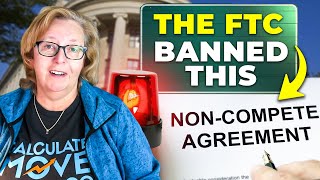
Short video (YouTube) by Donna Genie explaining the Federal Trade Commission’s new rule banning non‑compete agreements. The presenter describes the FTC decision (claims non‑competes are now void), outlines perceived rationale (help workers earn more), highlights business concerns (protecting executives, selling businesses), and suggests contract alternatives (customer-buyout clauses).
Chapters
Imagine you've just hired a key employee for your business. You've got them all trained and they understand your way of doing things. And now they can just walk out and go to the competition and take all of their knowledge with them. Have you heard what the FTC has just done? Keep it in touch, stick around and let's talk about the new rules from the Federal Trade Commission. I'm Donna Bordeaux and the Federal Trade Commission doesn't normally get into too much of the lawmaking practice here, but in this case they are following up on some ideas passed down by President Biden who wants to get rid of non compete agreements. Yes, you heard it. The Federal Trade Commission has banned non compete agreements. Now you can no longer require an employee to stay at your company or not compete with your company if they leave for any period of time. The only thing you can do is if you've had senior management in place and had non competes with them that already in existence, you may be able to keep those in some circumstances. But they're basically saying that all non competes right now, no matter when they were put in place, are void. They are not allowed to happen, they're banned. So you can no longer stop someone from going to work anywhere else. The reasoning behind this is kind of odd. They think that it will help employees earn more money because they can now leave their jobs and they won't be locked down with a particular employer. My stance, I feel like this a little different circumstance. I don't think people go to McDonald's and work and sign a non compete that they can't go to Burger King. And that's really what it sounds like the FTC is targeting here. In most cases people are signing non competes in big situations. Perhaps they're a top executive who has access to proprietary information about a company. Nobody wants to invest a lot of money in a top performing executive only to have them be trained to go work for the competition, the street. As soon as they get everything on their brain as to how processes work, that's a little dangerous. Also, I'll give you another really big scenario. Let's say you own a business and you want to sell it. When you sell that business, typically that new buyer wants to be protected. That you don't just sell them your business and turn around and go one door down and open up another business that's the same and take all your customers. They need protection to say like they're not going to come back and just compete against me after I've just paid them all all this money for their business processes and their customers. If the non compete is not valid anymore, you may have a tougher time trying to sell a business. It devalues the business if there are no repercussions for opening up a competing business two doors down the street. So what do you do if you really need a non compete? Well, these are very new laws, so we haven't heard any possible ramifications and ways around them yet. But for a long time I have always heard the premise that non competes are very difficult to enforce and they cost a lot of money if you have to go through lawyers to do it. So it's really more of a scare tactic in a lot of cases. But what you really want to do is start focusing your energies on creating ways that if somebody leaves your business and they take your customer, that they have to buy out that customer. It's kind of a reverse engineered process of a non compete. Again, you're going to need a lawyer to help you hash this out, most likely. But let's say instead that the contract of employment with this person says if they leave your company and they do business with any of the customers that they have worked with in your company, they owe you five years, 10 years, three years, whatever of revenue that that customer gave to you. So you're basically creating a buying situation. You're not saying you can't compete with me, but you're saying if you want my customer, you have to buy them from me. So that's an alternative way to structure and think about how you set up non competes. It's going to be an interesting ball game to see how this all plays out, especially when we're talking about big companies and high ranking executives. So stay tuned, we'll keep providing more information and if you have questions about non competes and how that may affect your business, please reach out to us or put a note down in the comments and we'll be happy to respond.