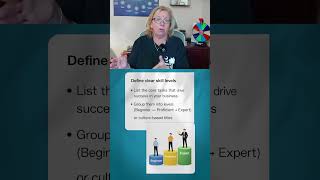
Donna Genie walks small business owners through a skills-based raise system: define clear skill levels like beginner and expert, then tie raises to measurable mastery instead of time served. Advancing requires concrete achievements, like error-free full-day sales handling.
Chapters
Are you struggling with how to handle raises in your small business? It's a common challenge for family owned businesses. You want to reward good employees without encouraging the entitlement or straining your budget. A Skills Based Raise System A better approach is to tie raises to skill, mastery and contributions to the business. So when employees know they're in control of their earnings, they stay motivated and focused. Plus, it's fair effort and rewards are rewarded, not just time served. So here's how to make it happen. Number one Define clear skill levels. Start by identifying key tasks that drive success in the business. What does a new hire need to know? What about your top performers? Break these down into levels like beginner, proficient and expert. Advancing through these levels comes with pay increases. So you're rewarding employees for mastering skills that add value to your business. Step 2 tie the raises to the mastery, not time. So each level should have a specific measurable criteria for advancement. So for instance, to move from beginner to proficient, an employee might need to know how to handle a full day sales without errors.