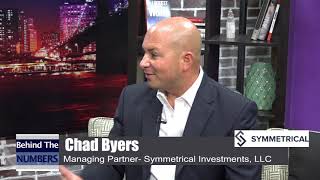
"I Partner with People" - Chad Byers talks about Venture, Fitness, and Being a Chad.
In this informal, long‑form interview hosted by John Coogan and Jordi Hays, Chad Byers, co‑founder of the venture firm Susa (formerly Suse) Adventures, announces the launch of Susa Adventures Fund V – a $175 million seed‑and‑pre‑seed vehicle, the firm’s largest ever. Byers walks through Susa’s decade‑long evolution from a $25 M inaugural fund in 2013 (backed solely by individual LPs) to a $125 M fund in 2021, highlighting early breakout investments in Robinhood and Flexport, the shift from broad‑stage investing back to a pure seed focus, and the firm’s belief that specialization yields the best outcomes. He critiques the inefficiencies of the venture market, argues against rigid round structures, and discusses how the firm will offer more flexible financing options. The conversation also covers the perils of FOMO, the impact of AI on company formation, sourcing anecdotes (the 24‑minute phone commitment to Flexport), under‑the‑radar portfolio company Chapter (health‑tech for seniors with a high‑profile board), thoughts on manufacturing/on‑shoring and alternative financing models, recent stealth investments (AI‑powered personal copilot, consumer gaming with a chess grandmaster, hardware AI copilot), the rise of solo founders enabled by AI, limited use of AI tools in due diligence, and personal topics such as Byers’ fitness goals, his naming story (gorilla trek inspiration), and a light‑hearted dating shout‑out. The tone is conversational, humorous, and candid, revealing Byers’ values of founder‑first partnership, disciplined focus, and authenticity.
Chapters
Hey, how you doing, Chad?
What's up?
What's up? Welcome to the show. Welcome to the temple of technology. How you doing?
Doing fantastic.
That's great. Good to see you.
Good to see you guys too, Chad. Before. Before we dive into it, I gotta highlight some facts for you. So until the 20th century, Chad was rarely used as a given name. It first entered the top thousand names for male children in 1945, ranking at 997. Actually peaked in popularity in the 70s, reaching rank 25. But now, because, you know, it comes with so much symbolism, it's now 1600 on the US burst charts. And I was telling John earlier, you're a chad, like by. By sort of definition, right.
You're.
You're slinging checks. You're very grinding on the fitness front. You're sort of skiing in exotic destinations.
Yes.
I feel like there's an incredible. We talk about nominative determinism.
This is a great lead in.
And it's. It's almost like your parents blessed you with that name and now you're. Now there's not a lot of new chads entering the market. You almost have a monopoly. I just wanted to give you a little hat tip for that.
So that was the best intro I've ever gotten to something. Let me give you. Let me give you a funny data point, though, please. I'm after. I'm named after two people. One is my great grandmother, who is Granny Chatham.
Oh, wow.
And the other was a gay wallpaper salesman that my mom fell in love with when she was pregnant with me. Wow.
Wow.
So talk about what I was supposed to be named after. And then my fall from grace as, you know, this, you know, Chad was dragged through the mud as a derogatory name.
Yes. Yeah.
And, you know, then Gigachad, and, you know, all these things kind of like came out. So it's not lost on me that I've unfortunately kind of like grown into the exact stereotype in a way nobody
but you rode that you rode the. You know, it's like the Masa famous Masa slide, where like, it's like the trough of disillusionment. Trough of disillusionment. And then you came out of it. Now you just get to be a gigachad. But great to have you on the show. You've been a long, long, long. I feel like a longtime supporter, so thank you. And you got some news today, I hear.
Yeah, yeah.
So.
So big news. Like, we just dropped this a couple minutes ago, but we are announcing Suse Adventures 5 so this is our fifth early stage fund. I'll talk a little bit about what we do as a firm and everything, but wanted to drop in here. New media, you guys are the hit the size gong.
You don't even know the size.
There we go.
What if he says it's a $2 million fund?
Are you gonna take it back? I got the scoop. I got the scoop.
You got the scoop. Okay, so preemptive side.
So really quickly, SUSE started in 2013, and we've been an early stage venture fund based in San Francisco since then. Look, our general belief is that entrepreneurs are the lifeblood of progress broadly defined in the world. They are the most important people in the world, and so we exist to serve them. And we're 10 years into this. And fifth fund, 175 million. And it's a return to what we did at the very start. So over only precede and seed. And I think that makes us probably one of the largest of this exact focus. And so in a moment when venture is changing a ton, and I'm sure we'll talk about that, we are kind of going back to specialist and try to do one thing. And this comes from my core belief in the world that I think you guys are embodying too, which is like, if you want to be the best at anything, you just have to focus and try to do one thing super well.
Yeah.
And so that's, that's the big move on this, this new fund. And excited to, to talk about it with you guys.
Fantastic.
Now, it's amazing. One, I wish we had the data point on how many venture funds make it to fund. 5. It must be, it must be like, harder to do than getting to your 50th podcast episode, you know, or something like that. It's very, very challenging. So, so, you know, congratulations on the milestone. But, yeah, maybe walk us through kind of your full journey. You know, it sounds like you went from super early stage to sort of expanding scope, and now you're, you're sort of fully refocusing with this fund. But it'd be great for the audience to hear the backstory.
2013 started with 25 million. It was kind of a past the hat type fund. No institutions, all individuals, family offices, 75 LPs, like, horrific to manage. Wouldn't, wouldn't recommend that to literally anyone. 2016, we did 50 million fund two, and that was really on the back of the two breakout companies we become known for, which was Robinhood and Flexboard. And I can kind of go into those Stories. And we got our first institution in fund too. So Horsley Bridge. I still am grateful for them. We're like, we'll take a risk on you. You guys are not the shape and size of fund we typically do. But we'll put in 10 million of the 50 and then kind of the rest is history. LPs look for those types of signals, et cetera. In 2019, raised 90 million. And this is what you were alluding to in terms of like, strategy. I think there's this general thing in venture, but it's true of the whole world. Right. You get a little bit of success, start to think you're, you know, you're onto something and then you get feature creep.
Yep.
And so feature creep in ventures like, oh, maybe I'll do other stages or maybe I'll do these other things. I'm going to launch a program or I'm going to do this thing and everybody. That's like the natural inclination of the world. So we started doing other stuff and then we in 2021 raised 125 seed, 250 op fund. I looked around shortly after that and I was like, you know, so happy. We raised all this money. That felt like a badge. And then I was like, wait a minute. My day is like materially different than what it used to be. I used to just meet seed stage founders, which I love the stage I love. Our average dollar goes in after the seed. Like, we can call ourselves a seed fund all, but we're not like, just definitionally, like, let's not lie to ourselves. And so that evolution of really just deciding, like, what do I want my day to be? Like, what is the stage I love working at and Fund 5 is just a testament to like refocusing that entire realization back on what I think we're the best at, what I think I love the most. And that's been our journey in evolution. And as I said, like, the backdrop of that personal realization was what's happening in venture broadly. And that's bigger. You know, I call them buffet. Venture capital is my term now. Like all you can eat, right. You get any cuisine, there's three starters, unlimited breadsticks. You get like desserts. And like, you can go, you can go fill up on that. It's not the best individual dish of your life, but you know, we're trying to be like the single Michelin star. Like, we're not hovering over you, but hopefully if you know what you want, it's a good product.
That's great.
So you had Flexport and Robinhood in the first fund. So generalist from the start, what was the sort of tech trend since 2013 that you were closest to feeling like going all in on? We've seen a number of venture capitalists fall, get so excited about a trend that they make themselves. We're a defense tech fund or we're a crypto fund or things like that. And I feel just like the feature creep you're talking about, oh, let's add growth investing, or there's that same thing of, oh, maybe we'd have an advantage if we were just doing this one thing. And that's historically, you know, it's worked out very well for some, but makes venture, I think, a lot harder, given that this is a people game.
Totally. We have yet to go all in on something, but that is not to say we haven't had risk of potentially falling into that a hundred times in the last decade. We talked about going all in on crypto, we talked about going all in on AI, we talked about going in on all sorts of things at different moments. We talked about pivoting the whole fund to a program. We talked about all this shit. And as I said, this applies to not just venture funds, but any business. It's as much as what you say no to doing and the decisions you decide not to do is what you do. And so we have thankfully, I think, navigated to. We don't try to opine too heavily on the thing. We are still led by people. So, like, at the end of the day, what I love about Seed and what I was alluding to on my realization is partnering with people, which is Seed. Seed. There's nothing there. There's nothing built. There's nothing to underrate, is what I love. And I have found that other people are smarter than me and other people see the future better than I do. When I met Vlad and Baiju, I hadn't thought about that opportunity. But when they told me their vision and showed me a demo of the product in 2013, it was the most beautiful mobile app I'd ever seen in my fricking life. And right when they said the narrative of changing the way our generation, I was 25 at the time, experienced the stock market, it was like, yeah, like 100% like, that's going to happen. And so it wasn't my brilliant idea, right. It was just, I've done a good job attaching myself to brilliant people so that that's how we still operate as a firm. And it'd be very easy Right now to be all in on AI, but you know, we're still, I think honest with ourselves that we're still people first.
So how do you think about pro rata and kind of maintaining a position, riding your winners? Any of that? Is that kind of off the table or do you have a specific strategy for that now?
So this goes to a broader thing that I've been thinking a lot about, which I think that venture is a pretty inefficient market. And if you let me just take a step back and I'll answer the question, which is like public equities are pretty efficient, right. Like a bid ask spread of a single stock is like really tight and you end up having a clearing price. It's weird that in my opinion, the most important industry in the world, which is the innovation industry in the world, which is technology, has a market which is called venture capital, that is really efficient. If you're a founder and you're raising a B, you pitch like 20 firms and get a price like kind of crazy. Right. And so what we're trying to do at SUSE is not force upon founders certain round constructions. Like why is the a 20% dilutive no matter how much you raise? It's a construct of the venture business model. But what if a startup wants to raise 4 at 100? What if they only need 3? Like we should develop more products and venture to allow every type of founder to finance their business in that way. And so the way we think about it is like we start at the seed, but then we'll be creative. We'll partner with you however you want as you build your company.
Do you think that the fundraising needs are changing over time? You're seeing more Companies ramp to 100 million ARR faster than ever. They're more profitable. There's just more smaller teams doing stuff. Are capital constraints changing?
100 like that is for sure. The efficiency of companies is real. How much of this early hype? Revenue, vibe revenue. I think a lot of returns are so good. They're just like, they're golden, you know. How much is this durable? I don't know. Right. Some of these are bloodbaths. But like, what is empirically true is companies will be more efficient in the future than the past.
Yep.
So what I love about where we are positioned in the market is in a world where companies are more efficient, early stage is really like the place to do this business. It'll be the last entrenched Alamo of venture.
Yeah.
Talk about fomo. Right now you're you're based in the bay, I'm sure you experience it all the time. Everybody, you know, every time I see, you know, one of these sort of revenue charts where, where it's just like parabolic to 100 million ARR, I get, you know, I'm happy because you know, it's good for the ecosystem, but if I'm not in it, I'm angry. A little bit angry. But on your side, what's the general sense? Do you feel like a lot of investing right now it's so unclear because it feels like we're early in AI adoption and understanding the potential of AI, but the market is so uncertain right now. What do you think FOMO is still sort of like, is a, is a dominant force in investment, sort of venture investment decision making right now, or is it, you know, still dominated by the sort of beautiful potential of the technology across all these different industries?
I mean, FOMO's real. Like I have FOMO every fucking day. Like to your point, I see these graphs, I'm like, I text my team, why aren't the fuck. Why aren't we in that deal? You know, it's like it's so real and at the same time, like, I don't know, I'm not 50, but I, you know, like if you were a venture in 21, you remember 21 and you remember 22 and 23 and sucked time like that vintage is going to be historically shitty.
Yeah.
So it doesn't take, you don't have to be around that long ago to remember 21. And we're in for sure some type of bubble now. How much of that will be enduring, value or not, is like, I have no clue. But like this makes no sense. What's going on. Like it makes no sense. There's seed rounds at 70 with nothing and like four 19 year olds. Like this is insane. And because ventures, power law, that individual deal can make sense if it's the right one, but, but as an industry it's going to be a huge waste of capital. So FOMO's real and, but I, I think I'm do like, we do a good job to like temper our FOMO and remind ourselves like, let's just try to stick to our, you know, our guns here.
What are you doing for sourcing these days? And how'd you meet Ryan Peterson for Flexport? How'd that deal come together?
We met Ryan through Wesley Chan, who was at Google Ventures at the time. He's now at fpv, his own firm. And Ryan pitched us on A call. There's no zoom back then, really. And YC Demo day, right before it. Right before it. They allowed people to talk to investors before demo day. Back then, Gary really locked that down. Or they're just not talking to us. It's one of the two we committed to Ryan on the phone. It's the only time we've ever done that in SUSE history. We committed to the deal on the phone call for 24 and a half minutes. And we were like, yeah, we're in whatever, telescope, a wire, you know, super irresponsible. It was our first time. I was like, we cannot tell the LPs. This. This is insane. This is like, you know, a bad idea. But it was the most compelling pitch I'd ever heard. He's one of the best salespeople of all time. And he's become an incredible friend. Our families are friends. He and I even own like a business together outside of work now. You know, the cheesy thing about ventures, like, it really is the friends we made along the way.
He's the best. He's the best. Yeah, he is the best. He was our first guest on the show.
Yeah, he was.
It's a solid color.
Texas out of your. Out of your portfolio. Maybe some more recent investments. What do you feel is the most under hyped? Portco, the company that should be getting more headlines and attention but isn't for one reason or another.
I mean, one that flies relatively under the radar. But I'll tell you why it's not going to be under the radar for very long. It's a company called Chapter, which is based in New York City. The founder is Kobe. Kobe worked at Palantir back in the day. The reason it's not going to be under the radar for very long is up until two years ago, Kobe had a very interesting board and a very interesting co founder. So his co founder was Vec and his board was JD and Peter Thiel. So talk about going from like, oh, we have this great board dynamic to all of a sudden being like, my board member is the vice president of the United States. And you know, Peter's still very involved and this company's doing really meaningful work and AI is going to accelerate it. It is helping this very big problem of senior citizens in the U.S. like navigate the Medicare, Medicaid, healthcare system, pick the right plans. It is super hard to do. There's all these contingencies and other to understand the flows and prescriptions and what stuff are you on? What state are you in? And so they're making that process easier. It should help healthcare costs in the long run, it should help patients. This is really important work. But just talk about up leveling your connections in the world by the facet of who you chose to be investors. We were the lead the seed there and it'll be a many many billion dollar company.
Love it. Question on specifically around re industrialization. Andreessen had their American Dynamism summit today. JD was speaking there. There's sort of this broad emphasis on bringing manufacturing back to the U.S. i'm curious to get your take on manufacturing, even robotics led manufacturing as a category because from my sense is there's going to be a lot of great businesses that come out of this that just aren't necessarily venture scale because they get to the point where they're Maybe you're doing $20 million in EBITDA and maybe you're not hyper growth but you're just a good business. And then people are going to look at that and say okay we know what the market price is for a manufacturing business for this kind of widget. And so how have you looked at that as a category and are you making net new investments there out of the new fund?
Yeah. Well shout out to my co founder Leah Polovitz. He started a fund called Humbaventures a couple years ago that's only doing like manufacturing American dynamism hardware stuff. So he's primarily of the original OG SUSE founder guys his fund is really what's doing that. SUSE primarily focused on software. But I think a couple things you said are interesting trends in and of themselves like one I think this question of like what is venture backable and what is not is a good question in the next decade which is there's going to be this camera explosion of like micro S and B and mid sized company creation that AI enables that maybe shouldn't be venture backed or to my point earlier there should be different product products, different ways to finance a company. Maybe different ways to not have it only be equity but also have profit sharing or other long term. I think that's a reasonable point whether it's hardware or really anything as a big question 2 is the strategic value of onshoring. Manufacturing is obviously a very good idea, incredibly important. We're doing less there. What we're doing more on is stuff back in our realm of we let the seed of stored now over a billion flex core others like we're doing a lot in supply chain resilience and other so obviously when stuff is manufactured Whether it's abroad or here, there's like a whole supply chain resilience of a company that has to happen especially with territor stuff going on of like where do we move stuff once it's already manufactured around the world? Like that's probably what we spend a lot more time thinking about. But like you guys have had Chris on I think power from, from Hadrian, others like these companies are insanely important and awesome. We don't spend a ton of time in and around it.
Yep, that makes sense. Have you made any investments out of the new fund? You're already doing deals?
Yeah, yeah, we, we soft secretly started writing checks out of it in December. So we're, we're actually four in which is a little, a little hot for us. We're, we're different than a lot of investors. We do relatively low volume. Each partner will only do two to three deals a year. It's kind of like 90s venture capital and but to your point on FOMO we're running a little hot right now. So we've done a couple. I think we're just excited to get going
I guess.
None of publicly announced but they're all over the place. To give you what you asked earlier, we're still founder led so one is a stealth consumer gaming thing I'm partnering with this US chess grandmaster to build. One is a AI personal kind of copilot that uses a bunch of cameras to collect first party context about you yourself and then has an app on the phone for a personal AI where we think the apples and others are going to have a little bit of innovators dilemma on this stuff. We've done one that's an AI copilot in hardware manufacturing so we're all over the place. We're just curious, are you seeing more
solo founders these days? We were at YC demo day and we saw a couple teams come through where it was just a guy with no team because he's building it all himself because of AI stuff. And that kind of flies in the face of YC is like early advice of like you need a co founder. It's going to be hard. You need someone early. But what are you seeing out there?
Yeah, I mean literally the pitch right I had right before you guys. I was literally seeing our comments from here. This guy walks in, he's thinking about starting a company. He's like I really want to co founder. We talked about it for 30 minutes. I was pushing him to just start himself and his actually entire product thesis which is the irony of how he was thinking about his own co founder thing was he wants, you know, his belief without giving too much, the idea around is like we are starting to abstract away parts of building software. Right. If you think about we had like cursors, literally like you know, code itself. Then you have like the bolts of the world and you have you know, lovable, lovable in Europe. Right. Where like they're abstracting way not just the code but kind of like, like, like prompting entire parts of the system, you know, where we're obviously going in three years is like prompt to like company or like prompt to entire thing. And that's the company he's thinking about building. And his entire argument is like, could a software company of the future not have. And he's a world class cto, sold a company to Apple, has built big companies. Could we not have a company where instead of the engineering looking like 10, 20, 30 people, it's like three really good people and they control front end, back end, everything through like a series of agents that are responding to prompts and understanding computer science, understanding technology is still useful. So I think that is a counter to like the Jensen and all the things like you don't have to learn computer science anymore, but like that I think that's where it's heading. I kind of buy that vision.
Yeah. Have you had any AI tools that have particularly helped your job in venture? Even just like scheduling or note taking
like, or put the deck in Chat GPT and say what do you think?
What do you think? ChatGPT Rip it. Should I do it?
I feel deeply insecure about this question.
Me too.
LPs asked me this and I'm like, like not really. Like I should probably be doing more.
Somebody asked me like, oh, how many ChatGPT queries are you making per day? I'm doing 20. And I was like, I think I'm doing like five. I don't know if that's good or bad. Like I should be using it.
Rookie numbers, John. You gotta get those numbers.
You gotta get those numbers up.
I guess I, I find it not that useful for what we do. I mean what, like to be honest, like we don't do a ton of diligence. Like what are we supposed to diligence? Yeah, it's like people and like themes.
Yeah. So maybe like, yeah, if you're searching like how big is this market? Where who are the major players? I want to get to know the industry.
I don't ever search how big a market is. That's where you're already wrong. I've never done that work. I actually think it's bad work to do at Seed.
Yeah, no, that makes sense. At Seed. Yeah, that's very funny.
There's nothing better. I mean, this is, this is. I just. It's so important to be authentic. And I believe that that is actually the dominant approach of most good early stage investors. Yet still half of people want to be able to sort of claim credit first and dress it up and say, well, look, you know, I had this memo and I knew exactly how the market was going to unfold.
A lot of that's just window dressing for someone else, their boss.
It's not like we just had. We tried this early on. I was like, I to do the work. So I used to write memos. And then we looked back. We're like, everything. We did a lot of work on that. We overthought and passed on. We were idiots about. And all the things we aped into like, like Flexport worked and we're like, he's.
He's got an ape in his, in his, in his.
Oh, yeah, yeah, yeah.
What's the origin of the ape? I'm curious.
Yeah. So we registered the. The firm in October 2013. And going into that, we had 10 names picked out that were all similar. Like, we weren't very creative. We were like, oh, venture names are like trees and mountain. So we had all these trees and mountains and names picked up. They were all taken in Delaware. And we had to register the firm because the next day we were doing a first close. So we were like, 11:30pm we're on the phone, we're scrambling, we're trying to think of names. Sgt. Like, I don't know. We're like trying to get creative. We're like, just, why don't we talk about trips we've all enjoyed? So someone's like, I went to Rwanda and did the trekking with the gorillas. And then the other person was like, I also did that. And another person was like, I also did that. All before we knew each other independently.
That's awesome.
That was the best trip of all our lives. It is truly a mind blowing experience. Go see the gorillas. It's insane. They're so human. Like, so we looked up one of the family names of the gorillas and it's the Sousa family. And we're like, this is, this is so dumb that we're about to name our financial firm after like a family and B, with this little thought. The irony is like, the only thing people remember about us is our logo. It's worked.
Yeah, it's fine.
Well, venture capital is just a game of trekking with gorillas.
Yes.
You know, it's about appreciating the entrepreneur. You know, who's the gorilla presence, but you're really just sort of LP the. Yeah, yeah.
The gorilla is the founder. The. The.
The founder is the gorilla.
The founder is the gorilla.
I think the founder is the gorilla.
The founder of the company become the 800 pound gorilla. If they're big enough.
That makes sense. Yeah.
Last question.
What.
What's your break down the workout routine? I think you've been going pretty hard lately.
You guys have to like. People need to roast me way harder when I post this Twitter.
No, we don't. We work out as a team together every morning.
I had a crazy list, did the half marathon, doing the try soon, doing the high rocks in. In April. And then starting mid year, I had this crazy goal that people have now told me who actually lift real heavyweights, that the goal makes literally no sense. Or trying to do the thousand club, which is like the bench squad.
Yeah, yeah, yeah.
But I wrote five reps, which everyone's like, you're an idiot. One in five is like night and day, yo.
Yeah.
My plan in July is to go like full meat, all protein, no cardio bulk phase and try to get as far as I can by end of year.
Meathead mode. We need.
I'm going lean to meathead and we're just gonna see what happens.
Yeah. And then. And then maybe John's been really wanting a venture capitalist to go for their IFBB pro cards. Really fall in love with the. The. The sort of just the weights. Maybe you go the bodybuilding route and you really be. I'd love to see you become the Susa gorilla.
Yes, yes.
Like next time. Yeah, next time. We want to see your traps just in your. In your neck right here. Just full. Chad. Chad. It's been fantastic having congrats on the.
Can I. Can I do one other quick shout out?
Oh yeah, yeah, of course.
One other quick shout out. So every great product eventually becomes a dating site.
Sure.
And I have a friend in SF who is definitely the most eligible bachelorette I've ever met. She's beautiful, like smart, ripping surfer, great skier, super hard worker, passionate about the environment, amazing human. Okay, so there's a gather that sounds like that would be of interest. DM me. I will set you up.
Fantastic.
It's funny you bring that up because I've had that thought recently. I want to. I want to run sort of anonymous, basically anonymous, semi anonymous ads, because it's kind of. It's kind of cringe to post on X and be like, yeah, like, I'm looking for the love of my life. But we can do it.
This might be the first setup. You guys might get credit for the first setup on this.
So here we go.
Fantastic.
We'll test it a little bit. We'll do this one for free. And then maybe we'll get like, some marriage contracts.
Yeah. And if you get married, tell them the technology. But I sent you use code TBPN at the chapel. And good luck to you.
Thanks for having me, guys.
Thanks so much for coming on.
Congrats again. It's awesome.