Answering Your Questions
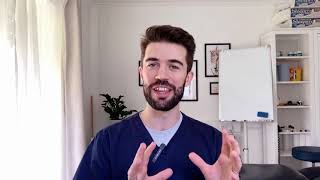
Chris Chippendale outlines an upcoming online course on communication and patient-centered practice for chiropractors and manual therapists. The course covers how to improve patient outcomes and grow your practice authentically, with details on structure, interactivity, CPD accreditation, and enrollment.
Hey guys, it's Chris again and I wanted to share another video. Today we're going to talk a little bit more about a lot of the questions I've been getting for this upcoming course. You know, the feedback I've had from the last few videos has been really good, particularly the goal setting one. I know we took quite a deep dive into that, so it's been great to hear from so many of you how helpful that's been. I know it's a topic that for me really changed the way I practice and I'm really passionate about sharing that with others because it really helps you just do a better job connecting with your patients, practice in a patient centered way and really do what I'm trying to do with all of the things I do, which is help you and your patients win together, not look at it as a you can either sleep well or earn well, that kind of method, all but being able to help your patients in a better way so they then will help you take care of you, build your practice over time so you can get more organic reviews and referrals, not feel like you have to go out and market or ask for referrals or that kind of thing. And that's what this upcoming online course is going to be all about. It's going to take a really deep dive into all these topics. I've been going through much more brand new content coming as well. I'm really excited about it because it's something that I've been teaching for quite a while now for a number of years, but we're putting it all together in one package online for the first time. And what I wanted to do today was just answer a few of the common questions I've been getting about this course and really just help find out if this is the course for you. So the first one, really people want to know, so who's this course for? And certainly if you're a chiropractor, that's what I am. This is what I've practiced all of these skills with. So if you're a chiropractor, whether you're a new graduate, you're just starting out, trying to build a patient base, you're an experienced chiropractor looking to refine and improve your communication, or, or maybe you're a practice owner and you're looking to build the business without having to resort to anything that doesn't sit right with you, then this is absolutely for you. It's open obviously to other healthcare professionals as well though if you're an osteopath or a physiotherapist, you're going to find these skills work just as well. I might use more chiropractic examples, you'll have to forgive me for that. That's just my background. But there's nothing in communication that's special to chiropractic. So certainly there's a gear towards more manual therapy professions. But pretty much any clinician is going to be able to use a lot of skills. So that's really who it's for. I also wanted to just briefly mention who it's not for because this is not the course for everybody and different people have different expectations when it comes to a course on communication skills or what some people call patient management. And I will say this is not a course for you. If you're looking for a done for you, spoon fed kind of approach where I tell you what to say, when to say and give you scripts and that kind of thing where you're looking for the one way to do everything, that just, just doesn't work. The way I teach things of taking a patient centered approach, we can't script things. It has to be unique for that patient. And ultimately those kind of more doctor centered practices I'm not on board with and I wouldn't ever teach them. So if you are looking for scripts and that kind of thing, this isn't going to be for you. So I wouldn't bother watching any further, to be honest. Equally, it's not a course that's going to teach you how to magically convince all the patients to do what you want them to do all the time. As much as some of us might wish, that's the case, that's not going to be possible. And anybody who's selling you that is either lying or has never really been in practice has created something they think would work there. So it's not going to magically convince patients to do everything that you want. And it's not going to be a course that is just a passive, on demand course where you can buy it and just watch videos forever and not get involved in it. Your level of involvement is up to you. But I will say it's a very interactive course. I'm designing, designing this to bring it as close to the live experience as we can whilst doing some newer things that you can't, I haven't really seen with online courses and you can't even do the live seminar sometimes. So if you're just looking to sit in your room and watch videos, you can. But we're gearing this up to be a slightly different kind of course there. So that's really who it's for. Now, one of the questions that always comes up for online courses, I know people have been asking me already, is how long will they have access to the course? So there's a bit of a dilemma here because on the one hand, you know, if we can give you access forever, people want lifetime access. I understand that you want to go back and review things later and that can be helpful. But equally, I know from personal experience and this experience of many colleagues that if we just say it's lifetime access, complete at your own pace, the majority of people just don't finish it and there's nothing to hold you accountable. And it becomes one of those things that you spent money on that sits there and you think, oh, one day I'll get round to that. I don't want this to be that kind of course for you. I don't want this to be wasted money as something that's just making you feel guilty, like an unused gym membership. So what we're going to do is we're going to hybridize things a little bit. Now you. The course will be released over 12 weeks and after we've released all the material, at the end of those 12 weeks, you'll have an additional eight weeks with full access to everything. So you'll have full access for 20 weeks, just under five months. At that point, you'll retain access for another 12 months to everything you have completed. So there is a bit of a deadline. You've got 20 weeks to get through it. So you do have to hold yourself accountable. And there's lots of ways I'm going to help you with that as well. But once you've completed it or whatever you do complete, you have the access for another year. So you can go back and you can review this and you can practice these skills again and come back to it again and again. So we're doing this a little differently. My web guys had to actually create some blending, some software and things that. To do things differently. Usually what you do with an online course is there's a platform that you use that does all the back end for you and you just upload your videos to it. None of them do this this way. So we've actually had to use some other software and blend some other things. So he's done his work cut out for him, poor guy. But to create it this way so that you have the accountability, but you also have the long term access for it as well. So it's a bit of a custom setup, it's a bit of an experiment. But I'm pretty confident this is actually going to help people get more out of it than they would do otherwise. The course itself, people asking how long it's going to be. So like I said, it runs for 12 weeks. There's going to be an additional eight weeks afterwards there. And people are asking you how much do they have to do? I will say to get the most out of it, to practice these skills, you want to dedicate a couple of hours a week, probably about one hour in terms of viewing the content, and then an hour to doing something outside to practice it. And there's various ways you can do this. You can also be able to practice a lot of them when you're with your patients and outside when you're with loved ones and friends and family. It doesn't have to be set aside time to find an hour in the day to practice it, but you'll be naturally starting to include these in your conversations with other people. So allow a couple of hours a week of study time. And also I want to be fully clear and give you full disclosure at this point. This course is going to be very interactive and we're actually going to create the course as we go with you. So I have a schedule. I know the main content we're going to cover, but I'm going to be creating it as we go based on what you want to see, what elements you want to focus on based on your feedback. So it's partly why I'm offering this in a very different way. It's partly where the price is going to be very low because I haven't got a complete course I can just give you. We're going to be creating it out we go, but it allows us to tailor it to you as you go through the course. So you will actually help craft and shape the course. There will be some homework, there will be some assignments. One of the things we found works really, really well, particularly for group learning, is rather than me just giving you some questions, and in the online format, they tend to be multiple choice. People can kind of guess their way around them, or it might seem a bit obvious just based on the way the question set up. What I'm going to be asking you to do at times in order to progress on the course is to actually write your own questions. Now, it won't be very many, it will just be three or four at a time. But when you do that, it's going to make you sit back and reflect on all of it. And it's going to make you think about how to put this together and think how you might get things wrong or you might misunderstand things. And we've seen from experience that actually that's a much better way to learn than just answering questions. So there will be a little bit of having to complete a few assignments. Nothing too strenuous. It won't take you very long, but occasionally to progress through the course. There will be some things like that and then we'll share that with each other. So it's a really collaborative course. You'll get access to other people's questions. Obviously, if some of the questions aren't right, I'll be checking that and correcting it and giving you the feedback. But we're going to have questions that aren't just from one person's brain. I could write multiple choice questions for all this stuff, but like I said, not a lot of learning happens. And it'll only work from my mindset. By bringing everybody together, we're going to pull all our perspectives and somebody's going to come up with some questions that I wouldn't have thought of and you wouldn't have thought of. And we'll all share those together. We'll learn from each other. So there'll be little bits of homework, but like I said, nothing too strenuous. It's not designed to challenge you or test you and stress you out. It's really just making sure we embed that learning. This isn't a course that you just watch and then three months later you can't remember how it goes. So like I said, count on a couple of hours in terms of viewing and reviewing the content, some occasional questions there. In terms of your cpd, you certainly can claim this for cpd, you'll get a certificate at the end of the course. You'll get at least 16 hours that we can certify on the course. So It'll be about 12 hours of prerecorded content that is learning on your own or if you watch with a colleague or you reflect with others, can be learning with others. There'll also be four one hour webinars that, if you join us live, count as learning with others. So that's 16 in total. What we're also going to do, though that again is quite different. I've not seen this done before is we're going to give you the opportunity and this is voluntary, but you'll have the opportunity to get involved in some extracurricular study sessions with colleagues on the course as well. So if you're an extrovert and you thrive on group discussions and talking to other people, you'll have the ability to join a little mastermind study group. So we'll pair a few of you together and you can then arrange study sessions yourselves with colleagues. You can practice the skills with each other, give each other feedback as well. It's really going to help reinforce that learning, really help. You will learn from each other as well. Maybe if you're more of an introvert and you prefer more one to one, then you'll have the option. If you don't want to join a group, we can pair you up with a study buddy and similar idea. You can get in touch yourselves. You might decide that you'd rather not do that through video. Maybe you want to just keep each other on Track on WhatsApp or dropping each other emails, but it's a way for you to support and hold each other accountable. So you'll have that regular contact with each other as well. So you could join a group if you want to join a whole group there and get a few of you together. Or I'll give you the option, we'll pay you up the study buddy if neither of those for you. If you really don't like the sound of that, you don't want to get involved with anyone else, of course you can opt out. I would recommend giving it a go. But if it's really not for you, we're not going to force anybody to do that or that kind of thing. So if you just want to go solo, you do have that option. However, you will miss out on being able to create extra CPD opportunities. And I'll give you a log, you can track what you've done together and that'll allow you to claim even more hours of cpd. It wouldn't be that difficult over the course of this 20 weeks to get 25 hours all in all from this course, possibly more. It's possible if you really dedicated to it, you could hit your full 30 hours of CPD for this year, including at least 50% of learning with others through this one course. So if you're looking for value for money in terms of CPD hours, I think you're really going to find it here. We're doing this, like I say, different things I haven't seen done before. So I'm really excited for how that element is going to help reinforce that learning, bring that community in as well. So if that sounds like it's for you. If you think this is something that you're interested in, going to help you get better results for your patients, get more organic reviews and referrals, build a successful, thriving patient centered practice. That's not having to do anything that makes you feel uncomfortable. Nothing that you wouldn't want any journalist or a medical practitioner or somebody sitting in and seeing you do. If that sounds like it's for you, then keep an eye on your inboxes. It's going to be sending an email out 9am on Monday that'll tell you how you can get involved. I'll let you know how you can enroll. I'll have the the offer there for you. You can find out everything and keep an eye out for that. You don't want to act slow on that because there's only a limited number of spots and the enrollment's only going to be open for a few days. So if you want to get involved in this, you want to act quick. In terms of whether I'll do this again, I don't know. In all honesty, this may be something that's a one off, unique thing. We might create more of an on demand course. Beyond that, it might be we do things in a different format. Live seminars are going to be coming back and that's certainly going to be my focus going forward. We've already got one or two in the pipeline there, so if you're excited by this, I really would jump on that because this may be this is going to be a unique course and it might be one of the only times we do it in this format. Certainly won't be anything like this out for the next four or five months beyond that. So like I say, if that's for you, keep an eye out. 9am Monday, that email drop into your inbox if you've got any questions. In the meantime though, just hit reply, get in touch. I'd be more than happy to chat. Otherwise really excited to bring this to you and hopefully we'll see you on the course. Take care.










