Certification Preview
This is a YouTube video titled "Certification Preview" published on July 25, 2025, featuring a single speaker presenting detailed information about a certification program for becoming a certified patient centered practitioner. The speaker explains the course structure, phases, content modules, and enrollment options, targeting practitioners interested in improving communication and patient care skills. The video is part of a channel focused on communication and practitioner mindset advice.
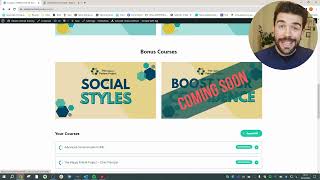
Do you want to become one of the world's first certified patient centered practitioners? This is a program that I've been working on for a long, long time. I wanted to make sure I got this right and that it was something that meant something. It wasn't just like, oh, a badge that you answered a few questions for, a few multiple choice things, anything like that. And I've had quite a few questions from people. Now that it is live, now that enrolment is open. First of all, just to say, if you are an experienced practitioner and you want to join the Fast Track program, that will take you through the entire process in six. Your deadline is tonight. So this is going out on Thursday the 19th. After that it closes. I won't be opening it again for six to nine months. You can do the self paced option though. After that, that's something you can do as well. But if you want to get on record time, be one of the first, you'll need to join by tonight. But rather than go into what's involved there, what I thought I'd show you is a peek behind the curtain, show you behind the scenes what's involved in the patient centered tribe. Because this is what you'll get access to when you join the tribe. This is what you get access to when you join the fast track as well. So let's have a little PE peek here. I'm going to share my screen. When you log in, this is what you'll get. So you've got the dashboard and things up there. These are the main courses. So the one I always recommend starting with is mastering any course. This is a little mini course. I don't think it even takes an hour. There's lots of very, very short videos here. This will just help you get the most out of any online course in the future. Not just the content that we go through for certification, but also anything you choose to do in the future as well. So we go through the six steps that you need to really make sure that you get the most out of it. So I think it only takes about 45 minutes. It's very quick to do, but I recommend starting with that because it will pay off for the rest of your career. Now what I've also put together, this is an overview of the certified Patient Centered Practitioner course. So this is broken down. There's going to be more content added to it as we go through the Fast track as well. But running you through what's involved in the three phases now, phase one is going to be going through the on Demand content and the fast track will take you through and summarize that so you don't have to watch all the videos there. And that's going through the content. There'll be some things to complete, some very quick assessments and handbooks that you'll do. Phase two is then self reflection assignments. So there's some specific checklists that you use here, a little spreadsheet and by going through that you'll document that you've put the skills in practice. Doesn't take you very long, but you show that you've gone through and made sure. How have you put everything in place now? Phase three is coming soon. That will be released in the next couple of months as we go through the fast track that will be ready for you there. For part of this, what I'm going to put in here that you don't have just yet is essentially examples of reporter findings that I have then analyzed and critiqued because that is the phase three assessment is I'll be assessing your report of findings, but you'll see many other practitioners who have had a review in the past. They've kindly let me share their videos here along with my analysis. So you can see exactly how it's assessed, exactly how it's scored and you can learn from how other people do things as well. So that's just what you're going to be getting through there. I'm going to go back a little bit now and so that gives you an overview of the course. But what's actually involved in phase one are these four core modules. So this is the Happy Patient project. Many of you will have heard about this for a good while. We've updated it and we've revised it. Some brand new content in there as well, but you've got crucial concepts, understanding your patient, ethical and effective explanations and maximize your momentum. This takes you through the entire patient journey, right from what's going on in your head before you meet them to meeting them, taking a history, building rapport, giving a great report of findings, explaining the treatment plan and then helping make sure they keep the momentum going and they don't drop off early. So crucial concepts. You'll see there's quite a few things here, some of the ones we talked about a little bit before. We talk a bit about unconditional positive regard, talk a little about the trust equation, transactional versus transformational relationships, how those are quite different and why they really matter. And we talk a little bit about how you can introduce the visit, really get the ball rolling on the first one. There so that's crucial concepts and then understanding your patient. Really we're diving into the history. So not just understanding what's the problem, what's the diagnosis, but actually going through how you can build rapport. So multiple steps there questions to ask how to address their expectations. How to prove how well you're listening. And we talk about reflective listening as being a key component of that. We added some complex versions of that. The 12 roadblocks of communication. This is a key part as well. Many ways we sabotage ourselves unconsciously without realizing it. And then using tactical affirmations and summarizing well. So these are motivational interviewing skills that really build the rapport. Then we go into ethical and effective explanations. This is the part most people love. They really want to get to when they think about communication. Where I talk through how you can explain the treatment well, how you can deliver a report of findings that is ethical and effective and gets results. So many different contexts. I'm not going to go through all of these. Some of the key things that I do though is I'll show you an example of how I deliver a report of findings. I'll give you my handouts as well that are included. You'll see those a little bit further on. Brand new one. As well as the five key phases for your reporter findings. Energy. So I talk you through the five different emotional phases of a good reporter. Findings. That takes it from being technically great to emotionally engaging. That is really, really big for actually building rapport and confidence as well. So that's just some of what's included through that. Then you've got the final one. Maximize your momentum. We talk about some really, really popular and somewhat controversial topics sometimes but in a way that will show you they're not controversial. They don't need to be. So here's a brief overview of what we've got here. We've got difficult situations. I've got a bonus interview with somebody who's a lecturer I respect who had a really, really interesting situation occur to them in practice. There's an interview there. How to handle talkative patients. How to deliver effective and strategic case reviews. And then we talk about maintenance care. One of the big things we do is we talk about the maintain tool. This is one of the latest updates for it here. This is a questionnaire that allows you and you can download your copy that allows you to predict how the patient will respond to maintenance versus symptomatic care. So you can offer patient centered recommendations. This has been a big topic of research for a while. I am Amazed this stuff is not more common knowledge because it really, really changes how I approach communication when it comes to maintenance entirely. There's. So that's some of what's included in that fourth module there. This is all part of phase one, by the way. So phase one is going through this and there's some specific handbooks to fill out to show that you've done it. Then we have the brand new social styles. Right now, as I record this, this is the only place you can get this course. I've taken the social style model and I've rewritten it for chiropractors and practitioners. So four different modules as you go through, they're a little bit quicker. We've got how to speak the patient's language, a bit more about the social style model, why miscommunication happens. And then we go through what are called the say and do behaviors. Say and do behaviors are the things that you look for to identify which of the four social styles your patient is using. And that allows you to build rapport a lot quicker. Then we take a deeper dive into each of the styles their style needs that we talked about in the video yesterday. Their backup behaviors, their style orientation, basically, really to understanding what's going on beneath the surface with each of these styles there. And then we go through how to adapt your communication to each of those styles. So little bit about how to speak their general language, some general modifications, but then I show you exactly how to modify the history, the exam and the report of findings for each of those four styles so you can really tailor it and personalize it. The final one, we talk about the most crucial concept of social styles, which is versatility. This allows you to become a social chameleon. By improving your versatility, you will naturally and automatically start to vary your own social style, of which you will have to the patient in front of you. And that allows you to become much more versatile. It makes practice much easier, much more rewarding, much more enjoyable as well. But most importantly, it gets better results for your patients. So that's just some of what is included here. It's going to take a little bit to go back. Here we go. So the social styles model and the happy patient project are phase one, Phase two, and three is then going through and implementing those. Now I do have a bonus course coming very soon called boost your confidence. This is particularly ideal if you're a newer graduate or you're somebody who really struggles with confidence and imposter syndrome. I personally really struggle with imposter syndrome. Earlier in my career and I'm designing a whole new course to help get you through that faster. This is not part of the fast track because that's obviously designed for more confident, experienced practitioners. But Fast track members will have access to that too if they want to. It's completely optional there, but that's what you'll get as well. So this is what's included in your tribe membership. This is just the content. You've also got access to me. You've got live calls, you've got a Facebook community, you've got some really cool stuff that I'm going to be announcing. Once you join, there's some extra bonuses that I'm not even going to advertise right now. But essentially this is how you can become a certified Patient centered practitioner. So if that is for you, if that's something that you want to do, you want to become one of the first people to hold this certification, then you have two options. Option number one is the fast track. This is for you if you are an experienced practitioner. Like I say, if you're already quite confident, if you think all that content looks great, but man, I don't want to have to watch all of that because you probably know a few of these things already. The fast track will take you through quicker summaries and it will signpost you. So if you go, oh, I've not come across the 12 roadblocks before, oh, I don't really know how reflective listening would work, then I will link just the videos you need to watch for that. So you can click watch those, but you don't have to watch the things that you maybe already do. If you're not familiar with a lot of what I showed you here, if a lot of this seems quite new, if you're newer in practice or if you're somebody who thinks that, you know, communication is a little tricky, it's something that you struggle with. I do not recommend the fast track. I would not recommend it. It's going to be very stressful. It's going to be quite overwhelming for you. You could do it, I have no doubt. But it's going to take a lot of your time because there's going to be this added time pressure, this added accountability for something that's not designed for you. So this is if you're experienced, the fast track will be the quickest way to do that. If not, join the Patient Centered Tribe. Patient Centered tribe is this membership gives you access to all of this, but but at a self paced option. So there's no pressure. There's no deadlines. You can use it, you know, go through it as quick or as slow as you would like. You can come back and review it. There's a rolling 30 day membership as well, so you don't have to sign up for a great big thing. This right now is the least expensive way to ever get access to this content. Previously you would have had to have paid a lot, lot more to buy these outright because the value of them is so high. So that's how certification works. That's how the Fast track and the self paid options work for you. If you have any questions on either of these, by all means get in touch. But do it right now because the deadline for the Fast Track is tonight. So if you think you might be somebody who wants to join the Fast track, Your deadline is 11pm tonight. After that it closes. It will not reopen for a minimum six months, possibly seven, eight, maybe even nine. Because I'm going to take everyone through the Fast track before we open that back up again. So that's the content there. Any questions, anything you want to know about any of this stuff, by all means shoot me a message. Otherwise, I'll see you next week for another video. Take care.










