The Benefits of Impostor Syndrome
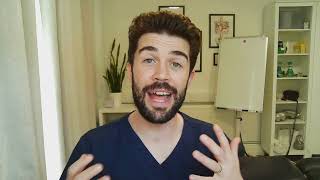
This is a YouTube video titled "The Benefits of Impostor Syndrome" created in August 2022, featuring a monologue by Chris discussing his personal experiences with imposter syndrome. He shares how his perspective has evolved from stress and anxiety to recognizing the benefits such as improved decision making, empathy, and mental flexibility. The video aims to normalize imposter syndrome, encourage open discussion, and offer support to others facing similar challenges.
Hey, everyone, it's Chris. And today I'm talking about imposter syndrome. This is something that I certainly struggled with a lot earlier in my career. I was going to share a little bit about my experience, but also some of the unexpected benefits to it and why it's something that I'm actually grateful for now that my relationship to it's changed a little bit. I wouldn't say I'm completely cured of it. I don't know that it's anything that ever totally disappears, but it certainly shifted from something that used to cause me a lot of stress and anxiety to something that's actually one of my strengths and has helped me become a better clinician and better help my patients as well. Now, my experience with imposter syndrome really dates back, like, going back into my childhood. I was a high achiever as a kid. I did well at school. You know, a lot of my sense of who I was came from being somebody who was smart and did well on their tests. And that's where I got a lot of praise. And what that led to was that me feeling personally like in order to be good enough, I had to achieve and I had to achieve well. And I knew that I wasn't the best at everything all the time, which led to me worrying that people were going to find out at some point I wasn't quite as good as they sometimes thought I was. And that continued right through school, right through A levels, right through university, and eventually I graduated as a chiropractor. And now I'm faced with patients every day who. Who are expecting me to be somebody with the answers and expert who's going to help them. And internally, I'm freaking out, going, I've just started this. I don't really know what I'm doing. I'm trying to do five or ten things at once. The whole time I'm doing that, I've got to present a calm and collected, composed mask to the patient. And that was very, very stressful. And it's something that all new graduates go through to some degree. So that was my experience at the start. The way I think of it is like, I had this inner critic that was kind of there on my shoulder years, yelling at me like, you're not good enough. You don't really know what's going on. They're going to find out. They're going to realize you're a fraud. And that's what's called imposter syndrome, where you feel like you're a fraud most of the time. And it's really not a nice place to be and often feels overwhelming. Now what happens with many of us over time is that as we start to get a bit of experience, we start to realize that, you know what, maybe I'm a little bit better at this now that that voice starts to quiet down a little bit. It's not yelling, it's kind of like talking loudly. And then it gets the point was kind of muttering. And it shifts from imposter syndrome to imposter thoughts. Imposter thoughts are very, very common. Nearly everybody has them. It's not this feeling of feeling like a fraud all the time. It's more like, oh, occasionally I think, oh, I'm not really as good as this. As I think maybe people might work it out. It's sort of an occasional thing versus a full time thing. And through experience, but also working on myself and personal development that started to come down. I realized I've got a bit more experience. Also my standard of good enough by working on things over time has started to drop. And I don't need to be perfect in order to feel that I'm good enough. Now that's a work in progress. It will still tend to shift up there if I take my off it. But I'm in a place now where these imposter thoughts still come up, but they're actually a real benefit. And there's something that once you can get to that stage, really do help you. I feel, and I'm really glad that I actually have those. There's three things that I see as real strengths that the first, first one is like, give me better decision making abilities because I have this little voice that I think of it instead of being this yelling monster. Now it's like a little paranoid friend. And it'll occasionally mud on me. Like, are you sure that's the right choice? Or are you sure you know what you're doing? Or do you think maybe they'd be better off if you did this or that? And it's my little paranoid friend. Sometimes my little paranoid friend is right. I'm like, well, actually, that's a good point. Maybe I should think about this a bit more. Maybe I should investigate. You know, maybe I need to kind of second guess myself here. Other times though, my little paranoid friend is paranoid, so I might tend to go, yeah, you know what? I know you're worried about that. I appreciate that. But I've got this and it's kind of a friendlier relationship and that's because it helps me make these better decisions. It also improves my ability to empathize, because when I see that in other people, whether that's clinicians and chiropractors I'm working with, whether that's my patients, whether that's loved ones, I can start to go, oh, yeah, that imposter syndrome. Yeah, it's tough, that, isn't it? And I can empathize better because I can show them that I understand it. And for somebody who's not really talked about it a lot before, to find out that, you know, someone they know and trust has that too, can be a big relief. That's one of my aims with this video, is if anybody has this and they think they're on their own, you are absolutely not on your own. So it improves my ability to actually empathize and connect with people, patients as well. The other thing that it does through this over time is it's improved my mental flexibility and my curiosity. Because sometimes my little paranoid friend might make a suggestion and I might go, oh, I don't know, shall we find out? And it actually allows me to be more curious because I'm more able to accept that there's an area that I'm confident in and there's an area that's unknown. And because I'm confident in this area, I can step out into the unknown occasionally and come back and know that I can navigate that. And that allows me to not pretend I know everything and puff up and be sort of arrogant, but equally not be sort of overwhelmed with that imposter syndrome and just stay in the comfortable place and never venture out into other areas. So that's whether that's curiosity about my own state, that's curiosity about patience in a conversation, maybe the history. I now feel like I can explore some other areas. I don't pull away because it seems like it might be awkward, or I may be more curious in terms of what happens if we try this technique, what happens if we assess that, what happens if we do it in this order? And that's allowed me to be a much better clinician as well. So I would say there's three big advantages there. I've got better decision making, I've got better empathy, and I've got better mental flexibility and curiosity. So if you're watching this and this is something you've struggled with, you know, there is light at the end of the tunnel. It isn't something that just happened automatically, though. So as I got experience, that started to get better. But I can tell you the doubt was still there, and it still wasn't a very friendly voice. So working on yourself, working with others, these are all things that can be really, really helpful. Whether that's some personal development, whether that's working with a coach, whatever it might be. I've helped a lot of chiropractors over the years, especially once you've struggled with this as well. So it's fine to reach out if you feel like you need some help. That's actually quite a brave thing to do a lot of the time. But the main thing, I guess I want you to know is that you're not alone. If you're struggling with this, it is normal. It's a normal part that most people go through. I always say that if you don't have at least imposter thoughts, that the start of your career, I'm worried because you've probably slipped into that Dunning Kruger place of having more confidence than you have competence. I've seen a couple of chiros like that over the years. It's not a good place to be. So it's normal to have that. The best thing we can do is to talk about it. So if you're struggling with that, reach out to somebody that you know and trust, have a conversation. You know, a lot of these things, they hide in the dark. They don't do well in the light of day. You shine some light on it, you find, find out actually it's not as big a deal as you thought. And just talking about it can take the weight off. The other thing I would ask is that any of you who have associates who are maybe younger than you, who are newer than you, any of you who are mentoring, if you've ever been through this, please tell them, please share that so that they know that this is normal. And somebody they look up to and respect with more experience than them has gone through the same thing. I didn't do this with our first few associates, and my wife found out at a staff party and called me on. It was like, why haven't you told them you deal with this? And it was a real moment of, oh, have I not? And they went, no, you never told us that. I was like, oh, yeah, no, of course that's normal. And since then, I've made a real point to tell every new chiropractor that I mentored that this imposter syndrome is normal. So, bit of a longer video to there. I'll wrap this up now. But just remember, if you're struggling with it, it's normal. You know, those imposter syndrome feelings can shift to imposter thoughts, and those are actually helpful. They can help you make better decisions, empathize better, and have that mental flexibility. They're things that I'm grateful for now because my little paranoid friend has made me a better person, and it's made me a better clinician as well. So I hope that helps. And the very least is just talk about it. You know, if you don't talk about it, message me, shoot me an email. I'm more than happy to chat, you know, share your experience. Often just sharing it is one of the best ways to help. So hope that helps. And I'll see you soon for another video. Take care.










