The most frustrating part of my job...
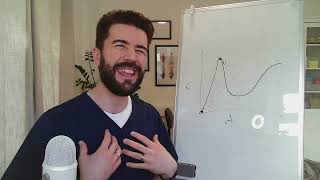
This is a YouTube video titled "The most frustrating part of my job..." created in February 2025. The content is a monologue by a coach discussing the challenges practitioners face with overconfidence and communication, particularly in chiropractic practice. The speaker explains the Dunning-Kruger effect, highlights common pitfalls in practitioner-patient communication, and promotes a Certified Patient Centered Practitioner program designed to improve communication skills and patient outcomes.
This is probably the most frustrating part of being a coach. And it's probably not what you think. You know, it's not the hours, it's not the questions, it's not, you know, having to help people with the same problems over and over. It's actually this. It's watching practitioners fail to improve, get in their own way and actually hold themselves back because they think they've already mastered something when they actually haven't. Now, if you're not familiar, the Dunning Kruger effect is a very well studied phenomenon in learning. Basically, if you have somebody's ability here and their confidence there, we'd like to think that over time, as our abilities get better, so does our confidence. But they actually found something else work, something else happens instead, actually, right? The less skilled someone is, the more they are actually confident. So when you've got no abilities, you know, you're rubbish. That's fine, you get a little bit better, your confidence shoots up. And this is very, very common. It happens pretty much all the time. And what that means is that they start to think they're a lot better than they are now. Over time, if they keep learning, they will realize, oh, this is a lot harder than I thought. Oh, my gosh, I'm never going to master this. Hang on a minute. I might be getting it over time, and trust me, it's complicated. That's the mark of a real expert, somebody who's mastered this stuff. Now, let's bring this to chiropractors. One of the easiest groups for me to work with, one of the ones I love working with, I did a seminar just last week for this group is newer graduates. Newer graduates are great because they're down here and they know it. They're brand new in practice, they know they don't know a lot of stuff, and they just soak everything up and run with it. And they're super enthusiastic and they're really, really happy to do it. But once they've been in practice a few years, what happens with most of them is they start getting better at appearing confident. And because they appear confident, patients trust them more. They start to get decent results. And they assume that they've cracked communication. They've learned a single framework that they apply to everybody. Not cookie cutter, but the same framework they apply to everyone. And they get up here and they go, oh, I've mastered communication. You know, I've got that, that's really down. And they start going and learning all this other stuff as well. Those people are really frustrating, right, because a lot of Us get stuck there. This feels really, really good. And actually it's actually, it's a disincentive to learning because when you're up there, you feel great. You feel like I've got that. The ego loves the confident part there, right? They think they're doing amazing, but they're not. They're actually, you know, they've got better confidence. That skyrocketed in a lot of them, but they're not actually getting better results like they could. Now. There's another group I love working with, which is people who start to slide down here. This is pretty rare, but it can happen that people might start to keep learning, and if they really pay attention, they'll notice, oh, maybe I was a bit overconfident there. And down here, those people, again, I love working with because they just soak everything up. They're really, really great. They know they want to learn more and they appreciate this is a lot more complicated and not something you're just going to learn from. One quick hack or one quick reporter finding something like that. They realize this is whole new depth to communication they haven't even tapped into. So I love working with new grads. I love working with these people, those people. It's really, really tough. Now, here's the thing. You might be watching this right now and go, well, that's not me. You know, I'm one of them. And maybe you're right, but in all honesty, how do you know? In my experience, you know, a lot of people who are there, they think they're there. They think they're a lot better than they actually are there. So let me give you three quick signs that communication might not be as strong for you as you think, and there might be more to learn. Number one, you get frustrated with patients not following your advice. If you find yourself thinking, why didn't they just do it? I've explained this. I've told it to them. You know, why isn't it working? That's a sign that your communication needs work. Now, I don't mean that if they don't follow your advice, you know, your communication is not perfect because if you were perfect, everybody would follow your advice. No, the frustration is actually the clue there because it shows that you're trying to get patients to do something that they're not necessarily on board with and you're putting it all on them. That's a sign for it. The other one is that you feel like the reporter findings. It's your job to convince people. It's your job to Persuade them. Yeah, especially if you go into it like with a slight fear. If you examine yourself and think, yeah, you know what? Back of my head, I'm hoping they don't think I'm one of those chiropractors. I'm hoping they don't think that I'm overcharging or I'm, I'm recommending too much care. That's a sign that your communication needs work. If you don't actively look forward to a reporter findings, then there's more that you can learn and quite a lot. The other one, and I often see this in experienced practitioners who are here, these are people who write off patients who don't listen. If you ever find yourself saying, look, I'm here for the patients who want to follow my advice and all that stuff, I'm here for them, but if they don't want it, I move on to somebody else. If you find yourself kind of dismissing patients because they're not your ideal patient, the truth is those patients might not be the problem. It might actually be how you're showing up for them as well. So I want you to be honest. Hit pause for a minute and reflect and think. Do any of those three sound like things I might occasionally deal with? Frustrated that patients don't follow my advice, Having to feel like I'm supposed to have to persuade them or convince them, or do I ever write off patients when they don't listen and don't follow the plan? That means there's room to grow. That means there's more, that you might be more up here and there's more stuff that you could learn there. And that's exactly why I created my Certified Patient Centered Practitioner program. It's for the ones who realize there is so much more to learn here than just being up there and they want to break through to that next level, get ideal results with their patients. Because communication is everything. Like if you can't communicate and you can't really bond and connect with patients, develop a strong therapeutic alliance. All the other stuff you do is not going to work that well. So if you want to do that, if you think that might be me, then I'd love to have you on board the next cohort. And look, I realize that one quick video here, that's not going to convince you that it's necessarily the right step. Right. If you start the program and you realize it's not for you, I have a 100 day money back guarantee. You can get over halfway through all the live webinars. You can watch all the content, all the prerecorded stuff. And if you go, you know what? This isn't for me. Actually, I'm not there. I was there the whole time. Then you can get the money back. Total refund, no questions asked, Nothing like that. So I promise you, though, if you've been hovering somewhere near this, even if you're kind of in the vicinity of it, you will see things differently once you start. I can absolutely guarantee that. So this is my challenge to you. I want you to be open to the idea that there's more to learn. I want you to be open to the idea that just because I feel really confident, that doesn't mean that I've actually learned everything and there isn't more that I could learn there. Because when. If you get this stuff right, being here and being here, one of the massive differences, spark and the passion that you have for practice, okay? Because it can start to burn out there a little bit. When that comes back into practice and you really crack this and you master this stuff, I promise you, it is absolutely priceless. So if you're ready to take the jump, enrollment is open now. I'll put the link below the video. If you have any questions on this, anything at all, do get in touch and let me know. Otherwise, I'll see you soon. Take care.










