Why universities are messing up their grads (and how to deprogram them)
Chris Chippendale explains how university training makes new graduates overly cautious and anxious about treating patients. He offers clinic owners three steps to rebuild confidence: name the fear, provide external training like a Clinical Confidence Masterclass, and share your own story to normalize imposter syndrome.
Chapters
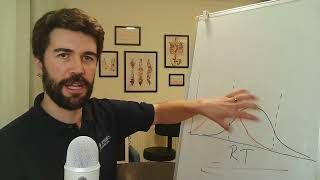
Here's why universities are messing up graduates, and here's what you need to do as a clinic owner to help get them past that. Now, it's been a thing for as long as chiropractic has existed that previous generations have complained that the kids these days are not as prepared for practice. And that is true more now than ever. And I have clinic owners coming to me fairly regularly saying, help. I've got this associate. They're just not getting going. They're just not building a list. Their patients aren't coming back. You know, I'm really struggling. I'm trying to help them, give them advice, but it's either not working or they're not following it, and they're really struggling. And the reason for that is something that universities are doing with students that they've always done, but they have to do that is now having bigger consequences. And it actually gets in the way of you being able to fix this. A lot of the time, if you think that helping your graduate is just about teaching them and just about coaching them, often the solution is not. More advice, is that we have to deal with this underlying issue. And this underlying issue is represented in this chart here. Risk tolerance. So that's what RT stands for. Now, this is the problem that universities have, is that they have to graduate safe graduates. They have to make sure that by the time you earn that degree, if you pass it, you are safe enough that you're not going to be taking unnecessary risks, that your risk tolerance is going to be appropriate. And the problem here is that there will be a range of that across the students. So you will have some who have a very low risk tolerance. These are naturally anxious people, not necessarily anxious like they have anxiety disorders, but they are anxious about getting things wrong. They're going to be very worried. They're not going to want to take any risks. They will play it so safe that they will hold themselves back from doing the right thing for patients. Fortunately, most people are going to sit in the middle. They're going to be somewhere in between these ranges where they have an appropriate risk tolerance. They are aware that you might need to take some risks, but they're going to be appropriate ones there. So, okay, I'm not really sure what to do, but I know it's safe enough to adjust this patient or recommend this or that. They'll be able to spot when it's not a good idea to do that and when it's safe to do that. The problem is, is these folks down here, this tail end, are very Very high risk tolerance. They are actually a concern because they are going to be too cavalier and they're going to be too risky. If you let them graduate, they are going to cut corners, they're going to go, oh, I'm sure it's fine. And they're probably going to end up hurting somebody at some point because they were too confident in their own abilities or they didn't do the due diligence, they didn't do their work to spot is there something more serious going on? So university has got to get those people down here. Otherwise it's the university degree is not working properly. Properly Problem comes in that they can't selectively do that. You can't just grab 10 students aside and go look, you guys are the risky ones. You got to stop that. It doesn't work that way. They have, they don't know who they are necessarily until they graduate as well. So they have to apply it to everybody in order to make sure everyone is safe. You cannot have people this side of this line graduating. So the universities have to basically scare everybody. So what they do is they will give them horror stories, they will give them examples of where it could go seriously wrong. Oh, I had a patient looks normal, right? Oh no, they had a stroke. If you just missed this one thing, you could have let them have that stroke. Or it could be stories of terrible bosses or terrible practices or unethical, you know, money grabbing things, all this sort of stuff. Basically you're training them to go make sure they never take too many risks and make sure that they never end up working for one of those terrible clinics that is so unethical and is just about taking money. Yes, they exist, they're rare, but they need to know about it. So you apply that to all the students. And of course what happens is these people now, it all gets shunted down. So the people who were too risky now become appropriately risky. You know, they are, they have an appropriate level of risk tolerance. They're going to be a bit more nervous about things than they were. That's going to keep them safe. The majority however are going to end up here where they start to get into the really, really worried about stuff and then this tail end just drops off the end. So what you have now instead of most people being fairly normal and some extremes is you have most people. I've not drawn this that well. This should probably be shifted over more. Most of them are going to be too risk tolerance. They're gonna be so afraid of actually treating people that they're not gonna help people that well. And then you've just got this section in the middle here. So this is why university kind of messes up the graduates, because they come out with a ton of anxiety. And when you add that onto the growing amounts of mental stress, mental health issues, just anxiety in the population generally, but particularly younger people, this is becoming more and more obvious. And we as clinic owners now, are hiring graduates who are more and more scared to do anything. They are too scared to recommend a treatment plan, they are too scared to recommend enough visits. They are too scared to maybe adjust somebody who could have really benefited from it. They're too scared to, you know, treat someone. Think, let's just go back to the gp. What if I'm wrong? What if I'm wrong? And not only does that mean that their recommendations won't be effective, that also means that they're going to be scared when the patient's in front of them. And we all know that if you have a scared practitioner, that patient ain't coming back. If they don't feel that you're really competent and they're in safeguards, confident hands, they are not going to come back. So this is basically the situation and it has been getting worse through things that are outside the university's control. I'm not looking to blame the universities, I'm just explaining their reality and why they have to do this. All of that said, what do we need to do with it as clinic owners? Well, there's three things I'll share with you that you can do right now to help reduce that anxiety, because if the anxiety is too great in your new graduates, they are not going to make change. They're going to be so scared of anything, they'll say the right things, they'll nod and smile and go, yeah, that makes sense. But when the patient's in front of them, they're going to fall back to being too safe because their comfort zone is way down here. So what can we do about this? Number one, name their fear. Okay. And usually their fear, as you as a clinic owner, is that you are recommending that they do this because it will make you more money. You are telling them that, I know you've recommended coming, just, you know, come back three visits over the next couple of weeks and that might help. This person probably needs twice a week for a few weeks maybe. And you might say that to them, they go, yeah, yeah, maybe. In the back of their head they are thinking, are they telling me this because it's right for the patient or are they telling me this because it's right for the business and it doesn't matter how friendly and ethical you are, because you have a financial interest in patients coming back, they will always worry. Is that driving your decisions there? So the best thing to do here is name it. I tell my. You know, I will tell new grads here. I get it. I'm the clinic owner. You. You probably think that I'm recommending this because it's going to make me more money just naming it and putting it out there. It tells them, I'm not worried about that fear. I'm not threatened. If you think that, and it shows them I understand it, you could, if it's appropriate, add to it. Like, funny thing is, given that, you know, all the overheads fall in the clinic, actually, if the patient comes back more, that benefits you more than me. So you could add that. But often at the start, I'll go, I get it. You're worried that, you know, I'm recommending this because of the finances. Even if you then go on to recommend something else, that's not true. You've named it. And by naming it, you take some of the fear out of it. And they can hear you say that and go, oh, okay. Well, if Chris really did want to do that, he probably wouldn't point it out. So number one is just name the fear. Now, number two, this is where it gets interesting. Because, number one, you can name the fear, and that will help, but on its own won't necessarily do it. Because if you are still the sole source of advice, and there's a little bit of doubt there, it might have calmed down, but it's still going to be present. So number two is you should not be the sole source of information and knowledge and education. They should be getting input from other people, from other practitioners. That might include some external training. So if it's all coming from you and they're not sure about you, they're not sure about everything they're hearing. But if they hear other practitioners say, yeah, a case like that, I would recommend this case. I recommend that they hear it from multiple people. So some who have no financial interest whatsoever, they get no benefit to how they treat their patients. They will believe that a lot more. In fact, I've often been hired by clinic owners to train their teams. And part of it is we have the discussions, the clinic owners going, I know what they need to do. It's just that they're probably going to hear it better from you, Chris, than me, because they have that fear. And that doubt there. So the smart ones already know this. So some level of external training. One of the best ways to do this is to invest in your team and, and to do it by actually helping them out, sending them on courses. One of the best ones I can recommend right now is the clinical confidence masterclass, for example, that I'm running. We're going to be talking about reporter findings and then lumbar and lower limb adjusting, two of the things new grads need the most help with. So if you want some external help, if you want somebody who is a trusted authority on this, somebody who is not saying from a financial perspective, but here's how to help your patients better, here's how to give a reporter findings confidently. That feels good as a new graduate to give that makes you feel happy because you're actually just helping people and is effective. And make sure the patients are more likely to understand what you can do. Then I'll put the details in the link below. It's on the 7th of March, one day course, that's one way of doing it. But even if you don't, just make sure that they have other people giving them input because you doing it all on your own, if there's a seed of doubt, there's a seed of that for all of it. So that's the first two. Then number one obviously is just name it. Number two is get some external input. Number three, tell them your story. So something that I learned a long time ago is that unless I tell my newer graduates that I used to really struggle with imposter syndrome and I wasn't always this confident and I didn't always know what I was doing, they will assume that I was always like this, which is pretty wild when I, when I say it out loud. But that's what they would do. And if I had one example many years ago where I found out my two new grads who'd been working me for 18 months had no idea I struggle with imposter syndrome when I started out. So number three is tell them your story. Tell them about how you used to struggle with this stuff. To tell them that, yeah, you used to worry about, oh, if I recommend too many visits, is the patient going to feel ripped off or, you know, have I taken more money from them or was I being unethical there, whatever it might be, share with them. You used to struggle with this stuff too. It normalizes it for them. If they feel like, oh, it's not just me, that drops the anxiety down, but also it shows them that you are being a little bit vulnerable. You're opening up, and you're not claiming to be perfect. So it makes you seem more human, too, and that makes you more relatable, and that means they're more likely to actually take on board what you're saying. So give those three a go, please. Don't have a go at the universities for this as well. I completely understand why they have to do it, but that's the reality. If you want to really help your grads, you've got to help them build that confidence. And you got to do that by helping them get over this anxiety that has to be instilled to make sure they're safe. So, number one, you know, make sure that you label it. You just tell them you understand what their fears might be. Number two, get some external input for them. Don't have it be all you doing it alone. And then number three, tell them your story. Humanize yourself. Make sure they know that it's not just them. If you do that, I promise you, the advice that you want to give them later on will go in a lot better.










