Infection and Stiff Knee After Knee Replacement

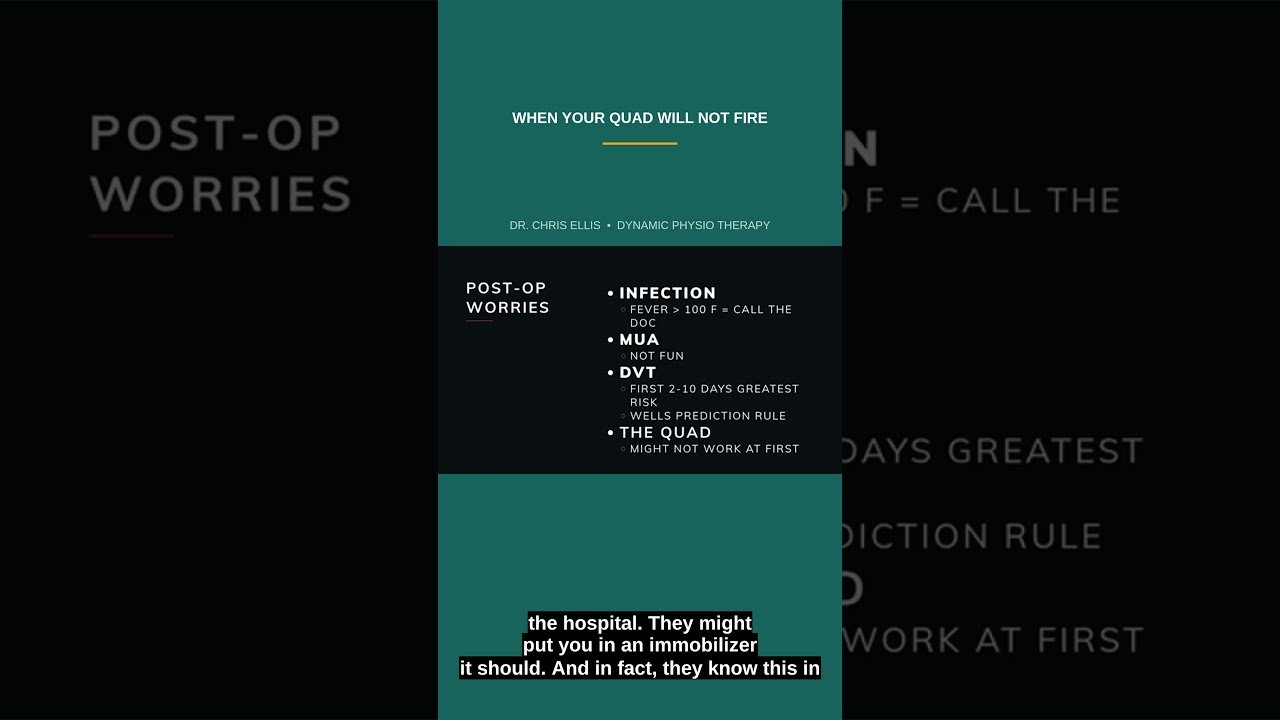
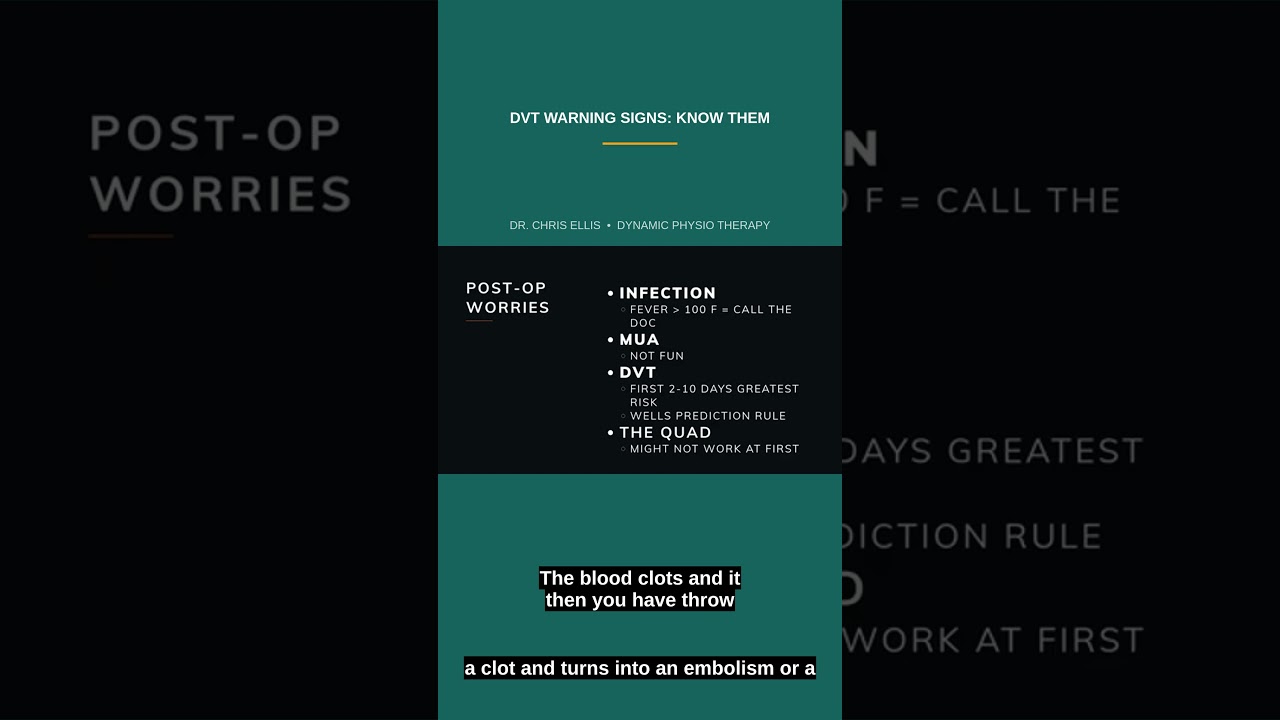
In this segment Christopher Ellis outlines the primary concerns patients should monitor after knee replacement surgery. He emphasizes infection prevention, advising patients to keep the surgical wound clean, avoid swimming pools, and watch for fevers above 100 °F as a sign to contact their physician. He then explains that a subset of patients develop knee stiffness due to inadequate adherence to prescribed exercises, leading to fibrosis and limited range of motion. For these cases, surgeons may perform a manipulation under anesthesia (MUA), manually breaking up scar tissue while the patient is sedated. Ellis describes MUA as uncomfortable and something to avoid through diligent post‑operative rehab. The overall message is proactive wound care and consistent exercise to minimize the risk of infection and the need for MUA.