Reverse Mortgage Interest Accrual, Repayments & Maturity Events - Insights by Expert Cliff Auerswald
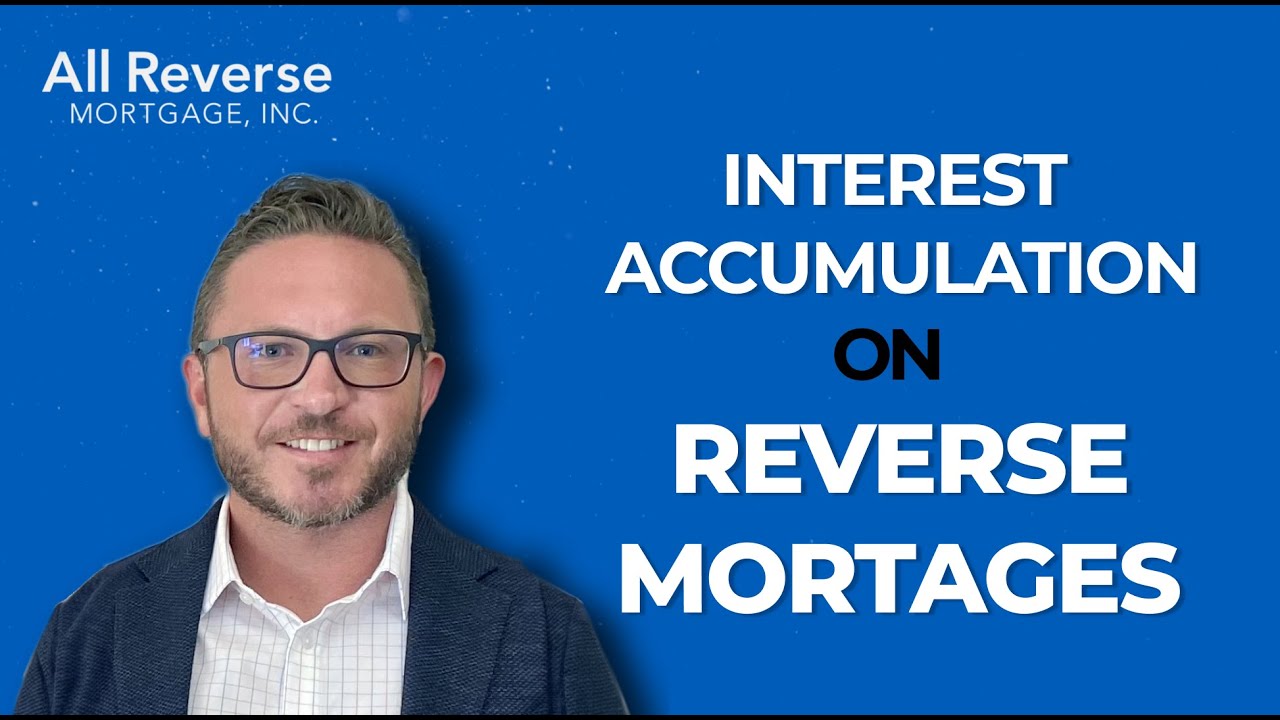
Cliff Auerswald explains how a reverse mortgage line of credit works. The borrower controls the outstanding loan balance and can choose to make monthly repayments or let the balance grow, as there is no fixed due date. The loan ends only upon a defined maturity event: permanent departure from the home for more than 12 consecutive months, the borrower's death, or failure to keep property taxes and homeowner's insurance current. Because the loan is insured by HUD/FHA, lenders face virtually no risk; the insurance covers any shortfall if the home's value falls below the loan balance, and there is no recourse against heirs or other estate assets. Consequently, borrowers can borrow beyond the property's value, with any remaining equity typically passing to heirs after the last surviving borrower dies.