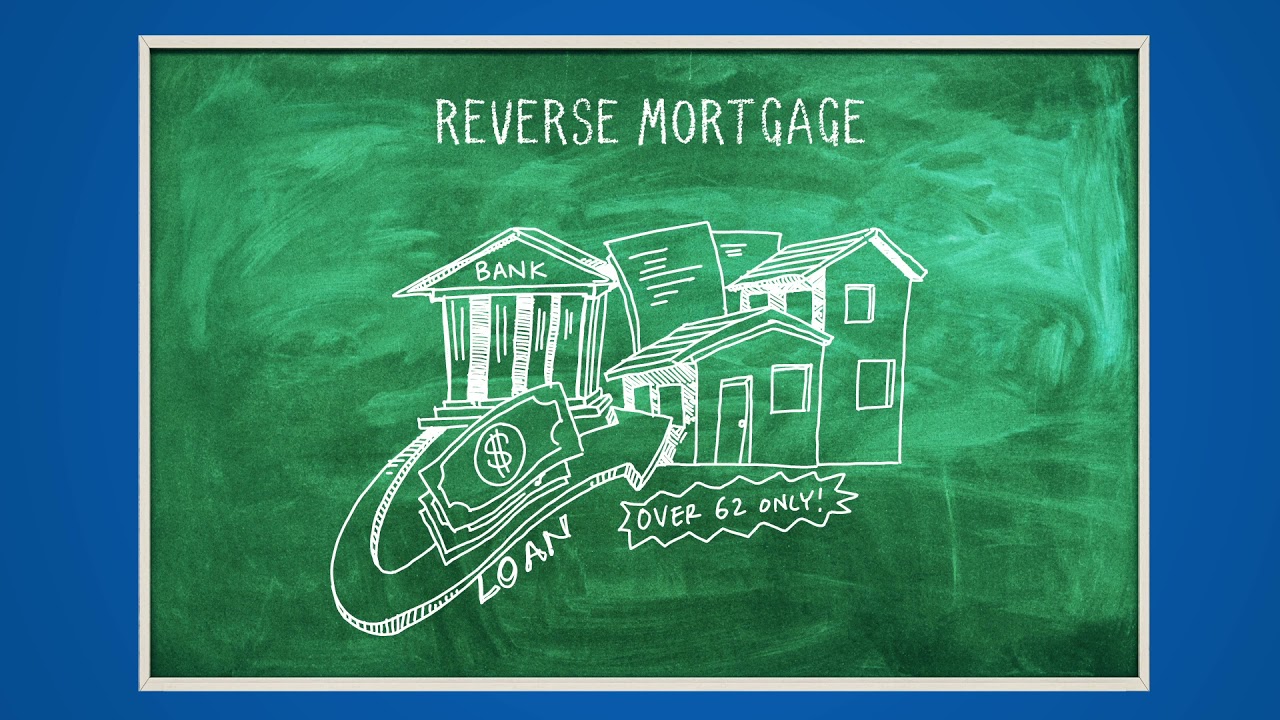
A reverse mortgage lets you skip monthly payments while interest accrues on your loan balance, shrinking your home equity instead of building it. You still own the home, pay taxes and insurance, and can repay whenever you want. The loan comes due when you sell or move.
Chapters
In the following video, I will explain how a reverse mortgage works in comparison to traditional loan types. Let's jump right into it. With a traditional mortgage, you make structured monthly payments, usually over 15 or 30 years. The amount you owe is reduced by each payment that you make, and therefore the equity that you have in your home increases over time. Now, on the other hand, with a reverse mortgage, you have the option to not make any monthly mortgage payments. Instead of writing a payment back to the bank, that interest payment is simply added to the loan balance, and therefore your equity position may decrease over time. While mortgage payments are not required, you may choose to make monthly payments to keep your loan balance from rising. Reverse mortgages can seem complicated, but in reality, it's simply a loan against your home that can be repaid at any time, whether that be at the end of life when your home sells, or by making voluntary repayments while you're alive. Repayments can be made as interest only, interest plus principal, or any amount that you choose. Remember, you're in the driver's seat. With a reverse mortgage, you own your home and you are responsible for maintaining future property charges such as your taxes and your homeowner's insurance. Ready to learn more? Follow me to my free online calculator for eligibility real-time rates, and built-in Arlo advice to help you select the best program.