Culture Is the Currency: Chris Dyer on Leadership, Legacy & Company Transformation
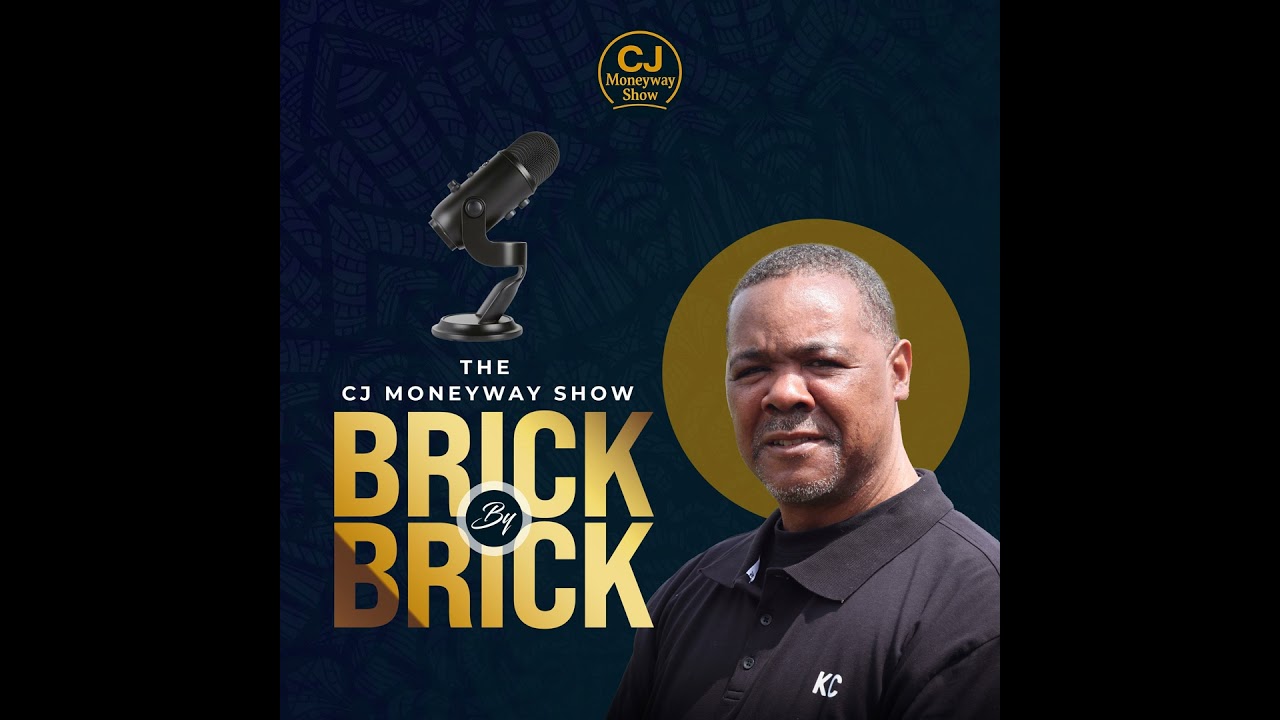
This content was created by Corwin CJ Moneyway Johnson. This content was uploaded by Corwin CJ Moneyway Johnson. This is a YouTube podcast episode titled "Culture Is the Currency: Chris Dyer on Leadership, Legacy & Company Transformation" (created 2025-09-24). It is an interview-style episode of the CJ Moneyway Show in which host Corwin CJ Moneyway Johnson (CJ Moneyway) and co-host/introducer speak with guest Chris Dyer about company culture, leadership, remote/hybrid work, Dyer's 7 Pillars strategy, meeting design, hiring, and legacy. The episode contains sponsor reads for Progressive, Shopify, and ZipRecruiter and offers practical tips (positivity pillar, focus on top performers, feedforward for tough conversations, distinct meeting types, etc.).
Chapters
This episode is brought to you by Progressive Insurance. You chose to hit play on this podcast today. Smart choice. Progressive loves to help people make smart choices. That's why they offer a tool called Auto Quote Explorer that allows you to compare your Progressive car insurance quote with rates from other companies. So you save time on the research and can enjoy savings when you choose the best rate for you. Give it a try after this episode at progressive.com. Progressive Casualty Insurance Company and affiliates. Not available in all states or situations. Prices vary based on how you buy. When you think about businesses that are selling through the roof like Alo or Skims, sure, you think about a great product, a cool brand, and brilliant marketing. But an often overlooked secret is actually the businesses behind the business making selling, and for shoppers, buying, simple. For millions of businesses, that business is Shopify. Nobody Shopify does selling better than Shopify with Shop Pay that boosts conversions up to 50%, meaning way less carts are going abandoned and way more sales happening. So if you're into growing your business, your commerce platform better be ready to sell whatever your customers are scrolling or strolling on the web, in your store, in their feed, and everywhere in between. Businesses that sell more sell on Shopify. Upgrade your business and get the same checkout Skins uses. Sign up for your $1 per month trial period at shopify.com/westwood1, all lowercase. Shopify.com/westwood1 to upgrade your selling today. shopify.com/westwood1.
Welcome to the CJ Moneyway Show podcast, the podcast show where we unlock potential one dream at a time. Today we have another guest whose journey is truly worth hearing. Sit back, relax, and enjoy the Moneyway experience.
What's up, my good people? Welcome to the CJ Moneyway Show where we build legacies brick by brick with the hustle, heart, and faith that define the GI Hustle movement. Today I got my man Chris Dyer on the line with me today, a powerhouse guest keynote speaker with over 15 years of experience, a former CEO who transforms companies' culture, and the man behind the best-selling books like The Power of Company Culture, recognized as Inc. magazine's number one leadership speaker on culture and top 50 global thought Thought Leaders. Hey, welcome to the show today, Chris, man. How you doing?
Doing good.
Thanks for having me, man. I appreciate you taking the time out today, man, joining me today. So, Chris, man, let me ask you, man, you've gone from leading thousands as a CEO to becoming Inc. magazine's number one leadership speaker on culture. Take us through that journey and what drove you to focus on company culture and remote work.
Well, it was really out of necessity. So back in 2008, 2009, we had a big recession, and I realized that the company I had wasn't going to continue to thrive going forward. I had to make some real serious changes. And as I thought about what those changes were, it was really the culture. It was how we operated, how we made decisions, how we could free people to make decisions faster. And get sort of unencumbered leadership and allow our people to have more of a stake, more of an ownership in that. And the only way to do that was to change the culture. And so that was, it was really a very selfish need at the time. It was just survival. It was how do we make the company better? And what was fascinating is every time we made a significant change and we would experiment with things, we'd try new things, but when we found something that worked and we put it into place, it was so amazing how much better the organization got, right? So, you and I were just talking about the Lakers and the Dodgers. And I don't know if you remember, like, years back when Del Harris was the coach of the Lakers, right? He had essentially the same team that Phil Jackson had the next year.
Yeah.
And what was the difference? Well, I'm sure there's a lot of things you could point to, but I would say the very first and most important thing was They went to the triangle offense, right? They changed. They made a significant change to how they operated. Same personnel, same people. You had a different leader, but I mean, you changed the system. Yeah, right. And then of course Phil Jackson did a bunch of other stuff to help them be successful for a long term. But that was what I was looking for, right? What was my triangle offense? What were the things I could do that were systematic changes to the organization that people could actually do and understand that wasn't be a better leader or be more patient. None of that. I wanted something that was concrete. And we did those things and it was just amazing how better things got, how much faster we moved, how much our sales went up, our costs went down, right? Everything got better.
I like that analogy. You know what I'm saying? Like you said, they had the same person there with Dale Harris. Yeah. I've been a Laker fan since 1980, so I've been through the hard times. Through the good times. And but I like what you said with that as far as because to— they brought in a system that they knew that already worked. And so now with the system that you got, you know, you say that you built it. So now not only is it working for my company, but if I have to pivot, I already got a system in place that already— that's been proven to bring championships and to bring revenue and scale up business. So I like that, man. So let me ask you, Chris, man. You've been named a top 50 global thought leader and have 5,000 fastest growing company honors. What's the one lesson from those wins that our hustlers can apply today?
So none of that happened by making one decision. None of that happened by, you know, we always think if I just had the million dollar idea, if I had, if I knew what product to sell, if I None of that ever is the answer. The answer is making consistent choices, working hard. We used to have this saying in my company, it was, "How do you get 1% better today?" Right? So it's all about incremental growth, incremental improvement, incremental ways in which we can make changes. And so for most people, 99.999% of people, We don't make one decision and become a millionaire. We don't make one decision and become a success. We have to make a ton of small decisions that are all towards our goal, right? And make decisions not to do things that are not focused on that goal. So I would say making those small decisions and being hyper-focused on your goal is the one most important thing. And if I would say a second would be also not doing the things that are not going to support your goal, right? That's just as important or almost as important, that discipline to not do things that are not, you know, where you want to go.
So let me ask you a question, Chris, man. Your 7 Pillars strategy has unlocked productivity and profits for countless companies. Can you break down 1 or 2 pillars that our audience can start implementing right now to strengthen their teams?
Sure. So, the first one I'll kind of call out is the positivity pillar. That's really how do we have positive leadership? How do we think about things positively? Now, I don't mean toxic positivity. I don't mean everything is good and everything is happy. No, no. What I'm talking about here is focusing on what's good, focusing on what's working. Give you two examples. I walk into companies all the time and they have like this cash cow. They've got one thing in their business that's working really well. And I watch them having 50 meetings about trying all these other product lines and trying to get into these other customers. And I'm— my question is, well, for this cash cow, for this one thing that's working really well, have you maximized that? Have you done that thing? Is it getting you the maximum benefit? Are you selling it to the maximum amount that you could? And the answer is always no, right? And yet they're spending all of this time. So it's— I don't know, the example would be like, let's go back to basketball. You know, every time I drive to the hoop, I get a layup or I get fouled. And yet you're standing on the 3-point line airballing. Yeah, right. Why are you doing that? Yeah, you're really good at one thing, keep doing more of that. Now that doesn't mean you can't go practice your 3-pointers on your own time,. But when it comes to game time, like, do the things you're really good at. Yeah, right. And I find that people get distracted and they forget about that. Now, the second part around this is around leadership. You should be very curious all day, every day, all the time about what your best people are doing, what your best salespeople are doing, and how are they being successful. If you are spending your time and energy worrying about your let's say your worst salesperson. We've all done it, right? I had like a sales team of, I don't know, 20, 30 people. And it's very easy to suddenly like start spending all your time thinking about those 2 or 3 salespeople that are failing and to be on their calls and looking at their proposals and being copied on their emails and trying to help them and meeting, like doing all these extra meetings with them. Stop doing that. Go and look at your top 3 salespeople and ask them why they're being successful. Be on their calls, look at their proposals, look at their emails, and then ask them to train everybody else and to share what's making them a success, right? When we put our focus on what's working, that will grow. What you focus on grows. So if you focus on what's working, you're going to get more of what's working. And you know what's going to happen to those 3 people who suck? They're going to go away, or you're going to make the better decision to fire them and get somebody else instead of trying to pull them up, right? Trying to— which is really hard to do. It's a lot easier to help push someone forward when they've already got momentum than is trying to pull someone out of a hole they can't get out of. So that's the first one. And I'll pause. You may have a thought there before I go to the next one.
Hey hustlers, I'm CJ Moneyway Johnson. And if you're building a team to grow your business, let me introduce you to ZipRecruiter. Their AI-powered platform finds the right talent fast, posting your job to over 100 job sites with just one click. I've seen how their smart matching delivers quality candidates in 24 hours. Perfect for job seekers like you scaling brick by brick. Try it free at ziprecruiter.com/click. Use code CJ Moneyway Johnson for an exclusive deal. That's ziprecruiter.com/click. Hire your hustle today. Now back to the show.
I mean, you know, like, I like what you said, like you go to the 3, see what they're doing right, and then they can train the others. Let me ask you, because like in my experience from working in casinos and things like that, management and, you know, training programs? Like, a lot of people that can do a good job, you know, they, they could do their job great, but everybody's not great trainers though, you know what I'm saying? Like, I know how to do my job, but when it comes to training somebody else, I know training takes patience and you have to be willing to do it, and everybody's not like that. So what have you came across, you know, saying, with that as you try to get your top players to train and bring up the lesser ones?
This is a good point. So I wasn't asking those people to be trainers specifically. All I wanted them to do was to share that information and for them to be open to telling everyone, hey, this is how I do it. And what was interesting was between those 3 top salespeople, they all did it a different way. There wasn't one way to do it. And so by them sharing what was working for them, The rest of my sales team, they could pick up on what works for them. You know, one salesperson spent all their time on the golf course and networking with people, and that worked for them. The other person made 100 phone calls a day, sent 200 emails a day. That worked for them, right? And so different people could be like, ah, well, that feels more like me.
I'm—
let me try to see what they're doing and try to copy that. Instead of them trying to do networking and cold calling at the same time, which was just too much. So it was about them sharing. And then we had people that were more the trainers, right? And when we got that information, then the trainers could spend more time to go deeper with them on what— or we would bring out— this is more common— we would bring an outside trainer in. If we identified 2 or 3 things that everyone should be doing, we might bring an outside consultant or trainer in to really help the rest of the team get good at that, not ask those 3 top people. To be trainers because you're right, they're probably not trainers. And honestly, I don't want them to be. If they're my top salespeople, I want them on selling.
You want them to get that money, huh? That's right. Hey, so let me ask you, Chris, man, it wasn't on my list. So, you know, you got salespeople and things of that nature. So when you started, what was your niche? As you say, some go to the golf course, some may do 100 calls. What was your main thing? What did you focus on more on?
Mine was as many touches as I could possibly get, right? How many times can I get in someone's inbox? Back in the day, can I get into their fax? How many times, how many calls can I make? So what worked for us early on was that hustle. Now, back in 2001 when I started my business, it was different. I was telling them they should do this thing with me that they had— most of them had never done before. By the time 2009 rolled around, now when I was calling people, I was trying to get them to do it with me instead of with somebody else. So early on, we were— not everyone was doing what we were doing, and that was actually a much easier sell, right? Convincing someone they should do this new thing because it's good for them, I found a lot easier than you have 6 other people who could do this for you, but you should choose me. That was a little harder message. And that was when we really sophisticated and got a larger sales team because for me personally, that was not what I wanted to do all day.
Yeah, I know, man. You know, I've had a couple of salespeople, you know, on the call marketing sales and this and that. And I'll never forget one guy say I was talking to him. Matter of fact, I did Canada. He was from Canada. And he say, CJ Moneyway Johnson, man, the hardest thing was that first time he made that cold call. —and getting hung up on, you know what I'm saying? It could get discouraging, people hanging up on you. And I told him, I apologize because I know I've hung up on a lot of people like that. Put your whole like, we finna send you to such and such. Okay, bye-bye now. So I know, man, I give you guys a lot of credit, man, because I know sales and trying to get people on cold calls and everything, man, can be very difficult. But I'm glad you stuck in that, man, and now you got a successful business. And you are the man that you are today. So let me ask you, Chris, man, you said culture is the backbone of success. How can small business owners or solopreneurs who might feel overwhelmed build a positive culture brick by brick?
Well, if you really want to build, I think anything, it has to be people first. You have to be making decisions, set up processes, think about the company, in a way in which you're putting your people first. Now, some people call that people first, some people call it servant leadership. There's lots of different, uh, terms and philosophies out there. But if you are setting up the company and it's all like, you know, me, me, me, it's just good for me as the owner, me as a CEO, and you think people just need to show up and work for you because you're going to pay their paycheck, and you're not thinking about those softer skills and things, you're going to fail or it's going to be a lot harder than it has to be for you. Right. And I remember like we did things, we tried to really show up for our people when something bad happened in their lives and we tried to show up in a really big way. And we did that for two reasons. I mean, one, we cared about our people. We wanted them to know that we cared about them. But what I found was that because we showed up big when they needed us most, that kept people with us for years, right? They probably could have made more money working for somebody else, but they stayed because, you know, we sent flowers when someone passed away. When they say got sick, we told them, take time off. We didn't like sit there and say, we only have 10 days of sick time. You know, you can only be gone for 10. We didn't do that. Like, if we knew they were really struggling, they had cancer, they had something Like we would give, hey, take whatever time you need. We're going to pay you. Right. Like we showed up for them when they needed us the most in very specific, unique ways. That was very targeted to them. Right. It wasn't something that we did generically for all people all the time. It was like, what is this specific person going through and how do we specifically help them? Right. So, and that was because we thought about people first. Now that's one end of the spectrum. The other end of the spectrum is like being transparent, giving people the information, telling them why you make decisions, telling them how you make the money, telling them what the goals actually are, telling them what the company goals are, the team goals are. Does everyone on your team know what each other's goals are? Like, that's people first because we can't be accountable. We can't expect people to be rowing the boat in the same direction if they have no idea what direction we're going. And I see that this happen so often. I worked with a client the other day. Hopefully they're not going to listen to this. And we did this little exercise where we said, what would it be like? What would need to happen for us to reach our goal this year? What things need to happen? What changes? All this, right? And they all broke up into groups and immediately the hands started going up. Like, that's weird, never seen this before. And called on them and they said, what's our goal this year? So I'm asking them to imagine what would need to happen to reach our goal. They didn't even know what the goal was. Mm. Yeah. Now, if your goal for your business is $100,000 this year, that's a lot different thought process then our goal is 100 million, right? And so, we usually get frustrated with people because they don't act the way we want them to act. They don't show up and have great ideas. They don't do these things that we expect them to do, but they don't know what's in our head. They don't know what we know. And so, we have to be as transparent as we can. And it's a pain in the butt. I know. As a leader, it is so hard to have that 5 extra minutes to explain something, to tell them why, to teach them this thing that you already learned 15 years ago, so that they can get caught up and make better decisions and be a better employee. But that little extra time every single meeting, every single day, pays massive dividends later on if you're really trying to build a great culture.
Mm, I like that, man. I want to go back to, like, you was talking about culture and how you do with your employees. I think that's awesome. As far as people being sick, it's the empathy. I've been talking to a lot of people about that, and that's one thing that we're missing in society today is empathy, caring for one another, caring for others' needs and things of that nature. And so that does go a long way when you come to your employees and you're giving them time off that they need, they going through things, and it makes me want to come and work for Chris even more, give it my all. Like you say, they can go out and find another job, make more money, but it's the culture that keeps us coming. I was listening to you. I was talking to a guy not too long ago, and I was kind of hearing what you were saying, and he was talking about how you empower your employees, you know what I'm saying, to feel like, you know, they're part of the team, they're part of the process. Instead of coming through just saying that it's my company, we gonna do what I say, do it as I say, you have to be willing to listen to others. And now everyone feels empowered. So now, you know, it's not just one boss. You giving them the sense of we're all bosses here and we all make decisions and we're in this together, like you say, the transparency. So I kind of like that, man. So let me ask you, Chris, man, embracing the future of work. Remote work is here to stay. You know, like my wife, she's upstairs right now. She's been remote working ever since COVID Based on your experience with cars and your books, what's the key to mastering tough conversations in a viral setting?
Well, it's probably pretty similar tough conversations are tough conversations, whether you're sitting in front of somebody or you're across from them on a Zoom or a Teams or whatever. I think probably the easiest thing that everyone can do right now, if you're having a tough conversation, if you feel like you need to figure out how to communicate to this person, is to think about a concept that I call feed forward. So often we go to someone and we say, hey, I need to talk to you about that meeting we had. I need to talk to you about how you did that report. Let me give you some feedback. Okay, well, feedback is inherently negative. Feedback— what I'm saying is, is, hey, I don't like what you did in the past and I want you to change it. Well, that sets you up for being defensive and, and trying to explain yourself. And trying to, or you might feel like you're in trouble or whatever it is. If I come to you and I say, hey, the next time forward, the next time we have a meeting, can you do this? Or, hey, the next time you work on that report, can you make sure to do this? And what I find is people go, oh yeah, I can do that. Right? So I'm not criticizing. I mean, obviously there's some level of like, what you gave me last time isn't exactly what I wanted, but I'm not asking, I'm not saying, Hey, you screwed up. I'm just saying, hey, next time, can you do it this way? And so if the tough conversation is that you need someone to change their behavior or to change their output or something, try feedforward. Try putting it in the context of future behavior because people are willing to change future behavior. It is impossible for them to have change, to change the past. Yeah. And that's why they get defensive and that's why they argue and that's why they get angry because they feel like you're attacking them. Right. But if you and I were in a meeting together and you were talking the whole time and you wouldn't let anybody else talk, I could come to you and say, hey man, you gotta shut up in meetings. Like, why are you like talking over people? Like, what are you doing? And you're going to be mad at me. Right. And you should be. But if I come to you and go, hey, in the next meeting, Can you make sure everyone gets heard? Can you make sure if you talk like that everyone else gets a chance to talk before you, you know, come in again? Yeah, I want to make sure everyone gets heard. Oh yeah, I can do that. Right? Like, it's a— it's the same thing. And yet it's totally different.
I like that. You say forward, you know, feed forward. If you don't get nothing else out of it, feed forward, man. Well, you know what they say? Well, sometimes my mother, she used to work at the license bureau. And she would call it beatdown Saturdays. They're coming there, just get beat down every Saturday about, like you say, past things that happened, didn't do this and do that. And so it do it, it tears you down, it wears you down as an employee or whatnot. I don't want to listen to what Chris got to say. Every time I do something, he criticize me. But when you come with that positive thought process and do it different, I see why now, why you say culture is a big thing, man, because you're laying out the groundwork. For a successful culture, man. And this could teach a lot of people and companies only. And it all starts with the leader, as you said earlier, it all starts with the leader on how they, you know, present things to the people that's working for them, man. So I like what you're doing, Chris, man. I really do. Let me ask you, man, your talks leave audiences transformed. Share a story of a company that embraced your remote work strategies and saw a game-changing result.
Well, we know there's been a lot of organizations that have taken on quite a few things. I've been really fortunate to work with a lot of really big companies, and I'll tell you, one of the most important things that we've seen them take on is a shift in meetings. This is probably the number one area where an organization has come to me, or they've gotten one of my books and they've come back to me and give me feedback. It's removing this generic meeting that we have, and it happens more often in remote and hybrid work, is that generic 30-minute or that generic 60-minute meeting that somebody calls, right? And it's like the same format, it's the same meeting over and over and over again. And we feel like— yeah, we just feel like it's like Groundhog Day. We feel like it's like the same thing over and over, and yet we don't feel like anything really gets accomplished. So what we've discovered is that you need to have very different meeting types. So in my books, I talk about cockroach meetings, ostrich meetings, tiger team meetings, tsunami planning meetings. There's daily standups. There's, I mean, there's all these different types. And by creating lots of different types of meetings, and I think I'm a big advocate for funny names for the meetings, so people remember them, right? They remember that name. It changes what we expect them to do. Right? So when you show up to a generic 30-minute meeting, what am I supposed to do? Do I, am I supposed to just show up and listen? Am I supposed to participate? Am I supposed to brainstorm? Should I have prepared in advance? Like, what is it I'm supposed to do? And what ends up happening is we show up for a 30-minute meeting only to discover that none of us, or some of us don't, haven't done the things we were supposed to have done or should have done. And we end up having to schedule another meeting, right? To then actually do the thing. That's two 30-minute meetings. That makes my brain explode. Like, that is ridiculous. I want one 15-minute meeting instead. Now, the only way you do that is, let's say I call a cockroach meeting. And a cockroach meeting is a 15-minute meeting, 5 to 7 people. It's about one problem. Right? No one has to have done any work. I'm going to show up and say, here's my problem. Who can help me? It is optional. If I invite you, it's optional for you to attend. Obviously it's mandatory for me to attend because I'm calling the meeting and we try to end early, right? We start on time and we try to end early and it's just about one thing. So if I invite you to a cockroach meeting and I say, hey, cockroach meeting, I don't know how to like, you know, I don't know how to fix this thing. A client called and they want a new contract.
I don't know how to do that.
And I invite you and you show up, you know how to help me. Or maybe if you don't know how to help me, but like you want to know the answer, you might be there just to know the answer. Like, I'm— this happens all the time. I don't know how to solve this problem either. Right? And so it's very clear how we're supposed to act. Now, a Tiger Team meeting, it's a big meeting. It's an hour, it's 2 hours, it's all day. People better have come with prep and preparation. And like, we may call on you and you're going to do a whole 30-minute presentation on something because we're trying to solve a really big problem, right? Cockroach is a little thing. A tiger is a big, dangerous animal. It's a totally different thing. Yeah. So it gives people context on how to act, right? So that's where I've seen companies take my concepts the farthest, is around meetings and just eliminating those generically stupid 30-minute or 60-minute meetings that just keep happening over and over and over.
Hey, CJ Moneyway Show fans, coming up, I'm spilling the secret to hiring top talent with ZipRecruiter, AI that works as hard as you do. Stick around for details at ziprecruiter.com/click. Use code CJMoney for a free trial. Let's get to it. Try it free at ziprecruiter.com/click. Use code CJ Moneyway Johnson for an exclusive deal. That's ziprecruiter.com/click. Hire your hustle today. Now back to the show.
I like that. Maybe you should come to my job, Chris, man, to give us some of that cockroach tiger meat, man, so we'd know what to expect. I like that. So when people hear the— oh, we got a cockroach meeting, they like, oh, it's just a small problem, one thing we, you know, can get in and out. When they say tiger meeting, it's like, oh man, I better put on my big boy pants because this was gonna be a doozy. And like you say, you might call me up there to do a 30-minute presentation. So when I hit a Tiger meeting, I better start preparing myself right now because I don't know if Chris gonna call on me to do this presentation tonight. So I get it, man. I like it. So yeah, let me ask you, Chris, man, with Cars distributing $80 million a year to charities, how do you see leadership and generosity working together to create a lasting legacy?
Well, I think, you know, it's hopefully organizations are thinking through how they're going to support the community and make those donations in a way that is relevant and ties to their purpose, you know. So whatever the organization is trying to do or trying to be, you're trying to become, does that align with their charitable donations? Because I've seen organizations just give money to charity, whatever, but like What we want is to build a connection between where we're going and who we're supporting. And again, back to, does that matter for our employees? Because if your employees know that we are supporting particular groups or particular charities or particular vision, right? And you know that like the sort of the fruits of our labor are also going to help a particular type of community or area where it is important. And like, I know that that's connected to the work that I'm doing. Again, that creates more purpose for me, that creates more stickiness for me to stay in this job, right? Then if I have no idea where it's going and I'm not really connected to it, it is sort of a— it's great that organizations do that, but there's an incredible marketing bit of messaging in there too, right? A great way for them to connect those dots to their clients, to employees and everything they're doing. Mm.
So Chris, man, I only got a couple— me, one more question for you, but I do have this game that I've been playing on the CJ Moneyway Johnson Show. It's called the Quick Fire Round. I'm gonna ask you 5 questions and you tell me the first thing that comes to your mind. But before we get there, man, let me ask you, man, tell us about your latest book, man.
Latest book, I re-released, uh, The Power of Company Culture. I basically doubled the size. We added in some great case studies with VaynerMedia. Neiman Marcus, NASA, and just really tried to— every question, all the things that people always ask me, I was like, basically I doubled it. We added in all that stuff to make sure the book was a complete one thought. If you want to change your culture, go pick it up.
Mm. So Chris, where can we find you on social media? And where can we find your book at, man?
Yeah, so on most channels, it's Chris P. Dyer 7. I think on TikTok, it's ChrisDyer.com. My website's christyer.com. Happy to connect with you all on Instagram, TikTok, YouTube, LinkedIn, wherever. Happy to connect. And you can find my book Easiest Places on Amazon. If you're not in the United States, you can find it on koganpage.com. Oh, cool.
So, Chris, man, let me ask you this, man. What's one piece of advice you'll give to someone starting out, wanting to leave a mark like you have with your books and your speaking career?
I think just be open. I mean, I'm an accidental author. I'm an accidental speaker. I was an accidental podcaster. And I mean, I mean, that is because I didn't like say I wanted to go do that stuff. I was just really focused on having a great culture. We were talking about that and telling people about— it was a part of our story, right? We're being transparent about what we were doing. Mm-hmm. And people got excited about it and asked me to start speaking. And then someone asked me to do a podcast and did that for 10 years. And then, you know, a publisher came by one day and said, hey, we want you to write a book. And like, it was just because I was willing to say yes and explore those opportunities, but also was because I was out sharing and talking and being transparent about what we were doing that people were able to also get curious with me, right? If you keep all that stuff inside and it's only you and your company or you and your leadership team knows that stuff, You know, it's not going to happen. So if you got to get out there, talk about it, share your wins, share your mistakes and your screw-ups. And I think that you may find there's an opportunity for some of those things to happen.
So let me ask you, Chris, man, you still doing the podcast?
Nope. No, gave it up when I sold the company at the end of 2021. We went another year. I think 2022 was my last year. Okay.
How did you like it, man? Did you like podcast? I liked it.
I had a good little system, you know, as I had a team that helped me find the people, write the scripts, do all the work. I just showed up for the hour and did the podcast. So I enjoyed it. I had an hour conversation with two people and I got out.
So easy peasy for you, man. I can't wait till I get on that level to just have people just doing that thing for me. So, all right, Chris, man, you ready for this fire round, man? Don't get nervous. Now a lot of people get nervous when we get to this part right here.
So just the first thing, one word or a sentence, or what's the first thing that comes to my mind?
Whatever come to your mind, man. Believe me, people leave paragraphs. It don't matter, man, because sometimes it's a good— it might be a good question and they want to elaborate on it or whatnot. Hey, we on the Moneyway Show, man. It's just the Chris Dyer hour, man. Don't worry about it. If you want to give a long answer, go ahead, man. It's cool. All right, so let me ask you, best leadership tip for a remote team?
Best leadership tip for a remote team? You can't run a remote team like you do a team in the office.
Mm. Why is that? It's different rules.
You know, you walk in the office, I can see if you are upset, I can see if you're late, I can see if you're excited or happy. When we show up on that Zoom screen, everyone looks the same, right? Everyone's got that same kind of— so you have to change how you think about understanding people's emotions, finding ways to connect. Finding those ways to have those interactions where you can pick up on people's energy so that you can be a good boss, be a good leader. But there's just a certain amount of like things you can pick up by being around people in an office that you can't by having them be remote. That's okay. There's just a different way of doing things. And it can be just as effective or more effective.
I like that. Because a lot of times too on the remote call, I could just put my avatar up and you really ain't got to see my face to see how I'm looking or feeling for that day. Because I could be like, oh, Man, I wish we'd get this Tiger meeting over with, man, because Chris finna get on our head. So let me ask you, man, one word to describe a great company culture. One word. Curious. Curious. Favorite tool for hybrid work success? Slack. Biggest challenge in today's workplace?
Probably the speed of change, uh, with a little maybe caveat of AI is obviously a part of that driving change, but change is happening faster and faster. And so we don't have as much time to digest the change. I think that's the biggest issue companies are having or continue to have. Mm-hmm.
And so with the change, you gotta know how to pivot too. A lot of people don't like to pivot a lot. Been getting that a lot on the show too. So last question, man. Legacy, the legacy you want to leave behind. Yeah.
I hope that the work that I've done will continue to help organizations create environments where everyone can thrive, right? In a culture, it works for employees. It works for leadership. It works for ownership. It works for the board. It works for the shareholders, whatever it may be. In a great culture, it works for everybody.. And that's what I continue to hope my legacy will be when I'm long gone. I hope that organizations will think about that a bit more than maybe if I hadn't been around.
I like that. And I hope your legacy leaves building a culture like you have with your company, man, because I think that's pretty cool. So Chris, man, any final thoughts you would like to leave us out or leave us with, man? One last nugget, man.
One last nugget. Let me think. I think we talked about it a little bit ago. I want to repeat it. What you focus on grows. Mm-hmm. So, I want everyone to really think about that and remember that. And that could be, you could be flipping burgers at McDonald's. You could be running a Fortune 100 company. I think that focus has just as much impact on any person, right? So, where you put your energy, what you're focusing on, what you're thinking about, that will grow. It will always grow. So if you're complaining and you're thinking about what's not working and you're talking about, you know, what you don't have, that's only going to get bigger. But if you're focused on what's working, you're focused on what you're thankful for, you're focused on where you're able to be successful and achieve, that's going to get better. I don't understand it, but the universe works in these weird ways. And when you're thinking about manifesting and you're thinking about and you're focused on the good stuff and believing in yourself and believing you can do more of that. Every time the universe surprised me and just shows up and gives me more of that.
I like that, man. I like that. So like Chris said, and he brought up a point that he said earlier, quit worrying about the 3 that's at the bottom and pay more attention to the 3 that's at the top, man. Maximize Your potential, maximize what you got working. Those are words from my man Chris Dyett, best-selling author, Inc. Magazine top 50 man of the year, whatever we want to call it, Chris, man. I'm just freestyling right now, man, but I really appreciate you coming on the show, man, dropping bombs of wisdom on company culture, remote work, and leadership that we can take and run with. Again, to the audience, his Seven Pillars of Strategy and stories from cars are proof that building a legacy is about action. Breaking it brick by brick. Hit that subscribe button, leave us review, and get at your man CJ Moneyway. You have been listening to the CJ Moneyway Show with your man CJ Moneyway and my new friend from Orange County, California, Big Dodgers LA fan, but he say he like the Angels too, but we gonna let that slide. Hey, until the next time, we out of here. Peace.
Ditch the other hiring sites and let ZipRecruiter find what you're looking for, the needle in the haystack. 4 out of 5 employers who post on ZipRecruiter get a quality candidate within the first day. Try it for free at this exclusive web address: ziprecruiter.com/work. Again, that's ziprecruiter.com/work. ZipRecruiter, the smartest way to hire.
Thank you for listening to the CJ Moneyway Johnson Show. Show. Don't forget to share this episode with your friends, leave a comment, and drop a review. Be sure to tune in every Tuesday and Friday for more inspiring journeys. Who knows, your story might be next.
More from Corwin


Pressure-Proof Leadership: Claire Hayek on Neuroscience, Resilience & Leading Under Pressure

Healing With Fire: Zulma Williams on Trauma, Cancer, Depression & Finding Your Voice

The Economy of the Heart: How Love and Leadership Build Profitable Cultures | Hanna Bauer

The Doorman Nobody Valued: Wes on Storytelling, Corporate Blind Spots, and Building Brotherhood o...

Art for Your Sanity: How Creativity Helps You Survive Chaos — with Susan Hensley

Becoming Better: Ryan Gottfredson on Why Success Requires More Than Doing More

Mission Control OS™ Demo | Governance-First AI Executive Operating System | OpenAI Build Week

From Frustration to Confidence: The Dyslexia Professor’s Blueprint for Struggling Readers

Built in the Pit: Chris Duffin on Resilience, Accountability, and the Discipline to Rise

Cyber Thrillers, AI & the Future of Technology with Charles V. Breakfield & Rox Burkey