Wealth Infrastructure: Building Legacy Money That Actually Lasts
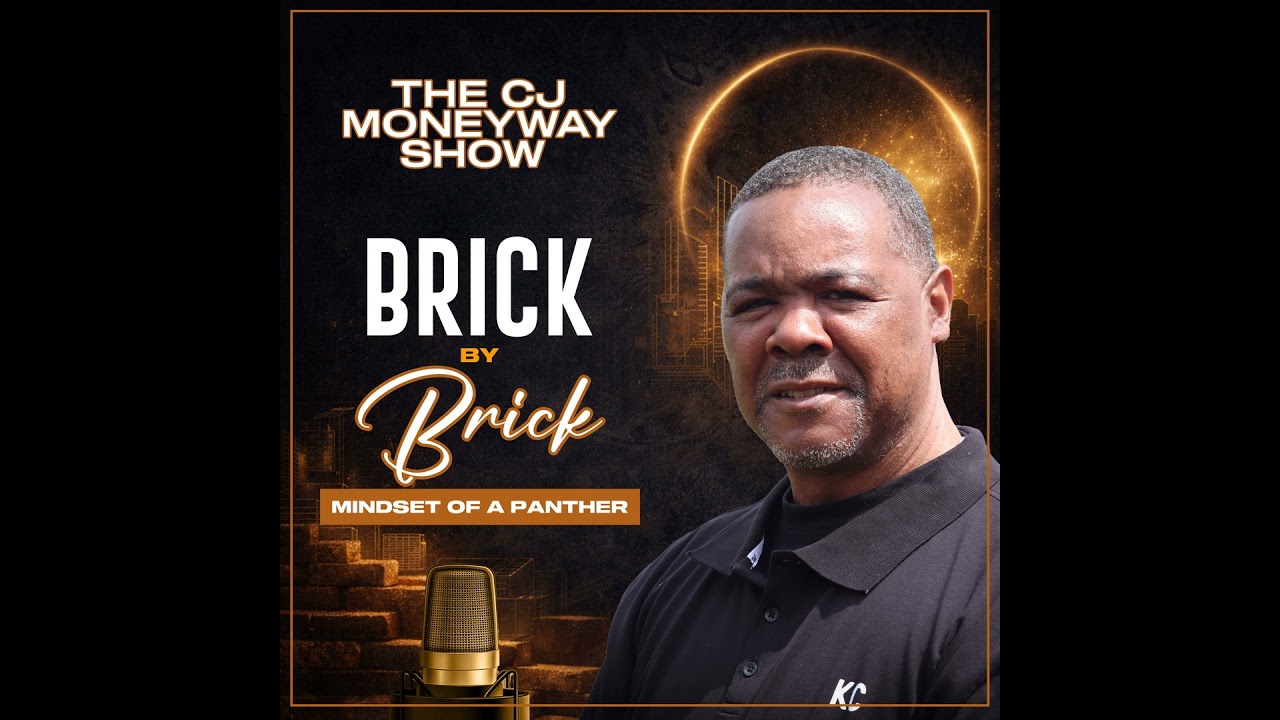
In this episode of the CJ Moneyway Show, host Corwin CJ Moneyway Johnson interviews former college football player and wealth‑infrastructure advisor Tyler Osborne. The conversation moves from why making money alone doesn’t create wealth to concrete strategies for building lasting, generational wealth. They discuss income creep, the difference between income and wealth‑producing infrastructure, and the importance of shifting from buying liabilities to acquiring income‑producing assets (IPAs) such as real estate, laundromats, vending machines, car washes, Airbnb rentals, and digital/AI‑based assets. Tyler explains the ESBI (Employee, Self‑employed, Business owner, Investor) cash‑flow quadrant and why moving to the right‑hand side (business ownership and investing) is essential. They dive deep into legal structures—trusts, irrevocable and foreign asset‑protection trusts, LLCs, and cash‑value life insurance—as tools to protect and grow wealth across generations. Tyler also shares his “5 Fs” framework (faith, family, fitness, finances, fun) and emphasizes holistic wholeness, habit formation (pay‑yourself‑first, percentage‑based saving), and the discipline learned from football. The episode ends with actionable advice: start paying yourself first, set up proper habits, and embed values alongside money for true generational legacy.
Chapters
What is that?
Oh yeah, it's a World Cup holder.
Like the soccer tournament World Cup?
Holder. For the world. Fits every car. Holds every cup.
It has a Carvana logo?
Carvana made it. They buy and sell cars, so they made a car cup holder. So, uh, got any good cups lately?
I used to, I just couldn't figure out where in the world to put 'em.
The World Cup Holder. Brought to you by Carvana. Proud sponsors of the World Cup Holder.
Sign up today to win yours at cup-holder2026.com. Not authorized or endorsed by FIFA.
Not a real product.
For parody and fair use purposes only.
Welcome to CJ Moneyway Media, a storytelling platform built brick by brick where conversations become lessons and experiences become perspective. This is the mindset of a panther, moving with patience, discipline, and purpose. From podcasts to books to media storytelling, CJ Moneyway brings voices, journeys, and real conversations to the forefront. You're now listening to the CJ Moneyway Show.
Hey, what's up, my good people? Welcome to the CJ Moneyway Show, conversations built on patience, purpose, and the mindset of a panther. I'm your host, CJ Moneyway Johnson. Today's conversation is about something a lot of people chase, but very few actually build the right way. Wealth at last. Not just income, not just success in the moment, but real infrastructure, real strategy, real legacy building. My guest today is a former football player turned wealth infrastructure and capital strategy advisor, helping entrepreneurs, high earners, and families protect and grow their wealth with intentional systems. He is also the host of the Money Master Podcast, where he breaks down complex financial concepts into real actionable framework. And from what— and what makes his perspective different is that he understands both sides of the game. Hey, welcome to the show, my man Tyler. What's up, T?
How you doing, man? I'm happy to be here, bro. It worked out.
Hey man, thanks a lot, man. Thanks a lot for taking the time from your busy schedule, man, and your podcast yourself. I know how that is, you know, we on a schedule, you know what I'm said on a tight schedule. So T, man, let me ask you this, man. Why making money doesn't mean that you're building wealth?
Oh, absolutely. Because there's something called income creep. Have you heard of that before? Nah.
School us, bro.
Yeah, so income creep is going to be like this, or I should say lifestyle creep is really what it is, meaning that as your income grows, you tend to just go ahead and add more expenses. You don't necessarily start saving more money. So there's a lot of people, let's say you're making $400,000, $500,000, $600,000, but you still feel broke. And that's just because you're making money, but you don't know how to keep it. So that's why I tell people, just because you're making money don't mean you're wealthy. You just know how to make money. As far as— which is cool, but majority of people, the main problem is keeping the bread in their pocket, keeping the money in their pocket.
Man, if I'm getting this right then, man, that means sometimes a lot of the hustlers got better game plan than people that work 9 to 5 all the time. Because although they may be doing it in a different way, But a lot of them flip it, turn it into businesses. Matter of fact, man, we just had somebody around here, you know, it just got raided just yesterday on some gambling infrastructure, stuff like that. But had all these nice restaurants, you know what I'm saying? Whatever, whatever. But then they was funneling money through their business. So a lot of crooked people know how to make money, you know what I'm saying? Hey man, you gotta school some of us from the hood, some of us from the streets, man, from the urban cities, man, on how to Make our money work for us, man. So let me ask you this, T. Mm-hmm. What's the difference between income and what you specialize in, infrastructure?
So income is going to be basically, that's just you making money, you know what I mean? And infrastructure is going to be more of you're creating income that's going to go ahead and produce more IPAs, which are income-producing assets. So what you want to do is take the money that you're making from your business, from your job, and utilize that to go ahead and buy more income-producing assets. So if I'm making money and all I'm doing is buying liabilities instead of assets, how am I really building wealth? So what we gotta do is switch our mindset from buying liabilities to start buying assets. And the more assets you own, the better. And why I say IPAs, income-producing assets, I want to be able to make passive income. If I'm getting into something which I have to actively be there all the time, That's not really freeing me up. I want to go— my most valuable asset is time at the end of the day. Let's just be real. That's the most valuable asset is our time. So if you don't have time to be able to spend on what you love and care and are passionate about, if you're not creating infrastructures that's going to get you free, then what are we really doing? We just wasting our time if that's the case. So we want to go ahead and purchase things that are going to have IPAs, income-producing assets. So what is an income-producing asset? That can be an Airbnb, that can be real estate, that can be a laundromat, that can be car wash, that can be vending machines, assets that you can own, which you don't always have to be there to still make money. Now, the cool part about that is there's ways you can do that digitally now with AI and things like that, which you can buy into assets that are going to go ahead and be digital, that can go ahead and produce your income as well. So there's just different ways to do it, but you want to go ahead and make sure that you're spending the least amount of— you want to be able to build something, and then have it just be able to boom, let it go ahead and play. And now you're not worried about you have to be there all the time to go ahead and make money.
Let me ask you this, man, because I had a guest before, my girl, and, you know, love her to death, man, older lady, whatever. And she said, CJ, at the end of the conversation, she said, CJ, I want you to make money in your sleep. And so she hooked me up with a couple of people, you know what I'm saying? Next day, she was a woman of her word, I give her that. And, you know, like what you're saying, I just want to run this by you to see what this is. And so they hit me up. So like you can buy into a company. You know what I'm saying? Or you can buy it to a company, let's say like for $20,000 or whatever. Or you can take 100% and run it yourself. Or, you know, saying you take 80%, they take 20%, and they'll just run everything for you. You know, saying like what you said, you ain't got to be there. So that's something like, you know, saying what you talking about, the infrastructure where you don't have to be around but investing in things, you know, saying that's gonna matter.
Absolutely. That's exactly what it is. You want to be able to have things that are generating money, which you don't have to be around to produce everything. Because real wealth is not money, it's really time, man. If you got time and money, you dangerous.
You know what I mean?
We win it, baby. Yeah, you dangerous, you know what I mean? Because you got both, you got both aspects of it. Have you ever heard of ESBI? Do you know what that is?
Hey Tyler, school us, bro. I don't know nothing about the infrastructure, the finance strategy, bro. I got you on here to school me, man. Okay, so ESBI, and I create the concept.
It started with Robert Kiyosaki. He's the author of Rich Dad Poor Dad. So that's the first one, Rich Dad Poor Dad. And that's kind of got me on my entrepreneur track anyways by reading that book. But, uh, Rich Dad Poor Dad's the first book. He came with a second book called Rich Dad Poor Dad 2: The Cashflow Quadrant. And what the Cashflow Quadrant talks about is ESBI. And ESBI stands for— E stands for employee, S stands for self-employed, B stands for business owner, I stands for investor. So E and S are on the left side of the quadrant. That's just gonna— you're basically exchanging your time for money. So if you're an employee, obviously exchange your time for money. If you're self-employed, you kind of just bought yourself a job, meaning that you have to be there in order for money to have a transaction. An example would be, let's say, if a person is a lawyer, you know, you're a lawyer that owns their own practice. But if you're a lawyer who owns their own practice and you're the only lawyer in the practice, that means you got to be there for all kinds of litigation. So you're still exchanging your time for money. Meaning you can't take a day off unless you have other lawyers on staff. That, that case, now you have a business. That's what the B stands for— business owner. Means that you have a system in which you're able to leverage the system and leverage other people to run your business without you being there, and you're still making money, like you said earlier, in your sleep. And then I stands for investor— your money is making money for you. So anytime you're trying to become wealthy, you have to look at the quadrant, like, okay, what's going to generate me the most cash flow and time? Is it going to be on the left side or the right side of the quadrant? And it's always gonna be on the right side. When I used to work for JP Morgan, I always used to notice people with the highest balances were business owners. They're just business owners. And that's been me thinking, me working at JP Morgan, like, I ain't never gonna get to where I wanna be working for y'all. I gotta figure out a way to work for myself. And it takes me back to even how our country was kind of formed and started prior to the Industrial Revolution. Everyone was basically business owners. You had, you know, locksmith, you had, you know, people, carpenters, whatever it may be. People were owning businesses. It wasn't until after the Industrial Revolution when school started becoming mandatory. 'Cause prior to that, like our grandparents and stuff, they had like 7th grade educations, you know what I'm saying? So stuff like that, because they go home and work the family business. But now people are now taught to be what? Be employees, because what do schools teach you? You gotta be there by 8 o'clock. Then they tell you when to take your break. They tell you when you take your lunch. They tell you when you leave. Same thing at a job. What do they tell you to do? They tell you when to show up. They tell you to take your break. They tell you when you can leave. It's the exact same structure to go ahead and create the exact same thing. So if anyone really wants to be wealthy, you have to break out of that mindset of the rat race, of being in the box. And a lot of times, especially what holds us back in our own community is our own dang people, unfortunately. Like, they be the biggest haters, bro.
Come on, man. Tell them, bro.
They be the biggest haters. Like, it's the crab bucket effect. It's kind of like whenever you put a bunch of crabs in a bucket and one is trying to get out, another one tries to go ahead and pull them on down. Because they don't want to do any better than them. If people really start living or realizing that we live in a world full of love and abundance, and there's enough for everybody, everybody can get in when it's just— do you have that hustler's mentality? You want to work for it? You want to grind? You want to get after it? What I've noticed is this. I remember this was 2000, and I want to say '15 or '16. I was at Safeway grocery store out in Santa Clara, California, and there's a line out the door. I'm in line out the door. I'm like, what kind of sale does Safeway got going on? There's a line out the door. And I'm— I talked to somebody that's towards the end of the line, like, what are you guys doing? You're like, oh, we're in here buying lottery tickets. So you're buying a lottery ticket? It's like, what's the lottery? I don't follow the lottery like that. Like, what's it at? It was like something, some billion at the time. I said, okay, bet. So I said, question: if someone wanted to teach you how to become a multimillionaire, or you just want to play the lotto, like, would you be open to learning how to do that? Or do you just want to hopefully win it? I just want to hopefully win it. So what that tells me, people don't really want to work for the wealth. They want it. But they're willing to go ahead and bust their butt and grind after it. Yeah, that's what I kind of figured out with a lot of people. A lot of people talk about it, a lot of people don't want to be about it, bro. Let's just— I'm just keeping it real.
Oh no, no, this is the Moneyway Show, baby. That's what we do, you know what I'm saying? We gonna keep it 100 because that's exactly how it is, you know what I'm saying? You got haters out there, low-key, they undercover haters. They've been hating your whole life. They've been hating, really, you know what I'm saying? But then when you start doing something You start expanding. My man started getting his infrastructure together, you know what I'm saying? Because he got his mind right when he was at JP Morgan. He said, look here, man, life gotta be better than this, you know what I'm saying? Whatever, whatever. So, uh, because I had a slogan, I had a thing like, when you start elevating your mind, you leave people behind, you know what I'm saying? Because now they looking at you like you think you better than somebody else. No, that's not the point. I just elevated my mind to move different. You know what I'm saying? Because I'm thinking different now because my wife, you know what I'm saying, no pun intended, she got the 9-to-5 mentality. Went off and started doing my stuff, you know what I'm saying, whatever, whatever, because I'm not thinking like— I don't want to work for the steel mill for the rest of my life. I talk to people at work, they be like, oh man, you know, I'm like, I don't plan on being here for another 15, 20 years to retire from here, bro. And so I end the conversation, that's your mindset, you know what I'm saying? I'm trying to think like Tyler, baby. I'm trying to get infrastructure, you know what I'm saying? Because, uh, We know what E-40 say. He say, get your paper, man. Hey, so, uh, so let me ask you this, T, man. How do wealthy families protect money for generations?
Oh, they use trusts and foundations. Trusts, foundations, LLCs, that mixture right there. You, they do a lot of that. So the whole point is this, you want to control everything, own nothing. Okay, that's what you want to do. Control everything, own nothing. Meaning that on paper, Like if you just see my name and my assets, like, you know, I don't own nothing, but my businesses, my LLCs, my trust, they're the ones that own stuff. And then the, the biggest ways to get write-offs and things like that are going to be through foundations as well. And they all kind of play together. So have the proper structure at that. So a lot of times when people are trying to get structured properly, you got to make sure for one, you need to have a trust. So get things out your name right away. You want to trust all the trust is going to do. It's its own tax ID. That can own businesses, it can own bank accounts, it can own assets, but it's not attached to you, meaning that you may own it, but no one's going to know on paper that you own it necessarily unless you start advertising it. So that's how that is. Now, from there, you start owning LLCs. So you can go ahead and have the LLC go ahead and act for you for business purposes-wise, because you have to have some type of entity that's going to act for business purposes. The reason I'm just saying LLC, because the LLC can get taxed different ways. You get taxed as an LLC, taxed as an S corp. You can tax that C corp. So there's just different ways you go ahead and get your LLC to be taxed based upon, you know, whatever your tax professional says. Now you have some room between you and your money. So it's no longer you, you're controlling everything. You're controlling your trust, you control the LLC. Now, if you want to take it even deeper to really, really get things away from you, you'd have an irrevocable trust. Now I'm saying irrevocable trust would be for people who are already extremely wealthy. Like I'm talking like you already got $10, $15, $30, $40 million already. And when you set it up, if you have these type of trust already, there's different ones. You have what's called a domestic asset protection trust. So what that means is, let's say if you have a domestic asset protection trust, you set up in a state like Nevada. Well, that means in Nevada, you have this set up. But let's just say if you live in Texas, you live in Indiana, or you live anywhere out there, in which someone tries to go ahead and let's say sue you, they can't do anything because all your money's tied up in that trust, and the trust is what owns and protects everything. So now people can't get access to your money. And on top of that, these type of trusts, if set up 5 years prior to marriage or before having a child, it does like child support can't have access to it and neither can divorce.
Hmm, I wish I would have thought about that.
Yeah, now if you want to take it a step— and you can still get access to the money and stuff like that, there's still ways to do that. So you indirectly can get access to the money as well. The trust donate money to your LLC, you know what I mean? So it's just that it can get deep. It could get even deeper. So that's if it's a domestic trust. Now you can have what's called a foreign asset protection trust, in which you open up in a whole different country. You can open up in a place like the Cook Islands, in which now the Cook Islands don't even respect U.S. laws whatsoever. So it doesn't matter at all, uh, what happens because your money is in the irrevocable trust based in a whole different country that does not have any type of ties or jurisdiction to the United States. It can get deep as far as that. Those are just ways that you can go ahead and protect your money. Now, a simple way that people can do it, which is life insurance, bro, you can— cash value life insurance. A person actually— it can't— when a person puts money into a cash value life insurance, it's protected from the courts, the IRS, taxes, litigations, lawsuits, malpractice, divorce in most states, child support as well. But it's in a cash value life insurance, so that doesn't mean you just pull it out right away. The money in there has to grow over time and stuff like that. So that's just another way as well for people who maybe they don't have the assets yet to open up some of those other things I talked about yet.
Hey man, before we go any further, you know, I can't even elaborate on that, you know what I'm saying? Because you are dropping these nuggets, man. You dropping these dimes, you know what I'm saying? Like Curry out there, you know what I'm saying? You pulling up from half court, bro. Hey, so, hey, hand down, man down. I'm the man down right now. I am listening, my brother. Hey, so let me ask you this, man. Before we go any further, I take it that you dropping these nuggets on your podcast, right?
Oh, for sure. Yeah, absolutely.
With that being said, we got to know, where can we find you at? Where can we find your podcast? I can't even go to another question before we get that out right now.
Money Master Podcast. I'm on— I'm everywhere, man. I'm on Apple, I'm on Spotify, I'm on, uh, Amazon Music, but moneymasternation.com is my website where you get access to the podcast. And I'm on there, like you mentioned earlier, I'm interviewing entrepreneurs, business owners, elite performers, professional athletes. You know, we're talking money, we're talking their— how they got to where they're at. But yeah, I be dropping these nuggets though, for sure.
Oh yeah. Oh, I believe it, bro. Matter of fact, I'm sitting right here right now. I'm trying to follow you on Apple right now, bro. Believe me, it's locked in. Hey, so Because before I forget, man, I got this guy because you was talking about time, you know, your time is the most important thing, you know what I'm saying, that you have. I got a guest for you, man. His name George Rivera, man. Real nice guy, wrote a book called Buying Back Your Time.
Okay.
And so, you know what I'm saying, you're on the same thing, man. You're on the same level. He introduced me to a few people, man. I think he'd be a great guest on your show, bro.
Okay, perfect.
Yeah, yeah, yeah. I'm gonna drop that to you, man, and just Hit him up or whatever and tell him CJ sent you.
Okay, perfect.
Yeah, because we still keep in contact. Matter of fact, man, his son got 11-year-old son do a podcast. He asked me to be on it, you know what I'm saying? I went on there after that. Yeah, yeah, yeah, yeah. I was inspired, you know what I'm saying? Matter of fact, I'm starting something called the Moneyway Journals, you know what I'm saying? Using podcast episodes like what we're doing, podcast episode, and turning them into a journal with blogs, man. I hope you'd be willing to join a collaboration with your boy CJ Moneyway dropping these nuggets, man. I appreciate that.
It's funny that you're doing it that way. I'm actually doing it similar, but I'm creating it into a book called The Lessons from the Money Master Podcast. Right. So then people I interview, so to make sure that we have these conversations that last longer, because these are great conversations and they shouldn't just end after, you know what I'm saying, we record it, people listen to it, you know what I'm saying, for 2 or 3 weeks or so, and then obviously we go on to the next episode. So people are always looking for the next one, the next one, next one. Well, how about we turn this into a book? Into which people can go ahead and continuously learning from it years on and really create a legacy that our children and our children's children could learn from.
So, so this is what we gonna have to do, man. You know, for some reason we got blacked out the other day. So, you know, power knocked out the other day or whatnot. So we had to exchange through phone conversation. I had— I called you. So we locked in right now because, bruh, hey, books. I'm writing one right now called Planting Seeds with CJ. You know what I'm saying? Planning on releasing it June, Juneteenth.
There we go.
Okay.
Yeah, yeah, yeah. Everything got to be money, you know what I'm saying? Then I want to drop the audio book on July 4th, you know why? They both— I hit storage, one of them for this purpose, the other one for that purpose. But we here, baby, you know what I'm saying? We here, we here. But I got this other project called the Five Rs.
Okay.
I got five brothers gonna represent each R, you know what I'm saying, or whatever— responsibility, roots, things of that nature. So just what you were talking about, do a podcast episode, right? Do a podcast episode with each brother on the R that they represent. Then I'm going to do a joint one because every brother can represent each R. Yes. Turn that into a book. That's why we on that level, man. That's why we gonna have to talk because I want to see how you doing it and how you going about it. And with my man that does infrastructure and strategy, oh yeah, I want to holla at you, bro. You know what I'm saying? You know I got the Bay in my heart, man. Straight up, man. One love, bro.
Absolutely.
This episode is brought to you by CJ Moneyway Media, where podcast ideas become platforms. Through the Moneyway Lab Masterclass, CJ shares real lessons from the lab for creators building their voices brick by brick, from powerful guest conversations Storytelling that inspires growth. CJ Moneyway Media is about one thing: building legacy through stories. Learn more at CJMoneyway.com. Music style, music store.
Hey, so let me ask you this, man. Let me ask you this. Your journey, man. How did your background in football— wait, and you gotta tell me what position you played, you know what I'm saying? Uh, in football shape your approach to wealth and discipline?
Yeah, so I played safety in college. My freshman year in college I played free, and then my second year I played strong, and then my junior year I played free, and then my senior year I played strong. I prefer strong just because I'll be in the mix a little bit more. Strong safety's almost like the line— not the line, but the, uh, the running back of the of the defense, you know what I'm saying? You get to cover people, you get to, you get to be in the run game, you involved a lot of action. So I kind of liked that quite a bit. But the way it helped me with discipline is for one, when you're playing any type of team sport, understanding that you're trying to reach a goal as a team. So that helped me quite a bit being in a team environment, work with other people, understanding leadership, understanding how to set a schedule, how to be there on time, how to understand authority, how to go ahead and lead people as well. So that made a lot of sense for me when I was coming into business. Just because I just took the same mindset I had in sports, you just apply it to business. Now, when it came to with money, my main thing was understanding that this person has a goal, I'm gonna help— my job is help them reach it. And when I find out, when I was playing football, every single one of us as a teammate had our own individual goals, but then that individual goal was to help meet the ultimate team goal, which is to what? Win the game. So I just take that same mindset I had in sports to go and help me when it comes to helping me with their money and running a business.
Now Tyler, I'm gonna say this, bro. I see that you like to hit 'cause you say you play strong safety, you know what I'm saying? You try to be Ronnie Lott, Steve Aguada out there. I get it. Play sports. My brother, as I got older, my brother said, man, you would've been a shutdown corner 'cause I had speed and I could catch 'cause I was actually a receiver, you know what I'm saying? Or whatever. When I played Pop Warner, I played linebacker. I like to hit too, you know what I'm saying? I bring that thunder, you know. But I was ignorant, uh, T. I was ignorant. I ain't get a chance to go off nowhere and play nowhere, you know what I'm saying? Hey, because like my other boy from the Bay, you know what I'm saying, which is my number one rapper of all time, I don't care what nobody say, my bro say, because I was a fool all through high school kicking up dust, now they labeled me a troublemaker. Let y'all think about that one for a minute, you know what I'm saying? Hey, so T, man, let me ask you, man, wealth mindset. What's the biggest mistake people make when trying to build wealth?
They think it's only about money. That's the problem. I truly believe so. For me and kind of what I do as well when I'm coaching somebody is we talk about what's called the 5 Fs, which stands for faith, family, fitness, finances, and fun. And the reason I talk about all 5 of those pillars that I believe are part of a person's life is because one of my favorite scriptures in the word is Proverbs 10:22. Basically, and what Proverbs 10:22 is, the blessing of the Lord makes one rich and he adds no sorrow with it. And that word rich means not just money, it means wholeness, okay? Which means every aspect of your life. So how can you be rich but your health is poor, right? How can you be wealthy but your relationships suck? You know what I'm saying? How can you be wealthy with money, but you don't know how to have fun, right? So we want wholeness in all aspects of a person's life so that the mindset of a wealthy person shouldn't just be only money. It should be getting whole in all aspects, in your faith, with your family, with your fitness, your finances, and your fun. So what I have to do is sometimes reverse engineer and find out what their mindset is when it comes to money and what limiting beliefs that they have with it and where they come from. Most limiting beliefs come to us when we were a child hearing things, maybe our parents are arguing over money or they'd hear something and they grasp onto it. Well, money doesn't grow on trees. It's hard to make money. Where'd you get that from? Because once you're in the vibration of money, it keeps flowing to you just like water does. Water does. It's going to flow wherever it needs to go. And money can do the exact same thing for people if they have the right mindset around it. So what I want to help a person do is get better in all those aspects of their life. If I can help a person get 1% better every single day, in 100 days, we're 100% better.. And I truly believe a person get better in all those aspects of their life every day. So for me, I'm doing all those things every single day. Like I worked on my faith already earlier today. I was in the gym early this morning, right? When I'm— this is me working, you know what I'm saying? And this is fun, you know what I'm saying? This is fun and I'm working right now and I had appointments earlier as well. And then on top of that, and then I can go, I go get my fun in as well. What is fun for me? Fun for me could be playing a video game or something like that, or hanging out with my kids. And now I'm doing family time and having fun at the same time. So we can really get all those in all in one day. What I find out is this, is that most people are part of the biggest nation in the world. You know what the biggest nation in the world is, bro?
Tell us, man. I'm listening.
It's procrastination. Mm-hmm. All right. Right. Most people just procrastinate. They always think, oh, well, I can do it tomorrow. I can wait. I can wait. And they wait so long that nothing ever happens and they get analysis paralysis. They don't move, they don't do anything. And what I want to help a person do is just get better. Let's just focus on getting better in these aspects now. And I truly believe if you start focusing on getting better in all these aspects, the money portion is just going to go up because everything is in alignment. And when things are out of alignment and things are not where they're supposed to be, then, you know, you don't get what you want as a result of that. So what I want to do is help a person focus on getting better in all those aspects. Now, that doesn't mean they have to have the same faith as me or anything. I'm not even trying to push it on people. I'm just saying, but we still got to grow in areas, and the money part will grow with it automatically.
Well, I'mma push it on them, bro. You can be— I'mma push, bro. We here, man. You know, we here, bro. You got to find the F pillars. I got the R pillars: responsibility, roots, relationship. You know what I'm saying? We here, bro. I'm telling you, man, we need to talk. Hey, so, but now Here's my thing. If you don't have the faith level, period, everything else you build will fall down.
This is true.
Faith level is the foundation, by far. If you got cracks in your foundation and you just running around like you got all kind of stuff going on in your life, you know what I'm saying? But how do you know that, CJ? Because that's how I lived, you know what I'm saying? All kind of cracks and thinking that, you know, saying everything all good, this is that. Hey guys, a pot to, you know what it is, and a window to throw it out, bro. For real. And I just told my son this the other day, my boy in Detroit. He finna be 20 this year, going through whatever, whatever. And the main thing I told him though, this is what you just said, first thing in life, you said this for football, you have to learn discipline. You have to learn how to be disciplined, bro. Self-discipline is the most important thing that a man can do, because without it, as you said with the scripture, you will get tossed to and fro. You like that man that built his house on the sand.
Yep.
And the one that built his house on the rock, right? They say that the same winds came, uh, the winds came and it blew the one on the sand down. Those same winds came And hit the one that was built on the rock, nothing happened. Now sometimes we may get hit and have to rearrange some things, which is priorities, you know what I'm saying? But it didn't— the infrastructure didn't go all the way down. We ain't got to rebuild from scratch. And so sometimes that's how our life be. Yes, because we building on the sand, things, turmoil come about, you know what I'm saying? Yeah, I like the parable of the sower. That's so— got something on that, we gotta talk, bro. But anyway, man, I can go on, you know what I'm saying? This talk right here. So let me ask you this, man. What actually is wealth infrastructure and why does it matter?
So what wealth infrastructure is going to be is you're basically in control and telling your money where it should go. What I find out is most people live in a way in which they just pay or do anything based upon however it comes in without any clear plan or strategy of what to do. And what I mean by that is you got to take control of your money. The name of my podcast is the Money Master Podcast. I want you to master your money or money is going to master you. And what I mean by money mastering you is what most people do is they earn, spend, then save, meaning that they're going to earn their money. When they get it, they spend it, and then whatever is left over, they'll go ahead and try to save based upon that. And unfortunately, that's just not a good strategy because Let's just say after you spent whatever you spent, you got $10 left. Well, if you just keep saving $10 at the end of every month for a year, you only got $120 that you saved or whatever, whatever it may be. It's just not a smart strategy. So what I like to teach people how to do is make sure we put in place habits, structure to make sure, hey, when your money comes in, you know what to do with this percentage, this percentage, and that percentage. And if, since it's based upon percentages and not necessarily a dollar amount, As you increase in income, everything else just kind of increases with it. So what I want to do for a person is help them build the habit of saving money, because all it is is just habits. We're creatures of habit, totally. So if you don't know that you have a habit, you're probably doing a bad one. That's just what that is. So what we got to do is help people build the proper habits to put their money in the right places to ultimately build their wealth. And their net worth is really what it is about.
Mm, man, it's funny you said that. I was just talking to my coworker at work today, right? And you say you got to have a habit of putting your money in good places so that it can grow. That's that seed, that's that good seed, you know what I'm saying? Because you gave some 30, some 60, some 100, you know what I'm saying? Same seeds, but some of them, Mark 4, you know what I'm saying? Some of them, you know, same seed, some grew, some went to the wayside, you know what I'm saying? Some things get good, oh yeah, I love the Lord, this and that, persecution, oh God didn't do that, okay, you ain't standing 10 toes down. But anyway, You said something, you know what I'm saying, earlier, man, about discipline, right? Discipline builds legacies. Yes, discipline builds legacy, bro. And with that said, let me ask you this, man. What does true generational wealth look like, man? What does true generational wealth actually look like?
I believe true generational wealth— obviously you're gonna pass on money, which is cool, and The ways that we talk about how you do that is going to be through trust and life insurance, all type of stuff. That's cool. But I truly believe you shouldn't only be passing on money. You should be passing on values and morals that your family stands by. Like, that's where the wealth is. Obviously, we're going to pass on money. It says in Proverbs 13:22, a good man leaves inheritance for his children's children.
I was going to ask you what scripture was that, because see, you could quote them like, you know, Mark 4 and 10, you know what I'm saying? Like, I can quote scripture, but I can't say, well, you know what I'm saying? Lean not to thy own understanding, but let the Lord direct thy path.
You know what I'm saying? That's Proverbs 3:5-6. That's Proverbs 3:5-6. I just be in that book, man. You know what I'm saying? I be in the book, bro. Like, I be in it heavy, man. Like, I be in that book. And that's actually my favorite scripture in the entire Bible is Proverbs 3:5-6. Trust the Lord with all your heart, lean not on your own understanding. In all your ways acknowledge him, he shall direct your path straight. Like, that's my favorite scripture.
Hey, I love it, dog. I reflect on it all the time. Because it puts things in perspective. Yes, because you get out, you get out of line, you know what I'm saying? I know y'all thought y'all came over here just to get some financial strategy. I know, I know, but y'all get some life lessons today. You get out of line, you start wanting to do things your way, but you know that the Lord had been directing your path all the way up to this point. Now, you know, you, you got some more ideas, you want to do something, then you get out of bounds. It say, lean not into thy own understanding, because what you thinking ain't what he got planned for you. That's why ain't nothing going nowhere. Yeah, it ain't going nowhere. You ain't doing nothing. What they say, you just— it's like running on a treadmill. Yeah, you running fast, but you— my man just say he went and worked out this morning. You may be running on there, but he ain't going nowhere, man. He ain't going nowhere. And that's how a lot of us is, we running on treadmills, man. Stop. We gotta out running on these trail wheels and learn what my man out here teaching with this infrastructure, man. Let me ask you this, man. This is my last question for you, T, man. I enjoyed you, bro. I really have. What's one move someone can make today to start building real wealth?
It's going to be such a cliché answer, but it's so true. But I guess it just depends on where you're at. So if you're saying to just start building wealth today, meaning that means they haven't started doing anything yet. The first thing is just that people just got to get in the habit of paying themselves first. Like, it sounds so simple, but so many people don't do it. Like, the moment they get their paycheck, it goes to everybody else. So when I get paid, the first thing I'm gonna do for me— this is just me— I'm gonna pay my tithes. I just believe in giving back. I believe giver is gain. That's me. And the second thing I'm gonna do is pay myself. That's the next thing I'm gonna do. Then from there, I'll go ahead and take care of everything else and do everything else that I need. But people really need to start honing in on paying themselves first. Go ahead and put your money back into your investments or put your money back towards whatever you're trying to get to, your goals, whatever it is. But you got to start paying yourself first. If you're not paying yourself first and you're treating yourself last, you're going to be left with the crumbs. And why should you get crumbs of something that you— of the pie or the cake that you baked? Make that make sense. If I'm baking a cake, if I'm baking a pie, what am I going to go ahead and do? Get the first slice, right?
That's the intention.
That's the intention. I mean, you know, one of my favorite desserts is peach cobbler. I mean, I love me some peach cobbler. I don't know how to make it at all, right? But I love me some peach cobbler with some French vanilla ice cream. You know what I'm saying? That's just me. Hot peach cobbler, French vanilla ice cream, perfect contrast of hot and cold. But if I'm getting peach cobbler, let's say I figured out how to make it one day and I just got it coming right out the oven. And I'm getting ready to go ahead and serve it, why would I not get some first? Yeah, let me go ahead and taste and see, you know, let me go and taste and see that the Lord is good and he's good to me.
Let me go ahead and taste and see.
So people need to go ahead and really start just paying themselves first and be in that habit. They got to be in the habit of it, and they can really start seeing things change.
Mm, I like it, man. Be in the habit of it, and then things change. You got to start here though, man. The renewing of thy mind. The renewing of your mind, man. My man out here giving church. Hey, so T, man.
12 and 2, bro.
Hey, hey, make sure y'all follow my man T on his podcast. What is it again? The Money Master's Podcast. I've been trying to find it, but I'm gonna find it when I get off this phone.
If I need to, I'll text it to you.
I got it. Hold on, you gotta tell me. I got it. Money Master's Podcast, baby. You know what I'm saying? I'm on it. I've been trying to find it while we've been on the call, but I didn't want to seem like I was, you know, ignoring what you were saying or whatever, trying to do that, you know, being distracted. So I'm like, I'm on it, bro. I'm on it. You know what I'm saying? So, man, like I said, I really appreciate you coming on, man. Dropping these nuggets on us. Hey, make sure y'all follow my man T, Money Masters Podcast, man. The man out here dropping some real jewels on y'all, man. If this conversation inspired you, then make sure you tune in to the Moneyway Show for more guests, not probably dropping nuggets like T, but bringing things in perspective. Hey, share with someone who's serious about building something. That lasts. Until the next time, legacy over likes, build brick by brick. Hey, this your boy CJ Moneyway with my man Tyler Osborne from the Bay Area. Until the next time, we out of here. Peace. You've been listening to the CJ Moneyway Show, with real stories, real lessons, yeah, and real perspective come together. Remember, move with patience, move with purpose. That is the mind Mindset of a Panther.
Until next time, keep building your legacy brick by brick by brick by brick. Music style.
If you like the show, please take a moment to rate, review, and subscribe.
It really does help the show to grow.
Thank you for listening.
More from Corwin


Pressure-Proof Leadership: Claire Hayek on Neuroscience, Resilience & Leading Under Pressure

Healing With Fire: Zulma Williams on Trauma, Cancer, Depression & Finding Your Voice

The Economy of the Heart: How Love and Leadership Build Profitable Cultures | Hanna Bauer

The Doorman Nobody Valued: Wes on Storytelling, Corporate Blind Spots, and Building Brotherhood o...

Art for Your Sanity: How Creativity Helps You Survive Chaos — with Susan Hensley

Becoming Better: Ryan Gottfredson on Why Success Requires More Than Doing More

Mission Control OS™ Demo | Governance-First AI Executive Operating System | OpenAI Build Week

From Frustration to Confidence: The Dyslexia Professor’s Blueprint for Struggling Readers

Built in the Pit: Chris Duffin on Resilience, Accountability, and the Discipline to Rise

Cyber Thrillers, AI & the Future of Technology with Charles V. Breakfield & Rox Burkey