Myths and Estate Planning Process
Craig Hirsch, senior partner at the Shepherd Law Firm, presents a client-facing primer (YouTube video) explaining common estate-planning myths (boilerplate plans, online forms, joint titling sufficiency, tax-exemption irrelevance) and outlining the firm’s multi-step planning process: client organizer, goals & responsibilities conversation, plan design, document drafting, advisor coordination, asset alignment (do-it-yourself / done-with-you / done-for-you) and client care programs (Essential and Elite). He emphasizes state-specific updates for new Florida residents, income-tax as well as estate-tax consequences, fixed fees by planning level, inclusion of advisors via videoconference, and the value of an ongoing attorney–client relationship. He cites firm credentials (Florida Bar board-certified specialists) and offers related free resources (books on selecting a trustee and asset alignment).
Questions this video answers
July 27, 2021.
Craig Hirsch, senior partner at the Shepherd Law Firm.
320 other board-certified specialists.
Chapters
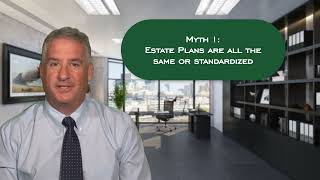
Hi, I'm Craig Hirsch, the senior partner of the Shepherd Law Firm. Now, you're probably watching this video because either you've made an estate planning appointment with us already or you're thinking about making an estate planning visit with us. Now, here's the thing. A lot of clients don't know what to expect when they come into our office. In this video, I'm going to give you a little primer on what to expect when you visit with me or one of our other estate planning attorneys. Now, there's actually a lot of commonality amongst our clients as to what they're looking for in their estate plan. They typically want to keep control of their assets. They want to protect their loved ones if they have a spouse, for example, or they're leaving an inheritance to children or grandchildren. They want to make sure that they minimize taxes. They want to make sure that we avoid unnecessary court costs like guardianship or probate. And they want to make sure that the plan keeps up with the changing dynamics of the law and their family situation as well. Now, you may have some unique circumstances to your family, and I'm going to describe a process that we go through in just a minute to make sure that we hit all of those goals that we talk about. Everything that's most important to you when you're considering your estate plan. Now, I'll tell you that in most circumstances, going to restate your estate plan in its entirety. That's not true for everybody, but it's true for many. Now why is that? That's because, especially if you've moved from a different state to Florida, each state has very, very different laws. Furthermore, some states up north have income taxes and other taxes that we want to now avoid. Now that we're Florida residents, we want to make sure that we escape our former jurisdictions and taxing authority. Now, another reason for an update is, quite frankly, we find that our clients estate plans are lacking in certain areas when we go through our goals and responsibility conversation with them that I will describe in just a moment. Now, this speaks to some common myths that people have about estate planning. Let me go through some of those with you right now. Now, one of those myths is estate plans are all boilerplate. And honestly, I don't fault you for thinking that because so many of the plans that we see that are drafted by other attorneys are boilerplate. They look like boilerplate. A good estate plan is not boilerplate. It is specific to what you want to accomplish. It's specific to the types of assets that you have. And I'm going to talk about how important it is that you fill out your client organizer completely when we go through our seven step process process. Another myth is that with the high federal estate tax exemptions, that estate planning is now meaningless. Now again, I don't fault many of our clients for thinking that because their prior attorneys drafted trusts that were almost entirely estate tax driven. Now, one of the phrases I use with my clients is I don't want to let the tax tail wag the dog. First of all, we want to make sure that your goals are properly addressed and then we fit the tax planning into those goals, not the other way around. Now, even if your estate is lower than the current federal estate tax exemption, there are still plenty of reasons to conduct and to update your estate plan. Again, if your plan is more than just a few years old. If it's from another state, your estate plan may not address some of the goals that you want to accomplish. Even if the federal estate tax doesn't affect you. You know what probably does affect you and it affects many of our clients, is income taxes. Did you know that if you draft an estate plan and minimize estate taxes, it might actually not help with income tax planning? It actually might do the opposite. It might create higher income taxes like capital gains taxes and taxes on our IRAs and 401ks than otherwise might have occurred without proper planning. We have Florida Bar board certified specialists on our team, including me, one of my law partners, Michael Hill. And there's only at the time that we record this video, 320 other Florida board certified wills, trust and estate specialists in the entire state of Florida. Many attorneys say they do estate planning. Very few are board certified by the Florida Bar. Another myth happens when our banker or financial advisor says, oh, you don't need an estate plan. All you really need to do is put everything in joint account or put it on a pay or transfer on death account. Now that might work if all you have to, your Name is a $50,000 savings account. But with anyone with any degree of net worth, that is an entirely inadequate estate plan. We call that estate planning for the poor man. Now I don't have time to go through all of the pitfalls of putting accounts in joint name or pay on death or transfer on death. In fact, we have another video on our website that reviews that. But suffice it to say that if you're relying on that, chances are there's going to be some big problems in your estate that's going to cost many tens of thousands of dollars to fix. Some clients Believe that online document preparation is just fine and that that will serve their needs. I will tell you that estate planning involves so many statutes, it involves so many tax ramifications, it has so many pitfalls for the unwary, that you're really navigating a minefield when you try to do your own plan online. Most of our clients value a relationship with their estate planning firm. We get to know you and your family so that when your estate plan is needed the most, either in the event of your incapacity or your passing, we are trusted friends, we're trusted advisors. We're like family to your family. Something that online document preparation doesn't achieve is creating a trusted personal relationship. We don't view estate planning as a one time transaction. What we do is establish a relationship with our clients and their families so that we are their trusted advisors when we are needed the most. Finally, another myth is that your northern attorney told you that your plan is just fine. You really don't need anything much more than an update to Florida law by saying that the state of Florida law shall apply to your estate plan rather than the state of New Jersey or Pennsylvania, Ohio or wherever else you came from. Now, this couldn't be farther from the truth. Now, we understand that you might have a long term relationship with your prior advisor, with your attorney from up north, and that we're just the new guy that you don't know yet. To that end, you'll find in our process that we're open to having any advisor that you want participate in your initial client conference with us. Now, it's easy to do with video conferencing these days so that you won't get conflicting advice from your attorney or even your accountant or financial advisor. We can put everybody on the conference if you want it, so that they can hear what we're advising for you to update your Florida estate plan. So now that we're through busting myths, let's go to the estate planning process. What you can expect during your meetings with us. Now, the first step is what we call the organizer. We will send you a client organizer if we haven't done so already, that we ask you to fill out completely. The client organizer asks us questions like have you ever filed gift tax returns before? Are you suffering from any kind of mental disability? That's going to be very important for us to know. Do you have any charitable intent? We'll also ask you about your family. We want to know about your beneficiaries, who are your loved ones and even parties. Let's say there's somebody that you want to disinherit. We want to know about them as well because we oftentimes want to specifically disinherit somebody. Otherwise they may have a legal interest in your estate. So it's important to fill out your family information fully. Now the other thing that our organizer asks for is your financial information. Now, sometimes we get pushback from clients on this, but let me tell you why we need that. It's kind of like going to the doctor and you're saying, doctor, it hurts. And the doctor says, well, tell me where it hurts. And you say, guess. Now the reason that I'm saying this is because if you have, for example, most of your net worth in an IRA account, as opposed to somebody else who has most of their net worth in commercial real estate, we're going to give you very, very different advice on your estate plan because of the types of assets that you own. If you're in a second marriage, in a blended family, his kids, her kids, that's going to have different advice than somebody else who's been in a long term marriage. And all the children are of that marriage. Everybody's unique, everybody's different. And by the way, that's one reason why you should never take estate planning advice from your golfing buddies or your neighbors. Because even if they have the same amount of wealth that you have, you don't know what kind of wealth it is. Is it in stocks and bonds or is it in real estate? Is it in IRA accounts? Is it in a trust that they inherited? All of those factors will result in different estate plans. So the organizer step is very, very important and we ask that you complete it fully. In fact, we probably won't meet with you until we receive your organizer in full. We want that before our first meeting along with copies of your existing estate planning documents, because we like to review those so that during our initial client conference, we're well armed and we're ready to give you great advice. Now, the second step is what we call the goals and responsibilities conversation. This is where we're going to ask you what you're trying to achieve. And a lot of clients say, well, I want to minimize taxes, or I want to give everything to my spouse, then to my children. Children. But we're going to ask you some very detailed questions that go beyond that. We want to know, for example, what you hope your legacy is. We want to help you define how you want your family to use the inheritance that you've worked so hard to create for them. We Want to know, for example, who you want to serve in the important capacities as your trustee or your power of attorney or your personal representative. That's your executor. We call the executor in Florida your personal representative. And we're going to go through a variety of factors to make sure that you're selecting the right person. Now I've even written a book on this subject called Selecting youg Trustee and you can find that on our website as well. So the goals and responsibilities conversation will be part of our initial client conference. The next step in our estate planning process is the design phase. Here's where we take your goals and concerns and create a design of an estate plan that will achieve everything that you're setting out to achieve. Now we'll determine whether it's going to be a will based plan or a trust based plan and what level of planning you're going to ask for and want. Now our fees are fixed and they're based upon the level of planning that you choose. So you'll be able to select the plan that's right for you that fits your budget. The next step is the document builder. And here's where we actually create the documents that will achieve your goals. Now, sometimes the documents are a little tough to read because we have to say things a certain way to get the benefits of the trust law or the tax law as the case may be. But what we do is we provide you easy to read summaries and flowcharts that summarizes everything for you so you'll get a handle on what your plan is doing. Now with that said, we're going to go through your documents very thoroughly with you and we're not going to let you sign the documents until we're convinced that the documents satisfy your intent and that you're comfortable with them. Now the next step of the process we call the Advisor Coordinator. But this can be implemented at any stage. For example, if you have a trusted attorney or a trusted friend that you really rely on and you want their opinions, have them in at our first meeting. We can video conference them in. If they're not local, it can be your old attorney from up north, your friendly attorney, it could be your cpa, might be your financial advisor, might be a trusted brother or uncle, whoever you want. Because we're transparent, we are happy to include anyone that you want to include in the process so they can be a second set of ears to listen to what we're saying and help you make the decisions that you need to make in order to have a successful estate plan. Now, the final two stages are not common in most law firms. They don't do these last two stages. That's asset alignment and client care. Let me address asset alignment first. If you have a trust, for example, it might not avoid probate if all of your assets aren't properly aligned with your plan. Now, what do I mean by that? Well, for example, if your checking account, your savings account, your investment accounts are not titled in the name of your trust properly, you'll probably have a probate on those assets. Now, for those of you who have a home here in Florida and another home in some other state, it's very, very important that your assets are properly titled into your trust because if you don't, you're going to have an ancillary probate administration in that other state. Now, that's expensive and time consuming. You want to avoid those things. Asset alignment and your estate plan is so important that I've written a book on that very subject that you can get for free on this website or we'll be happy to give it to you during our meetings. Now, with asset Alignment, we have three levels of that service for you. There's do it yourself, there's done with you and done for you. We don't suggest that you do it yourself because that's what most of our clients are forced to do before they've seen us. And in most cases, they actually haven't transferred all their assets properly or aligned their assets properly with their estate plan. Now, the other two services done with you and done for you are a little different. Now, done with you means that we give you instruction letters and we even have letters that will give you that you can give your bankers and financial planners that will describe how to transfer the accounts and you'll fill out the paperwork to transfer the accounts properly into your trust. Typically, we do the deeds. However, any deeds in Florida will do. So that's done with you. And once you've done the done with you phase, we verify whether everything was completed properly. Now, the done for you is the highest level of the asset alignment planning, where we actually fill out much of the paperwork for you, the paperwork with your investment accounts and all the deeds, of course, other than deeds outside the state of Florida, in which case we need an attorney in that state since we're not licensed in other states. So there's do it yourself done with you done for you. And we'll describe that more fully when you're sitting in our conference room with us or in video conference finally, we have a client care program now. What's that? What I used to tell clients is, after they finish their estate plan, hey, come see me every couple years to make sure that everything remains up to date. Most clients don't want to do that. They have too many busy things going on in their lives. They want to enjoy their lives. They don't want to be spending a whole lot of time with their estate planning attorney. But boy, it's really important that you don't stick that plan in a drawer and just leave it there. So we created a cost effective way for us to keep in touch with you through our client care program. There's two levels of client care, the essential program and the elite program. The essential program is really conducted through the mail mostly and through electronic and other communication. And it makes sure that your estate plan keeps up to date with the changing family dynamics of you and your family, as well as the tax and estate laws. The elite program is more of an audit of your estate plan. In other words, we suggest every few years, maybe every four or five years, you jump up to the elite level of our client care program where we actually have a sit down conversation with you. You have a sit down conversation with our asset alignment specialist to make sure that everything's still in alignment with your estate plan. Because those are the things that oftentimes get out of alignment. You may have opened up a new account, your financial planner may have changed firms. There may be any number of things that have happened where your asset alignment has fallen out of whack with your estate plan, and client care takes care of that. Now we give you a year of client care for free after you've signed your new estate plan with us, so you can experience it for yourself and see how valuable it truly is. So I hope you're encouraged when you've heard about our process. That's really easy to understand. It's actually not difficult to go through. Most of our clients say, boy, that wasn't as painful as I thought it was going to be. So that makes me happy whenever a client says that. Of course, if you have any questions about this, do bring it up when you're with us during our meetings and we do look forward to visiting with you soon.