The Role of K9s in Law Enforcement, Protecting Your Jurisdiction, and more with Lt. Paquette
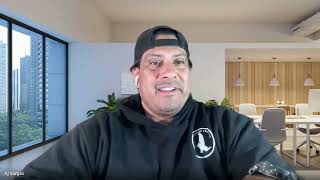
In this episode of The Source Podcast, host AJ Vargas interviews Lieutenant Patrick Paquette of the Greene County Sheriff’s Office. The conversation covers the strategic importance of K‑9 units in criminal interdiction along the I‑20 corridor, the supportive role of Georgia’s governor and first lady toward law‑enforcement canines, and the collaborative relationship between the sheriff’s office, training programs, and external handlers. Paquette shares operational insights—traffic stops, road checks, and drug‑hide training—highlighting how diligent K‑9 work deters crime and saves lives. The dialogue shifts to professional challenges: navigating motions to suppress, staying within case law, and handling difficult supervisors. Central to overcoming these hurdles is Paquette’s emphasis on honesty, ownership of mistakes, and rigorous training standards. Both speakers stress community trust, the impact of compassionate policing, and the need for clear documentation and articulation of procedures to withstand legal scrutiny. The episode serves as a mentorship guide for K‑9 handlers, trainers, and law‑enforcement practitioners, offering practical advice, personal anecdotes, and a call for continuous improvement.
Chapters
I don't know if you're ready for primetime or not, man. I just wanted to make sure you were ready for this.
I left my sunglasses at home today. I had them. Deion Sanders, the gold ones. But I said that would be a little too much for the podcast.
Yeah, we'll bring that in on the next episode when we talk about, uh, our next topic, which, um, I think will draw everybody in. We need, we need you full scale, fully, fully, fully ready.
Okay. All right.
Well, man, I'm excited to have you on. You know, we wanted to do this earlier, as we know circumstances, so I'm excited to sit down and not just talk, but also give everybody that's listening a, uh, an in-depth look at our friendship and, um, the things that they can learn from Patrick Perquette.
Yeah, absolutely.
Hey, I saw that letter you got today from the governor. That's, uh, remarkable.
It was a huge surprise. I mean, we all know that the, uh The First Lady, Ms. Marty Kemp, and Governor Brian Kemp, they're huge supporters of not only law enforcement, but they are huge animal lovers, dog lovers. And I can honestly say they take good care of the K-9s in law enforcement. And so I think you and I both can attest to that, AJ. And for them to send that, it was, it was amazing.
So, yeah, you know, that's crazy because It just goes to show the heart of the governor and his family on what he does in the background that nobody ever sees, right? But that's really what it's about. And, um, I've seen him do some remarkable things for Gwinnett County, um, in particular, and, uh, one of the handlers there, Carlisle, and his dog, and just step up. But that's the things that don't hit the media, right? But it's just remarkable to see those types of things happen.
That's right. That's right. And again, just the simple, the smallest thing in his mind that he sent means the world to somebody who, you know, who, a K-9 handler who has recently lost his partner and is trying to move forward. And then all of a sudden, a representative from his office shows up and has got this, this, this letter. And not only was one for me, it was one for Obie too. So You know, it was very well written. It was well thought out. It wasn't something that was just simple script, something that's just kept on file and we print it out and give it to everybody. I mean, it was— he had— he— everything that he had in both of our letters was something genuine about the both of us. So it was a huge surprise, to say the least.
So yeah, that's awesome. That's awesome to hear. People need to know that, you know, and it doesn't need to come from his office because how everybody always thinks that, well, he's just doing it for the publicity. But I I know of several instances where he stepped up for the canine community and nobody ever knew about it. And this is an opportunity for people just to know that the governor of Georgia not only supports law enforcement but also supports the canine community. And that's not an invitation to take advantage of it, it's to say that he really does— him and his wife really do have a heart for, for what canine does and, and really do care about those that serve in that capacity. They really do.
That's right. Yep, yep.
Well, that's awesome, man. We're on The Source Podcast, and I'm happy to, uh, just be a part of this. You know, this was something that we thought was an idea, and just the feedback that we've gotten off this is just remarkable. And it's not going to go unnoticed, even in this episode, on the amount that somebody's going to learn during these times where we can just get to sit down and talk for real, for real, right? K9 stuff, whether it's business, whether it's, you know, being a handler, whether it's being a trainer, you know, my vision is always one to help people. And I've always had that from day one. That's what I— that's the reason why I gravitated to training and teaching. And, um, I know where your heart is, and, and you take every opportunity there is to, to share something from our past or from your experiences, because it will help at least one other person. And I know somebody listening to this episode tonight will get the same effect. I know they're going to learn more than one thing, but I know at least one thing, if they'll stay tuned, will learn one thing that they can take home and put in their tool bag or use at a later time, or they're going to reflect back and go, man, I remember when Pat talked about that. And that's the remarkable thing when we have the opportunity and the stage to just touch one life. And that's really what we're about. And so I'm glad that we're able to do this. I'm glad that you're on with me. But for those that don't know Pat, and there's not many out there that don't know you, I mean, I, I gotta admit it, I'm, I'm blessed just to have a friend that's so well known. But, but we know you either love or you hate Pat Burkett, right? That's it.
That's right.
There's nothing in the middle. Nothing in the middle.
Nothing in the middle.
You can't like—
a lot of friendships start out with the hate and then they realize, wait a minute, I love this guy.
So that's right.
I think if we ran a poll, I think a lot of my, my close friends and close friendships started out with the hate and, and it turned into a, to a genuine friend.
Yeah, but, but that's great. You know, you can, um, you And we talk about this pretty often where we don't talk for a little while, and, you know, we just pick up, man. You know, it's, it's family. And, um, I'm, I'm just blessed to have a friend like you, and I'm, I'm blessed to learn from you every chance I get. But most importantly, man, we bring handlers to your agency, and with the blessing of the sheriff, just welcomes us. He allows you to do what you do, and it, it's amazing to have that cohesiveness and that relationship because it, it really does pour in and especially to these young handlers. And it's just amazing to see that. And the funny thing is, is, you know, I said that earlier, but it's funny how so many people come back later throughout their career, years later, and they talk about things that they learned at Greene County Sheriff's Office through you guys. And it's just amazing, man.
We're into your program. We're into Custom K9 from the top down. Just like you said, from the top down, just with the sheriff. It's never no when it comes to anything to do with Custom K9 or the K9 program. I mean, you know, and we jumped on board on your program early on and we developed a relationship and we bought into a program that has worked for us, has worked for many, for several guys, for, you know, our unit has been very successful. You know, with the canines. And so it's just like any other, any other vendor or any other thing.
We've had numerous dogs come from there.
We've, you know, and we've never had issues, you know, and if we have had issues, they've been resolved really, really fast. And that's something you stick with, you know, and when you talk about the program here, we pride ourselves and you're going to hear me talk a lot throughout this thing, AJ, Yeah, I'm hard, right? I'm hard on the guys. I'm hard on myself. But I'm only that way because I want the best, right? I want the best. And you're exactly right. I was just in Atlanta the other night. There was a handler. He come through your program. He's with Forest Park, I believe. And, you know, we hadn't seen each other in years, but he come all the way across the parking lot from where I was standing and talked about a track that he ran down here at the lake. And so you're exactly right. And that's something for us that we love to hear about. We love to hear about, you know, guys being able to come here, guys seeing amounts of drugs that they normally wouldn't see somewhere else, guys being exposed, these dogs being exposed to that amount of drugs. You know, the guys being able to go out to the interstate and train on the interstate. You know, we have a lot of resources and that handler.
I'll give a shout out to him, Jamal. Jamal. Yeah, oh, Jamal. But you know, the great thing is, is, you know, we joke and laugh, and it doesn't matter where you're at, right? Who we run into, it's like we're family. And being able to teach from those experiences is just remarkable. And that's really where the rubber meets the road, right? I can watch a video and teach something We can all learn from YouTube per se.
Yeah.
At the end of the day, we gotta go out and get the experience and allow others to learn from those experiences, good or bad, because I've had a lot of failures. I'll be the first to admit, both in life, in, in my deployments and in my canine career and my training career, in my business career, I've made a lot of mistakes. I hope to learn from those. I hope to be able to teach others from those mistakes. And that's really what separates a lot of us, is the fact that I've just been through more crap than other people, and I'm able to give that to them. And that's one thing that, that I pride myself on, is not being scared to share those failures as well. And then with that opportunity to bring them up to you guys, it gives them that perspective that I can't give them, because you guys are in the mix every single day and seeing the ever-changing law enforcement community and, and, uh, today's law enforcement, right? And luckily you have a sheriff that supports that, and, um, you know, just an agency that just says, hey, we're, we're in it to help others, whether it's our agency or someone else. And it's just remarkable to see that. It really is.
That's right.
And we're, and we're proud. We are proud of that. And, you know, AJ, you said it best. I mean, We're in the street, you know, we're not teaching folks from something that was sent to us in an email. We're not teaching something from a PowerPoint. We're teaching from what we're seeing here, you know, and that's why when we come here, when you guys come here, when anybody comes here, that's why we put the hides where we just found some dope. You know, if we just found 2 kilos of cocaine in the trunk of a car up under the spare tire, guess what? We're going to put some cocaine up under the spare tire in a car and we're going to run those dogs on it. And I want those dogs in the same— that trunk and in the productive areas. And I want those dogs to be sniffing that area because guess what? That's where these guys are hiding dope. So just like, you know, they train every single day. These bad guys, they train every single day. Where do you think the dog can't find it? What do you think we can use as a masking agent? What do you think that we can wrap it up with? It can deter the dog or the dog can't detect. And we— us seeing those things is the same thing that, you know, when y'all come here. I mean, how many times y'all came here and, uh, we've used axle grease in a package, you know, and, and the dogs are sniffing those hides. I mean, and so, um, again, and, and I can't say it enough, I mean, we're proud. If y'all could come here once a week, it would be happy with us, and the sheriff, captain, everybody would be on board.
So Yeah, that's awesome. And I've just seen the evolution over the many years, you know, it's been over a decade since we, we first met. And it's remarkable to see that evolution and to keep that relationship. Cause it really is. When we show up at the Sheriff's Department, man, I, I really like, I feel comfortable. It's, it's just a family atmosphere and I'm, I'm proud to just be a part of that, you know?
That's right.
So Pat, I want you to introduce yourself to those that don't know you. And I know there's probably only gonna be like 3 people that don't know you that listen to this, but I want them to know you. Tell everybody what you do and like share some stuff with them, and then, um, I'm going to jump into some, some, some real talk, if you will.
Okay, so, uh, I'm Patrick Parkett. I'm a lieutenant with the Greene County Sheriff's Office. Uh, I'm over the K-9 criminal interdiction guys. We patrol I-20. We are in an area that is a major corridor for the entire East Coast. Our stretch of I-20, Greene County is Greensboro, Georgia, which is halfway between Augusta and Atlanta. We deal with people from, you know, North Carolina, South Carolina, Virginia, New York, all the way up the East Coast and all types of criminal activity coming out of Atlanta. We've had, you know, armed robbery suspect wanted people. We've had murder wanted people. We've had human trafficking. We've had credit cards stolen, guns, you name it, it happens on I-20. So we're right out in the mix of that. We stay busy. I mean, there's always something going on on I-20.
Yeah.
And I, you know, just hearing some of the stories just never ceases to amaze me on, you know, the innovation, the attempt to get over and create criminal acts. And a lot of people think you're just out there for the money and for the drugs, but you mentioned a ton of other things that really boils down to criminal interdiction. If you're breaking the law, you guys are out there trying to detect that every single day and really in the mix, you know.
Yes, and it's all— I think the statistics will show that, you know, Any type of criminal activity is all linked back to the drug game. I mean, bottom line, whether somebody's breaking in a house to steal valuables to go, to go buy dope, or whether somebody's, you know, stealing $500,000 worth of jewelry off of a parcel truck at the mall to go and pawn to buy dope, whether somebody's bringing stolen merchandise to, to a source city to trade it for dope, it's all linked to the drug game.
I'm, I'm confident of that.
And people ask me all the time, AJ, people ask me all the time, you know, do you have a drug addict in your family? Do you— somebody you love hooked on dope? Why are you so passionate about drugs? And, and I can tell you, uh, it's, it's the fact that every— I believe every element of criminal behavior, criminal activity links back to the dope game.
And we see that. We see that.
So, yeah, you know, a lot of people get stories off the internet or they hear a skewed story from the media, right? I'm not saying all media is bad by any means, or all stories on the internet are bad. However, we're getting the truth from somebody like you that sees it every single day. There's no argument with that, right? You're talking to these people. There's no barriers. The things that you see and do every single day, and that's the fact of the matter, is Criminal activity sees no bounds.
That's right, that's right, that's right. And, and again, uh, I speak from experience and I speak from what I see, and I say that if, if we as law enforcement officers actively, uh, approach the criminal element, then, then we're fighting that war, right? If we, if we lay down, we allow these guys to do what is against the law, then, then we are defeated as law enforcement officers. So, and again, we have a very supportive administrative from the top down. As long as we're within the policy, within the guidelines of the law, we're going to enforce the law in Greene County. I can't tell you how many people I stopped for window tint violation, right? And I say, ma'am, sir, you have 15% window tint. And they go, well, I mean, I was in such and such city, you know, I live in such and such area. I drive in this car 3, 4 years. I've never been stopped. I can't answer for that. But what I can tell you is you come through Greene County, we're going through that code book, right? We're going to be in the 40s. And, and, uh, in doing that actively, you know, enforcing traffic laws, uh, in your city, in your counties, in, in your state, um, you're going to stumble upon criminal activity. A vehicle is used 8.5 out of 10 times in a crime. A vehicle is being used. Yeah, whether it's being used to, to transport to the crime or away from the crime, but nobody walks to commit a crime anymore. And so that's what my unit does. We, we take what, what somebody would call a simple traffic stop and we're looking for indicators and, and evidence of a crime. And, and I'm proud to say that we've been very successful at that.
You know, and a lot of people will hear this that don't know law enforcement, right? And they hear what you're talking about right now, right, with very little or even skewed knowledge. But also hanging out in your community, right, hanging out in Greensboro and in Greene County in general, the citizens of Greensboro and Greene County love law enforcement.
100%.
They really do, right? Because They understand that you are keeping their community safe. You're keeping their schools safe. Uh, I remember going up to the school not too long ago and doing a, a, a drug sweep there with a ton of handlers and how welcoming, not just the administration was, the teachers and the students, but how welcoming they were to seeing law enforcement there. And proactively deterring drugs from coming into the school, or proactively and aggressively approaching the criminal element, because it ultimately keeps them safe. A lot of people don't want to come to that realization. It takes enforcement.
That's right.
To combat the problems that you're having in your neighborhoods, or, you know, those things that are bad and affect all of us ultimately. Um, I hate to mention it here, but, uh, one of the students that came up there was killed by a drunk driver going home. He was a veteran, a trainer, Juan Gallo, a great dude, man. Had served a whole military career, finally retired, and going home and hit head-on by a drunk driver coming down 95 the wrong way.
And, but, but, you know, AJ, that goes to what I'm saying.
So Not to cut you off, but I do want to touch on that. I mean, it's just like, you know, when we have roadblocks in the county, right, we don't get a bunch of flak. I know a major city that's close to us, and anytime they have roadblocks, it's all over Facebook, it's all over the internet, you know, it's all over Waze, you know, stay away from this. You know, they're out just harassing people.
They're doing this, they're doing that.
When we have a road check, we literally have citizens that are calling the sheriff saying thank you, right? Because for us, you know, talking about those drunk drivers, for us just being out there, right? If we— and I tell the guys this all the time— if we go on a road check and we get not one DUI, we had been successful.
We have been successful, right?
We don't go to a road check and we don't count how many We don't stroke count how many drunks we lock up, right? We don't go to a road check and we don't stroke count how many seatbelt violations we write, right? If we have goose eggs on a road check, in my professional opinion, that is a successful night because we have deterred people from drinking and driving. And it's no different than talking about I-20. It's no secret. If you— it's— I can't tell you how many people I lock up to say, oh, this Greene County, I done heard about y'all. I done heard about y'all. But guess what, AJ? Let's talk about the day before Thanksgiving. Day before Thanksgiving is the heaviest travel day in the United States, right? Motor vehicles.
Yep.
We had zero fatalities in this county, right? Tulliver County, the county that's next to us, had zero fatalities, right?
And the reason our numbers are down is because people know you come down I-20 in those counties, you're going to see deputies, you're going to see state troopers, you're going to see speed enforcement. You know, when we write somebody a ticket at 98 miles an hour in a 70 mile an hour zone, AJ, we're not writing that ticket for the revenue.
We're writing that ticket to deter you because if you hit somebody at 96 miles an hour, it's going to be what you're talking about. It's going to be fatal.
And so, yes, that's exactly right. I mean, and it goes along anywhere. I can tell you this anywhere, any city, any county. If you're turning on blue lights, you're going to have compliance in that area.
Yep. And people don't want enforcement until it affects them or their family, right? Because they're— you're only seeing it from the outside and you're not seeing the effects that it has on people's families. Or, you know, how many times you've had to go to a home and say, hey, you know, this tragedy has happened.
That's right.
We have compassion. Law enforcement has compassion. And I've yet to meet any deputy, police officer, trooper, um, FBI agent, you name it, that doesn't have compassion, right? Where these things don't affect them when, when they see this, this tragedy in front of them every single day and they know the effects of that. Yeah, they're not the ones on Facebook, they're not the ones on the media screaming this or that, because they're the ones that have to go home to their families at the end of the night and have to deal with this, right? You know, and unfortunately they can't fight that wave in and of themselves, but they're seeing, just like you see every single day, the effects that these things have on people's families, on people's businesses. You know, when they get broken into and you have the business owner that shows up the next morning and their whole— they have to put together the pieces after they've been broken into and vandalized, or, you know, whatever. But at the end of the day, everybody else is not seeing that. They only see you out there with your blue lights on, and they have this skewed look of that saying, well, you're only doing it for this or that. But the reality of it is, it's not that at all. You don't want the problems. You'd rather not have the problems, like you mentioned. But again, it's where we're at right now, and it's unfortunate because, yeah, every profession has their bad apples.
We get that.
Right. You'd be the first to admit that, right?
At 100%.
But you look at the medical field, you look at the legal field, they're not clean of any wrongdoers either. If you look at, you know, the canine industry, they're not beyond bad apples.
That's right.
At the end of the day, proactively, we try to have the best that we can have in law enforcement. Um, just as it's unfortunate. We're, we're all sinners, right? That's right.
That's right.
And it's just, it, it's a tragedy. But, you know, I, I truly see the heart that you guys have, and I, I get that intimate look that not everybody gets to see. And, and I'm blessed to, to be in that position where I can still be close to law enforcement and I can still work closely with, with you guys and, and really hear the stories. And, and we tell jokes, but oftentimes that's to mask the, the heartache that you guys have from seeing what you guys see on a day-to-day basis. And, uh, yeah, we don't do everything right. You have to make split-second decisions, and, and sometimes those are hard decisions, and sometimes it's the lesser of the worst, right? Like, I'm gonna take this, but it's because this is what I gotta do, but it's, it's still not the best option for me, right?
Right.
That's right.
So, you know, in your profession, Pat, and in your time— and you've had a long career— you've come across some difficulty in your career, um, and, and that doesn't stop with your profession. That's also in your personal life and with your family. And, um, you know, this podcast is about giving people and teaching people how to deal with things, but also maybe giving them from our perspective. And we, we teach from our both successes and our failures, right? And, and this podcast, this particular episode, man, I really felt compelled to, to give some people some ammunition on how to deal with difficult situations and some difficulty that they're gonna face, particularly in the canine industry. And, um, so I want to lead off with this question with you, and if you can share a little bit on how, Maybe you've found some ways to overcome some difficulty, and, you know, obviously some stories on some of those difficult moments are hard to tell sometimes, but I really think people can learn from them. And so I'd like for you to share, if you could, how you've overcome some of those difficulties, you know, looking back now. That's right. And, um, you know, kind of learning from, from your experiences, what could you share and how you've overcome some of these difficult times.
So I, I, uh, I, I will tell you, AJ, I, I have had a remarkable career to this point, right? I've been in this game 20 years. Um, I, I've been blessed with many, many, many opportunities. I've been blessed to be successful. But you're exactly right, I have had some setbacks, right? Um, but I, I've learned, and this is advice that I give a lot of young kids that sit across the desk from me or that sit in the meeting with me or that I have the pleasure of teaching at different places. The best thing that I have learned is honesty, right?
Honesty.
We're not perfect and we're going to make mistakes. We're going to make mistakes. And as long as we're honest about those mistakes and we learn from those mistakes, that's been the best way for me to deal with those things. You know, one thing about me, and there's nobody that will tell you different, if I did it, I did it right. I did it. Like, like, are you going to fire me? Are you going to suspend me? Are you going to demote me? What are we going to do? But, you know, I did it right. And, and I'm going to learn from this.
And, yeah, and I've been successful with that and it's worked good for me.
And, and so talking about the K-9 stuff, you know, I cannot tell you Uh, based on— let's just talk about the number of cases we make here, right, compared to, uh, motions to suppress that we get from defense attorneys, right?
I've been against the best of them.
I promise you, I've been against the best of them. I've been against the Bruce Harveys.
I've been against the best of them.
You know, I think at one, one point they dug up that attorney that represented OJ. I think they dug him up and brought him to Greene County.
I've been against them all, right?
But, you know, have I won them all?
Absolutely I haven't, right?
I've lost some, right?
But I don't get mad at defense attorneys.
If you can come here and you can find something that I did wrong, I don't get offended by that. I don't get upset about that. There was a point in my career that they had to take me out the parking lot down there at the courthouse. But I learned that these guys only make us better, right? So a lot of times when I'm on a case, when I'm on a stop, when I'm searching a car, More importantly, when I'm deploying a K-9 or one of the guys is deploying a K-9, things are going through my mind like, how can so-and-so get this person off? Are we doing everything we're supposed to be doing to stay within the law, right? To stay within the case law, to stay within the policy. And as long as we're doing that, then we're good, right? And so I would challenge everybody, and I talk about this a lot when I teach, I would challenge people to, to, to—
I want the best to come here, right?
I— if you commit a crime and you get locked up here, I want you to hire the best attorney your money can buy you, right? Because I want them to come here and I want them to look at this case file and I want them to say, hey boss, let me work you out a plea, right?
I want them to do that.
Or if they think that they've got something in case law, or they think that they've got something that can get us on I want us to go to Emotion Express because it only makes us better. It only makes us better. So I got a little sidetracked with that, but I think I stayed on point. So to answer your question, to overcome those difficult situations, right, to overcome that supervisor that may be hard to work for, to overcome that supervisor that nitpicks and petty about everything, don't get down and shut down on that guy, right? Be successful and make that guy look like an idiot because you're, you're being the best that you can, right?
And so kind of difficult situation you come through.
Don't— you know, I don't like a pity party. I don't like excuses, right?
I'll take an explanation, but I don't like excuses.
You know, we all have opportunity. We all have the same opportunity, you know? And, and, and so it is when those difficult situations hit me, I guess it's just I'm just a fighter. Like, I, I hit them head on and we overcome those. But, um, I think the best word I can say, one word that I can leave everybody with on that, on that, to overcome that, is honesty.
Just be honest about it. Own it, you know?
Yeah, you often see a lot of excuses and a lot of whys or this, you know, it wasn't me or it was because of this. But at the end of the day, when you take ownership of that and oftentimes just be honest with yourself, most of that stuff is just a small bump in the road, right?
Right, right.
And so AJ, let me, let me say this to you. I know that you've had situations where people have called you up and said, hey man, I'm not sure what's going on with this dog, but he's not doing what I was— this, or he's not doing this, or he's not doing that. I can tell you because from experience, the first thing you ask is, let me see your training records.
Let me see your training records, right?
You diagnose the problem when this guy brings you a blank piece of paper, or when this guy or girl brings you a training log that's halfway filled out, and when you know good and well they had more training than that, right? Or when we call you and say, AJ, we got this federal case down here in federal court. We need you to come down here and testify. Our expert on this dog, when you look at the training records, right, if they're not the best, then we've been defeated.
We've got a difficult situation, right? We got this problem.
And so, you know, that's what I'm saying. I mean, you know, instead of making excuses, instead of saying, you know, I mean, I hear this all the time in the canine world, and I know you hear this. Well, you know, why haven't you trained in 2 months? Well, we're short of people. We're short of personnel. My administration won't let me come train. My this. If you're going to buy into this program and you're going to be a successful K-9 unit, your administration better understand it takes training. It takes training.
And it takes, you know, we know that for 2 days out of the month, it's going to be a dedicated training day on top of other things, you know, we do. But yeah, that's what we have to do.
Yeah, you know, being honest with your administration on the reasons why training is important, not just from the fact that you want to adhere to industry standards, but also the need of that. You know, at the end of the day, you're not going to go out there and bat.400 if you're not in the batting cage. There's nobody that's successful that just sits at the house and shows up on game day. To perform. And then you wonder why your teams are not performing, or you wonder why your, your return on your investment is not there. It's because they're not training and there's no standards to that. You're absolutely right, that honesty will bring you to that point where you can tell your administration that. So you look at many different situations that you just talked about in a very short time. At the end of the day, if you're honest about it, it usually pushes you past that so you can move forward.
Absolutely right. That's right. Yep.
And then speaking on that, you talked about, you know, you gave the illustration of how you used to get upset at a motion to suppress of the defense attorney, right? And now you embrace it. You embrace the challenge. You embrace the questioning. You embrace that. But that's obviously come through some heartache and some learning, right? That, that's come through that experience of years. So, you know, as we segue into what you faced and how you've overcome that difficulty, now what can you give us on how you prevent it and how do you stay out of that hot seat, if you will?
It, it's simple. If you do things right the first time, right?
If you do things right.
Now, am I gonna sit here and tell all these folks that I'm 100% the best and I'm 100% right all the time? Absolutely not. But if in your heart, you know that you're giving it your best, that you're doing your best and you're still having issues, then we can work on those things, you know? And it's just like when we talk about emotions suppressed early on in my career, I think that's why I'm so— I don't tolerate excuses because, you know, I ask myself, where did I go wrong? What did I do wrong in this? And so in doing that, that's what makes us better. If we get on the defense, if we blame the district attorney, if we blame this person, if we blame that person, sometimes we got to look in the mirror.
And it was hard for me to do. It was hard for me to do. But I just have a drive.
I just have a drive to that, that I want the best and I expect the best. I'll tell you this. I had a guy come to my unit, right? I had a guy come to work for me and I am a little hard.
I'm a little hard.
But I had a guy come to my unit and, and I was constantly, constantly picking his reports. Hey, man, why did you put this in the report? Hey, man, why did you do this? Why did you do that? You know, and he didn't understand where I'm coming from. He just thought I was being hard on him.
Right.
But it doesn't take but one time to get up there on that stand and shine. Right. And send those folks back wherever they came from. Upset because you defeated them to come in my office or to come in my patrol car and look me in the face and say, thank you, thank you for being so hard on me on my report.
Thank you for being so hard on me on my training.
Thank you for not accepting half-ass when it came to the canine. You know, like, thank you, Pat.
Thank you. You know, AJ, nobody calls me Lieutenant, right?
That's just my position.
At the end of the day, I'm Pat, right? I'm Pat. I'm Pat.
That's my identity. I'm not, I'm not Lieutenant, I'm one of y'all, but I'm going to lead you in the direction where you need to go. And you said it, I mean, I'm at a point in my career where I do, I want to be teaching these young kids, you know, where I say this all the time and people think I'm crazy, if we do a better job, if we do a better job giving the public an image, right, that we're not that guy that you see in certain cases, that's that bad apple you were talking about.
Right.
And if we take these K-9s and we have less K-9 cases go to the Supreme Court, then the dogs are not a hot topic. They forget about them. But if every time folks meet, whether it be the state Supreme Court or the United States Supreme Court, if every time they meet and they meet on 20 cases and 12 of them are K-9 cases, what's hot on their topics? What's hot on them? You know, and so that's, that's why we do. We want to be the best when it comes to these dogs.
Yeah, that's a great perspective because when you see, especially when I'm reading case law and I, and I say this pretty often when I'm teaching, uh, most people do things right.
That's right.
But because they have a lack of knowledge and a lack of articulation, they end up not articulating properly, not explaining what they did, even though they did everything right. They can't explain it, or they don't know the why behind it, and we end up losing cases.
So there's case law out there right now, AJ, that we continuously are fighting, and that case law was made because the courts said, uh, you got to articulate. right? And, and we believe that we did articulate. We believe that we did. We believe the answers weren't filed that should have been filed. But again, you have to be able to articulate everything you do, everything, just, just in life in general, you know.
We gotta, we gotta be able to articulate that.
Well, we talked about adversity. We talked about overcoming that adversity, and, and that's right, you know, we want to resonate the steps. We want to give you give everybody listening resources. We want them to learn from our mistakes and our successes, obviously, but we just want to make sure that everybody has the resources necessary. It's just awesome to hear from somebody that has a wealth of knowledge, somebody that came up through time of law enforcement in a long career, and it's coming from somebody that is telling you this is the way that we need to go. And guys, I can't resonate that more.
That's right, that's right. Yep.
Well, Pat, hey man, I can't thank you enough. You know, my brother, my friend, like, I learned so much from you, and I'm really blessed to have you in my life, man. I can't thank you enough for being on here sharing that knowledge.
I can't thank you enough.
More from AJ

Running vehicles with K9 Chidori#workingdog #detectiondog #workingmalinois #malinois #drugdetection



Join us for group training this Saturday! Sign up on our website. #DogTrainer #DogGrooming

Smart Funding Ideas to Launch Your Dream Dog Business | Custom Canine Unlimited



Why is my dog reactive? #reactivity #dogreactivity #k9 #dogtrainer #dogtraining

It’s not too late to sign up for Group Training! | #dogtrainer #dogtraining #trainyourdog


K9 STEVE | Explosives Detection 💣#workingdog #policek9 #detectiondog #edd #trainyourdog