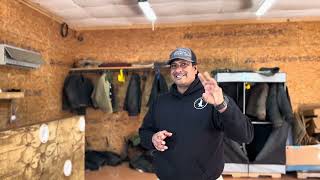
AJ Vargas breaks down three ways to know when your dog detects odor: how the line feels, what sound it makes, and what you see. He recommends controlled drills with a detection wall so handlers learn to read these signals instead of just waiting for a sit.
Chapters
AJ Vargas here with The Source Podcast, all things working dogs. I'm bringing you another short set, and on this short set I want to focus on some fundamentals of detection. And sometimes it's important, and what I see a lot of times with handlers, we always want to do the big things, but we never focus on the small things that make us successful. And that's probably one of the most important things you can do as a handler, is to do the small things that make you successful. Look at any great player there ever was, they don't do all these great things, they just do the basics great, and they perfect the basics. The release on the ball, the way they catch the ball, the way they get open. They work on those finite details to where they just have it. And I encourage each of our handlers to do the same thing. So for this short set, we're talking about detection and the basics of detection and those fundamental things that will make you successful. And those 3 things are: 1, line work, how you feel the dog on that line. Will make a world of difference in reading that dog. The next thing I'll talk about is what that dog sounds like when they're in odor, and then what the dog looks like when they're in odor. And you can do some very simple drills to begin to learn those principles. Again, utilizing feel, sight, and sound to be successful as a dog handler in the detection realm. Knowing what the dog feels like when they're in odor, knowing what the dog looks like when they're in odor, and knowing what the dog sounds like when they're in odor. And what I would suggest is breaking things down very simple and small. We have a detection wall here that we have set up, and we begin to teach our handlers those very principles from day one when they start detection. And we do it in a very controlled environment because if they learn to read their dog well, a lot of the other principles that they need to learn in detection come very easy. The biggest struggle most handlers have is reading the dog. They guess or they rely solely on what the dog does in relationship to the sit. They don't read all the indicators and all the things that go along with the totality of the alert. So we're going to teach that in a controlled environment. You can set this up as well. Run a known set where you know where the find is and begin to key in on the sight, the sound, and the feel when that dog is in odor. And then lastly, you'll get the alert and start putting that chain of events together so you know exactly what it looks like, what it feels like, and again, what did I say? What it sounds like. Those things are so important as a detection handler. So that's our short set for this week. Set up some small sets. To focus on sight, sound, and feel of what the dog is when they're in odor. Have a great week of training. See you next week.