Daniel Pink commencement speech: Regret and the good life
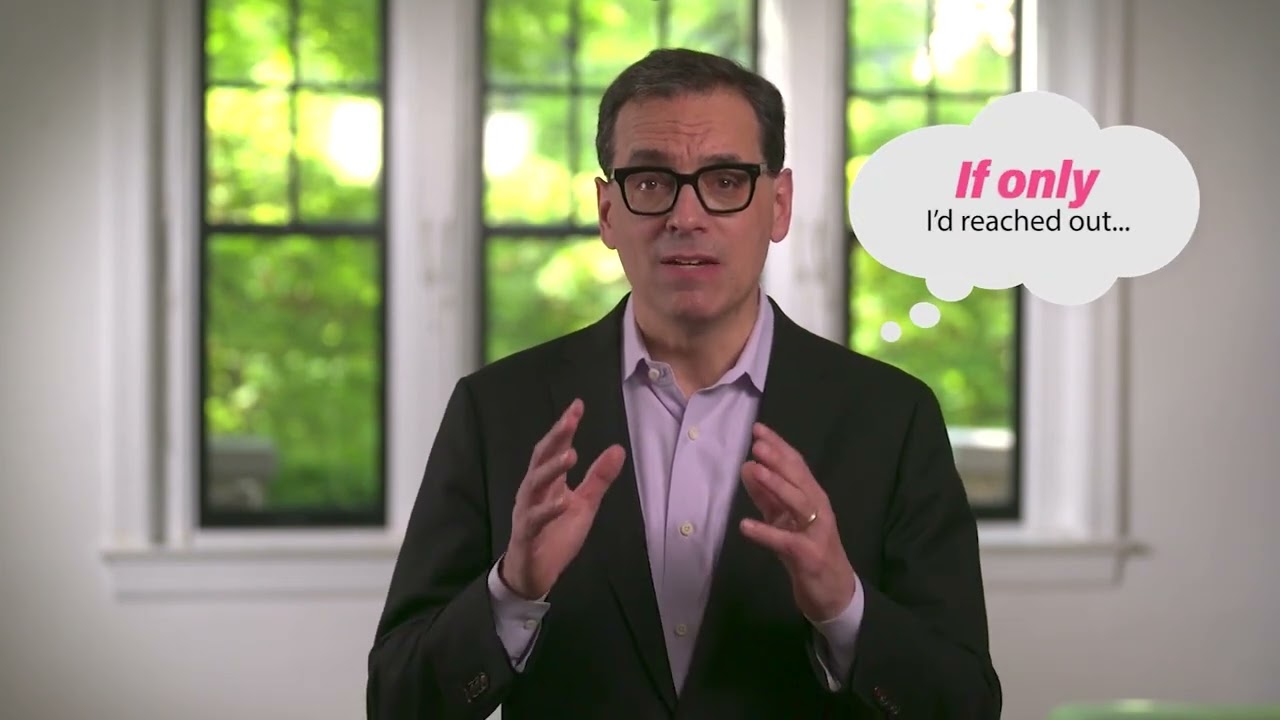
Daniel Pink surveyed over 20,000 regrets from 109 countries and found four universal patterns: neglecting your foundation, avoiding bold chances, betraying your conscience, and ignoring relationships. He tells graduates their attention is the battlefield, and to build it on those four things while ignoring everything else.
Chapters
Greetings, Class of 2022! Thank you so much for inviting me here today, even though I kind of sort of invited myself. Very soon you will walk across the stage and receive your diploma. Congratulations! It's a huge achievement, and that piece of parchment with its ornate lettering and perhaps a little Latin will serve you well. It is valuable, very valuable. But it's not the most valuable thing you possess today. Nope. Your most valuable possession today and in the future is something you can't see, something you can't touch, something you can't encase in a frame and display on a wall. It is your attention. Most of us don't realize it, but we become what we pay attention to. Eventually, we are what we pay attention to. That has always been true, but it's even truer for you, Class of '22, because today there's a war underway for your attention, a ferocious battle to steer your mind, heart, and clicks in this direction instead of that one. Vying for your attention, slugging it out online and in life, are giant companies, bizarro billionaires, ingenious algorithms, crackpot conspiracies, even your own classmates. The most important decision you will make after you've graduated is how you respond to this battle. Let me say it again. We become what we pay attention to. What you pay attention to will determine who you are. So that raises a question. Where should you direct your precious attention? Today, I want to offer an answer. Actually, 20,000 answers. For the last few years, I have been studying regret, that stomach-churning feeling that the present would be better and the future brighter if only we hadn't chosen so poorly or acted so stupidly in the past. Regret is our most misunderstood emotion. It hurts. It lingers. It exists in every place and in every person. A half century of research in social psychology Developmental psychology, neuroscience, and cognitive science shows that this painful emotion is one of our most common. But that's weird, right? Why would something so unpleasant be so ubiquitous? The answer? Simple. Because it's useful. If we treat our regrets properly, not ignoring them and not wallowing in them, but confronting them, They clarify what we value and instruct us how to live. Let me tell you what I mean. As part of my study, since 2020, I have been collecting regrets from people across the globe, what I call the World Regrets Survey. We've now amassed a database of more than 20,000 regrets from people in 109 countries. It's amazing. Around the world, with remarkable consistency, people of all backgrounds and nationalities end up expressing the same 4 regrets. These core human regrets can show you, can show all of us, where to point our attention. The first of the Big 4 Regrets is what I call Foundation Regrets. Foundation Regrets emerge from small choices we make earlier in life that accumulate to negative consequences later in life. We spend too much and save too little. We don't We don't eat right, sleep enough, or exercise regularly. We apply only grudging effort on the job or, yes, in the classroom. Here's an example with particular resonance today. I regret that I did not take my college years more seriously, said a 49-year-old man from Virginia. Rather than thinking of the future, I spent too much time enjoying the present. These tiny decisions and indecisions eventually catch up to us. and destabilize our lives. Foundation regrets sound like this: If only I'd done the work. The second type of regret: boldness regrets. All regrets begin when we're at a juncture, and with this category, the juncture presents a choice: play it safe or take the chance. And when we don't take the chance, not all the time, but most of the time, We regret it. I wish I'd taken more career risks, said a 35-year-old woman in California. I've played it too safe. Met the most amazing woman in college, said a 37-year-old man in Ireland. Never found the courage to ask her out. We regret not speaking up, not starting a business, not coming out, not studying abroad, not asking out a crush, not asserting ourselves. Indeed, one of the sturdiest findings in the existing research and in my own is this: over time, we are much more likely to regret what we didn't do than what we did. Boldness regrets sound like this: if only I'd taken the chance. The third category, moral regrets. Once again, we're at a juncture. We can take the high road or we can take the low road, and when we choose what our conscience says is the wrong path, Most of us, most of the time, regret it. We hurt others. We break our word. We degrade what ought to be revered. And while at first the decision can feel fine, even exhilarating, before long it eats at us. I regret being unfaithful to my husband, a 23-year-old California woman reported to the World Regrets Survey. That moment of weakness is not worth the pain that follows. A 52-year-old man from New York offered this regret: I bullied a new kid in 7th grade. He was from Vietnam and hardly spoke any English. Horrible. Moral regrets sound like this: If only I'd done the right thing. The final and largest category is connection regrets. These are regrets about all the relationships in our lives: partners, parents, children, siblings, cousins, friends, colleagues, Classmates. A 45-year-old woman from the District of Columbia offered this: My brother died suddenly at 41. I regret not saying I love you more. I regret ending a friendship post-college because she thought I was dating the wrong guy, which I was, said a 51-year-old woman in Minnesota. What gives our lives significance and satisfaction are close Close and meaningful relationships. But without proper tending, those relationships can drift apart. Yet because we feel awkward, we often do nothing, and the drift widens. Connection regrets sound like this: if only I'd reached out. If only I'd done the work. If only I'd taken the chance. If only I'd done the right thing. If only I'd reached out. Across the world, with very little variation based on nationality, gender, or race, These are people's deepest regrets. That's interesting, I think, but it's also instructive because I've discovered that when people tell you what they regret the most, they're also telling you what they value the most. By revealing their regrets, this chorus of 20,000 people offer a reverse image of a life well lived. A decent foundation, enough stability so that life is not precarious. Boldness, a chance to learn and grow and do something meaningful during the vanishingly short time we're alive. Morality, being good and decent and just. Connection, having people we love and who love us. That's it. And that, my friends, is where you should point your precious attention. Everything else? Ignore it. Seriously, ignore it. Now, this last point is crucial. In all your years of schooling, I bet nobody ever taught you how to ignore. And that's a shame, because ignoring will be the secret to your success. You become what you pay attention to. But your attention is limited, not infinite, which means that your ability to pay attention depends on your ability to ignore. The only way to focus on the big things is to disregard most things. So, if you ever need guidance about what to ignore, there's someone you should consult. It's someone you haven't even met yet, but who's keenly committed to your best interests. It's the you of 10 years from now. The you of 2032 will know what to do, because we can make a pretty safe bet what that person will care about. The you of 10 years from now won't be much different from the 20,000 human beings who have told me their regrets. The person you will be tomorrow will tell you the person you should be today. They'll advise you to build your foundation, to spend less time binge-watching Love Is Blind and more time getting a good workout, mastering a new language, or learning how to code. They'll urge you to be bolder, to ask him out, to start that business, to take that adventure, to speak up about a cause, to assert your identity, to try stuff. Instead of retreating into the false comfort of inaction. They'll press you to avoid the temptation of the low road, to be honest, just, and kind, to become the type of person you'd admire. And they'll direct you to deepen your real, living, breathing relationships, to worry less about impressing strangers on Instagram and more about surrounding yourself with people you genuinely care about And who care about you. To focus less on likes and more on love. So when you're stuck, call, email, text, or DM yourself 10 years in the future. Future you will tell current you what 20,000 people have told me over the last 2 years: do the work, take the chance, do the right thing, reach out, and ignore the rest. You won't regret it. Thank you, congratulations, and Godspeed to the amazing Class of 2022.








