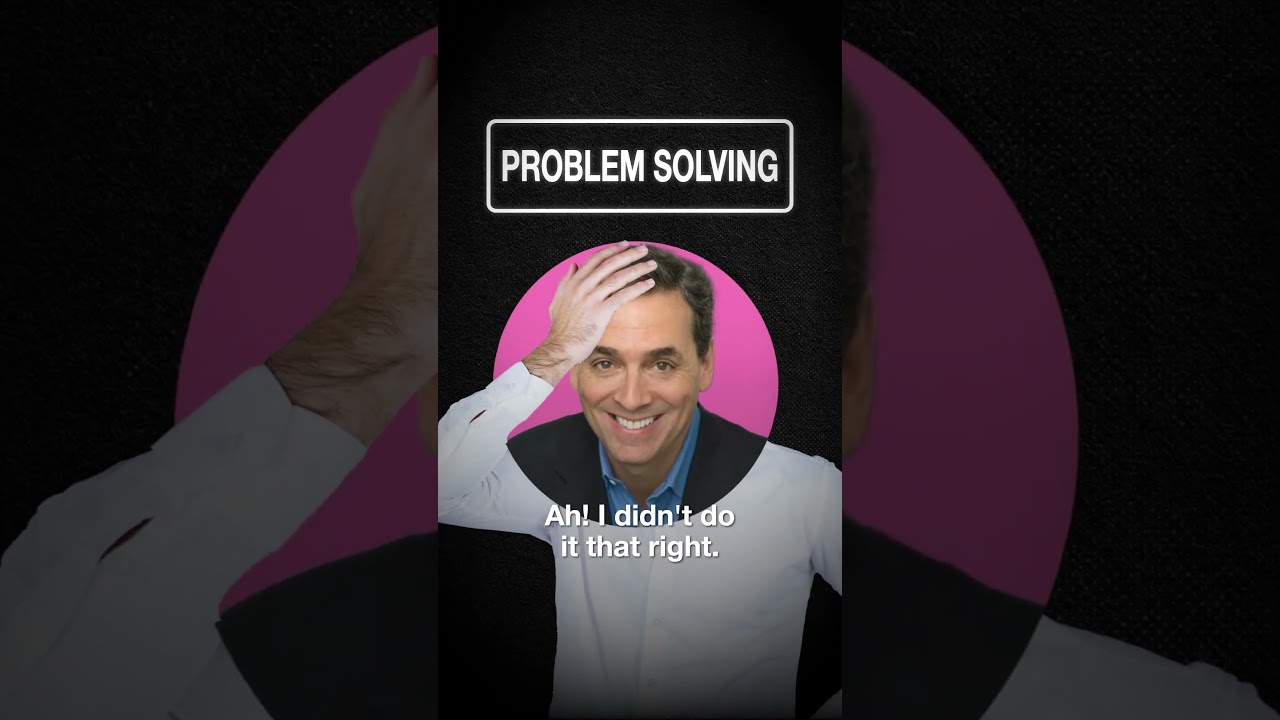
Daniel Pink breaks down 70 years of regret research, showing how treating regret as feedback rather than shame makes you better at negotiating, solving problems, and making decisions. The uncomfortable feeling becomes a blueprint for what to do differently next time.
Chapters
There's 70 years of research about regret. What it shows is this. Let's say you're negotiating. Now let's say you make a first offer and it's not a great first offer. If you then think about that negotiation and consciously think about what you regret in that negotiation, you invite the negative feeling. Remember, regret doesn't feel good. You do better in the next negotiation. You see this in problem solving. I'm trying to solve a problem. Ah, I didn't do it that right. Let me actually think about what I regret in that problem solving exercise. Invite the negative feeling. You do better in the next one. Over and over again, what you see is that when we deal with regret, when we think about regret as a message, as a signal, it is a powerful force in doing better, in making better decisions, in being better problem solvers, and finding greater meaning in our life.