This is how to motivate yourself when you don’t feel like exercising
7 Jun 2024 · 2 min
1:55
Michelle Sieger's research at the University of Michigan found that reframing exercise from obligation to choice increases adherence. Saying
Michelle Sieger's research at the University of Michigan found that reframing exercise from obligation to choice increases adherence. Saying
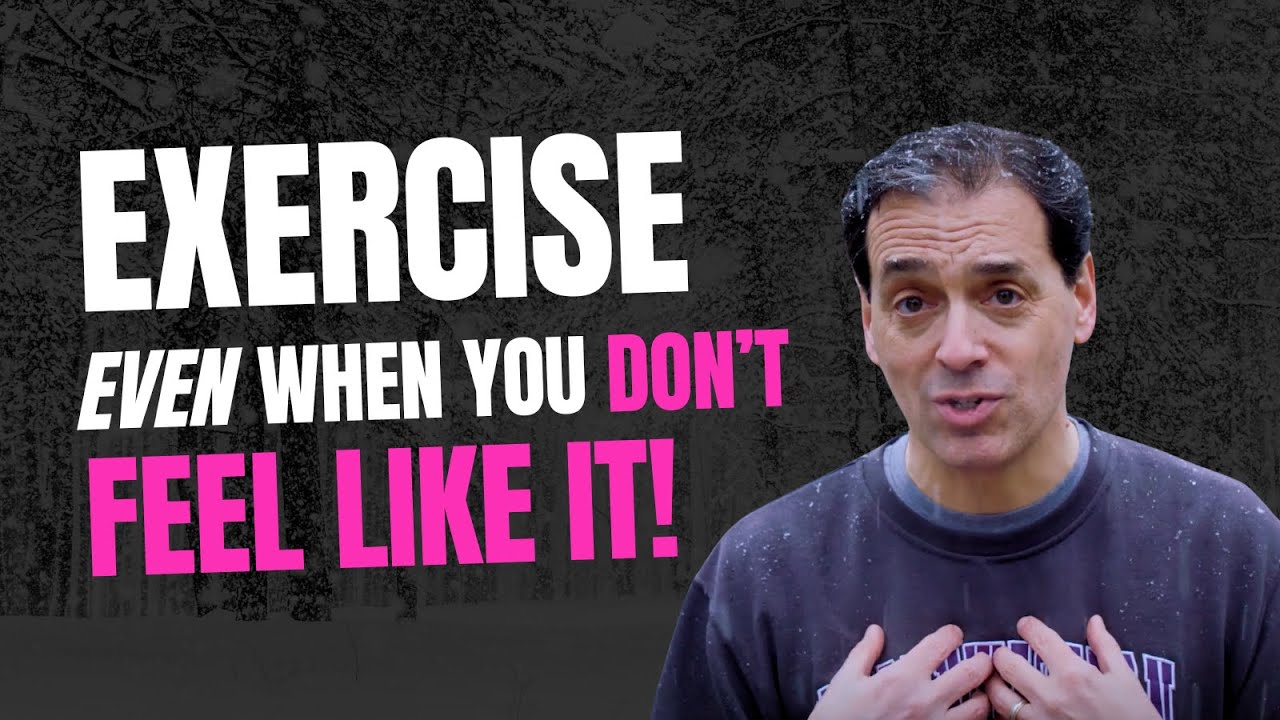
Hi everyone. Welcome to another PinkCast. You know, exercise is one of the few things in life that is unequivocally good for us. It can prevent disease. It can help us control our weight. It can improve our metabolic health. It can boost our mood. Trouble is, we don't always feel like exercising. So what can you do when your get-up-and-go has got up and went? Science has the answer, and it's in the work of Michelle Sieger at the University of Michigan. Her research has found that one of the keys is to reframe exercise. To stop thinking of it as a chore and start thinking of it as a gift. In particular, one technique for doing that is really interesting. Instead of saying to yourself, I have to exercise, say to yourself, I get to exercise. I get to exercise. Here's why this is effective. We know from a ton of research that the best way to sustain behavior is if you have autonomy and draw on intrinsic motivation, rather than being controlled and having to rely on extrinsic motivators. Saying I have to imposes a measure of external control. When you have to do something, you don't have autonomy. Saying I get to means it's your choice. You can draw on your own values, your own desires, your own wishes. So, the next time you're feeling unmotivated to hit the gym or unmotivated to go out for a long run in the driving snow, use this simple and effective linguistic trick. Now, I get to go for a run. Thanks for watching the Pinkcast.








