Jenn Brown Went From Poverty to a 1.2 Million Credit Repair Year
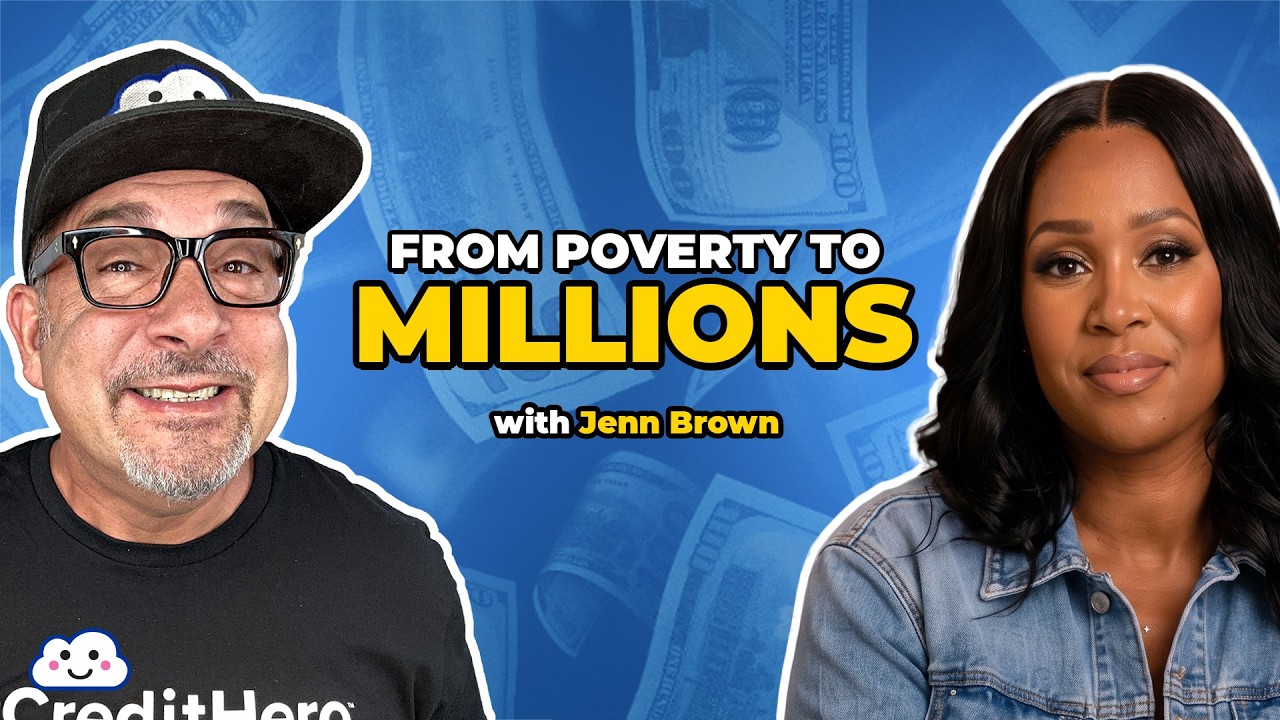
In this two‑part podcast interview, host Daniel Rosen (with co‑host Keenan) talks with credit‑repair entrepreneur Jen Brown about her rise from poverty to building a $1.2 million‑per‑year credit‑repair business. The conversation begins with Jen’s background, revenue model, pricing tiers, client acquisition funnels, affiliate programs, and the ethical vs. illegal dispute tactics that shape her service offering. She explains how she expanded her product ecosystem to include funding, coaching, and books, and how compliance and systematic dispute processes keep the business scalable. In the second half, Jen shares her personal "business super‑power"—genuinely caring for clients—and how that makes work feel like friendship. She discusses the importance of robust systems (automation, mass email, centralized dashboards) as the key growth lever, and defines business ownership as a vehicle to help families nationwide. Motivation comes from her children, and she defines success as making others successful. Jen offers advice to newcomers: jump into the booming credit‑repair market, build a brand, and pursue the "Millionaire" and "$10 million" plaques. She provides her contact details (Maximus Financial, Instagram @TruthIsHer357, Facebook Jen Brown, website www.maximusfg.com) and invites listeners to join her free Start Repairing Credit Challenge. The interview closes with a call to action for podcast subscriptions, reviews, and engagement, and hints at future speaking opportunities.
Chapters
She says almost everybody is doing credit disputes completely wrong.
I am chasing down that $10 million award now.
What did you do in revenue last year?
$1.2 million. I was a young mom, teenage mom. And, you know, my mission was always to just give my children a better life. Mindset beats skill set every single day. I came from nothing. Do it tired. Do it when you're uncertain. Do it broke. Just do it.
Hey, credit heroes. Our guest today did something that most people only dream of. She took the lowest moment of her life turned it into a movement and a million-dollar credit repair business. She's built a following of 60,000 people. She helped her son buy his first house at 22, and she says almost everybody is doing credit disputes completely wrong, and today she's going to show you the right way. She is an entrepreneur, an author, a life coach, and the newest member of our Credit Repair Cloud Millionaires Club. Her name is Jen Brown, so you better stick around. My name is Daniel Rosen and welcome to Credit Repair Business Secrets. Heroes, the ones who make a great living and make a massive impact, they really care about helping people and changing lives, and that is Jan. She's helped countless people fix their credit, get funding, become homeowners, and believe in themselves again. We're going to talk about the moment that she realized her life was about to change, the things people judged her for that eventually how money became part of her success story and the lessons that success taught her that money never could. This is a real powerful conversation you don't want to miss. So please welcome to the podcast, Jen Brown. Hey, Jen, welcome.
Thank you. Hi, Keenan. Thank you so much for having me.
We're so glad you're here. Congratulations on the Millionaires Club Award. How does it feel?
It feels great. But guess what, Daniel? I am chasing down that $10 million award now. I got to get there. I am grateful for this. I'm super appreciative, but I'm on to the next goal. I'm ready.
Well, I'm ready for you to get that too. We have a spot on the wall in our office.
Yes, yes. I'm super excited.
Okay, so I want to know everything, but let's start with where did you grow up and what was your life like before credit repair?
I grew up in a small town right outside of Philadelphia. I grew up in poverty. Family knew nothing about credit, finance, and things like that. Fast forward, you know, when I grew up, I Didn't— I had no sense of credit, didn't know anything about credit. I had some things on my credit report that were done fraudulently when I was a child. And so I had cable bills and electric bills and all types of stuff that I had no clue where it came from. And then so I just started trying to figure out what credit was and started learning that this stuff can be removed and that credit was actually leverage and power. I bought my first house at 23 years old as well. And so just wanted something different. I was a young teenage mom, and my mission was always to just give my children a better life than I had, right? And so, me just learning about credit and real estate, I was in the real estate field for a while, and I'll kind of talk about that. And one of those things, I just wanted to give my children a chance because I feel like I didn't have a chance. And again, no disrespect to my mom, love, or my parents. I love her to death. I say about parenting, we do the best that we can. There's no manual, right? And so, I'm pretty sure as spoiled and rotten as my kids are, they're going to probably say I did something wrong at some point, right? Right. And so just wanted to give them an opportunity, educating them in private schools and things like that. But it started with the foundation of me understanding money, understanding how to leverage money, you know, buying real estate at a very young age, owning my house, you know, educating myself. That's really where it all started.
Well, before we get any further, someone listening right now is stuck in a 9-to-5 that they hate with bad credit of their own. Give them the 30-second version of how far you've come and tell them if they could realistically do this.
Anybody can do it. I tell people I came from nothing. I feel like anybody can do it. I can do it. I was working a 9-to-5 job. I was a single mom of two, you know, and just building my business brick by brick. You can do it. You just have to be motivated. You have to be dedicated. If you have to go, I used to literally do my credit repair clients at my desk, at my job. And so It by any means necessary. If you want something, it's been attained, it's been achieved. People had this Millionaires Pack before me, people are going to have it after me, and we're just excited to build more and more millionaires.
Very cool. Let's talk about some real numbers so people know that this is legit. What did you do in revenue last year, roughly?
$1.2 million.
Wow, that's awesome. How does your business work? What, like, what do you charge per client per month, or—
so as you guys know, you guys been in business for a long time, it's no perfect business model, and so I not to get caught up on like charge this or charge that. I'm constantly changing my prices, seeing what structure works. At one point I was doing monthly billing, then I was doing, you know, billing for 6 months or for 3 months. So it just depends. Right now where I am, I'm doing $497 for 4 months of credit and then I'll do a couples package for $997 for 2 people for 4 months. And then after that, if they still have items, then we— which we can charge them like a monthly retainer.
And then as you were getting this going, how many clients did it take for you to replace your salary of the job that you were at?
So I was doing real estate. I was able to leave my job relatively quickly at a pretty young age because I was doing real estate. But when I was doing real estate, you know, I don't know if you guys ever invested in real estate. I was doing fix and flips and different things like that. And that business is very unpredictable. And so it was a business where I could make a lot of money, but I may make $200,000 in January and don't make anything till August. And so I just didn't I didn't like the unpredictability of the real estate industry. And so I just started with credit repair and started replacing that income, just having consistent— I like to get money every single day. I like to look in my merchant account and see conversions every day versus having to wait 3 to 4 months or whatever it is for a paycheck. And so I was roughly doing around— I had maybe around 250 clients when I stopped doing real estate. I do still have some investment properties where I just rent out, but to be flipping and stuff like that, it was extremely stressful. It just wasn't— time-consuming. And so around 250 clients, I was able to comfortably live and sustain my lifestyle.
So you just shared some really big numbers. I mean, you're doing over— you did over $1 million in the last year. Remind everyone, like, how long have you been in business and what did year one actually look like? Revenue, number of clients, hours worked?
I've been in business for almost 14 years, so I was doing credit repair when we were— when I was writing out letters like manually and sending them in the mail. And so you guys have been a blessing with the cloud mail and things like that that we don't have to send a million letters out to the post office, right? And so when I first started doing it, I literally remember I was doing credit. I didn't even have any contracts, any agreements in place. When I fixed my credit, I was like, oh my God, this is good. I fixed my mom's credit, and I was just doing like family members. And when I started doing it, I just wanted people to take a chance on me. And I was literally charging $100. I was just charging $100, like, give me— and I would literally fix that credit till it was like fixed. There wasn't no time limit. It wasn't like, go, I'm just taking this about out. So I would charge them $100. And so, you know, just from, you know, going from there last year I was charging around $1,500 per client, but my mission has always been to be able to service more clients versus, you know, charging more money. And I feel like, you know, the average person, the single mom— I know when I was a single mom and I was working a 9-to-5, I didn't have $1,500, right? And so I wanted to make it more affordable for everybody to be able to reach everybody because I believe everybody deserves to have good credit and deserves to have these resources. And so when I said this year, I was like, no, we're going to decrease our prices. Yes, we still did $1.2 million, but I I feel like I could have probably serviced double the clients if the price was a little bit cheaper.
And Jen, that first year— and you've been in business for, you said, 12, 13 years?
Yeah, almost 15 years.
What was it like that first year of business? What was your revenue like? How many clients did you serve?
I probably don't even remember, Kenan. Like I said, I was just so happy that I obtained the skill and I was charging $100, so I'm pretty sure it wasn't anything significant that I made. I just was happy that I learned how to do it, to be quite honest, and that people actually trusted to do their credit. And so I didn't keep any— I'll be honest, I didn't keep any, um, you know, accounting of the numbers or anything like that back then. Um, so I wouldn't be able to say what it was 15 years ago for sure.
And what did it take to start your business? Like, how much money did you have in those early days? Like, what did you spend it on, if anything?
I didn't spend money on anything. I literally was just charging the clients, and then I would just have to buy my postage and stuff like that. So it really wasn't a startup. I had my computer, you know, I had my postage and things like that. But like I said, back then I didn't even have like a printer So I was like literally like handwriting letters and keeping the client stuff in like manila folders. Like, I remember it so vividly, like I had a stack of manila folders like on my kitchen island. And then I would— that was how I kept all the client stuff. So it's so funny now that we can have our clients upload the documents to Credit Repair Cloud and we never got to touch them.
In the beginning of a business, people always have difficulty getting clients. How long do you think it took you to get your first 100 clients and how did you get them? What actually started to work?
I used to do a lot of— I'm very heavy on affiliate, you know, um, marketing. I used to always go to like mortgage lenders, to like car dealerships and stuff like that, and I would just go and pass my business card out, and I would literally tell them, you know, I'll do one of your clients for free, like I'll do your clients for free, like let me just show you like that I can do this. And I still to this day, a lot of my business and my referrals come from affiliates, like they, you know, they're referring their clients to me because I've shown them. And so I tell people starting off, like if you don't have a big budget Facebook ad. I literally just started Facebook ads last year. I never had ads and stuff before. That 60,000, I actually had like almost 300,000. My page just got hacked again last week, so I just literally got my Instagram back and my Facebook. I had to join the group again because my Facebook got hacked. But anyway, long story short, I've— yeah, the devil's always busy, but we're here, right? And so I had a big page where it was like almost 300 and something thousand. It was like 320,000 followers, and that got hacked last year. And then we basically started from, from fresh. But basically I would So I would get, I would put boots on the ground and I would go literally to these offices and I'm still doing that to these, to this day. I have my, I have VAs, I have them, but they're not here. And so I'll have them look up all these mortgage brokers in Houston or Dallas or wherever I'm at. And guess what? When I'm in that area, I'm going in the office, I'm passing out my cards, I'm talking to them. I feel like no marketing is better than word of mouth marketing.
And what was the moment you realized your life was about to change?
I realized my life was about to change when I knew I was changing other people's lives. When I had clients coming to me, I had— I literally— so this is so funny. Today I was like in the hairdresser, I'm like getting— trying to get ready for the podcast. And this client, I worked with her and her husband last year. And when I tell you they had a story, they had a story. Long story short, and I'll share it, I'll share you the screen. They closed on their house today. And that was the most invigorating feeling for me to just be able to change people's lives, to help people obtain their goals. Like, that's when I knew my life was changing because I not only was I was making money, but I was making money off of actually helping people and doing something that I love to do.
Very cool. And I gotta ask you, what's something people judged you for that's actually now become part of your success story?
I think people judge, just judge from, you know, just the demographic that you come from. You know, I think people always judge a book by its cover and they don't know, you know, people judge you for the things that make, make you who you are today. And so just from, you know, coming from poverty and things like that, I think that, you know, just, just misjudge because people just didn't know or like, oh, well, why would she be— why would I let her fix my credit? Like, what qualifies her? And so it was just like, I'm qualified. I fixed over 3,000 files. And so I know that I'm qualified to fix people's credit.
In the early days of your business, getting it started, or even in the first few years, like, what's been the dumbest thing you spent money on to try to grow the business that just didn't work?
I feel like I spent— I'm one of them people, and well, I used to be one of them people. I've spent— invested a lot of money into different mentorships. To be quite honest. I felt like at that point I attributed when people were posting nice cars and they're posting trips that that was success, right? And then just learning like that car might be rented or whatever the case may be. And so I don't really attribute success to things anymore. And so like I said, I pay up into— I tell people all the time, it's so funny, I paid $25,000 for a mentorship about funding. And at that time, I felt like— I wasn't my last money, but I had a lot of things going on and a lot of working parts where I felt like that was definitely a sacrifice at that time to pay $25,000. And when I got on these calls, I literally knew everything that they told me. But the value, the only value I got, I was provided a lender's list with maybe like 500 different lenders. And so I didn't look at it as because we are in credit and finance, you know, people throw that, oh, this is a scam around. So, so freely. And so I didn't look at it as a scam and I didn't— I always try to take the positive out of something. And so I just said, you know what, I paid $25,000 for this lender's list, right? And so now I have access to these lenders. And now today I'm a broker with over 300 different banks. And so I just looked at— I paid $25,000 for that. However, I was expecting, you know, some education, you know, from it. And so just— and nothing bad about mentorship. I just feel like it has to be vetted properly, you know, ask certain questions because I really didn't know the questions to ask.. But now just being more educated in the credit repair business, in the funding space and stuff like that, if I do have a mentor to this day, but I would definitely know the questions to ask if I was investing in any class or course.
In those early days, what were the smartest things you spent your money on?
Just advertising. I would do advertising. I would, like I said, print out business cards, billboards, you know, different things like that. That was just always the smartest, just putting myself out there. I was never— I've never been a person that was scared to bet on myself. And so I would pay money, I would invest invest in my business 100 times over because I believe in myself and I know I'm going to get a return on my investment.
Well, you've grown your business now into a full ecosystem. You've got credit repair, business funding, homeownership coaching, books, and other tools for entrepreneurs. You're kind of building a movement. Did you realize that, that this was happening?
I did realize it was happening just this year. And I— it's funny because I'm a person that I just do these things and I'm just like, oh, let me make an ebook. And then I'm like, and I'm looking, and I'm like, okay, now we have all these different products, like, let's make it make sense. And again, I'm the biggest person of introspect, and so I'm always trying— so I'm never comfortable, like, oh, this is good, we made this amount of money. It's like, no, like I told you, I'm chasing down this $10 million plaque. So now this all has to make sense. Like, I need to sell them this amount of books a day, I need to get this amount of mentees, you know. It's so everything is strategy, right? It's not just putting these products out there, it's like putting them out there with intention. But I really believe, like I said, I believe wholeheartedly, and that's why, you know, I don't mind jumping on Zooms, you know, contract, we get on Zooms and, you know, we talk to the CROs for free and things like that. Because I really believe, like, we're stronger together. It's so many people that need credit repair. It's not a competition thing. It's like, let's pour into each other. Because I wish that I had this, this type of space when I was starting it, for people to pour into me for free, you know. Because most of the time when somebody is posting something is, oh, join this class, and at the end of that class you're getting a $10,000 invoice for, for this mentorship, you know. And so again, nothing, nothing's wrong with that, but, you know, I just try to meet people where they are, even my clients, wherever they are, because everybody doesn't have that money. What about the person that's just starting off that has no money to invest? They may not have $200. And so if they can gain some knowledge just from watching a Zoom or listening to a podcast, like, why not? Because I wish I had these free resources and I didn't.
Yeah, I think that's awesome. I've been seeing that you've been doing those calls with Patrick Sotelo, and it, it's so cool to see. And I really think that is one of the one of the biggest secrets of success and making luck is by just helping people. And the more you do that, the more comes back to you. It's, it's kind of magical. And so I see you doing that.
It's currency. It's rotating, like, you know. And so once you put something out there, I feel like, you know, you're going to get it back. And you're, you know, you're definitely blessed because you are giving back. And again, it's not— it doesn't feel like work to me. It doesn't feel like a task. I never feel like, oh my God, I don't want to do the Zoom. It's like I'm excited to get on there because they're excited as they are, you know, they're pouring their energy into me. So it makes me excited. We were on a call last night for 3.5 hours, didn't even realize we were on a call for like 3.5 hours. And I'm just like, I'm going to bed, y'all. Like, you know, it gets like that. But, you know, we get to— we get to talking and they get to ask them questions. And, you know, the energy is just magical. If you guys get a second one day, just jump on and just see what's going on. A lot of people are on there. A lot of people are from different spaces. They're brand new. They're just, you know, just joining. There are some people don't even have the money for the monthly membership. They're on a free trial, but they are trying to figure it out.
That's awesome.
I love what you guys are doing on those calls because it— a lot of people getting in the space, it's people have to get out of their own heads. It's the mind— getting the mindset right of getting started.
I always tell people, mindset will beat over— beat skill set any day. It's your mindset. You can have all the skills in the world, if you don't have a mindset, you're not going to be able to execute.
What are some of the common blocks you see people experiencing, or even from your own lived experience, what do you have to change in your mindset to get your business going?
Just the confidence and the ability that you actually can do it. Like, a lot of them are not confident in theirself, and which is why they're scared to market the product. You know, they're scared to put theirself out there because they're not totally confident. And they're like, oh, my credit is not even good yet. And I'm like, that's the testimony, right? You're working on your credit. My credit is here. I got my credit from a 500 to a 600 or 700, whatever it is. I said, people like relatability. And so just just being able to relate to them. Like, I'm building your credit up, but I'm building my own as well. And so, you know, just that transparency, because most people are not going to come on there and tell them, oh, I just went through bankruptcy, or I just got a repossession, or I, you know, I need to rebuild my credit. Everybody's on there perfect, right? And so I tell people, like, you know, people, they don't fall in love with products. And so just being transparent and being yourself, um, you know, I just tell people, just go in there and be yourself and be confident. And even with, you know, the software. I tell them, I'm like, if you guys don't know, like, the letters are there for you. Like, just do it. Like, they're there, they're built in. They built the system, it's there, put them out there.
I imagine in the early days of your business, um, and I've— I see this fear from a lot of people, like, you don't really have support from your friends or family, and people aren't clapping for you in the early days. How long did that last for you, and when did things get turned around where we had more supporters?
I still feel like people aren't really clapping for me in my, in my direct circle, right? And so sometimes you have to change the dynamic because there are going to be people that clap for you. It may not be the people that you want to, but it's going to be people that clap for you. So just changing your environment, changing— I'm in a whole different state. I told you guys, I'm from the East Coast. I'm all the way in Texas. You know, I'm here with just my immediate family, my husband and my children. And so, you know, I didn't look for the validation of my family after I got to a certain point in business because at the end of the day, they were asking me to help them, right? They needed my help. So it was like, why am I looking for validation for somebody that I have to help?
And is there anything you had to unlearn about money to get to where you are today?
Yes, I— when I first started making money, I spent money. I had horrible spending money skills, and I would just spend money because I felt like it was easy for me to make it. And so I wanted to buy shop, and I wanted to buy things and things like that. And it's like, no, you know, those things, you can get those things all the time. So now I'm more so, if I'm not investing in my house or my kids or like other investments and stuff like that, I'm kind a little bit more, you know, frugal with money because it's like those things come and go. It's always going to be a new pocketbook, it's always going to be a new car, it's always going to be a new something, right? And so it's like, no, I don't want to keep up with those things. I would rather now at this point in life, I want my money in the bank. I want to see it.
I want to jump on this tangent here again because some of your beliefs you had in the early days, like you said, in the last year you've done $1.2 million, but what beliefs did you have that held you back when you just made your first $100,000? What did you have to unlearn? What got you to being able to grow to where you are today?
I had to unlearned that I felt like I was responsible for everybody. Sometimes I think that, especially where I come from, we get survivor's remorse, right? And so we feel that we're obligated to help people, right? And then so you're helping people and you're helping people and you're looking, I just spent $20,000 on this, or I spent $15,000, and it's like, when I need help, who am I going to call, right? And so I had to unlearn that nobody's coming for me except for my husband or maybe, you know, a friend, you know, that maybe, you know, and And so, you just have to— I just had to realize that, you know, I had to show up for myself because nobody else was going to show up for me. And so, just learning that to be— just to bring myself to this space was a lot for me because naturally I'm a nurturer, naturally I'm a giver, and I just want to give and help everybody. But I feel like the road to the top is lonely.
Yeah. Entrepreneurship itself is lonely. Did you find that your friends changed? Did it cause you to lose any friends?
Yes, it absolutely. I felt like my friend, a lot of my friends, especially like childhood friends or, you know, early adulthood, they didn't, they didn't see the vision. And sometimes when people come from where we come from, they don't, they won't see the vision, right? And so it's like, I feel like entrepreneurship, some extent, we, it's some type of insanity, right? And so other people are not going to see that, you know, you're up to 2, 3, 4 o'clock in the morning and you got these ideas and you're writing these down— and unless they are walking in their journey, in that path, they don't want to see it. And I'm the person— again, was the person— I want everybody to win. So regardless, I think everybody's supposed to be an entrepreneur. So it's like, no, let's do this. Like, you like shoes? Like, let's sell shoes. Like, you know, I want y'all— I'm trying to build a business for everybody around me, and they're looking at me like, no. And so I had to learn that everybody is not an entrepreneur, and the world has Indians and chiefs for a reason. And some people are okay with being an Indian. And so I had to learn how to allow people to be where they are. And the people that want to be poured into, the people that I I can empower and help, I do. And I, you know, I'm willing to, but I can't want success for you more than you want it for yourself.
Yeah, it's a strange thing.
Yeah, my son bought a house. I see you saw that on my page, but my mom bought a house for the first time at 64 last year, and it was such a battle, right, with her, because she just is like, I'm not doing this. And I'm like, you are. Like, we're not renting another house. And so she was in her house for 17 years, I believe, or something like that, renting the same house from the guy. And she, um, the guy wanted to, you know, make some renovations. Basically, she had to leave the house, and she started looking at rent prices. And of course, rent prices from 17 years ago and today were totally different. So she's like, whoa. And I was like, Mommy, it's time to buy a house. And she's like so scared and freaked out. And I'm just like, you're 22 years old. So my son and my mom was buying a house at the same time. So it was so funny because it was like I was buying two houses, and I'm like, I'm not even buying a house, and you guys got me pulled all over the place. So anyway, um, you know, just even teaching her like it's not a scary thing, like it's okay, like you have to— we fixed your credit, you credit to do so. Like, now you have an asset, like it's not a liability. Like, you rented this house for 17 years, and guess what? When this guy was ready for you to go, he told you, you can go because you don't own it. So, you know, just, you know, being able to just pour back in and just to educate is just— that's just my biggest— that's my biggest mission, to be honest.
Talking a little bit about family and jumping into that, I mean, for every parent out there listening, what's one thing that you think that they should be teaching their kids for their financial future? Future? What do you think is important?
Teach them young. Like, my kids both— like, I have the baby that I just told you about, which is 3 months, but I have also have a 19-year-old and a 23-year-old. My 19-year-old wanted a car, and she went and got a car by herself. She didn't tell me she went by herself, but I explained to her about credit, about interest rates. I had them on my credit card since they were of age to be on my credit cards. You know, I think AMEX is 11. They were on my credit cards, and so by the time they were 18, they were both able to get credit cards and whatever it is that they want on their own.
And my son's credit score It's actually like an 814.
Like, his credit is higher than mine right now. And so I'm saying all that to say, you know, he's very— they're very responsible. They're very conscious. You know, he'll even ask— it's so funny. He has an American Express, and I think it's like $45,000 or something like that. He has like one for like $45,000 from Navy Federal. And he was like, Mom, it's saying that it's like $45,500. He was like, is that meaning what I owe or not? And I was like, no. I said, well, have you used the card? He's like, no. So I'm like, I'm like, let me log into the app. He paid over $500. So he had a credit. I was like, buddy, like you have a credit, like you don't owe anything. He was like, oh, I thought like, so you're just paying a bill that you don't even owe. Like, so it's like, I'm so proud that, you know, I instilled that in them at a young age because now they are financially literate and they can function and they can survive without me financially.
That's awesome. I, I wish they taught this stuff in school. School. I didn't learn about credit till after mine was destroyed.
It's definitely not something that's educated, but it's, you know, we're getting better. Like I said, you guys have 30,000 people, you know, in your, in your group. And so, you know, it's, it's, it's more CROs being built each day and, you know, it's getting better as far as us educating, you know, other people that I post a lot about kids and, you know, just setting them up for success and people are catching on gratefully.
What did your kids see about money growing up that typically kids do not see in families or would never have seen?
My kids saw me build different businesses. They saw me do real estate. They saw me, you know, do childcare. I did childcare at one point. They saw me do cutting and stuff like that. And so they saw— the biggest thing with them, I think they saw that Mommy tried a bunch of things, but she never gave up. She like tried until she got it right and figured it out. And so just seeing that, you know, not perfect parent, but a trying parent. And so, I feel like they were able to see, you know, they didn't, not that I didn't have any financial struggles, but they never felt it. They were educated in private schools and still had the best of the best regardless of what I was going through. And so, just being able to, for them to be able to see that, I think that they understand a better quality of life and that's why they strive for it right now.
Incredible. Well, I think we should talk a little bit about, kind of a little bit about running a credit repair business. Business. I'm curious to learn, like, how did you learn to dispute, or how did you learn to find someone for disputing? Like, what does that process look like in your business?
Every year, to be quite honest, I am a lifelong learner. So every year I am enhancing my skills. I'm looking at, you know, the new guidelines, the new FCRA codes. You know, I'm going through these credit reports. I'll literally print out a credit report and, like, start highlighting stuff like, oh, this is a violation. And so I'll get to it. And, you know, and so even now, you know, And, you know, other people that work with me, you know, I'm telling them, like, you know, sometimes you got to, like, print this report out. If it's a report that has 60 accounts, like, you may miss something, like, looking on the computer. You may have to print it out. And so each year, just educating myself on the new laws, you know, and things like that. You know, Google is your friend. Everything I tell people now, like, if you don't have the money to invest in, you know, learning or somebody teaching you, look it up on the internet. It's free.
Is there anything you commonly see people get wrong? People get wrong about doing credit repair? Talking about mentoring people and teaching people the basics, but what do you commonly see that people get wrong and that around the credit repair process?
I think a lot of people look at the internet and like we always say, you know, the internet can be good and it can be bad, right? And so we, as you guys know, I'm sure you guys see way more than me that it's a lot of false information. And so they get into there, well, why I can't, you know, this person is saying that they're doing sweeps for days. And I'm like, we're not doing sweeps for 7 days. You know, if it's— if you're doing legal credit repair, it's no way to sweep someone's report in 7 days illegally. And so I think just trying to get them to understand that that overnight success thing is not really a thing, right? We can make millions of dollars in credit repair. People have done it, and we're continuously doing it, but we're doing it the right way. Because again, like I said, you guys have seen it. You get people that goes to jail and different things because they're violating, you know, these laws. And just to have people in compliance because everybody wants to get rich quick scheme if they can get it. And just trying to, you know, tell people like, that's not what credit repair is. Credit repair is the opposite.
For people listening, we should probably explain what a credit sweep is because it's becoming rampant. And like you said, people do go to jail for it. Can you describe what it is?
I mean, a credit sweep is basically disputing stuff frivolously, making fake police reports, making fake identity theft reports, you know, filing these complaints that are just not accurate to have things removed moved off the credit report at a rapid pace, and that's illegal. Like, you know, we dispute things, we dispute inaccuracies. We don't dispute a file that is accurate and should be on your profile.
You file a false FTC affidavit, that's filing a false claim at a federal law enforcement agency. It's a big deal. It's crazy that— so don't do that, anybody who's watching. Now, I know you teach that disputing directly with the credit bureaus often fails and that most people are doing it completely wrong. Can you walk us through what correct dispute strategy actually looks like?
It just depends on the client. As you know, you know, we have to assess the file to see where we start at. And so it just depends. We do dispute with the bureaus, but we do dispute with the FTC when they, you know, when it is, you know, valid or— but sometimes we have to go to the Attorney General or the Better Business Bureau. And so we have all these agencies that, you know, that we can go to. But we, again, it's assessing the file to see where to start at. Sometimes we do start at the bureaus and it can come off. But if it's something stubborn and, you know, it's coming back inaccurately verified, then we do have to go above and make an FTC complaint. But we're not just starting off with an FTC complaint.
Got it. And you make a distinction between information that's accurate versus information that's legally reportable, which is a nuance most people miss. Can you explain that?
Because if it's on their report, you know, it's just that. So one of the things that I do with my business, and a lot of people don't believe it, I actually onboard all my clients myself. And so I speak to the clients, and I need to know, like, did you have this account? Like, what happened here? Like, you know, I'm like, it's still a possibility that we may can get it off because if it's an inaccuracy in reporting, we may can still get it off, but I need to know whether it was a valid account or not. And so just having that and putting that in the notes and stuff like that so I can know how to dispute it, because if it was your account, then I'm looking for inaccuracies to remove it versus fraud to to remove it.
And when you're onboarding that, I just want to dig a little deeper on onboarding your clients. Um, talked a little bit about how to go over the file, but what does that first 48 hours look like when you're working with a client to make sure they don't churn, you set the right expectations? What does that onboard process look like for you?
So the onboarding process, once they pay, you know, they get a, um, we either reach out once they pay online, either if it's during business hours we reach out immediately, or, um, if they're unavailable, they come back and schedule a call.
So we just literally have them go—
we go through their credit report line by line, just kind of talk about what's going on. But we also discuss their goals and why they're in credit repair. I tell people all the time, especially my mentees, like, you know, it's not just credit repair, you're solving a problem, right? These people are here because they want something. Most people don't want to fix their credit just for general purposes. They want to fix their credit because they want something, right? And so just being able to go plan with your clients, you know, and build with them, they feel like you're part of the process. I'm telling you, I have so many text messages. That's all my phone My phone is credit repair. My client just got a car. They just got approved for a credit card. They got approved. So whatever it is, they're sharing that win with me because in the beginning, that's what I made sure that I was directing it to. And so, and once a month we do do, when we send out our progress reports, we also do monthly follow-up calls. So the clients have the option to do a follow-up call. So if something, I also have automations, you know, set up where if something's added to the file that they have to schedule a call. And so I'm involved with them, you know, the entire time through the process. And so just to rewind back to the onboarding, You know, I'm telling them that, you know, in the beginning, we're not, you know, make sure you guys are not doing any inquiries, you know, on your credit report. We're not getting anything new. Make sure you pay your bills on time and stuff like that. That little conversation goes a long way because, as you guys know, credit repair, it has— the client has to be involved too. Because if I'm erasing stuff and you're getting late payments, it doesn't— it's counterproductive. And so just having that connection and that first-time interaction with them, just letting them know the expectations of them, but also telling them what we promise what you're promising to do from your end when you're talking with those clients. Obviously, you know, we're not, you know, we're not promising any, you know, any results because we can't, obviously. But, you know, just saying that, you know, we're going to be working to dispute credit items, you know, inaccurate items on their file. You know, we're helping them get towards their goal, whether it's, you know, homeownership. You know, I do the first-time homebuyers program. And so those clients that are coming for that, you know, I'm telling them, like, you know, monthly I am giving updates to their broker, you know, and telling them where they are with their credit file or wherever they are just to meet their needs. If that client that wants business funding, hey, make sure that you have your LLC and make sure you have a website, make sure that these things are in place while we are fixing your credit profile. So just basically goal building with them, letting them know what the expectation is and what we're going to be doing on our end to help them strategize to get there.
Makes sense. I mean, it probably helps motivate the client too if they really know in their head where their goal is, that it's not just all on you. It's that they got to have an active role too.
Absolutely.
You've grown your business quite a bit. I'm curious, at what client count did you hire your first person? What was that role?
I'm still figuring it out, right? So every day I'm like, okay, I need somebody to help me to do this and I need help to do that.
Well, what was the first employee? What did they take off off your plate?
The first person I tried to hire was somebody for marketing. That was a fail. Um, and so he was trying to do Facebook ads for me and things like that. That didn't work out in my favor. And so that was the first person. The second time I tried to hire somebody, it was somebody else to help me with like disputes, because this was still when I was like mailing, you know, wasn't writing letters then, but we were still mailing letters off. And so I needed help mailing letters. And so I would have, you know, a girl that would come over and she would basically stuff the envelopes and take them to the post office for me. And So that was my first employee because I needed help. I was sending out like 100 disputes a day. And so I needed help. And so I started doing that and then just kept growing. And I'm like, I need to train somebody else to do disputes. Like, I need help. Like, you know, I need somebody that actually knows how to do that and just started training. Right now I have 5 other disputers other than myself to work on the files as well because, you know, it's just, it's hard. It's impossible to service all these people myself. For sure.
How big is your total team now?
I have 5 disputers. I have 2 VAs. I do have somebody from marketing. So about 9 people.
That's awesome.
I'm curious what your tech stack looks like today. What did that look like and what did it look like when you were starting your business?
So when I was starting, we didn't have a tech stack, to be quite honest. Everything was the total opposite. I'll be quite honest. Now everything is either in my Credit Repair Cloud, or my funding clients are inside of GoHighLevel. And so everything is just automated, whereas though it's just a click of a button to send the client whatever it is that needs to be sent. And so it's so much, you know, you guys have built the software beautifully where it's so much easier to just, you know, like I said, send results and things to clients. And so just having these automations and marketing help and stuff in place, everything is there. It just has made life so much more simpler. To be honest.
I'm fascinated by the business funding. I don't know anything about that part of the business. How did that part of the business evolve for you, and what do most people get wrong when they try to access business capital?
I think a lot of times with the business capital is the business structure, um, just being structured properly, knowing, um, what businesses are high risk and things like that, knowing, you know, if the business is actually fundable. Like, you know, a lot of people want business funding and they talk about, oh, it's 0%, you know, interest funding and stuff like that, and it's And so that just again goes back to assessing your client's goals and their needs. And so if I'm talking to a client on the phone, it's like, okay, you need this capital, but you need this capital for what? And so it's like, okay, I can access, get you access up to $200,000 in funding, but what is the plan with it? Because the last thing I want you to do is get this funding and then you're back in credit repair. And so what's, what's the goal? And so I try to again meet my clients where they are, but also try to then go from, you know, credit repair specialist to like a financial specialist to kind of help them navigate through that. Because a lot of these people being quite clients, they have never seen this type of money before. And so getting access to that money, like, you know, it can be a gift and a curse. And so just helping them, you know, navigate through it. Um, I think a lot of people get wrong, you know, just getting their clients— just the type of money that they may be getting their clients. And so if you're getting your client that's just with a startup business alone for $75,000 and the payment is $3,000 a month, like, what have— they don't have any systems in place to pay for that. Like, what systems have you— have they set up to pay for that? So just assessing that that client may just need a credit card because then they're only going to use what they actually have, you know, and they only want to pay back actually what they use versus a loan that note's going to be due the very next month.
And do you find that a large number of your credit repair clients actually need business funding?
A lot of them, I guess, because of my marketing. A lot of my clients either want business funding or they want a house. Like, that's just my two things. Like, it's either the two things that they want. They want business funding because everybody wants to start a business. Again, we talk about this is, you know, a social media world now, and so everybody's promoting entrepreneurship, whether it's, you know, whatever entrepreneurship. Everybody wants to work for theirself until they really work for theirself, right? And so people want access to this capital to be able to do these things because, you know, it's on the internet. They're talking about, oh, you can get $50K, you can get this amount of money. And so people want what they feel like they can't have. And so that's what they come to you for. Well, Jen, I, you know, I seen that you posted that I can get $50K. It's so funny, I posted about, um, Truist Bank. I just made a partner with— I'm a partnership with the branch manager at the Truist Bank in Houston. And, you know, he started telling me about some new programs and I posted it and I literally put in the caption I was like, and if you're my client and you're in credit repair, don't text me asking me about this. So they all like put like, they all put like laughing emojis. I was like, I'll let you guys know when you're ready. Not ready yet.
Now when they are ready, does, what could it add to your per client revenue? Does it really increase the value of a client to you?
Yeah, it can increase because funding, you know, commissions can go all the way up to 10%. I work heavily in the SBA space. So I am a broker for like several SBA different lenders. And so those are just to go back to my point, kind of assessing like the client's needs. And so I always try to push my clients into SBA funding, especially if they have like a brick-and-mortar location, because the interest rates are so much cheaper. The loans are maybe 15 to 20 years. And so I'm more comfortable with giving you a $75,000 loan at $400 a month than at $3,000 a month. And so, um, the SBA, you know, is more so to stimulate the economy. And so they're giving these money at, you know, low interest rates and stuff like that. And So I try to really push my clients into that direction because it's more affordable. And so with those banks and things like that, you're getting, you know, you're basically getting commission from the bank for the processing alone.
With the makeup of your business, you did the $1.2 million this year. What, what percent of your revenue is coming from this compared to credit repair?
It was actually less than credit repair. It was around last year was really like the first year that I really dove into funding really heavily. To be quite honest, I did around $237,000 in funding. Last year, but most of my, most of my revenue was through credit repair this year. I'll definitely— I'm probably almost at that now. So this year definitely will be a lot better with funding. But last year was just— I took that class that I mentioned to you guys about 3 years ago. And, you know, I started, you know, calling these banks and becoming brokers and really learning, you know, how to make these clients fundable and really started diving in last year.
Well, let's talk for a sec about clients and managing client expectations. I imagine you probably get an angry client here or there where they call you and you're disputing things and they're angry something didn't improve or something didn't delete. Roleplay it with me. What do you say to them?
I mean, I just always tell them, so I try to be relatable to my clients. So I tell them like, hey, like you didn't, you didn't mess your credit up in like 2 months. Like you can't expect it to be fixed in 2 months. That doesn't work like that. And so, you know, I just try to remind them, you know, trust the process. We are, and just remind them, you know, hey, you know, we are doing this the legal way. Like, we want to get this off permanently. We don't want to get this off temporarily and then it's reinserted into your file. And so if you want the credit, you know, your credit repaired the right way, like, just be a little bit patient. Like, we're working on it every single month, you know. And just encourage them to keep doing what they're doing. Like, oh hey, maybe you can add a credit booster, or you can add a trade line to, you know, see your scores jump a little bit more. Just giving them other, um, you know, other options to, you know, just to see those increases. Because as you You guys know, sometimes when you're deleting items, the score is not going to increase because they don't have anything building their credit. So just more so being that educator and just, just telling them, you know, it is hope regardless of where you are right now. They just need reassurance. That's all.
And what does that client communication cadence look like? How often are you communicating with all your clients?
So they had the option when we send out their updates, they have the option to schedule once a month. All of them don't schedule once a month. If we don't hear from them, they would— they— everybody Everybody is required to do the onboarding call or we refund the money. They have to do the onboarding call. If we don't hear from them by month 4, somebody's reaching out to them. So every day they have to— they're required to do a call. And that's a part of our agreement, every at least every 3 months to kind of touch base with them.
Is there a reason for that every 3 months? Why you've installed that system in your business?
Because I feel like if they understand the process, they understand the goals and what they're doing. Sometimes they need to be reminded, right? And so it's like, I haven't talked to this person. Like, let's make sure that the goal is still the same. Like, are you still looking to buy this house? Like, what are we going right now. And so just to kind of, you know, re-anchor them, to just let them know, hey, we're still working on your credit, you know, even though they get the emails and stuff like that. I feel like just being personable, um, and, and let them know that you care, it just goes a long way. And I know you guys hear this a lot. I get a lot of clients, oh, I just came from this credit repair company. And so, you know, you hear the stories of, you know, the other horror stories where they came from somewhere else. And so I always use that to strengthen my business model, right? And so a lot of clients' complaints are that they had no communication or they didn't know what was going on. And So that's like one of my biggest things, like customer. Like I have a client, literally like a client success manager. Like that's all she does is send emails and reach out to clients. Like that's her job. And so that's just important because again, I feel like if people understand what's going on, they're okay with it.
To get things started with marketing, you have a very successful business. I'm curious, where do most of your clients come from today? What's the makeup of where you've had success in marketing?
I'm marketing primarily on social media. I do have, like we talked about earlier, I do have a lot of affiliate marketing. I have a lot of real estate agents, I have a lot of brokers, you know, that I deal with, that they send clients to me. But 90% of my— I started Facebook ads last year, and so, um, I did get a lot. I do generate quite a few leads a day. You know, we kind of go back and forth, like, with ads and, you know, changing ads and things around. And so, um, I do get a lot of leads and a lot of clients from Facebook ads and just, you know, organic marketing.
You have over 60,000 Instagram followers. How did you grow such a large following? What's your secret?
Just posting consistently, educating them. I tell people all the time, this business is about being a resource, you know. I don't always have to be selling them something, right? I feel like once you position yourself as an authority and they understand that you actually know what you're talking about, they're going to want to buy from you. And so it doesn't always have to be click the link in my bio, buy this credit for $597 a month, or whatever it is. It doesn't always have to be that because then it's like you're coming off too sales pitchy. It's like you you can sell items without selling items. And so I'll post about how you can, you know, buy a house with no money down, or how you can build your kids' credit and so they can have a credit score, or how you can access this business capital just by educating them. And so by educating them, they want to come to me to get their credit fixed, or they want to come to me to get business funding, because I've already gave so much free information and free knowledge out.
And I bet that pre-builds the trust.
Absolutely.
A lot of people here might be starting their social social following from day one. If you were to post your first thing from day zero today with the current social algorithms, what would you post?
I probably would still post education if I knew what I knew today, because of course I— this is not just me figuring it out 15 years ago, is me figuring it out as of, as of the woman I am today, right? And so, you know, before I would post all the time like, you know, oh, you know, click the link in my bio and things like that, and just little tweaks like just having on your automation setup. Like if somebody comments on my post about fix my credit and they say fix my credit, I have ManyChat that's going to respond back to them. And ManyChat is going to say, hey, you know, what's your goals? It's going to actually engage them. It's AI, but it engages them. What's your goals? And that's the first thing. Hey, it's, it's buying a house or whatever the case may be. And whatever link that is, it's going to send them the link. And so it's, it's immediately engaging with the clients. And so I would just tell them to have this, the correct systems in place, because when you're posting, you have to know where you're directing your clients to. And so it's like posting something and then they don't have nowhere to go. It's like, what do you want me to do next? Believe it or not, I feel like we become slow when we get on social media and scrolling. Like, they need directions on exactly what it is we want them to do. And so I always use something that's called a call to action. And so if I post something about credit, I'll say, hey, if you need credit help, comment Fix My Credit. And then they'll say that if you need funding, comment Fund My Business. And so they engage in it. And then so now that they engaged and they, they want the information, I send them the information.
With all of these, I imagine you're getting DMs. How many DMs are you getting a day with the system and what does the follow-up look like?
My DMs are a lot. So ManyChat actually can go into GoHighLevel. And so once they go or go into GoHighLevel, you know, we ask them for their email and stuff like that. They go into, you know, the funnel. And so from the funnel, you know, one of my funnels I do is a free ebook. And so I just give them a free ebook. Like I said, I'm big on leading with giving some, giving them something. And so I give them a free ebook. And so once they, you know, they subscribe to their free ebook, you know, we're marketing to them, you know, join credit repair, or, you know, giving them, you know, different credit education. So it's like a whole 12— I think it's 12 or maybe 15 different communications, you know, for them, you know, giving them credit tips, you know, and giving them, you know, our pricing structure and things like that. And most of the time they're going to join because once they— I believe once they're already there, they want to be there. Like, they didn't— we didn't just pick them out on social media and started marketing to them. Like, they came to your page and they commented, so they— they're interested in it. You just have to make them confident enough to believe in you.
What does that volume look like today? Like, do you have any idea how many people are DMing you today?
My DM right now probably has— it's all day. I didn't even post anything today on Instagram today, but I have literally just have like just DMs like just going off like all day. And so it just— every day I probably have maybe 2 to 3 300 DMs, like, you know, just people, or even just asking questions. And sometimes, you know, I do have the AI set up and stuff like that. But if I feel like, because once they, once it starts asking the AI, like, questions, like, of course, you know, it's just AI, like, they don't know how to answer. So I'll see, and then I'll like actually get in there and respond. A lady came in today and was just telling me, you know, should she file bankruptcy and different things like that. So if I have to like jump in and talk to them, like, I will like jump in and give my advice, you know, if they ask me for it.
You mentioned, as you— if you were starting from day zero, you would post a lot of credit tips. But I also noticed on your Instagram you have— you post a lot of faith and mindset content too. So I'm just curious, why does that convert better than just posting credit tips?
Because I told you guys, mindset will out-be skill set every single day. You have to have the mindset. I believe people are rich in their mind before they're actually rich, and it's a mindset. I told you guys, I made a lot of money and I wasted a lot of money as well because my mindset wasn't there yet. I didn't understand money. I didn't understand how it works. So I feel like you have to have your mind right before you're ready to go on this journey, whether it's credit repair, whether it's funding, whether whatever walk of life you in, it's just you have to have a clear mind. You have to— again, I believe in manifestation. I wake up every single day and I tell myself, today, today's a money-making day. Like, I'm going to make money today. So every single day I know that I'm going to make money. I'm going to convert clients. I don't worry about that. And so just to give people that mindset is just a gem in itself, because people— how many people people wake up and stress. And I used to wake up and stress, stress about money, but it's like now, no, I know that if I'm, if I'm putting all the steps in place and I'm doing the things that I'm supposed to do, I'm confident in myself, I'm confident in my brand, I'm confident what I'm doing. I know that the money is going to come.
The stuff you're posting on social media, it's a mix of things, but what, what's the specific content that gets people off social media and gets them DMing you and turning into a paying client? What are those post formats your ads look like?
They love the motivational post, and they love the post— especially the, the cult— the posts that go viral the most is any post that I post about something with kids. I'll be quite honest, if I post anything about kids, like, you know, setting your kids up a trust fund or an IRA account or anything like that, it has thousands, hundreds of thousands of views because people don't know these things.
You think you attract more parents that way too, that are clients of yours?
Yes. Yes, because they start thinking about it. Like, you know, then it's like, okay, my credit is not good, but I wanna— I want my kids' credit to be good. So then that makes them think like, okay, well, I need to fix my credit so that I can put my child on my credit card when they're 11 years old, and I can build my child's credit so that they can have it. Because again, it's totally attainable, but it starts with you being financially literate. Like, you can't teach your child credit about— or financing, or, you know, about financial literacy if you don't know about it and you're not exuding it. Like, my kids watch it, they see it every single day, and so that's why they do it. They stuff without me even knowing at this point because they're, they're confident in it because that's what they saw.
Okay. You, you started with organic content. If you were starting again today, if a new business owner had $500 a month, if they had some extra budget to spend, would you go ads or organic in your business?
Organic. I will print business cards out. I love going into mortgage brokers' offices. I love going in there. We talked about this last night on a Zoom. I literally will go in there. I'll take some donuts or I'll take an edible arrangement. I will put it into that. Like, I'll literally go go in there and they'll fall in love with me, like, when I go in there, because I just go in there and I just be myself. And I, you know, we're talking— I would rather spend money on buying stuff to get affiliates because there's your direct marketing. They're going to be sending you— I have one broker, he sends me like 40 clients a month from one interaction. And so, you know, in-person interaction. So I would, I would, I would spend it like that, buying cards, visiting things, going to different open houses. Even like open houses, I go there and talk to the realtors, meet them, hey, you know, if you have clients that are looking and, you know, they don't have the credit, like, send them my way. Like, let's get them to the table because, again, all them rely solely 100% on commission. And so they want somebody to help their clients. They just have to trust the person that's helping them because their credibility is on the line.
I hear a few different marketing tactics that you're talking through. I'd be curious to know if you were day one back in your business, would you start with organic or going to a affiliates and mortgage brokers?
Probably going to affiliates.
And what would that playbook look like? What would the volume of action look like? What would the first 30 days look like?
Just looking on now, like what I would tell people now, look on Zillow, like look on Zillow, look at active, you know, agents' houses, you know, that the agents are, you know, listing houses, call their brokerage, get the address, go to there, take some, like I said, take some donuts, take some coffee, you know, take flowers, take whatever it is that you take. But you know, you go in and you make the introduction to yourself and say, hey, show them results. And I always tell people, I always literally tell them, like, I'll, um, I'll do one client for free. Like, I'll send me one client, like, I'll do it for free. Like, I will do it absolutely for free. And then it's like, okay, you guys aren't losing anything. Like, I'm doing a client for free, I'm not charging you, because then they see your value. And then from there, it's like, you have it, you have, you have that affiliate, and they're going to send— every time somebody applies for a mortgage and they need a few more points, they are going to send them to you for credit repair. I just believe word-of-mouth Marketing is, is an organic word of mouth marketing. It's just always much better than just social media because social media, they have to learn how to trust you, engage you. But think about it, if a mortgage, a mortgage broker is telling you from a financial institution that's credible, is telling you, hey, this person is going to help you get to the closing table, you're going to trust that more than you trust a stranger off of social media.
Is there anything you see credit repair business owners doing wrong when approaching those mortgage brokers and realtors?
I think they go off just too pitchy. I feel like you just— again, I always go back to just being, you know, just being you. Just go in there, you know, just talk to them, just be— find out how their day was, what they like, what they don't like, you know, how many houses have you sold this month, how many deals are you guys closing, just talking and just being personable and not trying to be a salesman.
How important are client referrals and testimonials, and do you have a system to collect and use them.
Very important. I rely totally, you know, I get a lot of clients that message me on Instagram or text me or come, hey, my sister referred me, my cousin referred me, you know, this person referred me. And so, um, it is important. It's important to, like I said, keep that, keep those clients engaged, make sure that client gets to that goal. Because if they gave, have a product that you like, they're going to refer people to you all the time. Credit repair is scary, and so people are scared to give people their Social Security number and their information and stuff like that. But if my sister told me that she used it and she successful, I'm going to use it, right? It's not— this is not a stranger. This is somebody that's already vetted. And so those client referrals are— my business relies a lot on client referrals. I have so many people that send people all the time. I get maybe at least 10 people a week just from clients. Hey, you know, I'm sending my cousin, I'm sending this person, I'm sending that person, you know, because they had a great experience.
And do you have a system to encourage more of those?
Yes, we actually do. We have a referral system that we send out. We tell— we give the clients a $50 gift card if for any referrals.
Incredible. And you said that there's— you're getting about another 10 a week, a week, 10 a week, or a month, maybe about 10 a week.
Like, you know, not that they're all joining, but I will have a— hey, you know, my— this person referred me. And, you know, like I said, I always tell people, you know, sometimes people, just because they call you and they don't have the money at the time, that doesn't mean they're not going to come back next month when they have the money. Like, you know, they just wanted to make that initial conversation. But they're— if they called you, if they reached out and sent the DM, they are, they are definitely interested and they to come back. They just maybe not be ready at that second.
I'm going to transition a little bit here to a few hypotheticals for the business.
Okay.
Okay, well, let's say for the listeners out there that have just gotten their business started, they've gotten their first 5 signed clients, what should those people do in month 2 to separate them from 90% of people?
Follow up with our clients, call their clients, let their clients know, hey, this just got deleted off your credit report, you know, this is the next steps, you know, again, Have them give them education, have them get a secure credit card, have them download rent reporters, have them do Credit Strong, like just giving them other steps because a lot of people think that, you know, obviously they think that it's just about deleting items off your credit when, you know, it's actually rebuilding that file. Send out a client newsletter, like, you know, send out an email information. I send out client newsletters, you know, multiple times a month. We just sending out different credit tips and referrals and stuff like that. So it's constantly, you know, just engaging your clients. So I tell people, you know, when is the last time you bought something and you got a phone call from that company? Probably never, right? And so that's differentiating you from another company is like, pick up the phone. If you got 10 clients, you have time. I feel like in business, you either got time or you got money. So right now I have money, so I pay my client success manager to call my clients. So I don't have the time to be able to call my clients all day, obviously, because I'm working on building other things and stuff like that. But when you guys have the time to do it, reach out to that client. Even if it's not a phone call, send them a text message. Let them know that you are still actively working on their file. Hey, 5 things came off credit report, you know, next month we're shooting for 10, you know, add this to your credit and this is going to help you boost it up. That goes a long way because they feel like you care. Just being in this business and showing that you care is going to get you this because it goes, it goes a long way.
And a lot of the people starting the business, they're doing this as a side hustle. They may only have 10 hours a week outside their main job. What are those actions that they should be doing to make those hours matter?
As long as you are creating, like I try to create content once a week. If you're creating your content once a week, I try to do it on Sundays. I don't have time. I have a 3-month-old baby.. And so I don't have time before I would have time to all day to make content and record everything. Now I'm half with half of the time my hair is all over my head, right? Because I'm chasing behind the baby. And so just, you know, just making your time more beneficial. So if you have to make content on Sunday, you know, make your content on Sunday. CRC, you can use the marketing hub where your content is being posted from CRC where it can be scheduled like through the marketing hub. And so use the systems that you have, right now, the systems that especially the CRC members, they have at their fingertips is magical. We did not have that before. And so you can do everything within that schedule, everything out on a Sunday, you know, all your marketing materials or whatever it is, schedule it out. And then you can just focus on your clients. As you guys know, generating letters, it takes 2 seconds. They don't even take any time. So you can send a— you can do a dispute for a client in 5 minutes, you know. And so just having those resources and just staying organized is totally attainable.
A lot of people, they get started in this business because they have poor credit. What would you tell this someone in our audience? They're a single mom, they got a low credit score, 520, $200 to their name. They want to fix their credit, but they also want to get into the business. What's the honest answer you tell them of what steps to do next?
Join Credit Repair Club, because everything is there. It'll not even be funny. Everything is there because they can, they can literally get in there. They can even And if they don't use, you know, the Mail Cloud, they can print their letters out and send them to them and send them in the mail. But everything's there where they can, you know, they can do everything in one stop. And so if you are onboarding and you're starting, you got 5 clients, then you pay for that software. But just having a CRM, having a CRM organization has really been game-changing for me. I told you guys, I would literally have client stuff in like manila folders, like papers, like printing papers, copying and just Just being able to send letters off digitally has saved me hours of time in business. And so just having these resources that we have now, you just start. Don't be scared to start. I talked to someone today. She was like, I want you to mentor me. I don't have the money, and I want you to fix my credit. And I was like, why? And she was like, well, I'm not fully confident yet. And I said, well, You have the software. I said, the letters are in the software. So she was like, I said, you know, you can pay me to fix your credit. Obviously, I'm not going to say no. I said, but learn on yourself. I said, that's the best learning tool. I said, because if you fix your own credit, then that boosts your confidence. If you're not confident enough to fix your own credit, you definitely shouldn't be confident enough to fix somebody else's. And so I said, start with yourself. I said, if you want to be a credit repair, credit, a CRO, then you have to start with your own credit, fix your own credit. You're your own testimonial. And I said, that would be the stuff that I I will be posting. I removed 25 things off my credit myself. Like, let me help you.
Is there any other advice you wanted to share with our listeners? Anything you think people should know with— that are just getting started with their credit repair business?
I tell people, do it tired, do it when you're uncertain, do it broke, just do it. We— it's always going to be an opposition, it's always going to be a reason for you to be scared and to doubt yourself and not do it. But if you're confident in yourself, you believe in yourself, do it. I just told you guys, I literally, my social, my Facebook got hacked. I'm still not back on Facebook. I literally have like 40 friends on Facebook, like, and so Facebook is a big part of my marketing. Like, I market on Facebook all the time, but guess what? Last week we onboarded 73 clients. I couldn't let that, I had, and we depend, depended solely, solely on my automations in the marketing hub. And so I say all this to say, you know, it's going to be oppositions. It's going to be stuff that happens. It's going to be, life's going to happen, but if you You really want this, you just got to put yourself out there. It's nothing to be afraid of. If I can do it, you can do it.
Now, let's do that. We're going to switch gears. I'm going to ask you a few rapid questions. Answer with the very first thing that pops into your head.
Okay?
Okay.
Okay. What's your business superpower?
My business superpower is that I actually care about my clients and my business model. I don't feel like this is a business. I don't feel like this is work. I wake up and I'm happy to do this. And so, that's my superpower. When I feel like I never wanted to be in a business that I felt like was work, and so, just It doesn't feel like work. I feel like I'm talking to my friends all day long.
What's your business kryptonite, meaning the area you had to work the hardest to improve?
My area that I had to work the hardest to improve was strengthening my systems. I feel like systems is what's taking me to the next level, being organized, being able to have everything in one space, being able to just click on a button and to be able to, you know, send out a mass email. I think that that was really the game changer versus me trying to do everything, you know, in other, you know, all over the place.
What does business ownership mean to you?
Business ownership means everything to me because I built a brand not only to help myself and my family but to help people all over the country.
And what drives and motivates you?
My kids. Every single day I wake up and I, like I said, I just want a better life for them, you know. I want to show them better. I want to show them that anything's possible.
And what's your definition of success?
Success is being able to make other people successful around you.
And if you could go back in time and give yourself one piece piece of advice, what would it be?
Never give up. Never give up.
And do you have any other advice for someone just starting out with a credit repair business?
For the credit repair business, go at it. This industry is booming. It's rapidly moving, is rapidly growing, and they need you. We need more CROs. I cannot service everybody. We want more people. We want more people with the Millionaires plaque. We want to keep growing. Just do it. Put yourself out there. You can do it.
And what's next for you? What's the next big goal?
Next big goal is that $10 million plaque, Daniel. That's the next big I gotta have it.
Well, I'm excited for you to get it. And how can people find your products and reach out to you?
My social media, my Instagram is Truth is Her 357, and my Facebook is Jen Brown with two N's. Website is— my business name is Maximus Financial, website www.maximusfg.com.
So we'll put all those links down in the show notes. Thank you so much for your time today, Jen. This It was amazing.
Thank you guys for having me. I appreciate you. I look forward to Florida next year and super excited.
Yeah, not only coming, but how would you like to speak next year on stage?
I would love it.
Okay, great.
I would love it.
I would love it. I love pouring back into people. Like I said, I believe that this success is attainable to anybody and we definitely trying to, you know, pour in and to build more millionaires plaques, 10 millionaires plaques. Maybe we going to get to a 50 millionaires plaque. You know, we did it. Is, is limitless.
And for everybody out there watching and listening, if you're finding value in the things that we share on this podcast, click below to subscribe. We're so close. Help us get to 100,000 subscribers. Also give us a 5-star review or share the show. Help us to change more lives. If you have a question or a comment, drop it down below because I read each and every one of them. I'd love to hear from you and I'll respond as as soon as I can. And if you'd like to start your very own credit repair business or to learn how to earn extra income repairing credit for others, check out my brand new Start Repairing Credit Challenge. Doors are closing soon and it's completely free. So sign up right now at StartRepairingCredit.com. And if you'd like to see how Bruce Paletano hit $10 million in credit repair, check out this video. And keep changing lives!









