Medical Debt is Ruining Your Credit Score - Here’s How to Fix It
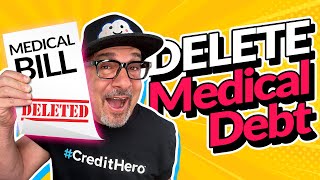
Daniel Rosen explains how medical debt tanks credit scores and how to remove collections using HIPAA protections. Over 100 million Americans are affected. Since July 2022, paid medical collections no longer appear on reports, and unpaid collections under $500 are excluded starting in 2023.
Questions this video answers
July 1, 2022.
Previously six months; extended to one year.
Medical collection debt under $500.
More than 100 million Americans.
More than half of U.S. adults.
Chapters
Hey, credit heroes. Are you suffering from medical debt or medical collections? More than 100 million Americans have medical debt ruining their credit reports. And today I'm going to give you the cure, so you better stick around. My name is Daniel Rosen, and welcome to Credit Repair Business Secrets. Okay, let's get into this. Medical collections are a huge hurdle for anyone trying to repair debt. And medical debt has become a bigger issue than anyone could have imagined. We've all heard stories and seen reports about just how crazy medical bills have gotten. And just recently, two medical bills went viral. The first was from 1956, and it showed the cost of spending six days in the hospital and having a child was $107.55. And the second bill was from 2022, and it showed the cost of being treated for a snake bite was $244,995.97. But what's even crazier than the size of that bill is the fact that these huge amounts are becoming less and less shocking. It's not like this in other countries, but here in America, medical costs are out of control. It in many cases, people don't even know that they have medical debt. But even if they did, they can't afford to pay it. And at these prices, who could? And despite everything we know, the extent of the problem might still be worse than we realize. So how does this relate to us? Well, the Kaiser Family foundation conducted a nationwide survey exploring the scale, impact and causes of medical debt in America. And their findings were unbelievable. Their survey found that in the past five years, more than half of US Adults went into debt because of medical bills. And medical debt is the highest in the Southern states that refuse to implement all the parts of the Affordable Care act or who refuse to expand Medicaid. One out of three adults said they didn't know their insurance plan didn't cover their hospital or Medical Service. One out of four people with medical debt owes more than $5,000. And one out of five people with any amount medical debt said they didn't expect to ever pay it off. Most of these unpaid bills will end up in third party debt collections. And most of these people will need serious credit repair. Here's the thing to remember. The laws and policies are changing. As of July 1, 2022, the credit bureaus, Equifax, Experian and Transunion, they removed all paid medical collections debt from their reports. So that's a good start. See, up until this point, medical collections would remain on FIL for up to seven years, regardless of whether or not the debt was paid. The credit bureaus also extended the amount of time that we have to pay outstanding medical bills before they're added to our credit reports. They extended it from six months to one year. And beginning in 2023, the credit bureaus are going to remove and no longer report any medical collection debt that's under $500. Now, the credit bureau's claim that this change will remove 70% of medical collections debt from consumer credit scores. However, a CFPB report found that about half of all consumers who currently have medical collections accounts on their credit reports will likely still have medical collections reported even after the medical collections reporting change goes into effect. So that's really up for a lot of people. Here's why this is important. We can't rely on credit bureaus to fix the medical debt problem because they profit from it. So you have to learn how to fight back. So if you ever get hit with medical debt that you can't pay, you need to know the secret to deleting medical collections from your credit reports. And believe it or not, it's easy. You just need to know your rights. According to the Department of Health and Human Services, if debt to a medical facility goes unpaid, they have the right to take measures to collect the debt, including selling your personal information to a debt collector. But the information that can be provided to the collector is very, very limited. Now, the main purpose of hipaa, which is the Health Insurance Portability and Accountability act, is to prevent anyone from abusing our personal health information. So when debt collectors decide to deal with medical debt, they must sign a HIPAA Business Associate agreement to indicate that they'll comply and follow all HIPAA regulations that involve protected health information. Now, debt collectors do not need any of your protected health information or your medical history to collect a medical debt. In fact, they are responsible for ensuring that any protected health information that they receive is secured from unauthor access. So, want to know the best part of hipaa? Well, you can use HIPAA to delete medical collections. Yes, it's true. So grab a pen and paper. Here's what you need to know what a medical facility or provider gives your personal information to a debt collector, they can only share your name, address, Social Security number, date of birth, payment history, and the location and name of the facility where you were treated. And that's it. They absolutely cannot disclose the nature of your treatment or the details of procedures to that collector. This includes paperwork or bills that disclose medications that you've taken or ailments or diseases that you may have been diagnosed with or are being treated for. So if a debt collector presents you with any of those protected details, for example, if they show you a bill that has anything related to your medical treatment, boom, you got them. They are in direct violation of HIPAA regulations and they now face severe fines. So now it's time to put them on notice. It's time to send that debt collector a validation of medical debt. HIPAA Request Dispute Letter this special letter will scare the out of the debt collectors. This is the magical letter again. It's called the Validation of Medical Debt HIPAA Request Dispute Letter. If you have clients with medical debt and collections, or if you have friends or family with medical debt in collections, you need this letter. And guess what? I'm going to give you this letter for free. You can download it right now@creditrepaircloud.com HIPAA and I'm also gonna put a link over there in the show notes. Now, when you fill out this letter and you mail it to the debt collector, basically threatening them with a lawsuit for HIPAA violations, and if you can prove that they violated hipaa, it usually convinces the debt collector to delete the account. But even if they don't delete the collection account from your credit report, you'll probably be able to use this as a strong negotiating point to go after a paper deletion, which I'll cover in a later episode. Here's my final point. Medical debt isn't like holiday debt. Disciplined spending habits won't fix this problem. Most American who filed for bankruptcy due to medical debt had health insurance. And two out of three people said they put off medical care that they really needed because of the cost. Planning isn't the issue. Medical costs are astronomical and salary increases have not kept up with health care costs. This current system we have is horrible. We're trapped in it and the only people who like it are the ones who are profiting from it. Things are changing, but the change isn't drastic enough and it's not happening fast enough. So we have to fight back. And I'll end by saying, if you don't already have a credit repair cloud account, check it out. It's the software that most credit repair businesses in America run on. Just sign up for a 30 day free trial at creditrepaircloud.com freetrial. And if you'd like to change lives and grow your own credit repair business, check out our Credit Hero Challenge. It's a live experience that has helped tons of credit heroes to get certified in disputing and gain confidence as they run their credit repair business on a solid foundation so they can change a whole lot of lives and make a great living in the process. We're starting the next challenge very soon, so you want to join before the doors close or you're going to have a long wait until the next one. So sign up right now@creditherochallenge.com and if you're finding value in the things that I share on this podcast, click below to subscribe and follow. Also, give me a five star review or share the show and help me to change more lives. And if you'd like to read the show notes, they're posted on my blog. And if you have a question or a comment, drop it down below because I read each and every one of them. And if you want to learn the secrets to avoiding unnecessary holiday debt, check out my recent episode linked over here. So take care Credit Hero, and remember, you can still fight back even if you're hit with an unpayable debt. Keep fighting and keep changing lives.









