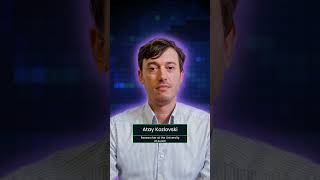
Atay Kozlovski, a philosophy researcher, argues that moral responsibility belongs only to humans, not AI systems. He warns against the hype around AI capabilities and points to real problems like a hiring tool that judges candidates based on eye movement and blink patterns, showing how easily biometric data gets misused.
Chapters
We're creating an autonomous or highly automated system, and yet we want to control them. Those two concepts seems to be contradictory, right? It's sort of a tug of war, and we're in a transition phase where it's the most dangerous and volatile because we don't know what to expect.
Building and using AI are rife with ethical issues. Today we're gonna think about what can go wrong with AI and then ask two big questions to try and tease out how to do the right thing. Firstly, as AI systems gain more power and autonomy, how can humans exert control over them? Secondly, is it possible to ethically create deepfakes.
But responsibility is something that can only be attributed to a moral agent. A system cannot be deemed morally responsible for, for anything. Hype is something that should be left for marketing, right? And our job, either as consumers or as project managers, is to fight the hype.
Joining us to discuss these ethical challenges is Ate Kozlowski. He's a philosophy researcher with a focus on how to make hard choices and ethics in AI. Ate is a research fellow at Delft University of Technology.
A system was providing hiring recommendations on the basis of the retinal movement of the candidates. Depending on how quickly your eyes move or how many times you blink, that correlated into the system to whether you will be a good candidate or not for that position. The mantra that we're hearing coming out of Silicon Valley, I believe that when, you know, democracy's at stake, that's a bad way to go.
Let's pick our way through some thorny ethical problems with AI.