A pastor explores what it means to be a child of God and how that identity shapes daily life. He uses the Maasai community as an example of authentic cultural ministry, warns against Adventist perfectionism that breeds spiritual abuse, and offers practical tools like "I-am" statements and the CARE acronym for building connection with others.
Chapters
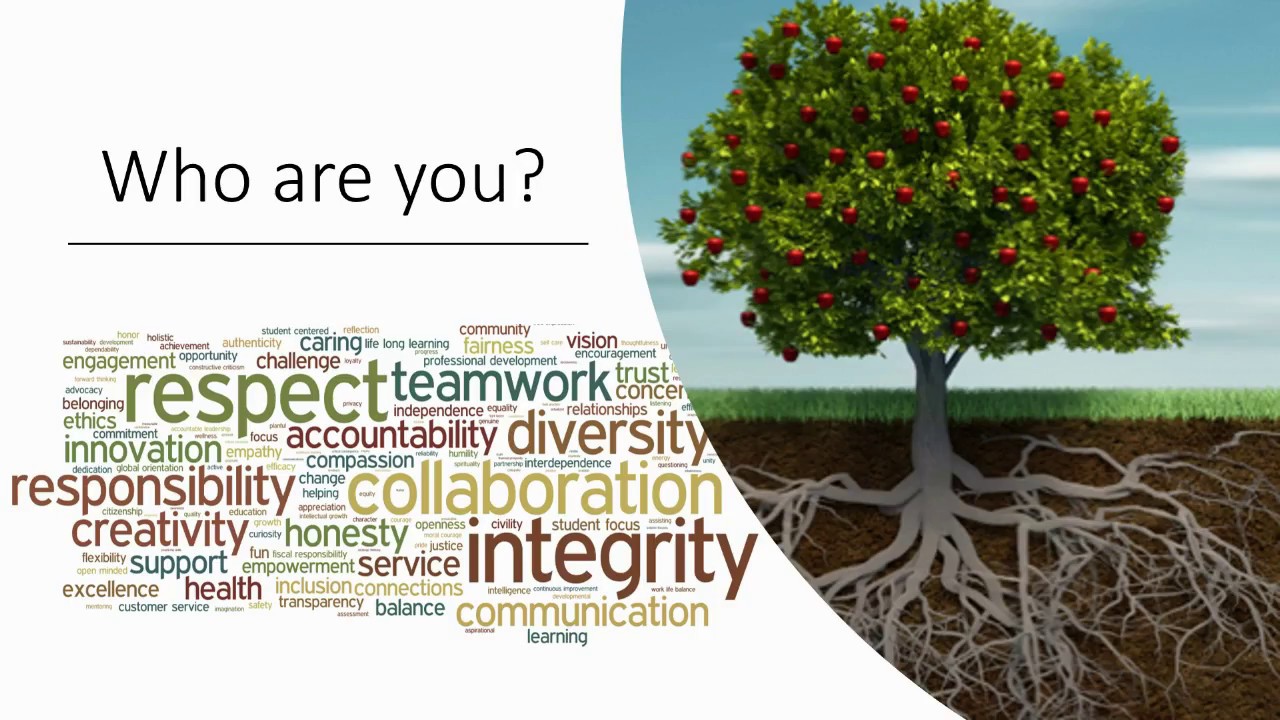
Korezo, eh? That was beautiful. I'm gonna go retro and preach from paper today. The introduction that we've been given to the question of who are you, or who am I, really leads us right into where the sermon is gonna take us to this next phase of So we are a child of God. We know that. I remember Pastor Brian came into the youth and did a lesson last, last quarter, and it was the lesson about identity. And he took us through a Bible study and demonstrated by the end of it that we are children of God and that our identity should be firm in that. And the video that you just saw about you are a child of God and the reading that Jacinta did about we are children of God, we should know that at our core. So that we can then become who he's created us to become and do what he's created for us to do. And so in exploring this idea of now that I am a child of God, who am I to be? Is there more, or am I just— is it just about me? I'm a child of God, I've been saved, what's next? Last night at Vespers, we looked at the purpose of life, and the And the conclusion we came to was that the purpose of life is about connection to others. It's about the Golden Rule. Do unto others as you would have them do unto you. And we looked at the journey that the Golden Rule has taken over the years and how Jesus is the one who twisted it and said it best. Everyone before him had said, whatever is suffering in your life, fix that. Whatever is suffering in someone else's life, fix that. Jesus said, "Imagine the best thing that could happen to you, and go and do that for someone else." Whatever you wish, do unto others what you wish would happen to you. And Jesus had hope for a future, and he was leading his people, his disciples, towards presenting that hope to the world around them. So the greatest thing we can offer to the world today is to give them hope in the Kingdom of God and the soon return of Jesus. We know that. That is our Gospel Commission. That is the Three Angels' Message. That is why we are here on Earth and why we are preparing for the soon coming of Christ. It's, it's our mission. So we know this. We know that we're children of God. We know that we have a message to do, and we know that we're part of a body. The Bible talks a lot about being part of the body of Christ. And Paul goes into detail saying, you know, what if everyone was a nose? How pointless. So I guess we could all point. That's about it. And smell. Or what if everyone was an ear? We have all different parts and we take care of each other in different ways and we're useful in different ways. So which part of the body am I? Which part of the body are you? In the church, who are you? Knowing your identity and your role in the church leads to drawing people to Jesus. But if we're not sure who we are or what our purpose is, we are not as intentional and we're not as focused on doing what he's invited us to do or challenged us to do. When I was over in Kenya, one of the ladies who was there, she was the treasurer of the local Adventist Church, and she could speak English very, very— only a little bit. And so she would always speak through the translator. And after my presentations, which were with a translator, so that I would speak for maybe 15, 20 minutes, then the translator would as well. So they were already 35, 40 minutes long. Then the question time would come, and boy, they had amazing questions. And so we often— the question time went longer than the sermon. And Janet, this is the lady, the treasurer, she would set up questions for other people in the audience to have a story to tell. And she was brilliant at it. She was a fantastic leader. And she once asked this question. She was— they all dressed beautifully in Maasai clothes, and she said, "Is it right or wrong to dress as a Maasai if we're an Adventist?" And I said, ah, it's beautiful that you're dressed as a Maasai. It is so beautiful. And then the matriarch, and this was quite amazing because she hadn't said anything at all. She couldn't speak any English, but she obviously knew this was the time she was supposed to speak. She stood and she said through her son, who was the translator, can I tell a story? And I said, please do. And she, her name was Mary, she told this story. She said, I remember when the The Adventist message came to our village, to our valley. And the evangelist, my family was the first one who heard this message, and we said, "We want this. We believe this. We want to be part of this." And he said, "Then let's have some meetings. Go and invite your friends, but you can't dress like natives. You have to dress properly." So he gave them Western clothes, and they went and they stood out. And the way that the Maasai people greet each other is they wave from a distance at each other, and then they basically yell, "I see you!" And they yell back, "I see you." And then they come together. And so they're standing and they're yelling in Maasai, "I see you." And the people are going, "What is wrong with that person? They look like a Maasai from here up and from the wrists forward, but the rest of them looks very strange." And all of these neighbors and friends who knew them very well went right around them and wouldn't have anything to do with them. And so Mary said, "So we were standing there and we were trying our best, and then I said to the other ladies," She says, "Come, let us go put on our Maasai clothes and our best Maasai jewelry," which is what they would put on when they went to weddings and feasts and festivals. And she said, "Then we'll come back to the field." And so the evangelist is watching, he can't understand what they're doing, he just sees them disappear and then they come back and he's, "Oh, great, I failed." They're all back in their old clothes again. And they come out and they go, "I see you!" And the neighbors come over, "I see you, what is it?" And they say, "Come to this amazing things that we're hearing about the God who loves us." Oh, we will come. And they went and got all their families, and they came. That entire valley is now Seventh-day Adventist. Because they were first— and this is what she said at the end of her thing. And when Joseph translated it, you know, it's his mom, he got teary as he was translating it. Because his mom said, "To reach Maasai for Jesus, we must first be Maasai." And this is the incarnational ministry of Jesus. To reach humanity for God, He must first be human. And he came and became one of us, and then he challenged us to do the same. And this takes a level of cultural identity, which means first we have to— we can see other cultures because they're different, and we see what's different about the culture. But until we understand our own culture, it's very difficult for us to value or understand someone else's culture. But it's hard to introspectively look at yourself and say, I'm part of a culture. You think, "No, this is normal, and everyone else has a culture. They're weird." But it's not. We all have a culture. We all— just like language, we all have a unique language based on where we were raised. So some thought questions for you later, or maybe you've already thought about this. What is your culture? Where did you come from? Who are you now in a cultural sense? What do you like about your culture? What makes you who you are within your culture? And how has it shaped you? Because all of us have been shaped by the culture in which we live. I love the Adventist culture. I was raised from— I think I was 3 years old when my parents became Adventists, so I can't remember anything different. I love Sabbath. I love coming together and worshiping. I love having a day off, and everyone, including Dad, who's so busy all week long, having a full day off and just coming and being with us and having great times. The best memories I have of childhood are because of the Sabbath and spending time as a family. I love intergenerational worship. Which is something Seventh-day Adventists do that if you've been raised in the church, you don't realize. We have a gem. Other churches are struggling. Why are we losing all of our young people? And they have Sunday school, then they have Sunday, our children's church, and they don't— the children never sit in here with the adults for the sermon. And so kids have not been enculturated into what it means to be an adult in their faith. And we're doing some work, Pastor Brian and I are doing some work on that journey between youth and adult. How can we make the youth feel like young adults in our church? Because this process of cultural identity is very important. And so the children are part of worship. We saw Zoe just read to us, we saw Jacinta read to us, we saw Zoe and Michael, he's not really a child anymore, well, not by his age, standing up and leading us in worship. He's mine, that's why I can pick on him. And we have every week, I think, we have kids up here. We certainly every week have kids out there. We have a children's story. So many churches don't have that because there's no children. They're out doing kids' church, or they're at Sunday school while the parents are in church. So I love intergenerational worship and the way that Seventh-day Adventists do it. I love Bible teaching. I love the way we take the Bible seriously. And we don't just call it God's book, but we actually, we are called by other people, people of the book, because we love the Bible so much. And I love community. I love what we do, the way we eat together, the way we share together, the way we have— when I was a kid, we had luncheon, or we called it potluck, and it was luck at what was in the pot. You never knew. And luncheon we have once a month here. We have soup and buns every week. It's community. It's bonding. And it's growing together. But within my culture, I also fear. I fear. I love the Adventist culture. I fear the Adventist cult. Now, I know we're not a cult, but some people act like we are. And the simple definition of an Adventist cult rather than culture is that their focus is more on perfection than on connection. If we are connecting with others, and that is our goal, and lifting people towards what they can be in Christ, it's really hard to say, "And you must be perfect." But if we focus too much on perfection, then we get unbalanced on that side, and we begin to drive nails into people who are already leaving, as they leave, you know, into their back. And then we wonder, "Oh, why did they leave? I guess they were never a good person anyway." And this often leads to spiritual abuse. And that's all— that actually all is spiritual abuse. When somebody else is growing towards Christ, we need to be doing everything to love them to Christ. So I've seen beautiful Adventist culture, and I've seen some of the nasty side of the Adventist cult. So I love Adventism, I fear Adventism. But what's interesting is if you look to the Bible and say, "So where is the core of who we're supposed to be once we know God, once we know I am a child of God?" Jesus says, "Everyone will know that you are my disciples by your—" Doctrine? No. Everyone will know you are my disciples by your style of music? No. Everyone will know you are my disciples by your obedience? No. What's the right word? Love. Everyone will know you're my disciples by your love. But it's interesting, Jesus— we often stop there and say, so there it is, love is what we're supposed to be doing. Jesus actually didn't stop there. He keeps going. He says, everyone will know you are my disciples By your love for the lost? That's not what he says, although that's important. Everyone will know you're my disciples by your love for God. That's not what he says, even though that's important. Everyone will love— everyone will know you're my disciples by your love for the poor, the lost? What's the word? What does he actually say? One another. Jesus is talking to his disciples, and he's saying, Everyone out there will know that you are following me by the way you treat each other in here. If you love one another, the world will look on you and say, "Those people, that culture is beautiful. I wanna know what they have." We must love each other here in this room. Our goal is not to agree to disagree. But to love each other while we work things out. The Christian goal is reconciliation, loving relationships. The opposite of spiritual abuse is reconciliation. This requires us to put our commitment in connection rather than our commitment to perfection. If we're truly trying to bring people together, we're trying to connect. The purpose of life in a nutshell, is not perfection but connection. So with that in mind, let's go to Zoe's reading this morning and let's read the context around it. We're just gonna plow through the whole chapter of Romans 12. So if you have your Bibles, I'd invite you to get them out. If you don't, BibleGateway.com on your phone or BibleHub.com on your phone will get you the Bible as well. I'm reading in the New International Version, Romans chapter 12. With connection in mind, think of Paul's words here as he speaks to the Romans. Starting with verse 1, we'll just read the whole chapter. Therefore, I urge you, brothers, in view of God's mercy, to offer your bodies as living sacrifices, holy and pleasing to God. This is your spiritual act of worship. Do not conform any longer to the pattern of this world, but be transformed by the renewing of your mind. —then you will be able to test and approve what God's will is, his good, pleasing, and perfect will. For by the grace given me, I say to every one of you, do not think of yourself more highly than you ought, but rather think of yourself with sober judgment, in accordance with the measure of faith God has given you. Just as each of us has one body and many members, and these members do not all have the same function, so in Christ— in here, We who are many form one body, and each member belongs to all the others. We have different gifts according to the grace given to us. If a man's gift is prophesying, let him use it in proportion to his faith. If it's serving, let him serve. If it's teaching, let him teach. If it's encouraging, let him encourage. If it's contributing to the needs of others, let him give generously. If it's leadership, let him govern diligently. If it is showing mercy, let him do it cheerfully. Love must be sincere. Hate what is evil, cling to what is good. Be devoted to one another in brotherly love. Honor one another above yourself. Never be lacking in zeal, but keep your spiritual fervor— that's what zeal is— serving the Lord. Be joyful in hope, patient in affliction, faithful in prayer. Share with God's people who are in need. Practice hospitality. Bless those who persecute you. Bless and do not curse. Rejoice with those who rejoice, mourn with those who mourn. Live in harmony with one another. Do not be proud, but be willing to associate with people of low position. Do not be conceited. Do not repay anyone evil for evil. Be careful to do what is right in the eyes of everyone. "If it is possible, as far as it depends on you, live at peace with everyone. Do not take revenge, my friends; leave room for God's wrath. For it is written, 'It is mine to avenge; I will repay,' says the Lord. On the contrary, if your enemy is hungry, feed him; if he is thirsty, give him something to drink. In doing this you will heap burning coals on his head. Do not be overcome by evil, but overcome evil with good. So, did you see connection all through there? Connecting people to people in the church so that we can connect people to people outside the church so we connect people to God everywhere. That it's all about connection and that ability to make yourself small enough. I like a phrase I learned when I was a kid. A pastor said it once, I think at a youth rally. He said, "God's big enough to be small enough for each of us." And that's what he challenges us to do as well. Don't think of yourself exceedingly greater than anyone else, but say, "I need to be humble so that I can reach to other people with the humbleness of Jesus." So our purpose is to reach people for Jesus. Our strategy is relationships. First relationships in here, then relationships out there. Our role, and here comes the question, who am I? Who are you? What is my role? What has God created you to be, me to be, us to be? Yes, we're all children of God, but who are you? God has made you unique and gifted you in a special way for the precise purpose for which he needs you. Who are you? As a chaplain, I work at two state schools, and a mother came in with her son, and she said— I had already been talking to him, so I knew what he'd been doing. He had been playing a game with his friends where basically they were dacking girls. Which, if you don't know what that is, it's basically pulling their pants down. It's very inappropriate. And primary school, everyone learns something at some time. And so his teacher, the principal, everyone had talked to him and his friends about it, and they all knew it was wrong. But his mom was concerned because when she was in here chatting with me and him, she said, "This is not like him. He is not like that at all. But when he's with certain friends, he wants them to like him." And so he does things that he really doesn't want to do, but he does them anyway because he wants to fit in. He wants to be cool. He wants not to stand out and be made fun of. And so then she said to me, "Can you give him some advice, something he can, like, practice or take home or something that can help him when he gets into that situation where he's being tempted to not lower his guard?" to be strong. And it's a state school system, so I can't say, well, let me tell you about something from the Bible. And so what God did for me right then, and it was— I'd never used this phrase before, but he just— it's like he just downloaded a whole video into my head, or a whole process. He just said, I am statements. And I was like, I just said it. I said, you know what, I think it would be really good for you and mom to to make some I am statements. And he said, what are I am statements? And I said, I am statements are statements of who you are no matter what, who you are inside. I said, who do you know about yourself that you wish you were always this way? And he said, kind. And I said, OK, there's your I am kind. I said, try to come up with 3. And I don't want you to do it now. I want you to go away with mom, and I want you to come up with 3 I Am statements, and I want you to write them down on a piece of paper. And then when you get in bed at night, once your feet lift the floor, you read that piece of paper out loud to yourself. When you wake up in the morning and you swivel around and your feet are hovering above the floor and you're almost gonna get up, read that piece of paper to yourself. And then take it with you, and as you're eating meals, breakfast, lunch, dinner, read it to yourself. And if your friends ask you what it is, you say, "These are my I Am statements. Don't you have any?" And then when you've read those a few times, you'll have them memorized and you won't need to take the piece of paper around with you all the time. But what will happen is that at some point, one of them will pop into your head and it will help you to make a good decision. That was Tuesday. And the next— oh no, it was Monday because I see him every Monday. The next Monday he came in for his session and I said, "So, did you write your I am statements?" "Yes, I did. Mom and I did." And I said, "What did you write?" "I am kind." I am respectful, and I am generous. And I said, that's very good. I would like to be all those things. And then I just asked— I thought it's probably not happened yet— but I said, have you had any of them come to mind when you needed them? He said, yes, yesterday playing football. And I said, oh, you're on a footy team? He said, yeah, I love footy. I said, what happened? He said, well, we were running down the field, and the ball bounced funny, and it hit a kid in the face. My teammate caught the ball and he kept running so everyone was chasing him, but I looked at the boy who the ball had hit in the face and I saw blood coming down his face. And I stopped and I went over and I helped him. I said, "I'll walk you over to your sideline." And I walked him over to the sideline. And as I was walking, it just popped in my head, "I am kind." And I said, "Wow, that worked so fast." When we look at the Bible in Deuteronomy 6:4-9, it says basically what's happened is God has given the second, the end of their 40 years in the desert, God's given them the Ten Commandments again, but this time he's spoken it. And they've come to God and said, "Can you please, Moses, can you go tell God his voice is too scary for us. Have him speak to you and we will listen to you. Whatever you say, we will do." And God agrees to this. And he says, "On one condition." And his condition is in Deuteronomy 6:4-9. He says this: Hear, O Israel, the Lord our God, the Lord is one. Love the Lord your God with all your heart and with all your soul and with all your strength. These commands that I give you today are to be on your hearts. Impress them on your children. Talk about them when you sit at home and when you walk along the road, when you lie down and when you get up. Tie them as symbols on your hands, bind them on your foreheads, Write them on the doorframes of your houses and your gates. God's statements are taught through relationships. And in— I don't know if you picked it up in the idea of telling him as you go to bed and as you rise and as you eat. That's this in layman's terms. It's just go and do it rather than saying where it came from. I just gave it to him. And he loved it. And it changed him. It helped his little heart recognize I am a good person. And I want to be this. When we look for I am statements in the scriptures, we see Moses asking God, who are you? You want me to go and talk to the Egyptians? They're going to say, which god are you talking about? And God, like, I almost wonder if he laughed. It's like nobody's ever walked up and asked him what his name is before. And he says, phew, I am. He says, you want me to tell them I am sent me? Yeah, that's good, actually. Yeah, say that. I am sent me. I am that I am. And he said, "Okay, and what about to the people that are following you, the Israelites in Egypt?" And God said, "Oh, that's easy. Tell them that I am the God who was with their fathers, with Abraham, Isaac, and Jacob." And he goes straight to relationships. Once he has a background, a backstory with the people, he says, "Know me by the relationships that I have with you. I am the God who led." Abraham, Isaac, and Jacob, and he has sent me to you. Then we look in the life of Jesus, and Jesus had I am statements. He said, I am— see if you can hear connection in these. Basically, none of them have a point without connection, without relationships. I am the bread of life. I am the light of the world. I am the gate. I am the good shepherd. I am the resurrection and the life. I am the way, the truth, and the life. I am the true vine. All of those are about being connected and Jesus flowing through those metaphors. So what are your I am statements? Do you have a core value statement that helps you stay focused, helps you go, I am kind, or to remind yourself of who you want to be? When I became a chaplain, I wanted something that I could— I like little acronyms, little things that help me remember things. And I created this phrase, time— take time to care, because I tend to be in a hurry. Everyone says, you look like you're really important because you're always walking fast. I say, no, I just lean forward and momentum takes me there. And so take time to care. Slow down a little bit. Slow down enough so that you notice the kids. This is for me as a chaplain. The children around you, the teachers around you, the parents around you. And CARE stands for 4 different values. Compassion, attentiveness, reconciliation, and empowering others. So compassion, focus on the Golden Rule. Teach kids to do to others what they would like to have happen to them. Attentive, be able to just slow down enough and listen. I listened to a great interview with Oprah Winfrey with a man who was talking about the power of listening. And he said listening is so powerful that it actually heals people. Just being truly heard heals you. So if in your listening you realize, "I am actually not wasting time, I am healing, I'm helping this person," it's a gift of healing to listen well. Reconciliation, making things right. Jesus came to earth to make things right between us and God, and he gave us the mission of reconciliation to make things right between people. And him. And finally, empowerment. And I just define that as a safe place to try. Create a safe place for other people to try the things. So those are my 4, my 4 I am statements, if you would. I created a memory device out of it. But my challenge to you is to choose 3 this afternoon. Write up an I am statement about yourself or make up a memory device about yourself that says this is who I want to be so that you You have it with you in your mind and it's locked away there so you can become that. Last week I finished my book about my trip to Kenya. It was a giant Maasai cow on my shoulders. And now it's gone and I'm feeling good. But the question that really was— I was struggling with was I want this book to say something. I don't want it just to be this is what happened and it was fun. And the question that presented itself right when I got to Kenya but I didn't have a solid answer for it was, poverty. What is poverty? Because I had always thought in my Western view and in my wealthy background, poverty is not having money. But when I got to Kenya, I saw people who were penniless but completely fulfilled in life, completely happy in their community, and not poverty-stricken at all. They were in what you could say, they were in their bliss. They had They were living the life that so many of us are striving to achieve. So I asked myself, what is poverty? And the conclusion that I came to for the book after reading all the stories and also letting it sit for about 6 months and process is that poverty is actually disconnection. Poverty is replacing relationships with anything else. Poverty is accepting broken relationships as the best solution. Poverty is fragmented families. Orphans are poor, not because they have no money, but because they have no family. Poverty is disconnection. God's purpose for our lives and for the lives of everyone in the world is connection. Connection here so that we can have connection there so that we can have connections to Jesus. So connection, that's my word, you can use it too if you want. Choose some values this afternoon. Do some mental work. I put a whole big list and I just said to them, "Leave that up there the whole time." There's thousands, well, hundreds anyway, on the internet. Just type in "give me a list of values" to Google and you'll get a bunch. Choose some for yourself and then you will know who are you.
More from Dave

Thor is four months old and already mastering AI! #thor #puppy #jackrussell #cat #mythology #war


Better to have gloved and lost... #puppy #jackrussellterrier #thor #doglife #dog #gloves #wrestling




